Selecting a high-performance topical salve for delicate skin tissue requires analyzing chemical ingredients, moisture retention thresholds, and sensory feedback.
You need a dense protective barrier that seals in hydration without causing long-term dependency or chemical stinging.
This analytical breakdown uncovers the real-world performance metrics, ingredient dynamics, and widespread user concerns surrounding Carmex Classic Lip Balm.
You should buy high-quality lip balms and therapeutic skincare solutions exclusively from certified pharmacies, clinical dermatological stockists, or direct premium wellness portals that offer fully transparent ingredient labels.
While the exceptionally low price makes this product a staple item in checkout aisles globally, recurring structural drawbacks and irritating additives make me highly hesitant to support it.
You should buy pure, non-irritating barrier creams through official clinical avenues if you want true skin repair, rather than subjecting delicate lip tissue to this controversial formula.
My Real-World Operational Experience
As someone who struggles with chronically dry skin and lips, finding an effective daily moisture sealant is essential for my personal comfort.
My regular morning routine involves applying a reliable protective coating before entering dry, air-conditioned offices or bracing against biting winter winds.
The promise of an incredibly cheap, medicated yellow ointment that claimed to instantly soothe pain, soften flaky patches, and heal severe cracks within hours sounded highly appealing.
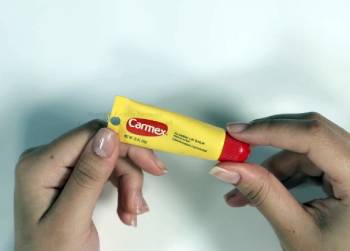
I purchased the iconic little yellow tub, twisted off the metal cap, and applied the thick petroleum-based jelly to my dry lips using my finger.
The initial sensation felt intensely cool and tingly, providing a numbing distraction from my dry patches, though I immediately noticed a strong, medicinal camphor smell that made me highly uncomfortable before entering social situations.
My initial home testing began on clean, thoroughly exfoliated bare lips following my morning skincare steps.
Scooping the dense yellow paste out of the pot felt unhygienic because bacteria from my fingers transferred directly into the remaining product container.
I spread the petroleum mixture across my mouth, waiting for the active ingredients to sink in and repair the skin barrier.
The formula left an incredibly shiny, heavy film that felt sticky, and I quickly noticed that the aggressive menthol additive caused a burning sensation on my raw patches.
Even with my lips completely relaxed, the intense stinging glare from the chemical combination felt overwhelming, forcing me to continually lick my lips to seek relief.
The most concerning issues appeared after using the product consistently for three weeks straight.
While the company marketing always highlights intense healing benefits, my lip tissues told a completely different story.
The frequent application created an artificial occlusive seal that trapped dead skin cells while generating an uncomfortable rebound dryness that left my lips peeling worse than before.
Worse still, my independent reading revealed that the ingredient profile features salicylic acid, an exfoliant that strips away thin skin layers when left on continuously.
By the third week, my lips became completely dependent on the tingling sensation, cracking open painfully whenever I went more than four hours without applying another thick layer.
Using this ointment turned into a deeply frustrating loop of chasing temporary numbness while dealing with chronic peeling and raw, irritated skin borders.
Comprehensive Maintenance and Longevity Practices
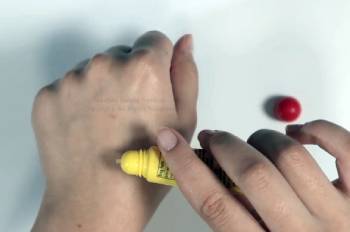
To keep a jar of petrolatum ointment hygienic without experiencing bacterial overgrowth or melting separation, you must implement strict sanitation protocols.
The inner rim of the yellow container must be kept perfectly free of dirt and dust particles.
Wipe down the metal threads using a dry tissue paper weekly to prevent old product buildup from spoiling.
Never leave the small tub sitting inside a hot car glovebox or under direct midday summer sunlight.
Allow the ointment to remain at a cool room temperature to prevent the waxes from melting apart into oil. Avoid sharing your individual balm tube or jar with anyone to stop the spread of oral surface bacteria.
Store the container upright inside a clean drawer away from damp bathroom condensation zones.
Utilize a clean disposable cotton swab instead of your bare fingertip to scoop out the yellow paste. If the formula changes color or smells unusually sour, discard the entire container immediately.
Analytical Performance Assessment
Analyzing this classic drugstore ointment from a biochemical standpoint reveals significant formulation compromises.
The manufacturer reduces production expenses by utilizing a low-cost byproduct like petrolatum mixed with cheap sensory irritants.
This combination can reduce the overall health of your lips, as active exfoliants strip away protective cells continuously.
For consumers trying to manage genuine chronic dryness, a formula that causes rebound peeling fails to provide real relief.
The lack of clean, non-sensitizing nourishing oils introduces unnecessary risks of contact allergy flare-ups along your mouth boundaries.
Because of these persistent ingredient flaws and dependency issues, I cannot recommend this product for healthy lip maintenance.
Detailed Analysis of Advantages and Critical Flaws
Evaluating a daily wear cosmetic ointment requires analyzing its structural barrier conveniences against its chemical formulation limitations and consumer adverse reactions.
The classic yellow ointment shows several attractive mass-market features alongside some highly problematic medical shortcuts that you cannot ignore.
Pros:
- The dense petrolatum base creates a rapid occlusive barrier that immediately traps surface moisture.
- The addition of real cocoa seed butter provides temporary softening to tough surface flakes.
- The small compact size fits easily inside denim pockets, small pursues, or car console compartments.
- The included menthol component offers a temporary cooling sensation that numbs surface raw pain.
- The highly accessible price tag makes obtaining immediate lip protection affordable for everyone.
Cons:
- The product formula utilizes camphor which actively dries out sensitive dermal tissue over extended usage periods:
- The inclusion of salicylic acid acts as a continuous chemical exfoliant that strips thin mucosal layers:
- The open tub design forces users to dip dirty fingers directly into the formula creating contamination:
- The heavy mineral oil base leaves a greasy residue that easily slides off the lip boundaries:
- The strong medicated scent causes notable olfactory irritation for consumers sensitive to chemical smells:
- The brand lacks a clean ingredient certification making it highly unsuitable for compromised post-treatment skin.
Head-to-Head Competitor Comparisons
- Carmex Lip Balm Vs. Burt’s Bees Beeswax Lip Balm
Burt’s Bees Beeswax Lip Balm represents a highly popular, naturally derived approach to daily moisture protection within the mass consumer market.
Unlike the petrolatum-heavy base of its yellow competitor, the Burt’s Bees stick utilizes natural beeswax and coconut oils to soften skin.
The structural integrity of the natural beeswax provides a matte finish that stays firmly on your lips without sliding off.
The thermal stability of the formula is excellent, keeping its solid shape inside your pocket during warmer summer days.
The budget yellow balm offers a much glossier look, which appeals to users seeking a wet lip appearance.
However, Burt’s Bees avoids using harsh chemical exfoliants like salicylic acid, making it far safer for daily skin barrier health.
- Carmex Lip Balm Vs. Aquaphor Lip Repair
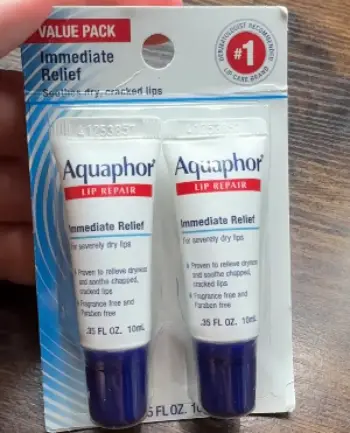
Aquaphor Lip Repair delivers a premium, clinically tested ointment solution designed specifically for severely compromised skin barriers.
It features a soothing blend of shea butter, vitamins, and chamomile essence that active calms raw, bleeding lip lines.
This nourishing combination allows your lips to heal naturally without relying on artificial cooling sensations or numbing agents.
The budget medicated alternative relies completely on menthol triggers that frequently cause stinging reactions on open skin wounds.
While the budget tube provides an immediate tingle, Aquaphor focuses entirely on long-term barrier hydration and tissue recovery.
The fragrance-free build of Aquaphor survives harsh winter elements with almost zero risks of chemical dermatitis flare-ups.
- Carmex Lip Balm Vs. Vaseline Lip Therapy Rosy Lips
Vaseline Lip Therapy Rosy Lips is a simple, highly dependable petrolatum formulation that focuses entirely on non-irritating moisture retention.
It ignores complex medicated additives entirely, utilizing pure triple-purified petroleum jelly connected to a subtle sweet almond oil tint.
This lack of complex exfoliating acids means there are fewer irritating ingredients to dry out your lips over time.
The yellow medicated tube looks much more technical and promises immediate pain relief for cold sores.
However, the Vaseline formulation provides a much smoother moisture barrier that does not trigger rebound dryness or skin peeling.
The pure petrolatum base remains totally safe for sensitive skin types prone to allergic cosmetic reactions.
- Carmex Lip Balm Vs. Laneige Lip Sleeping Mask
The Laneige Lip Sleeping Mask targets the premium luxury skincare market with a heavy emphasis on deep overnight hydration.
It is crafted from an advanced berry mix complex that gently dissolves dead skin cells using mild natural antioxidants.
The internal moisture wrap technology delivers consistent hydration throughout the night, leaving lips feeling incredibly plush by morning.
The budget medicated brand uses cheap mineral oils that feel heavy and can cause breakouts around your lip line.
Laneige also provides a beautiful miniature applicator spatula, making it much cleaner to apply than dipping fingers into jars.
The luxury price is high, but the deep restorative results make it the superior night treatment.
- Carmex Lip Balm Vs. Blistex Medicated Lip Ointment
The Blistex Medicated Lip Ointment is a direct competitor in the therapeutic space, offering an advanced moisture-rich squeeze tube.
It provides a smooth white cream formula that penetrates deep into tissue cracks to deliver real pain relief.
However, both of these budget-tier medicated options suffer from similar formula issues, including a high reliance on strong camphor.
The Blistex model features a slightly higher water content that can feel cold upon initial application to your skin.
The yellow tub alternative is easier to find in grocery stores, but both formulas lack the clean botanical oils required for true long-term tissue nourishment.
Also Read: My Experience With Dr Bronner Lip Balm
Frequently Asked Questions (FAQs)
No, the classic formula is generally not good for long-term lip health due to its drying chemical additives. While the heavy petroleum base provides a temporary barrier, the inclusion of camphor and menthol causes continuous irritation and drying that ruins your natural skin cells.
The medicated balm is bad for daily use because it creates a cycle of dependency and peeling. The salicylic acid inside the formula chemically peels away the delicate outer layers of your lips, forcing you to constantly reapply the product to soothe the resulting raw skin.
The best lip balm for chemotherapy patients is a completely fragrance-free, pure lanolin or medical-grade petrolatum balm like Aquaphor Healing Ointment or Lano Lips. Patients must avoid medicated options containing camphor, menthol, or salicylic acid to protect their severely compromised, sensitive skin tissues.
The primary warnings involve keeping the product out of your eyes and stopping use immediately if severe irritation or rash develops. You must not apply the medicated formula over deep puncture wounds, animal bites, or serious burn areas, and you should limit application to less than four times daily.
Final Thoughts
Achieving soft, perfectly healthy lips throughout the year requires investing in topical formulas that prioritize pure botanical oils and absolute barrier safety.
If you want to protect your skin cells and ensure your lips receive the clean hydration needed for true tissue recovery, you should buy your lip care products from clean, dermatologist-approved beauty lines.
The high volume of consumer complaints regarding burning sensations, chronic rebound peeling, and chemical dependency makes Carmex Classic Lip Balm a highly questionable choice for your daily cosmetic pouch.
To ensure your skincare journey remains comfortable and effective without risking skin damage or chronic irritation, you should buy a pure, non-medicated alternative instead.
Taking a careful, analytical approach to your personal care purchases will keep your lips truly hydrated and healthy over the long haul.