
You are likely looking at your options, trying to figure out which premium formula will finally banish your stubborn bloating, fix your irregular digestion, and help you regain control of your metabolic health.
In this comprehensive evaluation, my main intent is to provide you with a transparent, deeply analytical review comparing two of the most popular names in the industry so you can make an educated choice for your wellness journey.
You deserve a straightforward guide that cuts right through the heavy marketing noise to reveal how these capsules actually perform in everyday life.
Comparison Table Between Bioma Vs. Seed Probiotics
| Key Feature | Bioma Probiotics | Seed DS-01 Daily Synbiotic |
| Total Active Strains | 2 specific bacterial strains | 24 clinically studied strains |
| Delivery Mechanism | Standard delayed-release capsule | Patented ViaCap capsule-in-capsule technology |
| Prebiotic Source | Inulin fiber | Non-fiber Indian pomegranate polyphenols |
| Core Product Focus | Weight support, bloating, gas reduction | Whole-body health, gut barrier, skin aging |
| Storage Requirement | Shelf-stable, no refrigeration needed | Shelf-stable, protected by dark glass jar |
| Daily Dose Size | Small, easy-to-swallow capsules | Two relatively large green capsules |
My Firsthand Journey With These Gut Health Systems

My path to testing these two highly discussed formulations began out of sheer desperation with my own unpredictable digestive tract.
I spent months dealing with painful evening bloating, sluggish morning regularity, and a complete lack of overall physical energy that left me feeling constantly heavy and uncomfortable.
When I first ordered Bioma, I was genuinely drawn to its targeted approach, which claims to customize your experience by utilizing a light, simplified blend of bacteria paired with metabolism-boosting additions like green tea extract and chromium picolinate.
The buying process was straightforward, and the small size of the capsules made them incredibly easy to fit into my rushed morning routine without any swallowing discomfort.
During the first week of taking it on an empty stomach, I noticed a very slight reduction in the sharp, immediate gas pains that usually bothered me right after eating lunch.
However, as the second and third weeks rolled around, my progress hit a complete standstill, and I realized that the simple two-strain formula just did not have the structural diversity required to rebuild my long-term microbial health.
My bloating eventually crept right back to its baseline level, leaving me searching for a far more robust, scientifically advanced alternative.
That disappointment is what pushed me to transition directly over to the Seed DS-01 Daily Synbiotic system.
The unboxing experience alone felt completely different, arriving in an eco-friendly package featuring a heavy, dark green glass jar and a convenient smaller glass travel vial.
Following the label instructions, I started taking just one capsule per day for the first three days to let my sensitive system adapt before stepping up to the full two-capsule daily dose.
By the end of the first week, the constant rumbling and hyper-reactive bloating in my lower stomach had completely vanished, making room for a level of smooth, effortless digestive regularity that I had not experienced in years.
Even when I traveled over a busy weekend, my stomach remained perfectly calm, flat, and completely free of the typical stress-induced constipation that usually ruins my trips.
Seeing how my skin clarity also visibly improved after a month of consistent use proved to me that a comprehensive, multi-strain approach delivers the whole-body support that simpler formulas fail to sustain.
Maintenance Tips For Your Probiotic Routine
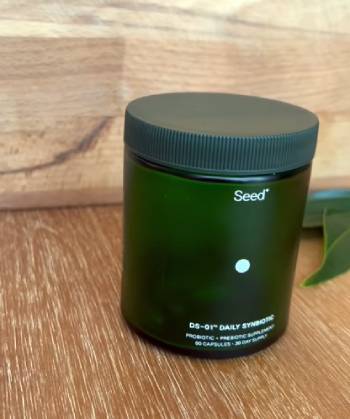
Safeguarding the viability of your beneficial bacteria and ensuring their consistent delivery requires strict adherence to daily storage and timing protocols.
- Shielding Your Capsules From Environmental Damage
Live bacterial cultures are highly sensitive to sudden changes in temperature, ambient moisture, and direct UV light exposure.
Always leave your capsules stored inside their original protective dark glass container, as the specialized amber coloring blocks harmful light wavelengths from degrading the delicate strains.
Keep your main supplement bottle stored in a cool, dry pantry or kitchen cabinet rather than your bathroom shelf.
The frequent spikes in temperature and moisture that occur while you shower can easily seep past the lid threads, causing the pills to degrade prematurely.
- Perfecting Your Application Timing Sequence
To maximize the percentage of active cultures that successfully survive your digestive juices, consistency in your daily intake schedule is absolutely critical.
Take your daily dose at the exact same hour every morning, ideally on an empty stomach with a full glass of cool, filtered water.
Ingesting the capsules twenty minutes before your first meal ensures your stomach acid levels are at their lowest baseline, which speeds up the transit time of the pills through the upper digestive tract.
Never wash down your supplements with hot coffee, tea, or warm bone broth.
Exposing live microorganisms to liquids above room temperature can inadvertently destroy the active cells before they ever have a chance to colonize your lower intestine.
- Managing Your Subscriptions and Travel Logistics
When preparing for extended travel, avoid transferring your entire monthly supply into cheap plastic daily pill organizers that lack airtight rubber gaskets.
Instead, utilize a compact, dedicated glass travel vial that maintains a secure seal against fluctuating airplane cabin pressure and external humidity.
Track your remaining capsule count closely so you can align your recurring subscription renewals with your actual usage cadence.
This careful tracking prevents an unnecessary backlog of bottles from sitting on your shelves, guaranteeing that you are always consuming the freshest, highest-potency batches available.
Also Read: My Experience With Pendulum Probiotics
The Analytical Breakdown Of Bioma Probiotics
Evaluating this formula requires looking past the weight management advertisements to see how a simple ingredient profile affects your digestive ecosystem.
The Pros:
- Easy to swallow capsule profile: The physical size of the pill is noticeably smaller than average, making it a very comfortable option for anyone who struggles with larger vitamins.
- Targeted metabolic support additions: Including chromium picolinate helps stabilize erratic blood sugar levels, which naturally curbs intense afternoon sugar cravings.
- Completely shelf stable manufacturing: You can safely keep the bottle stored in your desk drawer or travel bag without worrying about the active cultures dying in room temperature.
- Formulated for sensitive stomachs: Because it contains only a couple of highly isolated bacterial strains, it is less likely to trigger an intense initial detox reaction.
The Cons:
- Severely limited microbial strain diversity: The formulation provides only two distinct bacterial strains: this narrow profile fails to adequately support the complex ecosystem of a highly damaged gut microbiome.
- Inulin fiber triggers gas: The choice of inulin as the primary prebiotic base can cause immediate distress: this specific fiber frequently ferments too rapidly in the gut, causing painful stretching and visible flatulence for sensitive individuals.
- Short lived digestive symptom relief: Many users find that the initial reduction in bloating completely disappears after a few weeks of continuous use: this issue happens when the limited bacteria fail to colonize the colon permanently.
- Premium pricing for basic ingredients: The monthly subscription cost remains relatively high: paying a luxury price for a formula that mimics basic drugstore options feels like a poor financial value.
The Analytical Breakdown Of Seed Probiotics
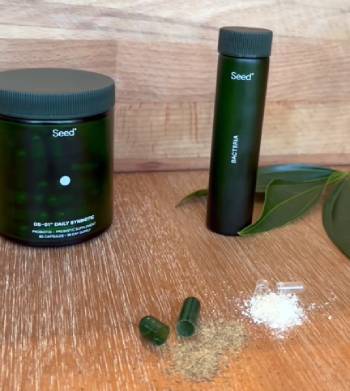
An objective look at this daily synbiotic highlights a highly sophisticated delivery mechanism designed for maximum bacterial survival.
- The Pros:
- Patented protective capsule technology: The innovative capsule-within-a-capsule design safeguards the live bacteria from harsh stomach acids: this ensures the active cultures reach your lower colon completely intact.
- Exceptional twenty four strain diversity: The formula provides twenty-four distinct, clinically studied strains: this diverse matrix targets everything from gut barrier function to skin health and cardiovascular wellness.
- Non fiber prebiotic ingredient selection: Utilizing Indian pomegranate polyphenols instead of traditional fibers is brilliant: this choice feeds the good bacteria without causing the immediate bloating associated with cheap fiber fillers.
- Sustainable and thoughtful packaging: The brand includes a reusable glass jar and a compact travel vial: this setup makes it incredibly simple to maintain your daily routine while reducing plastic waste.
- Rigorous third party safety testing: Every batch undergoes extensive testing for major allergens, pesticides, and heavy metals: this strict quality control gives you total peace of mind regarding daily purity.
The Cons:
- Heavy upfront monthly financial investment: The subscription price sits at nearly fifty dollars per month: this premium cost can easily strain a tight household budget over a long period.
- Large physical capsule size requirement: Taking the full serving requires swallowing two fairly large capsules daily: this factor can be an absolute dealbreaker for pill-averse individuals or athletes who dislike bulky supplements.
- Intense initial gastrointestinal adjustment period: The high potency can trigger temporary side effects during the first few days: you may experience mild nausea, extra rumbling, or loose stools as your system acclimates.
- Strict automated subscription model system: The product is primarily available through a recurring delivery schedule: managing or pausing your orders online can feel frustrating if you prefer buying supplements on an as-needed basis.
Also Read: My Experience With Uro Vaginal Probiotics
Frequently Asked Questions (FAQs)
The main downsides are its premium monthly price tag, the requirement to swallow two fairly large capsules every day, and a temporary adjustment period that can cause mild gas or nausea during the first few days of use.
Medical experts generally consider a multi-strain, third-party tested synbiotic like Seed DS-01 to be superior because its specialized capsule engineering ensures the live bacteria actually survive the journey through your stomach acid.
For comprehensive, whole-body microbial support, Seed DS-01 is a much better choice due to its twenty-four diverse strains, whereas Bioma only provides two basic strains paired with standard metabolic additives.
No probiotic can independently burn belly fat without dietary changes, but formulas containing specific Lactobacillus gasseri or Bifidobacterium animalis strains are widely studied for helping reduce visceral fat accumulation when paired with exercise.
Final Thoughts
Choosing a supplement that truly respects your internal biology requires looking past flashy internet trends and focusing entirely on strain diversity and capsule survival science.
If you are ready to stop guessing and invest in a system that provides genuine, long-term regularity and a flattened stomach, you should buy your synbiotic from a brand that values transparent clinical data and robust quality control.
Taking charge of your digestive wellness is a powerful step toward a happier, lighter, and more energetic life.