You are likely searching for a definitive solution to eliminate your persistent abdominal inflation, unpredictable bathroom trips, and systemic fatigue.
In this exhaustive comparative analysis, my primary intent is to deconstruct the operational differences between Ritual Synbiotic+ and Seed DS-01 Daily Synbiotic so you can confidently determine which premium formula aligns with your personal biological needs.
You deserve an objective, transparent breakdown based on clinical reality rather than corporate storytelling.
Comparison Table of Ritual Vs. Seed Probiotics
| Feature and Metric | Ritual Synbiotic+ | Seed DS-01 Daily Synbiotic |
| Core Functional Design | 3-in-1 Prebiotic, Probiotic, Postbiotic | 2-in-1 Prebiotic and Probiotic Synbiotic |
| Bacterial Strain Count | 2 highly isolated, specific strains | 24 diverse, clinically studied strains |
| Potency Measurement | 11 Billion Colony Forming Units (CFU) | 53.6 Billion Active Fluorescent Units (AFU) |
| Prebiotic Mechanism | PreforPro bacteriophages (non-fiber) | Indian Pomegranate polyphenols (non-fiber) |
| Postbiotic Inclusion | 300 mg Tributyrin (as CoreBiome) | None included in the formulation |
| Capsule Engineering | Single delayed-release nested capsule | ViaCap capsule-in-capsule technology |
| Sensory Experience | Mint-infused tab for fresh scent | Opaque, earthy-tasting green capsules |
| Daily Dose Requirement | One small capsule per day | Two relatively large capsules per day |
My Firsthand Journey With These Advanced Microbe Systems

My personal quest to heal an incredibly finicky digestive system led me directly to the doorsteps of these two premium industry giants.
I spent years dealing with agonizing evening bloating that made my clothes feel entirely too tight, alongside an erratic bowel cadence that completely disrupted my daily productivity.
When I initially ordered Ritual Synbiotic+, I was completely won over by the sheer elegance of their minimalist design philosophy.
The clear bottle arrived containing translucent capsules with a tiny visible nested pod inside, accompanied by an intensely crisp mint-infused scent tab that instantly masked any traditional supplement staleness.
Taking just one capsule a day felt like an absolute breeze compared to the handfuls of pills I had forced myself to swallow in the past.
During the opening ten days of my trial, the experience was incredibly smooth and gentle on my stomach.
I did not experience any sudden internal shifts, violent rumbling, or standard adjustment discomfort, and the heavy morning sluggishness in my lower abdomen began to noticeably lift.
The inclusion of the postbiotic butyrate seemed to act like a soothing balm for my intestinal lining, creating a stable baseline of comfort.
However, by the time I hit the one-month mark, I noticed that while my baseline regularity had definitely stabilized, my deeper issues with stubborn food sensitivities and complex, stress-triggered bloating had not entirely disappeared.
It became clear to me that while the two hyper-focused strains in Ritual were phenomenal for foundational daily upkeep, they lacked the sheer ecosystem-wide workforce needed to fully overhaul a deeply disrupted microbiome.
This realization prompted my immediate transition to the Seed DS-01 Daily Synbiotic framework.
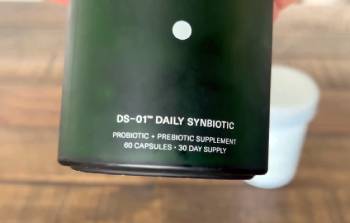
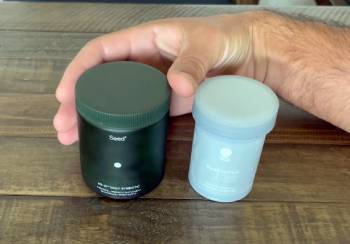
The unboxing felt less like a lifestyle aesthetic and much more like a serious scientific intervention, arriving in a heavy, light-blocking dark green glass jar with a secondary glass travel container.
The daily dosage structure required a bit more discipline, demanding two distinct green capsules swallowed simultaneously on an empty stomach.
The first four days on Seed were admittedly a little rocky, as my gut ecosystem underwent a highly noticeable microbial shift.
I experienced a brief phase of internal gurgling and extra gas as the twenty-four diverse strains began competing with my native gut inhabitants.
But once my system crossed that brief adaptation threshold on day five, the results were nothing short of profound.
The persistent, hard bloating that typically materialized after my evening meals completely dissolved, leaving my stomach feeling consistently flat, calm, and resilient.
Furthermore, the smooth regularity became clockwork, and after six weeks of consistent colonizing, I noticed an unexpected boost in my overall skin clarity and a total absence of my usual reactive acne flares.
Seed did not just soothe my symptoms; it fundamentally re-engineered the resilience of my entire digestive tract.
Maintenance Tips For Your Probiotic Routine
Preserving the structural integrity of your synbiotic capsules and maximizing their biological efficacy requires an intentional, disciplined approach to storage and daily execution.
- Managing Light and Moisture Exposure
Live microorganisms are highly vulnerable to degradation when exposed to fluctuating environmental conditions.
Never store your probiotic bottles on your bathroom counter or near a damp sink area.
The intense humidity and heat generated by daily showers can easily penetrate the container seals, causing the active cultures to lose their potency long before the expiration date.
Keep your main supply nestled securely in a dark, climate-controlled pantry or a cool kitchen drawer away from the stove.
If you are utilizing Ritual, be mindful that its clear bottle requires extra protection from direct sunlight, whereas Seed’s heavy green glass inherently acts as a natural shield against UV radiation.
- Optimizing the Ingestion Window
The environment of your upper digestive tract is incredibly hostile, meaning timing is everything when it comes to capsule survival.
Consume your daily dose at the exact same time every single morning on an empty stomach with a large glass of room-temperature, filtered water.
Ingesting the pills roughly twenty to thirty minutes before your first meal ensures that your gastric acid volume is at its absolute lowest baseline, allowing the protective capsules to slide through the stomach quickly and deposit the live strains directly into the colon.
Avoid drinking hot coffee, matcha, or warm lemon water for at least twenty minutes after ingestion, as extreme heat can inadvertently compromise the delayed-release polymers of the capsules.
- Handling Travel and Refill Logistics
When preparing for trips, resist the temptation to throw your probiotics into cheap plastic weekly pill planners that lack airtight seals.
Exposing these delicate formulas to open air speeds up cellular oxidation and drastically reduces the live cell count.
Always use a dedicated, tightly sealed glass travel vial to keep the interior environment perfectly dry and stable against shifting airplane cabin pressures.
Lastly, align your subscription delivery cadence with your true consumption habits so that fresh batches arrive precisely as your previous bottle runs out, ensuring you are never consuming stale or degraded inventory.
Deciding how to properly support your inner ecosystem ultimately comes down to a choice between targeted simplicity and comprehensive structural diversity.
The Analytical Breakdown Of Ritual Synbiotic+

Evaluating Ritual requires analyzing how a hyper-focused, three-pronged ingredient strategy impacts the lower intestinal environment.
The Pros:
- Innovative three in one structural design: The inclusion of a prebiotic, a probiotic, and a postbiotic within a single delivery system offers an exceptionally comprehensive approach to gut tissue nourishment.
- Single capsule daily dosing convenience: You only need to swallow one small capsule each morning, making it incredibly simple to maintain long-term compliance without pill fatigue.
- Mint infused odor control technology: The inclusion of a small food grade mint tab inside the bottle completely eliminates the foul, musty aroma frequently associated with live bacterial cultures.
- Postbiotic fuel for colon walls: The three hundred milligrams of tributyrin breaks down directly into butyrate, providing immediate cellular energy to reinforce the tight junctions of your gut barrier.
- Advanced component tracking transparency: The brand utilizes a fully traceable supply chain, allowing you to view the exact geographical origin and clinical backing of every single ingredient.
- Gentle initial system integration: Because the formula isolates only two primary strains, it rarely triggers the intense gas or systemic detox reactions seen with high-dose competitors.
The Cons:
- Low bacterial strain diversity: Providing only two distinct probiotic strains severely limits the formula’s ability to cross-pollenate and rebuild a highly depleted or damaged microbiome.
- Higher cost per active strain: Paying a premium monthly subscription price for a formula centered around just two standard strains can feel like a low return on your financial investment.
- Phage prebiotics require more human research: The use of PreforPro bacteriophages to consume bad bacteria is a fascinating concept, but long-term human clinical data is still quite sparse compared to traditional prebiotics.
- Reliance on basic metrics: Measuring the formula via standard colony forming units lacks the advanced precision offered by newer, fluorescence-based counting methodologies.
- Plastic heavy container packaging: Despite the sleek look, the clear plastic bottling feels less structurally protective against ambient room light than solid amber glass.
- Limited systemic whole body benefits: The narrow microbial profile focuses almost exclusively on immediate bowel regularity and localized comfort, offering minimal support for cardiovascular or dermatological pathways.
Also Read: My Experience With Bettervits Probiotics
The Analytical Breakdown Of Seed Probiotics
An objective deconstruction of Seed centers around its high-potency, multi-strain architecture and its highly specialized survival mechanism.
The Pros:
- Superior capsule in capsule survival engineering: The outer capsule contains non-fiber polyphenols while the inner capsule shields the live bacteria, ensuring a nearly perfect survival rate through destructive stomach acids.
- Extraordinary twenty four strain diversity: The matrix spreads across multiple functional categories, introducing a vast workforce that simultaneously targets digestion, skin health, and heart function.
- Precision fluorescent unit measurement: Utilizing active fluorescent units via advanced flow cytometry ensures that every single cell counted on the label is genuinely alive and metabolically active.
- Non fermentable prebiotic selection: Using pomegranate polyphenols instead of standard fibers prevents the rapid, painful fermentation that often causes severe gas in sensitive users.
- Finished product human clinical validation: The entire combined formulation has been subjected to rigorous double-blind, placebo-controlled human trials rather than just relying on isolated ingredient data.
- Exceptionally sustainable glass packaging: The initial shipment provides a beautiful, heavy glass jar and a compact travel vial, while monthly refills arrive in fully compostable bio-based pouches.
The Cons:
- Stringent double capsule dose requirement: Forcing yourself to swallow two relatively large, opaque capsules on an empty stomach every single day can become tedious over time.
- High monthly subscription cost barriers: The price tag sits at the absolute top of the supplement market, making it a difficult long-term commitment for budget-conscious consumers.
- Turbulent initial bacterial adaptation phase: The sheer potency and diversity of the fifty-three billion active units can trigger several days of temporary bloating, loose stools, or mild abdominal rumbling.
- Rigid automated ordering system: The product is locked behind a strict recurring subscription model, which can make pausing or adjusting delivery dates slightly annoying if your travel schedule fluctuates.
- Capsule size issues for sensitive throat profiles: The density and physical scale of the dual-capsule setup can present a genuine physical challenge for individuals who struggle with large vitamins.
- Complete lack of postbiotic compounds: While the strain count is massive, the formula leaves out direct short-chain fatty acids like butyrate, requiring your body to manufacture them entirely from scratch.
Also Read: My Experience With Garden of Life Probiotics
Frequently Asked Questions (FAQs)
Medical researchers and gastroenterologists generally trust brands that publish peer-reviewed, finished-product clinical trials on humans and explicitly list the exact sub-strains and active fluorescent counts on their labels, making Seed a top tier choice.
For individuals who specifically require targeted gut-barrier repair via direct short-chain fatty acids rather than a massive multi-strain colonization, a comprehensive 3-in-1 formula like Ritual Synbiotic+ can perform better.
The primary downsides include its expensive monthly subscription cost, the requirement to swallow two large capsules daily, and a brief but noticeable initial adjustment period characterized by mild gas and lower abdominal rumbling.
A multi-strain synbiotic containing highly specific dermatological strains, such as the Bifidobacterium and Lactobacillus combinations found inside Seed DS-01, is ideal for addressing the gut-skin axis to calm systemic facial inflammation.
Final Thoughts
If you are determined to break free from the frustrating cycle of digestive discomfort and invest in a system that offers clinically validated, whole-body microbial defense, you should look toward a formulation that prioritizes advanced strain variety and verified survival science.
Your journey toward a balanced microbiome is one of the most transformative commitments you can make for your everyday vitality, cognitive clarity, and long-term physical resilience.