When you see a viral sensation flying off Japanese drugstore shelves, you naturally assume it delivers immediate, breathtaking perfection.
I felt exactly that surge of hope when I decided to purchase the Keana Rice Mask, expecting it to effortlessly minimize my pores and flood my skin with deep, long-lasting moisture.
If you are currently wondering where you should buy this product to test its viral claims yourself, I highly recommend checking authorized international beauty platforms, official global J-beauty stockists, or verified retailers like YesStyle and Amazon Global to ensure you avoid counterfeit packages.
However, after spending weeks integrating this treatment into my personal routine, my perspective has dramatically shifted from enthusiastic anticipation to analytical skepticism.
While it promises a translucent, glass-skin complexion, my journey with it revealed a hidden side of breakouts and barrier irritation that ecommerce reviews frequently mention but rarely break down in detail.
My Personal Experience With The Treatment
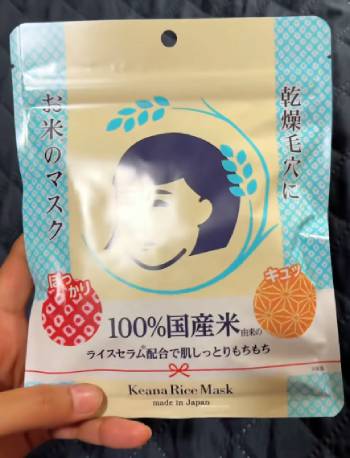
My initial introduction to this mask felt incredibly promising, especially given the thick, lush texture of the sheet material itself.
The first evening I opened the resealable multi-pack pouch, a distinct, subtle scent of fermented sake wafted out, which immediately set a relaxing, ritualistic mood in my bathroom.
I carefully unfolded the thick cotton cloth, noting that it felt far more substantial than the flimsy, paper-thin sheet masks I normally buy at the grocery store.
As I pressed it onto my cleaned, lightly dried face, the cold serum provided an instant cooling sensation that felt deeply refreshing after a long, exhausting workday.
The fit around my cheeks and jawline felt remarkably secure, requiring very little adjustment, although I did notice the eye cutouts were slightly cramped and narrow.
During those first ten minutes, I genuinely believed I had found my new absolute favorite skincare staple because my skin felt intensely cooled and saturated with liquid.
The turning point occurred roughly forty-eight hours after my second consecutive application.
I woke up, walked over to the bathroom mirror, and felt a wave of pure shock when I noticed a cluster of small, angry red bumps forming across my forehead and along my jawline.
My skin barrier, which has successfully adapted to high-strength prescription retinoids over several years, suddenly felt highly sensitized, uncomfortably tight, and itchy.
Instead of the plump, refined, poreless look promised by the packaging, my face appeared congested, uneven, and visibly inflamed.
The rich, heavy residue left behind by the serum had refused to absorb completely overnight, creating a sticky, suffocating film that clogged my pores rather than clearing them.
Realizing that my experience closely mirrored the negative feedback from other buyers who suffered texturized breakouts and yeast issues, I had to stop using it entirely to let my complexion heal.
Detailed Maintenance and Usage Tips
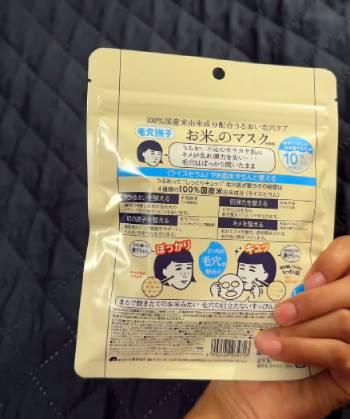
If you still want to try the remainder of your multi-pack without completely destroying your barrier, proper maintenance and application strategies are absolutely vital.
- Storing Your Multi-Pack Correctly:
The multi-pack zipper pouch requires absolute precision to keep the serum from evaporating into thin air before you finish all ten sheets.
Always store the bag completely flat on a shelf rather than standing upright, as this guarantees the remaining liquid distributes evenly across every single piece of cloth.
Wipe down the plastic tracks of the zip closure with a dry tissue after every use to prevent crusty serum buildup from ruining the airtight seal.
- Adjusting Your Leave-On Time:
Never leave this sheet on your skin past the recommended ten-minute mark under any circumstances.
When a sheet mask begins to dry out on your face, an physical process called reverse osmosis occurs, where the dry cloth starts sucking moisture back out of your skin cells.
If your room has a low humidity level, remove the cloth after seven minutes to protect your moisture barrier from drying out.
- Managing Post-Application Residue:
Because the serum contains a high concentration of polymers that create a thick layer, you should never leave the sticky film to sit on your skin overnight.
Take a clean cotton pad soaked in a basic, alcohol-free toner and gently wipe down your face right after removing the sheet.
This simple step removes the suffocating residue while keeping the base hydration intact, significantly lowering your chances of waking up with clogged pores.
The Analytical Breakdown Of Pros And Cons
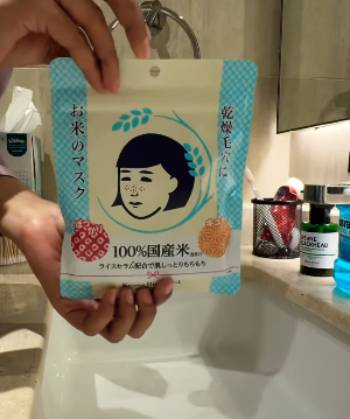
To give you an objective, balanced view of why this product causes such a massive divide among skincare enthusiasts, we need to look closely at both its benefits and its significant drawbacks.
The Positive Attributes:
- Immediate surface hydration: The combination of glycerin and fermented rice filtrate delivers an instant rush of water to the very top layer of your skin.
- Temporary plumping effect: Your fine lines look noticeably softer for an hour or two right after removal because the tissue swells slightly with surface moisture.
- Thick cotton material: The Japanese-produced cloth sheets feel durable and hold a generous amount of serum without dripping down your neck.
- Accessible price point: Buying a multi-pack bag containing ten individual sheets makes it an incredibly affordable option per use compared to luxury brands.
- Soothing temperature response: Keeping the package stored inside your refrigerator creates an excellent cooling treatment that temporarily minimizes facial puffiness.
The Negative Drawbacks:
- High alcohol content: The formula relies heavily on simple alcohol to speed up drying time, which can rapidly strip away your natural lipid barrier over time.
- Pores remain completely unchanged: Despite marketing claims targeting large pores, the temporary surface swelling does nothing to structurally alter or reduce your actual pore size.
- Sticky residual film: The serum leaves a heavy, tacky layer on top of your skin that feels uncomfortable and refuses to sink in seamlessly.
- Triggers fungal acne: Fermented rice byproducts can feed specific types of skin yeast, leading to stubborn, tiny forehead bumps and texturized irritation.
- Small eye cutouts: The physical shape of the sheet features narrow eye openings that easily allow the stinging, alcohol-heavy serum to seep into your eyes.
- Fragile packaging seal: The plastic resealable zip on the multi-pack can lose its grip over time, causing the remaining sheets to dry out prematurely.
- Paraben preservatives included: Those who prefer modern, clean skincare formulations might find the inclusion of methylparaben quite unappealing for daily use.
Also Read: My Experience With Higherdose Red Light Face Mask
Keana Rice Mask Vs. Other Brands
To help you find an alternative that might suit your specific routine much better, let us examine how this product compares directly with five other popular options on the market.
- Keana Rice Mask Vs. I’m From Rice Toner
The I’m From Rice Toner offers a completely different experience because it relies on a clean, minimal formula that skips the heavy polymers and simple alcohols found in the Keana sheets.
I love how the liquid consistency sinks effortlessly into my skin layers without leaving a single trace of sticky residue behind.
It uses seventy-seven percent organic rice extract to gently brighten dull areas, making it infinitely superior for sensitive skin types prone to regular clogging.
You get long-term, genuine suppleness rather than a temporary surface swell, making it a much smarter investment for your daily routine.
- Keana Rice Mask Vs. SK-II Facial Treatment Mask
The luxury SK-II Facial Treatment Mask uses Pitera, a highly refined, proprietary yeast ferment filtrate that targets cellular regeneration rather than simple surface hydration.
While the Keana version feels thick and relies on glycerin to fake a plumping effect, SK-II delivers an unmistakable, crystal-clear glow that improves overall skin texture over time.
The price difference is undeniably massive, but the SK-II sheet material fits the contours of your face flawlessly without irritating your eyes.
If you want real, scientifically backed fermentation benefits without the risk of a broken barrier, saving up for SK-II makes far more sense.
- Keana Rice Mask Vs. LuLuLun Pure Balance Mask
The LuLuLun Pure Balance Mask is designed specifically for daily maintenance, utilizing a lightweight, water-like essence that never leaves a heavy, suffocating film over your pores.
Unlike the Keana multi-pack, which frequently causes congestion due to its dense formula, LuLuLun focuses on balancing your natural microbiome with gentle ingredients like cranberry extract.
The sheets are packed in a highly durable, user-friendly box dispenser that keeps every single mask saturated perfectly down to the very last drop.
It provides a reliable, everyday hydration boost that plays nicely under your morning makeup without causing sudden breakouts.
- Keana Rice Mask Vs. Beauty of Joseon Centella Asiatica Calming Mask
The Beauty of Joseon Centella Asiatica Calming Mask is a phenomenal alternative if you currently suffer from redness, active acne, or a highly sensitized skin barrier.
While the Keana sheet tends to worsen inflammation due to its high alcohol content, the Beauty of Joseon version floods your skin with soothing centella extract.
The actual sheet cloth is incredibly thin and breathable, allowing your pores to breathe comfortably throughout the entire fifteen-minute treatment process.
It leaves your face feeling completely calm, deeply hydrated, and refreshed, without any of the tacky, troublesome residue that triggers fungal breakouts.
- Keana Rice Mask Vs. House of Dohwa Rice Wash Off Mask
The House of Dohwa Rice Wash Off Mask provides a traditional, creamy approach to rice-based skincare without forcing your skin to absorb a heavy, leave-on serum.
You massage the soft, plush paste onto your skin, enjoy the cooling sensation for ten minutes, and then rinse it away fully with lukewarm water.
This rinsing process completely eliminates the risk of leaving a pore-clogging film behind, which is the main flaw of the Keana sheet format.
It refines your surface texture beautifully and washes off cleanly, leaving your skin looking immediately brightened, soft, and completely refreshed.
Also Read: My Experience With Hime Sama LED Face Mask
Frequently Asked Questions (FAQs)
The primary marketed benefit is immediate, temporary surface hydration that plumps up dead skin cells using rice-derived ingredients and heavy humectants. It works to give your complexion a brief, dewy glow right after application, making your skin feel softer to the touch for a short period.
Based on my analytical review and the high volume of negative customer feedback regarding breakouts, I do not believe it is worth the risk to your skin barrier. The heavy, sticky formula and high alcohol content can easily cause fungal acne and clogged pores, completely outweighing its low price tag.
You should leave the sheet on your face for a maximum of five to ten minutes, ensuring you remove it while it still feels damp. Leaving it on any longer allows the cotton cloth to dry out, which reverses the hydration process and pulls moisture straight out of your skin.
While it does work to provide an instant, short-lived boost of moisture, it fails to deliver any permanent or long-term reduction in pore size. The visible smoothing effect disappears within a few hours, meaning it does not offer the lasting structural improvements that high-quality skincare should provide.
Final Thoughts
Stepping back to look at the complete picture, it becomes obvious that this product is a classic case of viral marketing overshadowing real-world performance.
The initial allure of traditional Japanese rice ingredients and an affordable price point makes it incredibly tempting for anyone searching for smooth, poreless skin.
However, the reality of its heavy, alcohol-laden formula and the suffocating film it leaves behind makes it a highly risky gamble for the average consumer.
If you are still completely determined to see how your skin reacts to it, you should buy this product from a verified, authorized J-beauty supplier to ensure you are at least testing an authentic package.
Ultimately, because of the recurring issues with stubborn breakouts, clogged pores, and barrier irritation reported by so many users, I cannot recommend adding this specific mask to your routine.
Your skin deserves stable, high-performance formulations that nourish your barrier without triggering a wave of congestion, so looking toward cleaner, rinse-off alternatives is the wisest choice you can make.