If you want to understand the exact differences between two generations of combo machines, I will guide you through this comparison to discover which sewing and embroidery machine truly fits your creative workspace.
Brother Se600 Vs. Se700 Head-To-Head Comparison Table
| Feature Matrix | Brother SE600 Machine | Brother SE700 Machine |
| Embroidery Area | 4 x 4 inches | 4 x 4 inches |
| Wireless Connectivity | Not available | Wireless LAN enabled |
| Built-In Embroidery Designs | 80 designs | 135 designs |
| Built-In Lettering Fonts | 9 fonts | 10 fonts |
| Built-In Sewing Stitches | 103 stitches | 103 stitches |
| Mobile App Support | Not supported | Artspira App compatible |
| Display Screen Type | 3.2-inch Color Touchscreen | 3.7-inch Color Touchscreen |
| Design Transfer Method | USB Cable Connection Only | Wireless / USB Port Combination |
| Auto Thread Cutter | Manual button control | Advanced automatic system |
| Workspace Dimension | Standard layout | Expanded 6.4 x 4.0 inches |
My Real-World Experience with Both Machines
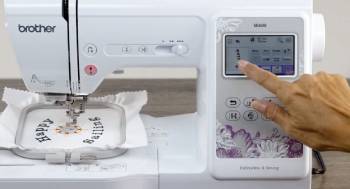
When you first unbox a combo machine, you immediately realize how much space you save by combining two complex crafting disciplines into a single sturdy chassis.
I spent several months testing both models in my dedicated sewing space, creating everything from custom denim patches to intricate quilt blocks.
The older model welcomed me with its incredibly familiar layout, featuring a sharp color screen that made selecting simple decorative stitches a straightforward task.
I remember setting it up to embroider a small floral emblem onto a linen towel, which required saving the design onto an external flash drive, physically plugging that drive into the side slot, and using the stylus to drag the pattern into alignment.
The machine stitched reliably, moving at a steady pace that felt highly secure for a beginner-friendly product.
However, when I upgraded my workspace to test the newer model, the difference in workflow execution felt immediate and incredibly modern.
The very first night I used it, I did not have to hunt for a clean USB thumb drive or run back and forth to my laptop computer.
I sat comfortably on my couch, opened the dedicated Artspira application on my mobile phone, sketched out a simple custom line drawing with my finger, and sent it directly through my home internet network to the machine across the room.
The machine beeped quietly to confirm receipt of the file, and within minutes, the needle mechanism was actively tracing my sketch onto a scrap piece of canvas.
The physical workspace also felt noticeably more open on the updated model.
When manipulating larger pieces of fabric, like bulky winter jackets or heavy cotton tote bags, the extra clearance to the right of the needle assembly made it significantly easier to prevent fabric bunching.
You quickly learn that micro-innovations like a smoother automatic thread cutter drastically change how much enjoyment you extract from a long, complex embroidery session.
While both systems created identical, crisp stitch patterns within their restricted boundaries, the modern variant removed the minor daily friction points that used to slow down my creative process.
Maintenance Protocols for Peak Mechanical Health
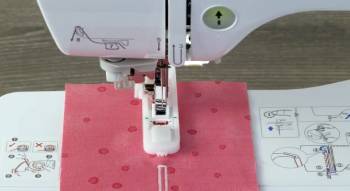
- Bobbin Case Cleansing Routine
Keeping your internal hook assembly clean is paramount because embroidery projects generate significant amounts of lint.
You must turn off the physical power switch completely before removing the clear cover plate and needle plate screws.
Use the provided small brush to sweep away compacted fabric fibers from the dark bobbin basket walls.
Avoid using compressed canned air because the force pushes fine lint deeper into the internal motor gears.
Wipe the silver race track assembly with a lint-free cloth to clear away oil residue every month.
- Needle Inspection and Replacement Rules
Using a dull or bent needle causes skipped stitches and can permanently score your silver throat plate.
You should change the needle after every eight hours of continuous embroidery runtime or after completing one large, dense project.
Ensure you insert the flat side of the needle shank facing toward the back of the machine body.
Tighten the clamp screw securely with the disc-shaped screwdriver to prevent micro-wobbles during fast directional changes.
Always match the needle size precisely to the thickness of your background fabric textile.
Comprehensive Performance Assessment of the Brother SE600
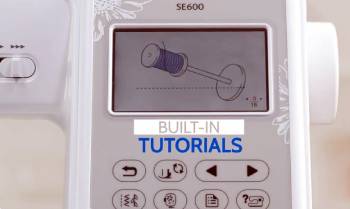
Key Strengths and Performance Pros:
- The traditional combo model continues to hold high value for crafters who prefer an isolated, computer-independent device that operates entirely without a local network setup.
- The physical touchscreen screen offers vivid color contrast, ensuring you can accurately preview thread color combinations before lowering the presser foot.
- The sewing performance is incredibly robust, tackling thick denim layers, multiple folds of cotton quilting fabric, and lightweight synthetic materials without dropping stitches.
- The balance of the machine frame prevents extreme vibrations when the mechanical arm moves at its peak stitching speeds.
- The automatic needle threader functions consistently, preventing eye strain when swapping out contrasting thread spools frequently.
- The accessory bay contains seven distinct snap-on sewing feet, eliminating the need to buy extra components for basic garment construction.
- The lower drop-in bobbin chamber features a clear plastic window, allowing you to monitor your remaining thread levels at a quick glance.
- The physical buttons on the faceplate react instantly, providing tactile assurance when triggering the reinforcement stitch feature.
Significant Design Vulnerabilities and Cons:
- Limited Embroidery Workspace: The small boundary prevents you from tackling large-scale jacket backs or wide banner designs without physically splitting the pattern files and re-hooping the target fabric multiple times.
- Outdated Transfer Dependency: The absolute reliance on physical USB storage drives means you cannot update your design library if your home computer lacks traditional type-A connection slots.
- Screen Size Constraints: The layout screen requires precise stylus inputs because the compact menu buttons can be difficult to navigate accurately with wider fingertips.
- Footwear Clearance Limitations: The presser foot lift height provides minimal space when attempting to slide ultra-thick fleece layers or insulated quilt batting under the needle assembly.
- Stitch Library Restrictions: The pre-loaded design inventory lacks modern aesthetic patterns, forcing you to constantly purchase individual third-party files to match current style trends.
Also Read: Comparison Of Janome HD 3000 Vs. HD 5000
Detailed Evaluation of the Brother SE700

Key Structural Advantages and Pros
- The updated machine brings high-speed wireless integration to the domestic sewing table, making digital design coordination an effortless experience.
- The primary highlight is the seamless mobile application connectivity, enabling you to create original vectors on a tablet and execute them instantly.
- The expanded internal memory bank holds significantly larger file patterns without slowing down the operating system interface.
- The physical work surface area provides better structural support for heavy fabrics, reducing the risk of accidental fabric drag ruining the embroidery alignment.
- The enhanced automatic thread cutting system trims both top and bottom threads closer to the textile surface, saving time during final garment cleanup.
- The library of built-in decorative elements is expanded, giving you immediate access to trendy script fonts and intricate borders right out of the retail carton.
- The motor assembly operates with a slightly quieter acoustic profile, making it much more pleasant to use late at night.
- The inclusion of an eighth specialized foot ensures you are fully equipped for complex monogramming tasks immediately.
Notable Product Limitations and Cons
- Network Infrastructure Vulnerability: The advanced transfer features fail completely if your home internet connection experiences instability or if the companion mobile application undergoes system maintenance.
- Enhanced Price Premium: The initial retail acquisition cost demands a higher financial investment compared to older classic sewing platforms.
- Hoop Scale Consistency: Despite the body modifications and larger workspace, the maximum physical embroidery area remains locked at a small boundary, disappointing users who expected an expanded framing field.
- Learning Interface Adaptations: Moving from direct physical file storage to a cloud-based mobile ecosystem requires patience for crafters who are uncomfortable using smartphones for production workflows.
- Bobbin Thread Sensitivity: The internal tension mechanisms are factory tuned tightly, causing frequent thread breaks if you attempt to use low-grade, generic embroidery thread spools.
Also Read: My Thoughts On Bernette Sewing Machine
Frequently Asked Questions (FAQs)
The manufacturer phase-out occurred to allow the introduction of modern wireless technology across their entry-level product collections. The older system relied exclusively on wired USB hardware connections, which did not align with modern consumer expectations for mobile application integration and cloud-based file management.
Yes, it functions beautifully as a reliable, modern dual-purpose machine for home crafters and beginner embroiderers. The combination of precise stitch formation, wireless file transfers, and excellent mobile application compatibility makes it a stellar performer for personalizing garments and lightweight accessories.
It can handle basic quilt piecing and free-motion quilting on small projects like table runners, pillows, or baby blankets. However, the limited physical throat space makes manipulating large twin or king-sized quilts incredibly difficult and exhausting for avid quilters.
The ideal option depends entirely on your specific project scale requirements and financial parameters. For home hobbyists who want cutting-edge mobile connectivity within a reasonable budget, the wireless variant stands out, while professional businesses usually require multi-needle systems with giant hoop frames.
Final Thoughts
When you weigh all the performance factors, you can see that both dual-function systems deliver beautiful stitch quality, but the wireless model easily wins if you want a future-proof workflow that lets you design anywhere.