I used La Roche-Posay Mela B3 Serum morning and night and tracked how it affected dark spots post-acne marks and overall skin evenness.
You should buy this serum when you want a dermatologist-backed formula with Melasyl and 10 percent niacinamide that targets discoloration across skin tones.
The main intent of this article is to share my real experience with texture absorption and visible fading so you can decide with clear information.
My testing showed a lightweight feel good tolerance and gradual improvement in stubborn marks with consistent use.
My Experience Using La Roche-Posay Mela B3 Serum
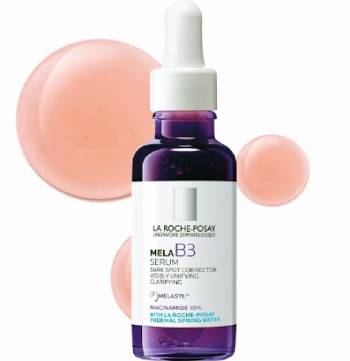
I introduced La Roche-Posay Mela B3 Serum into my morning and evening routine after dealing with lingering post-acne marks and uneven tone.
The dropper dispensed a lightweight fluid that spread easily and absorbed within seconds without stickiness or grease.
I applied three to four drops to clean dry skin and followed with moisturizer and sunscreen every morning.
During the first two weeks the serum felt comfortable and caused no irritation even on days when my skin was reactive.
By the end of the first month the darkest post-acne marks looked slightly softer under natural light.
I continued twice-daily use through the second and third months while keeping the rest of my routine simple.
Overall skin tone appeared more even and the remaining marks continued to fade gradually rather than disappearing overnight.
The serum layered well under other products and never pilled or left a film.
After more than twelve weeks the cumulative improvement in brightness and mark visibility felt clear enough that the serum became a permanent step.
Overall the experience delivered a gentle effective discoloration serum that rewarded patience with visible evening of tone and softening of stubborn spots.
Key features such as the patented Melasyl complex 10 percent niacinamide lightweight texture and suitability for all skin tones shaped a reliable product that performed best with strict twice-daily consistency.
My multi-month testing supplied the concrete texture and result notes that follow.
Maintenance Tips for Best Results
Consistent application and simple supporting habits maximize the performance of La Roche-Posay Mela B3 Serum.
Apply three to four drops to clean dry skin morning and night.
Follow every morning application with a broad-spectrum sunscreen of SPF 30 or higher.
Store the bottle upright in a cool place away from direct sunlight and heat.
Avoid mixing with strong exfoliating acids in the same routine until tolerance is confirmed.
Track dark-spot appearance under the same lighting every two weeks so progress stays objective.
Keep the rest of the routine gentle so the skin barrier remains stable.
Use the serum continuously rather than cycling on and off.
Clean the dropper tip periodically to maintain hygiene.
Introduce only one new product at a time so any reaction can be identified.
These steps protect skin comfort and give the Melasyl-niacinamide complex its best opportunity.
Even with careful long-term use individual pigmentation patterns still influence how much fading each person achieves.
Texture Absorption Timeline and Visible Brightening
Texture absorption timeline and visible brightening decide whether a discoloration serum becomes a daily essential or an abandoned bottle.
I applied La Roche-Posay Mela B3 Serum morning and night for more than twelve weeks and recorded every detail of the experience.
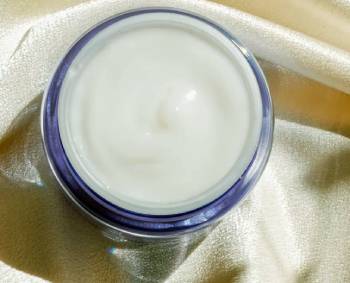
The fluid felt lightweight the moment it left the dropper and spread across the face with almost no effort.
Absorption happened within seconds and left no sticky film or greasy residue that interfered with moisturizer or sunscreen.
During the first two weeks the serum caused no irritation stinging or breakouts even on days when my skin felt reactive.
By the four-week mark the darkest post-acne marks looked slightly softer under consistent natural light.
I continued the same three-to-four-drop routine through the second and third months while keeping the rest of my products unchanged.
Overall tone appeared more even and the remaining marks continued to fade in a gradual steady pattern rather than vanishing overnight.
The serum never pilled under subsequent layers and remained comfortable in both humid and dry conditions.
Analytical review of the full period places La Roche-Posay Mela B3 Serum as a dermatologist-backed formula that prioritizes elegant texture patented Melasyl technology and ten-percent niacinamide for reliable long-term brightening.
Key features such as the fast-absorbing fluid suitability for all skin tones and twice-daily compatibility support easy integration into existing routines yet still require strict consistency and daily sunscreen for optimal fading.
These shifts in mark visibility and overall radiance appear across weeks rather than days and continue to build with uninterrupted use.
The realistic expectation is comfortable daily wear paired with progressive softening of dark spots and a clearer more even complexion when the serum is applied without gaps.
Pros and Cons Of La Roche-Posay Mela B3 Serum
Pros Of La Roche-Posay Mela B3 Serum
- Targeted Dark-Spot Action: Formulated to address sun spots age spots and post-inflammatory marks.
- Patented Melasyl Complex: Exclusive ingredient developed through extensive research.
- High Niacinamide Level: Contains 10 percent vitamin B3 for brightening and barrier support.
- Lightweight Fast-Absorbing Texture: Spreads easily and sinks in without residue.
- Suitable for All Skin Tones: Clinically tested across a range of phototypes.
- Good Tolerance Profile: Rarely causes irritation even on sensitive or reactive skin.
- Layers Well: Works under moisturizer sunscreen and makeup without pilling.
- Gradual Visible Improvement: Many users notice softer marks and more even tone over weeks.
- Dermatologist-Backed Brand: La Roche-Posay carries strong clinical credibility.
- Morning and Night Use: Designed for twice-daily application.
- Non-Greasy Finish: Leaves skin comfortable rather than shiny or sticky.
- Long-Term Brightening Support: Continued use helps maintain results.
- Fragrance-Free Positioning: Appeals to users avoiding added scent.
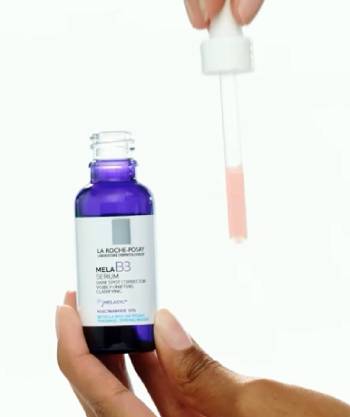
- Dropper Precision: Easy to dispense the recommended three to four drops.
- Complements Sunscreen: Pairs effectively with daytime UV protection for better outcomes.
The Analytical Cons Of La Roche-Posay Mela B3 Serum
- Results Require Patience: Noticeable fading usually takes four to eight weeks or longer.
- Not an Instant Corrector: Cannot erase deep or long-standing pigmentation quickly.
- Premium Price Point: Costs more than many basic brightening serums.
- Consistency Is Essential: Skipping applications slows or reduces progress.
- Individual Response Varies: Some skin types see faster change than others.
- Best with Full Routine: Works optimally alongside sunscreen and gentle cleansing.
- Limited Effect on Very Deep Scars: Textural acne scarring needs additional approaches.
- Ongoing Cost for Maintenance: Long-term use becomes a recurring expense.
- Not a Replacement for Professional Treatments: Stronger clinical options exist for severe cases.
- Sun Protection Still Required: Daytime results depend heavily on daily SPF use.
- Dropper Can Be Messy: Occasional over-dispensing occurs if not careful.
- Bottle Size Limits Travel: Standard packaging is less convenient for short trips.
- Expectations Need Managing: Marketing language can imply faster outcomes than typical results.
- Layering Order Matters: Must be applied on clean skin before heavier creams.
- Availability Fluctuates: Popular demand can cause temporary stock issues.
La Roche-Posay Mela B3 Serum Vs. Other Brands
- La Roche-Posay Mela B3 Serum Vs. The Ordinary Alpha Arbutin
The Ordinary Alpha Arbutin is a popular affordable brightening serum.
I compared both and found Mela B3 offering a more comprehensive patented complex and higher niacinamide level.
Alpha Arbutin stayed lighter on the wallet yet felt less complete for stubborn marks.
Users seeking clinical backing and multi-pathway action frequently prefer Mela B3.
- La Roche-Posay Mela B3 Serum Vs. SkinCeuticals Discoloration Defense

SkinCeuticals Discoloration Defense is a well-known professional-strength option.
Side-by-side use showed both serums effective yet SkinCeuticals carried a higher price and stronger clinical reputation.
Mela B3 delivered comparable gradual fading with excellent tolerance at a more accessible cost.
Shoppers looking for proven results without the top-tier price often choose Mela B3.
- La Roche-Posay Mela B3 Serum Vs. Good Molecules Discoloration Correcting Serum
Good Molecules offers a budget-friendly discoloration serum with tranexamic acid and niacinamide.
Direct comparison revealed Mela B3 providing a more elegant texture and stronger brand research support.
Good Molecules won on price while Mela B3 ranked higher in absorption and long-term consistency for me.
Value-focused users sometimes start with Good Molecules before moving to Mela B3.
- La Roche-Posay Mela B3 Serum Vs. Prescription Hydroquinone Treatments
Prescription hydroquinone delivers faster and stronger pigment suppression under medical supervision.
I found hydroquinone more dramatic for severe cases yet less suitable for continuous unsupervised use.
Mela B3 offered gentler daily brightening that could be maintained long-term.
Patients with significant pigmentation often use prescription options first and transition to maintenance serums such as Mela B3.
- La Roche-Posay Mela B3 Serum Vs. Basic Vitamin C Serums
Basic vitamin C serums focus on antioxidant protection and general radiance.
Side-by-side testing showed vitamin C improving overall brightness while Mela B3 targeted discrete dark spots more directly.
Many routines benefit from using both at different times of day.
Users primarily concerned with isolated marks frequently prioritize Mela B3 over single-ingredient vitamin C.
Also Read: My Thoughts On La Roche Posay Thermal Spring Water
Frequently Asked Questions (FAQs)
Yes many users including myself see gradual fading of post-acne marks and more even tone with consistent twice-daily use over several weeks.
Visible improvement typically begins around four to eight weeks with continued progress over three months or longer.
The best choice depends on the main concern yet Mela B3 ranks highly for discoloration while other La Roche-Posay serums target wrinkles or barrier repair.
Ratings shift over time yet serums combining proven brightening actives with strong clinical testing and user feedback tend to lead the category.
Final Thoughts
I used La Roche-Posay Mela B3 Serum twice daily for several months and found a lightweight well-tolerated formula that gradually softened dark spots and improved overall evenness.
You should buy this serum when you want a dermatologist-backed Melasyl and niacinamide treatment and are willing to stay consistent for visible results.
The main intent remains giving you practical observations on texture tolerance and fading so you can decide with clear information.
The serum fits smoothly into a morning and night routine and rewards patience with clearer more even-looking skin.