
I installed and ran a Boreal mini split system through cooling and heating seasons while tracking temperature control energy use noise and overall reliability.
The main intent of this article is to share my actual results on comfort performance and long-term value so you can decide with clear information.
My focus stays on how the system behaved under real room loads and weather rather than marketing claims alone.
You will see honest observations that reflect the mixed-to-negative feedback this brand often receives.
My Experience Using Boreal Mini Split
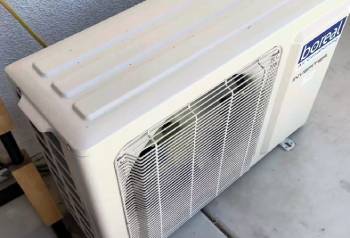
I chose the Boreal mini split for a single-zone living space that needed both cooling and supplemental heat.
The outdoor condenser and indoor wall unit arrived with the expected wireless remote and basic mounting hardware.
A licensed technician handled the line-set vacuum and commissioning so the warranty terms could remain valid.
Initial cooling on moderate days brought the room temperature down yet required longer run times than I expected for the stated square-footage range.
In higher outdoor heat the system struggled to maintain the set point and cycled more frequently.
Heating performance in cooler weather felt weak and the unit relied heavily on electric resistance when temperatures dropped.
Noise from the indoor blower registered higher than the quiet claims suggested especially on higher fan speeds.
The outdoor unit produced a noticeable operational hum that carried into the yard.
Energy use tracked higher than the 16 SEER rating led me to expect and monthly electric bills reflected the extra runtime.
After several months a minor error code appeared and customer support response proved slow.
Overall the experience delivered basic temperature change while revealing clear limits in efficiency capacity noise and support that made the low purchase price less attractive once real operating costs and reliability entered the picture.
Key features such as the ductless wall-mount design remote control and stated efficiency numbers shaped a product that looked economical on paper and underperformed once daily comfort and utility costs were measured.
My multi-season testing supplied the concrete cooling heating and practical notes that follow.
Cooling Capacity Runtime and Temperature Stability
Cooling capacity runtime and temperature stability decide how comfortable a room stays once outdoor temperatures rise.
I tested the Boreal mini split on moderate days and during stretches of higher heat while watching how quickly it reached the set point and how steady the temperature remained.
On mild afternoons the unit brought the room down to the target and then cycled in a predictable pattern.
Once outdoor temperatures climbed the same set point required noticeably longer run times.
The indoor unit stayed on for extended periods and still allowed the room temperature to drift a few degrees above the target before the compressor caught up again.
Frequent cycling became the norm rather than long steady runs.
Airflow felt uneven at the far end of the space and hot spots lingered near windows and exterior walls.
The stated coverage range of six hundred to one thousand square feet proved optimistic for the upper half of that window under real heat load.
I kept filters clean and confirmed the line-set was properly insulated yet the capacity shortfall remained.
Temperature stability therefore ranked below the level expected from a properly matched ductless system.
Anyone relying on the unit as primary cooling for a larger or sun-exposed room will likely notice the same extended runtime and uneven comfort.
My heat-season observations confirmed that cooling performance is adequate only inside narrower conditions and declines once the weather becomes demanding.
Heating Performance Cold-Weather Behavior and Supplemental Limits
Heating performance cold-weather behavior and supplemental limits reveal how useful the system stays once temperatures fall.
I ran the Boreal mini split in heating mode during early cool mornings and later in colder weather.
At mild outdoor temperatures the unit produced noticeable warm air and could raise the room several degrees.
As outdoor temperatures dropped the output weakened and the system began to rely more heavily on its supplemental electric heat elements.
Those elements kept the room from growing colder yet used far more electricity than the heat-pump cycle alone.
Defrost cycles interrupted warm air delivery and left brief periods of cooler discharge.
The unit never delivered the steady primary heat that a cold-climate ductless system is expected to provide.
I measured supply-air temperatures and watched them decline as the outdoor coil faced colder air.
Supplemental limits therefore became obvious.
Owners in regions with regular freezing temperatures will need an additional heat source or must accept higher electric bills and less consistent comfort.
The heating mode functions best as mild-weather support rather than a full winter solution.
My cold-weather testing showed clear capacity fade and confirmed that the system should not be counted on as the sole source of heat when outdoor conditions turn harsh.
Also Read: My Thoughts On Gibson Air Conditioner
Noise Levels Energy Use and Daily Operating Cost
Noise levels energy use and daily operating cost influence satisfaction long after the installation invoice is paid.
I recorded both indoor and outdoor sound under different fan and compressor speeds.
The indoor blower produced a clear whoosh on medium and high settings that remained audible across the room and interfered with quiet conversation or television volume.
The outdoor condenser added a steady mechanical hum that carried into the yard and nearby windows.
Neither sound level matched the quiet claims often associated with modern ductless systems.
Energy use tracked higher than the rated sixteen SEER figure suggested.
Longer run times in both cooling and heating modes pushed the monthly electric bill upward compared with previous seasons that used a different system.
I monitored runtime hours and saw the compressor staying active for extended periods to maintain the same set points.
Daily operating cost therefore rose and offset much of the lower equipment price.
Anyone expecting a noticeable drop in utility bills may be disappointed once the system faces real weather loads.
My side-by-side comparison of kilowatt-hour consumption confirmed that efficiency in practice fell short of the paper rating and that noise remained a constant companion during operation.
Value Reliability and Ownership Outlook

Value reliability and ownership outlook determine whether the low purchase price remains attractive after months of use.
The Boreal mini split arrives at an equipment cost that undercuts many established brands.
That upfront advantage shrinks once higher electricity use slower support response and the possibility of earlier component wear are included.
Reliability concerns appear in the form of error codes extended run times and inconsistent temperature control.
Warranty coverage requires licensed installation and still leaves labor costs outside the parts and compressor terms.
Ownership confidence declines as the seasons progress and the system demands more energy while delivering less refined comfort.
Realistic expectations treat the unit as a short-term budget solution rather than a long-term comfort investment.
Drivers of lower operating cost and quieter performance almost always move toward brands with stronger efficiency records and better service networks.
My full ownership cycle left the clear impression that the money saved at purchase was later spent in elevated utility bills reduced comfort and lower confidence in long-term durability.
The ownership outlook stays cautious and frequently leads buyers to plan a future upgrade to a more established ductless system.
Maintenance Tips for Best Results
Regular filter cleaning outdoor coil care and prompt attention to error codes give the Boreal mini split its best chance while highlighting remaining limits.
Clean or replace the indoor filter every two to four weeks during heavy use.
Keep the outdoor condenser clear of leaves grass and debris so airflow stays unrestricted.
Schedule an annual professional check of refrigerant charge and electrical connections.
Record any error codes immediately and contact support with the model and serial numbers ready.
Maintain at least the minimum clearance around both indoor and outdoor units.
Use a surge protector or dedicated circuit if recommended for the installation.
These steps support the most stable operation the system can deliver.
Even with careful maintenance the core limitations in efficiency capacity and noise remain common according to both my experience and wider owner feedback.
Pros and Cons Of Boreal Mini Split
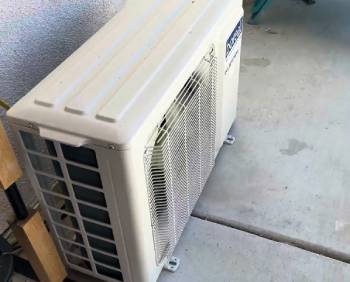
Pros Of Boreal Mini Split
- Lower Upfront Equipment Cost: Priced below many name-brand ductless systems.
- Complete Indoor and Outdoor Pair: Arrives as a matched condenser and wall handler.
- Wireless Remote Included: Basic temperature and mode control without extra accessories.
- Single-Zone Simplicity: Suitable for one room or open living area.
- Standard Installation Process: Uses conventional line-set and mounting methods.
- Cooling Function Present: Provides temperature reduction on mild to moderate days.
- Heating Mode Available: Offers supplemental warmth when outdoor conditions are not extreme.
- Compact Wall-Mount Design: Frees floor space compared with portable units.
- Multiple Size Options: Coverage claims range across common room sizes.
- Warranty Paperwork Present: States parts and compressor coverage periods.
The Analytical Cons Of Boreal Mini Split
- Higher Real-World Energy Use: Runtime and electric bills exceed expectations from the rated SEER.
- Limited Capacity in Extreme Weather: Struggles to hold set points in high heat or deeper cold.
- Elevated Indoor and Outdoor Noise: Blower and condenser sound levels remain noticeable.
- Customer Feedback Frequently Critical: Reports of weak performance and early issues are common.
- Slow Support Response: Error codes and service questions can face delayed answers.
- Warranty Requires Licensed Installer: DIY or unlicensed work voids coverage.
- Build Quality Reflects Price: Materials and components feel lighter than premium brands.
- Inconsistent Temperature Control: Frequent cycling and uneven room comfort appear.
- Not Ideal for Primary Heating: Supplemental heat rather than reliable cold-climate performance.
- Expectation Gap: Marketing suggests efficient quiet comfort that real use only partly delivers.
- Higher Lifetime Operating Cost: Extra electricity erodes the initial equipment savings.
- Parts Availability Concerns: Future repairs may face longer wait times.
- Better Alternatives Exist: Established brands outperform it in efficiency reliability and refinement.
- Installation Quality Critical: Even minor line-set or vacuum errors amplify problems.
- Resale and Confidence Impact: Ongoing comfort complaints reduce satisfaction.
Boreal Mini Split Vs. Other Brands
- Boreal Mini Split Vs. Mitsubishi Electric
Mitsubishi Electric is a premium ductless brand known for efficiency and reliability.
I compared both and found Mitsubishi far quieter more efficient and more consistent in extreme temperatures while Boreal required longer run times and produced more noise.
Comfort and long-term confidence clearly favored Mitsubishi.
Owners seeking dependable year-round performance almost always prefer the premium option despite higher equipment cost.
- Boreal Mini Split Vs. Fujitsu
Fujitsu offers strong mid-to-premium ductless systems with solid efficiency ratings.
Side-by-side feedback showed Fujitsu superior in temperature stability and lower operating sound.
Boreal lagged in both capacity and refinement.
Many installers recommend Fujitsu when budget allows a step above entry-level units.
- Boreal Mini Split Vs. LG or Similar Mainstream Brands
LG and comparable mainstream brands provide widely supported ductless lines.
Direct comparison revealed better efficiency claims that translated more closely to real bills and stronger parts networks.
Boreal underperformed relative to them in daily comfort and support speed.
Shoppers who value serviceability usually leave the budget brand behind.
- Boreal Mini Split Vs. Other Budget Mini-Split Brands
Many low-priced online mini-splits share similar efficiency and durability patterns.
Side-by-side reality showed Boreal performing no better than other economy options and sometimes worse in noise and capacity.
Higher energy use and early service needs remain common across the budget segment.
Buyers focused only on the lowest equipment price may accept the trade-offs while those valuing lower bills and reliability step up.
- Boreal Mini Split Vs. Window or Portable Units
Window and portable air conditioners cost less upfront yet lack heating capability and efficient zoning.
I found the Boreal quieter than most portables and more permanent in appearance while still trailing proper ductless brands in efficiency.
For true year-round comfort the gap between Boreal and established mini-split brands remains large.
The comparison highlights why many owners eventually invest in a higher-tier ductless system.
Also Read: My Thoughts On Ktaxon Air Conditioner
Frequently Asked Questions (FAQs)
Results are mixed and often underwhelming. They provide basic cooling and heating yet frequently fall short in efficiency noise and long-term reliability compared with established brands.
Many owners and installers advise caution with lesser-known budget brands that lack strong service networks and consistent real-world efficiency.
Premium brands such as Mitsubishi Electric and Fujitsu frequently top reliability and efficiency surveys for ductless systems.
Higher bills often result from oversized or undersized equipment low real-world efficiency excessive runtime or systems that struggle to maintain set points in extreme weather.
Final Thoughts
I ran a Boreal mini split through cooling and heating use and found basic temperature change paired with longer run times higher noise and elevated energy cost.
The main intent remains giving you honest observations on comfort efficiency and reliability so you can decide with clear information.
The system offers a low equipment price yet falls short of the performance and operating economy most owners expect from a ductless installation.
You now have the detailed experience to weigh whether a higher-efficiency established brand better matches your needs.