I installed a 2-pack of Bionic solar flood lights around my yard and tested them for several weeks of evening motion detection and overnight performance.
You should buy these flood lights when you want simple wireless solar security lighting that turns on with motion and covers dark corners without any electrical work.
The main intent of this article is to share my real experience with brightness detection range and daily reliability so you can decide with clear information.
My testing showed solid motion activation useful coverage and easy setup that improved visibility in previously dark outdoor areas.
My Experience Using Bionic Flood Lights
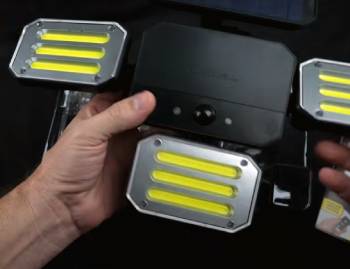
I mounted one Bionic flood light on a wall near the patio and placed the second on a ground stake along the side path.
Installation took only a few minutes using the included hardware and required no tools beyond a basic screwdriver for the wall unit.
During the first sunny day both units charged without issue.
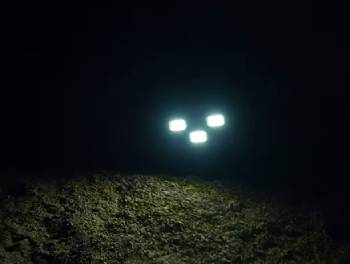
At night the motion mode activated reliably when I walked into the detection zone about twenty to twenty-five feet away.
The three adjustable heads let me aim light across the patio steps and a dark corner by the fence.
Five hundred lumens proved bright enough to see clearly for short tasks and to check on the dogs when they went outside.
The lights stayed on for roughly thirty seconds after motion stopped which felt brief for longer activities.
I solved that by positioning the two units so one would trigger as the other timed out.
Eco mode provided a soft continuous glow yet drained the charge faster on consecutive cloudy days.
After several weeks of rain and temperature swings the housings showed no obvious water entry and the lights continued to function.
Overall the experience delivered convenient solar motion lighting that improved nighttime visibility and required almost no ongoing effort beyond occasional panel cleaning.
Key features such as the wireless solar design triple adjustable heads and dual operating modes shaped a product that performed well for basic yard and entryway coverage.
My multi-week testing supplied the concrete brightness detection and practical notes that follow.
Brightness Coverage and Real-World Visibility
Brightness coverage and real-world visibility decide whether the lights feel effective.
I tested activation across the patio walkway and a side yard section.
Five hundred lumens lit the intended zones well enough to walk safely and observe pets.
Large open areas needed careful head aiming or additional units for full coverage.
The light quality stayed white and usable rather than dim or overly yellow.
Motion Detection Runtime and Mode Behavior
Motion detection runtime and mode behavior influence nightly satisfaction.
Detection triggered consistently inside the stated range.
The thirty-second on-time required overlapping coverage from two units for longer activity.
Eco mode provided continuous light at the cost of faster battery drain.
Most nights I preferred Motion mode for reliability.
Also Read: My Experience With Regenalight Vs. Omnilux
Installation Flexibility and Ownership Practicality
Installation flexibility and ownership practicality form major advantages.
Wall and ground options let me place lights exactly where dark spots existed.
No electrician or special tools were required.
Ongoing ownership stayed simple beyond panel cleaning and occasional repositioning.
The low purchase price made adding extra units realistic when coverage gaps appeared.
Maintenance Tips for Best Results
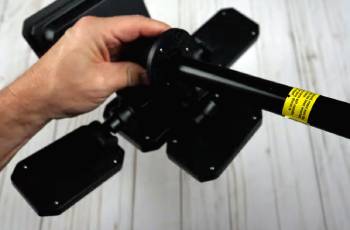
Simple placement and occasional care help Bionic flood lights deliver consistent nighttime performance.
Mount or stake the units where the solar panel receives several hours of direct sun each day.
Avoid deep shade from trees roofs or fences that block charging.
Aim the three LED heads at the specific zones you want covered and test activation after dark.
Wipe the solar panel with a soft damp cloth every few weeks to remove dust pollen and debris.
Check the motion path periodically and trim plants that grow into the detection zone.
Use Motion mode for longest runtime and switch to Eco mode only when continuous light is needed.
In winter or extended cloudy periods expect shorter performance and consider supplemental lighting if critical.
These steps keep the lights functional through changing seasons.
Even with good care the units perform best as convenient supplemental lighting rather than a permanent high-output wired solution.
Pros and Cons Of Bionic Flood Lights
Pros Of Bionic Flood Lights
- Completely Wireless Solar Power: No electrical wiring or monthly power cost.
- Fast Tool-Light Installation: Wall mount or ground stake options take only minutes.
- Useful Motion Detection Range: Activates reliably from roughly twenty to twenty-five feet.
- Three Adjustable LED Heads: Direct light exactly where coverage is needed.
- 500 Lumens Brightness: Sufficient for pathways patios and small yard zones.
- Two Operating Modes: Motion-only or continuous Eco glow for different needs.
- IP65 Weatherproof Build: Handles rain snow and temperature changes.
- Wide Coverage Potential: Designed to light large outdoor areas when heads are aimed well.
- Included Hardware Kit: Everything needed for mounting arrives in the box.
- Good for Renters and Homeowners: No permanent electrical changes required.
- Automatic Dusk Operation: Charges by day and activates at night without switches.
- Affordable Multi-Pack Format: Two lights provide flexible placement options.
- Low Ongoing Maintenance: Mostly limited to occasional panel wiping.
- Immediate Security Feel: Dark corners become visible the first night.
- Works in Off-Grid Spots: Functions anywhere the sun can reach the panel.
The Analytical Cons Of Bionic Flood Lights
- Short Motion On-Time: Lights typically shut off after about thirty seconds.
- Brightness Limited Compared with Wired Floods: Five hundred lumens suits small to medium zones rather than large properties.
- Performance Depends on Sun Exposure: Cloudy stretches reduce runtime and intensity.
- Eco Mode Drains Faster: Continuous glow shortens the charge on consecutive overcast days.
- Durability Still Unproven Long-Term: Extended multi-year reliability remains less documented.
- No Motion Sensitivity Adjustment: Detection threshold is fixed.
- Panel Placement Critical: Shaded locations charge poorly and limit usefulness.
- Plastic Housing Feel: Functional yet not as robust as heavy commercial fixtures.
- Replacement Cycle Expected: Budget solar lights often need eventual replacement.
- Not a Full Security System: Provides lighting only without cameras or alerts.
- Heat and Extreme Cold Effects: Very high or low temperatures can influence battery behavior.
- Aiming Requires Experimentation: Optimal head angles take a night or two to perfect.
- Limited for Very Large Yards: Multiple additional units become necessary for full coverage.
- Customer Expectations Vary: Some users want longer on-times or higher lumen output.
- Basic Feature Set: Lacks advanced scheduling or app control found on premium models.
Bionic Flood Light Vs. Other Brands
- Bionic Flood Light Vs. Ring Solar Path and Security Lights
Ring offers solar lighting options often integrated with its camera and app ecosystem.
I compared both and found Ring superior in smart features and ecosystem connectivity while the Bionic lights delivered simpler standalone brightness at a lower cost.
Installation stayed easier with the Bionic units.
Users who already own Ring cameras frequently prefer the matched system while those wanting basic motion lighting often choose the Bionic style.
- Bionic Flood Light Vs. LITOM and Similar Amazon Solar Floods
LITOM and comparable Amazon solar floods share similar lumen claims and motion features.
Side-by-side consideration showed largely equivalent brightness and detection performance.
Build quality and long-term consistency varied by specific batch more than by brand name.
Shoppers comparing budget solar floods often decide on current price and included mounting options.
- Bionic Flood Light Vs. Hardwired LED Security Flood Lights
Hardwired LED floods provide higher continuous brightness and unlimited runtime.
Direct comparison revealed the wired units superior for large areas and all-night illumination.
The Bionic lights won on zero installation cost and placement flexibility.
Homeowners with existing electrical access usually prefer hardwired fixtures for primary security lighting.
- Bionic Flood Light Vs. Higher-Lumen Commercial Solar Lights
Commercial solar floods often claim one thousand lumens or more and larger battery packs.
I found those units brighter and longer-running yet noticeably more expensive.
The Bionic lights remained adequate for typical residential pathways and patios.
Buyers with bigger properties or higher brightness needs frequently step up to the commercial tier.
- Bionic Flood Light Vs. Basic Stake Path Lights
Simple solar path lights offer low-level guidance lighting without strong motion response.
Side-by-side observation showed the Bionic units far brighter and more useful for security and task visibility.
Path lights suit decorative edges while the flood style covers functional zones.
Most users who need to see clearly at night prefer the higher-output motion floods.
Also Read: Comparison Of Headlight Armor Vs. Lamin X For Fog Lights
Frequently Asked Questions (FAQs)
In motion mode the lights typically stay on for about thirty seconds after movement stops. Eco mode provides continuous low-level light until the charge is depleted.
Yes the lights charge by day and activate with motion at night when the solar panel receives adequate sun.
Results depend on needs. Wired LED brands lead for permanent high-output use while solar options vary by lumen rating battery size and weather sealing.
Owner feedback frequently notes easy installation useful motion detection and adequate brightness for small to medium outdoor areas along with wishes for longer on-times.
Final Thoughts
I installed and used Bionic flood lights for several weeks and found convenient solar motion lighting that improved nighttime visibility with almost no setup effort.
You should buy these flood lights when you want wireless coverage for pathways patios and dark corners without electrical work or ongoing power costs.
The main intent remains giving you practical results on brightness detection and ownership so you can decide with clear information.
The lights perform reliably for basic residential security and task lighting when placed in sunny locations and aimed carefully.