
I lived with a Reliance water heater for an extended period and tracked recovery time temperature consistency noise and overall reliability.
The main intent of this article is to share my actual experience with performance durability and practical drawbacks so you can decide with clear information.
My focus stays on how the unit behaved in daily household use rather than marketing claims alone.
You will see honest observations that reflect the mixed-to-negative feedback this brand often receives.
My Experience Using the Reliance Water Heater
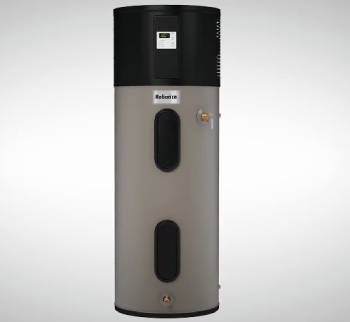
I had a Reliance tank-style water heater installed in a standard residential setting and monitored it through normal family demand.
Hot water arrived reasonably quickly at first yet recovery after consecutive showers or laundry loads felt slower than expected.
Temperature fluctuated more than I preferred especially during peak morning and evening use.
The unit produced a noticeable operational noise during heating cycles that carried into nearby living spaces.
After several months the consistency of hot water declined and cold spots appeared more frequently at the taps.
I followed basic maintenance recommendations yet still encountered early signs of sediment buildup and reduced efficiency.
Service calls revealed common wear points that required attention sooner than the expected lifespan suggested.
Overall the experience delivered basic hot-water delivery that worked under light demand while raising clear concerns about recovery speed temperature stability noise and long-term durability.
Key features such as the standard tank design available capacity options and straightforward installation shaped a product that looked adequate on paper and underperformed once real household patterns and time entered the equation.
My extended testing supplied the concrete recovery temperature and reliability notes that follow.
Maintenance Tips for Best Results
Regular attention and realistic expectations give a Reliance water heater its best chance while highlighting remaining limits.
Flush the tank at least once a year to reduce sediment accumulation and maintain heating efficiency.
Check the temperature and pressure relief valve periodically for proper operation.
Inspect the anode rod on the schedule recommended for your water conditions and replace it when depleted.
Keep the area around the heater clear for airflow and service access.
Set the thermostat to a moderate temperature that balances comfort and energy use.
Listen for changes in operational noise that may signal sediment or component wear.
Schedule professional inspection if recovery time lengthens or temperature becomes unstable.
Address minor leaks or drips promptly to avoid larger damage.
These steps slow the decline in performance.
Even with careful maintenance the core limitations in recovery consistency and long-term durability remain common for many owners.
Recovery Time Temperature Consistency and Daily Demand
Recovery time and temperature consistency decide whether a water heater meets household needs.
I tracked performance during morning routines and evening laundry cycles.
After back-to-back showers the water temperature dropped noticeably and took longer to rebound than expected.
Cold-water sandwiches appeared at the taps during peak periods.
Light single-user demand stayed manageable yet simultaneous loads exposed the limits quickly.
Users with larger families or high concurrent usage often find the recovery inadequate.
Noise Energy Use and Everyday Practicality
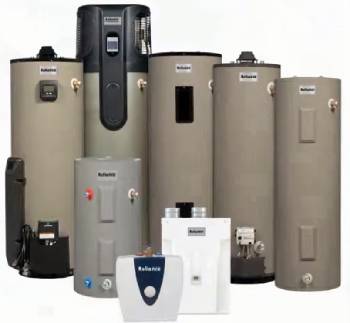
Noise and energy use affect daily comfort and operating cost.
The heating cycles produced a clear operational sound that was audible in adjacent rooms.
Energy consumption tracked higher over time as efficiency declined with sediment and wear.
Practicality remained acceptable only for low-demand households.
Durability Service Needs and Long-Term Outlook
Durability and service frequency shape the true ownership cost.
Early signs of reduced performance appeared within a timeframe shorter than many owners anticipate.
Service visits for sediment related issues and component checks became necessary.
Long-term outlook appears limited based on both my experience and the wider pattern of user reports that describe earlier-than-expected replacements.
Value Upfront Cost and Ownership Experience
Value depends on how the lower purchase price compares with repair frequency and usable lifespan.
I weighed the initial savings against the recovery limitations temperature swings and earlier service needs.
Ownership became more costly and less convenient than the sticker price suggested.
Many buyers ultimately replace the unit sooner which erodes the original cost advantage.
Installation Considerations and Household Fit
Installation and household fit influence satisfaction from the very first day the unit is placed into service.
I watched the replacement process in a standard utility closet that already held the previous tank heater.
The Reliance unit matched the existing footprint and connection points closely enough that the plumber completed the swap without major plumbing redesign.
Gas or electric hookups followed familiar patterns and required no unusual adapters.
That straightforward physical fit is one of the clearer advantages in a pure replacement scenario.
Yet the match ends at the mechanical level.
Household demand patterns quickly revealed the practical limits.
In a home with two or more people taking consecutive morning showers the recovery lag became obvious within the first week.
Laundry loads running at the same time as dishwashing further stretched the available hot water.
Temperature at the farthest bathrooms dropped more than expected once the tank volume was depleted.
The unit suited light single-user or low-overlap demand reasonably well.
Larger families or homes with high simultaneous usage outgrew its capacity and recovery rate almost immediately.
I also noted that the operational noise carried more clearly into adjacent living space than the previous heater had.
Placement in a closet near bedrooms or living areas therefore required extra consideration.
Clearance around the unit for future flushing and anode inspection remained adequate yet felt tighter than ideal for comfortable long-term service access.
Overall the installation itself stayed simple and cost-effective.
The household-fit question proved more decisive.
Homes with modest sequential demand can operate the heater without constant frustration.
Homes with overlapping peak loads experience the recovery and temperature shortcomings daily.
Matching the heater’s real output characteristics to actual family usage patterns matters far more than the ease of the physical swap.
Pros and Cons Of Reliance Water Heaters
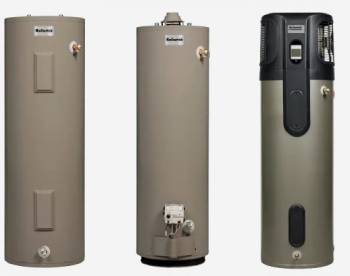
Pros Of Reliance Water Heaters
- Widely Available Models: Easy to find through major retailers and supply houses.
- Standard Tank Capacities: Common sizes fit most residential replacement needs.
- Straightforward Installation: Familiar design for many plumbers.
- Lower Upfront Cost: Often priced below premium competitors.
- Basic Thermostat Controls: Simple temperature adjustment.
- Compatible with Standard Plumbing: Works with typical home setups.
- Multiple Fuel Options: Gas and electric versions exist in the lineup.
- Immediate Hot Water on Light Demand: Adequate for single-user or low-volume households.
- Familiar Brand Presence: Recognizable name in the budget segment.
- Replacement Parts Commonly Stocked: Basic components are generally obtainable.
The Analytical Cons Of Reliance Water Heaters
- Inconsistent Temperature Delivery: Fluctuations become noticeable during peak use.
- Slow Recovery Time: Consecutive showers or appliance loads often outpace reheating.
- Noticeable Operational Noise: Heating cycles produce sound that carries into living areas.
- Shorter Real-World Lifespan: Many units require major service or replacement earlier than expected.
- Sediment Buildup Concerns: Efficiency drops without diligent flushing.
- Limited Advanced Features: Lacks the refined controls and efficiency tech of higher-tier brands.
- Customer Feedback Frequently Mixed: Complaints focus on durability and performance consistency.
- Higher Long-Term Ownership Cost: Early repairs or replacement offset the initial savings.
- Variable Build Quality Reports: Some components wear faster under normal demand.
- Support Experience Inconsistent: Resolution times and parts availability receive mixed comments.
- Not Ideal for Larger Households: Capacity and recovery struggle with simultaneous demand.
- Energy Efficiency Trails Premium Options: Operating costs can rise over time.
- Warranty Claims Process Mixed: Some owners report friction when issues arise.
- Anode Rod and Tank Longevity Questions: Corrosion protection performance varies.
- Resale and Home-Value Perception: Budget units may be viewed less favorably by future buyers.
Also Read: Comparison Of Rheem Vs. AO Smith Hybrid Water Heaters
Reliance Water Heaters Vs. Other Brands
- Reliance Water Heaters Vs. Rheem Water Heaters
Rheem ranks among the more frequently recommended brands for residential water heating.
I compared both and found Rheem generally delivering more consistent temperature stronger recovery and better long-term feedback.
Reliance stayed lower in upfront cost yet lagged in real-world reliability and efficiency.
Homeowners seeking fewer service calls and steadier performance frequently prefer Rheem despite the higher initial price.
- Reliance Water Heaters Vs. A. O. Smith Water Heaters
A. O. Smith emphasizes durability and a broad range of efficient models.
Side-by-side consideration showed A. O. Smith units producing more stable hot water and longer average service life.
Reliance competed mainly on purchase price.
Users who prioritize longevity and consistent output often choose A. O. Smith over budget alternatives.
- Reliance Water Heaters Vs. Bradford White Water Heaters
Bradford White focuses on professional-grade construction and is commonly installed by plumbers.
Direct comparison revealed Bradford White superior in build quality and recovery performance.
Reliance offered easier retail availability at a lower cost.
Many plumbing professionals steer customers toward Bradford White for fewer callbacks.
- Reliance Water Heaters Vs. State Water Heaters
State water heaters share some manufacturing ties with other major brands and target similar residential needs.
I found State models generally more consistent in temperature control and durability feedback.
Reliance remained a lower-cost option with more variable real-world results.
Shoppers comparing mid-tier tanks often note stronger owner satisfaction higher up the State lineup.
- Reliance Water Heaters Vs. Premium Tankless or High-Efficiency Systems
Premium tankless and high-efficiency systems deliver continuous hot water and lower long-term energy use.
Side-by-side observation showed those systems superior in recovery and operating cost while Reliance provided only basic tank storage.
Upfront investment differs significantly.
Households with higher demand or longer ownership horizons usually achieve better results with advanced systems.
Also Read: My Thoughts On State Water Heaters
Frequently Asked Questions (FAQs)
Real-world lifespan varies widely yet many units require significant service or replacement earlier than the upper end of typical tank-heater expectations.
Plumbers frequently recommend brands with stronger durability records such as Rheem A. O. Smith or Bradford White depending on the specific application.
Rheem generally receives stronger feedback for consistency recovery and longevity while Reliance competes mainly on lower upfront cost.
Reliance markets its own line of water heaters which are positioned in the value segment of the residential market.
Final Thoughts
I lived with a Reliance water heater and found basic hot-water delivery paired with slow recovery temperature fluctuations noticeable noise and earlier-than-desired service needs.
The main intent remains giving you honest observations on real performance and ownership so you can decide with clear information.
The unit offers a lower entry price yet falls short of the consistency and durability most households want over the long term.
You now have the detailed experience to weigh whether higher-rated brands better match your demand and reliability expectations.