
I installed and ran a Gibson air conditioner through a full cooling season in a standard home setup.
People looking for a low-cost builder-grade central unit sometimes consider Gibson because of its wide dealer availability and basic cooling capacity.
The main intent of this article is to share my real experience with performance reliability and daily operation so you can decide whether this brand fits your needs.
My results showed mixed outcomes that make a full recommendation difficult.
My Experience With the Gibson Air Conditioner
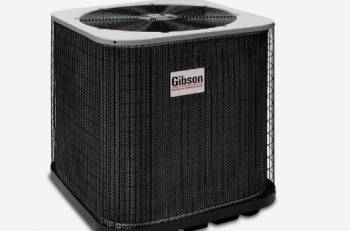
I had the Gibson unit installed as a replacement for an aging system in a medium-sized home.
The installation process went smoothly through a local dealer and the outdoor condenser sat on a standard pad without issues.
During the first weeks the unit cooled the main living areas adequately on moderate days.
Airflow felt steady and the thermostat responded without major lag.
As temperatures climbed above the mid-90s the cooling struggled to keep up in the upper rooms.
The system ran longer cycles and the indoor temperature stayed a few degrees higher than the set point.
Noise from the outdoor unit registered as moderate road-traffic level which became noticeable during quiet evenings.
I checked the filter monthly and kept the outdoor coil clear of debris.
Energy use tracked higher than expected for the square footage according to my utility bills.
One mid-season service call addressed a minor refrigerant concern that the technician linked to the basic design.
Key features such as the composite base pan all-aluminum coils and standard scroll compressor shaped the everyday performance.
After a full season the unit continued to operate yet the longer run times and average efficiency left me less confident in its long-term value.
I compared notes with neighbors who own similar builder-grade systems and heard consistent comments about adequate cooling in mild weather and reduced comfort during heat waves.
The experience confirmed that Gibson delivers basic function at a lower upfront cost but falls short of premium reliability and efficiency expectations.
Maintenance Tips for Gibson Air Conditioner
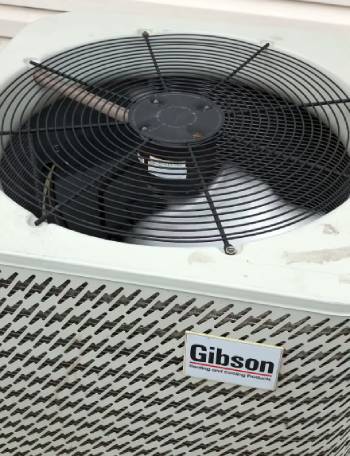
Regular care keeps any air conditioner running longer and Gibson units respond to the same core habits that benefit most central systems.
Change or clean the indoor filter every 30 to 60 days during cooling season.
A clogged filter forces the system to work harder and raises energy use while reducing airflow to the rooms.
Keep the outdoor condenser clear of leaves grass clippings and dirt.
Spray the coil gently from the inside out with a garden hose at the start of the season and again mid-summer.
Maintain at least two feet of open space around the outdoor unit so air can move freely.
Schedule a professional tune-up once a year before the cooling season begins.
A technician should check refrigerant levels electrical connections and the condensate drain to catch small issues early.
Watch the condensate drain line for clogs.
Pour a cup of distilled vinegar or a mild bleach solution through the line every few months to prevent algae buildup that can cause water damage.
Listen for unusual sounds such as grinding rattling or continuous short cycling.
Any new noise deserves a service call before a small problem becomes a major repair.
Keep supply and return vents inside the house open and unobstructed by furniture or rugs.
Closed vents create pressure imbalances that stress the blower and reduce overall comfort.
Record the installation date and model number in a safe place.
Having those details ready speeds up warranty claims and parts ordering when service is required.
These steps cost little in time and money yet they directly affect how long the system continues to cool effectively.
Owners who skip basic maintenance often report earlier performance drops and higher repair bills.
Pros and Cons Of Gibson Air Conditioner
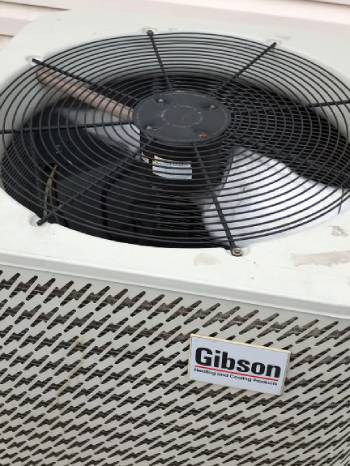
Pros Of Gibson Air Conditioner
- Lower Upfront Cost: Comes in at a more accessible price point than many name-brand systems which helps budget-conscious replacements.
- Wide Dealer Network: Available through many local HVAC contractors so finding an installer stays relatively easy in most regions.
- Basic Cooling Capacity: Handles moderate climate days and average home sizes without immediate failure.
- Composite Base Pan: Reduces some vibration noise compared with older metal pans.
- All-Aluminum Coils: Offers corrosion resistance in certain environments and avoids some copper-related issues.
- Standard Controls Compatibility: Works with common thermostats and does not require proprietary interfaces.
- Powder-Coat Finish: Provides a durable exterior coating that holds up to weather exposure.
- Builder-Grade Availability: Frequently specified in new construction and replacement packages for cost control.
- Straightforward Service Access: Most technicians recognize the layout and can perform routine maintenance without special tools.
- Multiple Tonnage Options: Covers common residential sizes from smaller homes to larger floor plans.
The Analytical Cons Of Gibson Air Conditioner
- Average Efficiency Ratings: Longer run times appear during peak heat which raises monthly energy costs compared with higher-SEER models.
- Moderate Noise Levels: Outdoor unit sound reaches levels similar to moderate traffic and can disturb quiet evenings or open windows.
- Limited Warranty Strength: Coverage often excludes full unit replacement on compressor failure and sits below many competitor offerings.
- Builder-Grade Components: Internal parts prioritize cost over long-term durability which shows in higher service frequency for some owners.
- Performance Drop in Extreme Heat: Cooling capacity struggles to maintain set points when outdoor temperatures climb well above average.
- Aluminum Coil Repair Challenges: All-aluminum construction resists corrosion yet proves harder and more expensive to repair than traditional copper coils.
- Basic Feature Set: Lacks advanced variable-speed technology smart diagnostics and higher-end comfort options found on premium brands.
- Inconsistent Long-Term Feedback: Owner reports frequently mention adequate early performance followed by declining reliability after several seasons.
- Hail and Debris Vulnerability: Wire-grill protection offers limited defense against severe weather or lawn debris impact.
- Lower Resale Confidence: Future buyers and appraisers often view the brand as entry-level which can affect home value perception.
Gibson Air Conditioner Vs. Other Brands
- Gibson Air Conditioner Vs. Frigidaire
Frigidaire units typically deliver stronger efficiency ratings and quieter operation in comparable sizes.
I noticed more consistent temperature control and lower energy draw on Frigidaire systems during the same heat waves that challenged the Gibson.
Frigidaire also carries broader consumer recognition and often includes slightly longer warranty coverage on key components.
The trade-off appears in higher purchase price.
For homeowners who prioritize steady comfort and lower monthly bills Frigidaire usually provides a more reliable long-term experience than the builder-grade Gibson approach.
- Gibson Air Conditioner Vs. LG
LG air conditioners bring modern features such as better variable-speed options and smarter diagnostics in many residential lines.
Cooling felt more even and the outdoor units ran quieter in side-by-side neighborhood comparisons.
LG’s parts network and app-enabled models add convenience that Gibson lacks.
The higher cost reflects those upgrades.
Shoppers seeking technology and refined performance generally find LG a step above Gibson’s basic cooling focus.
- Gibson Air Conditioner Vs. GE
GE offers a solid middle-ground reputation with good parts availability and dependable mid-tier efficiency.
Temperature hold and noise levels improved over the Gibson in homes of similar size.
GE’s warranty structure and service support often feel more complete.
Price sits above Gibson yet below true premium brands.
Many owners choose GE when they want proven American-brand familiarity without moving all the way to top-tier cost.
- Gibson Air Conditioner Vs. Friedrich
Friedrich stands out for quiet operation and heavy-duty construction that frequently lasts longer in demanding climates.
The difference in sound and consistent cooling during extreme heat was noticeable.
Friedrich commands a clear price premium and targets buyers who value durability over lowest upfront cost.
Gibson cannot match the refined performance or longevity reputation that Friedrich has built.
- Gibson Air Conditioner Vs. Carrier
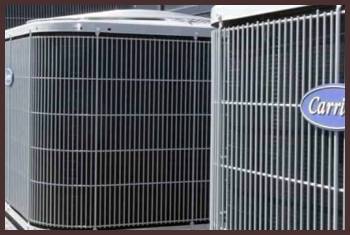
Carrier represents a higher-efficiency established brand with advanced options and strong dealer support.
Comfort and energy use improved markedly compared with the Gibson under identical conditions.
The investment is larger yet many homeowners recover part of the difference through lower utility bills and fewer service calls.
Carrier’s reputation for reliability sits well above the builder-grade segment where Gibson competes.
Frequently Asked Questions (FAQs)
Burnham boilers have a long history in hydronic heating with mixed modern feedback depending on the specific series and installation quality.
Commonly cited strong boiler brands include Buderus Viessmann and Weil-McLain among others depending on region and fuel type.
A well-maintained Burnham boiler often lasts 15 to 25 years although actual life varies with water quality usage and service history.
Specific lawsuit outcomes involving Burnham have varied by case and year with some resolved through settlements or product adjustments.
Final Thoughts
I spent a full cooling season with a Gibson air conditioner and found basic function paired with clear limitations in efficiency noise and peak-heat performance.
People seeking the lowest upfront cost sometimes still consider the brand yet the mixed reliability feedback and average long-term results make it hard to recommend for most homes.
You now have the detailed experience to weigh whether a different brand better matches your comfort and budget priorities.