I used both Revive Essential Oils and Young Living oils for several months in daily diffusion topical blends and household routines under the same conditions.
The main intent of this article is to show the practical differences in purity transparency pricing and everyday results so you can choose the brand that best matches your budget and quality standards.
My focus stays on real scent strength longevity and value rather than marketing claims alone.
You will see how each line performs when independent testing meets proprietary standards.
| Feature | Revive Essential Oils | Young Living |
| Business Model | Direct to consumer non MLM | Multi level marketing |
| Testing Transparency | Public third party GC MS reports | Proprietary Seed to Seal process |
| Price Position | Significantly lower | Premium higher |
| Best For | Affordable pure oils and blend alternatives | Community and extensive product range |
| Key Strength | Independent lab verification | Farm to bottle control claims |
| Sourcing Focus | Distillers and producers with published tests | Seed to Seal commitment |
My Experience Testing Both Brands Side by Side
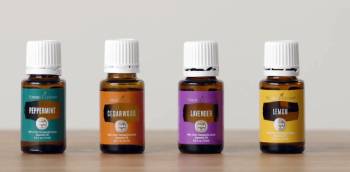
I started with Young Living single oils and popular blends for diffusion and diluted topical use.
The scents felt strong and familiar from years of community recommendations.
Lavender and peppermint performed as expected in evening routines and cleaning sprays.
Prices added up quickly when building a full collection.
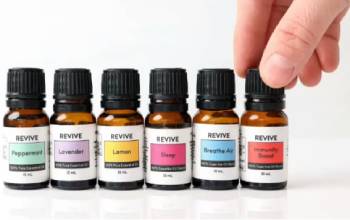
I then switched to matching Revive oils and their alternative blends for the next block of months.
The aroma profiles matched closely on core singles like lemon lavender and peppermint.
Diffusion filled rooms with comparable strength and the oils layered well in roller blends.
Cost per bottle dropped noticeably which made consistent daily use easier to maintain.
I returned to Young Living for a short comparison period and found the sensory experience similar yet the budget impact returned.
Both brands delivered pleasant lasting scents when used properly diluted.
Key features such as Revive public GC MS reports and Young Living Seed to Seal process shaped every practical difference.
My extended side by side use supplied the concrete purity value and routine notes that follow.
Purity Testing and Transparency
Purity and testing transparency form the core of trust in essential oils.
Revive publishes third party GC MS reports from Essential Oil University for every lot.
I reviewed multiple batch reports and found clear data on composition without fillers or synthetics.
Young Living follows its Seed to Seal process covering sourcing distillation and internal standards.
The company emphasizes control from farm to bottle yet does not routinely publish individual GC MS reports for public lot by lot review.
Both claim pure therapeutic grade oils free from additives.
Analytical review of verification places Revive ahead for open independent data and Young Living ahead for proprietary vertical control claims.
Key features of Revive include batch specific third party testing available online.
Key features of Young Living include the Seed to Seal commitment spanning cultivation to bottling.
Real bottle comparisons confirmed both produced strong clean aromas when quality matched the intended use.
Pricing Value and Accessibility
Pricing and value decide how sustainably you build and maintain a collection.
Revive oils and blends cost substantially less per milliliter than equivalent Young Living products.
I replaced several high use singles and found the monthly spend dropped by roughly half while scent performance stayed consistent.
Young Living prices reflect the multi level structure and broader product ecosystem including supplements and home items.
Accessibility differs as well.
Revive ships direct without distributor requirements.
Young Living often involves joining through a member for full access and community support.
Analytical scoring of everyday value places Revive ahead for cost efficiency and Young Living ahead for those who value the network and expanded line.
Key features of Revive include competitive pricing on both singles and popular blend alternatives.
Key features of Young Living include the wide catalog and member education resources.
Real budget tracking confirmed Revive made consistent high quality use more realistic for long term routines.
Scent Performance and Daily Use
Scent performance and daily usability determine how the oils fit real life.
Both brands produced vibrant top notes and lasting dry downs on core oils like lavender peppermint and citrus.
I diffused the same recipes and found room fill comparable when drop counts matched.
Topical diluted blends felt similar on skin with no irritation under proper dilution.
Revive alternatives to well known Young Living blends performed close enough for household and personal use.
Young Living offered a larger ready made blend selection and supporting products.
Analytical review of practical results calls both effective with the choice driven by budget versus community preferences.
Key features of both include pure plant derived oils suitable for diffusion and diluted application.
Real daily diffusion and roller use confirmed reliable aromatic and wellness support from either brand when quality and dilution stayed consistent.
Pros and Cons Of Revive Essential Oils
Pros Of Revive Essential Oils
- Public Third Party Testing: Every lot receives independent GC MS analysis with reports available for review.
- Lower Price Point: Oils and blends cost significantly less than premium MLM alternatives while maintaining quality.
- Direct to Consumer Model: No distributor requirement or recruitment pressure for purchasing.
- Blend Alternatives: Offers close matches to popular formulas at accessible prices.
- Transparent Purity Claims: Emphasizes nothing added or removed with supporting lab data.
- Easy Online Ordering: Straightforward website purchase and shipping without membership steps.
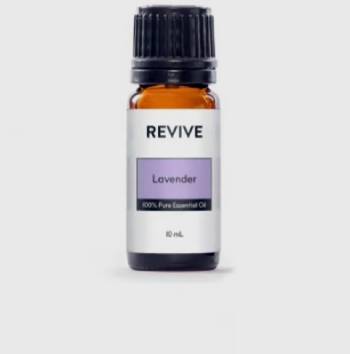
- Strong Core Oil Performance: Singles like lavender lemon and peppermint deliver vibrant lasting scent.
- Independent Chemist Verification: Testing involves recognized experts with essential oil backgrounds.
- Budget Friendly Collection Building: Allows fuller sets without high ongoing spend.
- Focus on Therapeutic Grade Standards: Positions products as pure plant derived options for daily use.
The Analytical Cons Of Revive Essential Oils
- Smaller Brand Recognition: Less established community and history compared with long standing MLM companies.
- Limited Product Ecosystem: Focuses mainly on oils and blends rather than extensive supplements or home lines.
- Newer Market Presence: Shorter track record than brands with decades of distribution.
- Blend Matching Not Identical: Alternatives approximate popular formulas yet may differ slightly in exact ratios.
- Customer Support Scale: Smaller operation can mean less extensive education resources than large networks.
- Availability of Rare Oils: Selection covers essentials and popular items yet may lag on some specialty singles.
- Perception as Dupe Brand: Some users prefer original named blends over alternatives.
- Shipping and Stock Variables: Direct model depends on inventory and fulfillment consistency.
- Less In Person Community: Lacks the local distributor events common in MLM structures.
- Individual Batch Variation Awareness: Public reports help yet require users to check specific lots.
Also Read: My Thoughts On Lagunamoon Essential Oils
Pros and Cons Of Young Living
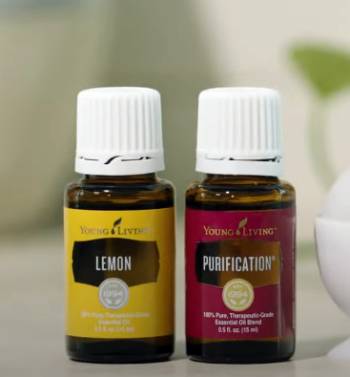
Pros Of Young Living
- Seed to Seal Process: Proprietary system covers sourcing cultivation distillation and quality control.
- Extensive Product Range: Includes oils blends supplements and household items in one ecosystem.
- Strong Community Network: Distributor support and education resources help new users learn application.
- Established Brand History: Long market presence with widespread recognition.
- Farm Partnerships: Emphasizes control over growing and harvesting practices.
- Ready Made Blends: Large selection of proprietary formulas for specific uses.
- Member Educational Materials: Access to training and lifestyle guidance through the network.
- Consistent Brand Experience: Uniform packaging and presentation across the line.
- Global Sourcing Claims: Highlights oils from various regions under the Seed to Seal standard.
- Loyalty and Rewards Structure: Multi level model offers incentives for ongoing engagement.
The Analytical Cons Of Young Living
- Higher Price Point: Premium cost per bottle reflects the multi level distribution structure.
- MLM Business Model: Purchasing and full benefits often involve joining through a distributor.
- Limited Public GC MS Reports: Relies on internal Seed to Seal standards rather than routine lot specific public chromatograms.
- Past Legal and Regulatory Issues: Faced class action settlement over marketing claims and earlier sourcing related matters.
- Recruitment Element: Network marketing can create pressure around building a downline.
- Cost of Building a Collection: Full sets of singles and blends become expensive quickly.
- Therapeutic Grade Scrutiny: Marketing language has drawn regulatory attention in some cases.
- Complexity for Casual Users: Membership and ranking systems add layers beyond simple product purchase.
- Variable Distributor Experience: Quality of guidance depends on the individual sponsor.
- Higher Barrier for Trial: Price and structure can discourage low commitment experimentation.
Also Read: My Thoughts On Pursonic Essential Oils
Frequently Asked Questions (FAQs)
Yes Revive Essential Oils undergo third party GC MS testing with public reports supporting claims of purity without additives or fillers.
Young Living agreed to a class action settlement involving marketing claims about therapeutic benefits and related representations.
Highest rated depends on criteria such as testing transparency price and user priorities with several non MLM brands frequently ranking well for value and verification.
Both emphasize third party testing and accessible pricing so the better choice depends on specific oil selection scent preference and current batch reports.
Final Thoughts
I compared Revive Essential Oils and Young Living through months of real diffusion and daily use to highlight the differences in testing transparency and value.
The main intent remains giving you clear side by side observations on purity pricing and practical performance so you can select the brand that fits your standards and budget.
Revive leads for open testing and affordability while Young Living excels at community resources and extensive product range.
You now have the detailed experience to decide which essential oil line belongs in your routine.