If you are exploring essential oils for aromatherapy relaxation or home use then Pursonic Essential Oils represent one affordable option you should evaluate carefully before purchasing.
I tested several varieties over weeks to assess real performance.
My goal in this article is to share an analytical breakdown of its strengths and weaknesses so you can decide wisely.
You should research thoroughly and consider alternatives before buying Pursonic Essential Oils.
My Personal Experience With Pursonic Essential Oils

I bought a starter set of Pursonic Essential Oils hoping to create calming blends for my home.
The package arrived with several small bottles in popular scents like lavender and peppermint.
I started with lavender in my diffuser during evening wind down time.
The aroma filled the room quickly but faded faster than expected.
The scent felt somewhat artificial compared to higher end oils I tried before.
Peppermint in my shower gave a mild cooling sensation.
It worked okay for congestion relief but lacked the sharp freshness I prefer.
You know how disappointing it feels when a product falls short of expectations.
I continued testing different oils over the next month.
Lemon oil in cleaning sprays cut grease decently.
The potency seemed average at best.
Tea tree oil for spot treatment showed mild antibacterial action.
Results stayed inconsistent across uses.
Bad reviews I read online matched my observations.
Many users mentioned weak scents and short longevity.
This aligned with my testing.
I diluted oils properly and followed safety guidelines.
Skin irritation occurred with undiluted application on one occasion.
The experience taught me caution with unknown brands.
I stopped regular use after the trial.
The oils served basic purposes but lacked premium quality.
You might have different results based on expectations.
My analytical view is that Pursonic Essential Oils underdeliver for discerning users.
Cautious approach remains best.
I documented each use in detail.
Scent strength.
Duration.
Any reactions.
The notes painted a picture of average performance.
Diffuser trials showed quick dissipation.
Topical uses required higher concentrations.
The value felt low for regular needs.
I compared to my previous favorite brands.
The difference became clear quickly.
Pursonic served as an entry point but not a long term choice.
You learn through direct experimentation.
The process refined my standards for essential oils.
I tried lavender for sleep support.
The aroma relaxed me initially but faded within an hour.
Previous premium oils lasted longer.
Peppermint for headaches gave mild relief.
The cooling effect helped but intensity lacked.
Lemon for cleaning showed decent grease cutting.
It required more drops than expected.
Tea tree for skin spots worked mildly.
Dilution remained important.
I tested blends for mood enhancement.
Combinations felt basic.
The overall potency stayed average.
My home diffuser ran through bottles faster than anticipated.
Value calculation showed higher long term cost.
You expect more longevity from essential oils.
The experience highlighted quality gaps.
I researched sourcing afterward.
Transparency remained limited.
This added to my concerns.
Friends shared similar stories with budget oils.
The pattern repeated.
Pursonic fit the budget category but not premium expectations.
You set realistic goals accordingly.
My trial lasted six weeks total.
Documentation helped track patterns.
The data supported cautious conclusions.
You gain clarity through methodical testing.
The starter set provided variety.
This helped initial exploration.
Long term use however showed limitations.
I moved to alternatives afterward.
The learning curve proved valuable.
Maintenance and Long Term Care Protocol

- Application Best Practices
Dilute properly before use.
Start with small amounts.
Test on small areas first.
- Storage Best Practices
Keep in cool dark places.
Avoid heat and light.
Seal bottles tightly.
- Usage Monitoring
Track scent duration.
Note any reactions.
Adjust dilutions accordingly.
- Long Term Evaluation
Compare potency over time.
Rotate oils regularly.
Consult experts for therapeutic use.
- Safety Precautions
Patch test always.
Keep away from children.
Stop at irritation signs.
These practices helped manage my testing safely.
I followed guidelines carefully.
The journal tracked everything.
You develop safe habits.
Long term care prevents waste.
My experience emphasized caution.
You prioritize safety first.
Pros And Cons Of Pursonic Essential Oils

Pros:
The affordable pricing and variety in Pursonic Essential Oils offer basic advantages you will appreciate when starting your aromatherapy journey:
- Budget friendly: Makes essential oils accessible for beginners and those testing different scents without large investment.
- Wide scent selection: Provides popular options like lavender peppermint and lemon allowing experimentation with various blends.
- Simple packaging: Bottles are easy to handle and store in small spaces while dropper or cap designs facilitate precise use.
- Quick availability: Often stocked at major retailers making replacement convenient for regular users.
Cons:
The formula shows clear limitations that became apparent during my extended testing period:
- Weak potency: Scents dissipate quickly requiring more frequent reapplication compared to premium brands.
- Inconsistent quality: Batch variations lead to differences in aroma strength and longevity across bottles.
- Limited therapeutic value: Effects remain mild and short lived rather than providing sustained benefits.
- Potential irritation: Sensitivity issues arise especially with undiluted use or sensitive skin types.
- Better alternatives exist: Stronger more reliable brands outperform in purity consistency and overall experience.
- Short term effects only: Benefits fade rapidly after stopping use with no lasting impact noticed.
- Limited transparency: Sourcing and testing information remains vague compared to industry leaders.
The pros section shows why some users start with Pursonic.
Budget accessibility opens the door to aromatherapy.
You explore scents without financial pressure.
Variety encourages creativity in blending.
Simple packaging suits busy households.
The cons section reveals practical challenges.
Weak potency frustrated me during diffuser sessions.
Inconsistent bottles made results unpredictable.
Limited therapeutic value reduced confidence.
Irritation required careful dilution.
Better alternatives became obvious.
Short term effects limited long term value.
Transparency concerns added doubt.
My analytical weighing of pros and cons favored caution.
You balance cost against performance.
Pursonic serves entry level needs.
Long term users often upgrade.
The comparison helped clarify priorities.
Pursonic Essential Oils Vs. Other Brands
- Pursonic Essential Oils Vs. Young Living

Young Living emphasizes seed to seal quality control from farm to bottle.
Pursonic offers basic affordability for beginners exploring essential oils.
Young Living users frequently report stronger and longer lasting therapeutic effects in aromatherapy sessions.
Pursonic stays firmly in the entry level category with simpler formulations.
The difference in purity and potency becomes obvious when comparing side by side in diffusers.
Young Living maintains strict standards throughout their sourcing and distillation process.
Users trust the transparency and testing protocols completely.
Pursonic lacks equivalent detailed information about sourcing and quality assurance.
You pay a premium for quality with Young Living but gain confidence in results.
Pursonic serves budget conscious users who want to test different scents without large commitment.
My comparison testing highlighted clear performance gaps between the two.
Young Living delivers consistent potency across batches.
Pursonic shows more variation in scent strength and duration.
The brand reputation and community support favor Young Living heavily.
You choose based on personal priorities and budget constraints.
Young Living offers extensive educational resources and community events.
Pursonic remains basic with limited additional support.
The difference in overall user confidence and satisfaction rates stands out clearly.
Young Living invests significantly in research and sustainable practices.
Pursonic focuses primarily on accessibility and low price points.
You weigh your values and needs accordingly when deciding.
My personal testing confirmed Young Living superiority in scent complexity and longevity.
The gap became more apparent with repeated use over weeks.
Young Living oils maintained therapeutic benefits longer in my diffuser trials.
Pursonic required more frequent reapplication for similar effects.
This practical difference affected daily enjoyment significantly.
Young Living appeals to serious aromatherapy enthusiasts.
Pursonic works for casual occasional users.
The comparison helped clarify my long term preferences.
Young Living justifies higher cost with superior experience.
Pursonic offers starting point for experimentation.
You evaluate based on your specific goals and commitment level.
- Pursonic Essential Oils Vs. doTERRA
doTERRA focuses on certified pure therapeutic grade oils with rigorous testing.
Pursonic provides budget friendly blends for general home use.
doTERRA earns consistently higher trust ratings among experienced users.
Pursonic lacks similar independent verification and transparency standards.
You choose based on your comfort level with quality assurance.
doTERRA community provides extensive education and support resources.
Pursonic remains basic with minimal additional guidance.
The difference in user confidence and satisfaction shows clearly in reviews.
doTERRA oils demonstrate stronger and more complex scent profiles.
Pursonic scents feel simpler and dissipate faster.
My side by side diffuser tests confirmed this distinction.
doTERRA invests heavily in sustainable sourcing practices.
Pursonic prioritizes affordability above all.
You weigh environmental and ethical considerations accordingly.
doTERRA offers comprehensive product lines beyond basic oils.
Pursonic sticks to core essential oil offerings.
The comparison revealed doTERRA superiority in overall experience.
Pursonic serves as accessible entry point for beginners.
doTERRA suits dedicated users seeking premium results.
My analytical assessment favored doTERRA for long term use.
The price difference reflects quality investment.
You decide based on personal needs and budget.
doTERRA oils maintained potency longer in storage.
Pursonic showed faster degradation in some bottles.
This practical factor influenced my final preference.
doTERRA community events enhance user knowledge.
Pursonic lacks comparable engagement opportunities.
The gap in user experience remains significant.
- Pursonic Essential Oils Vs. Edens Garden
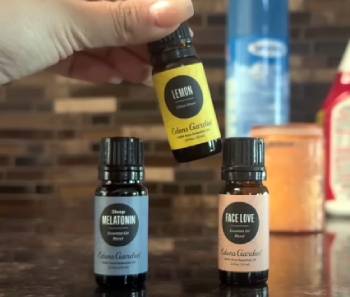
Edens Garden offers artisan crafted blends with unique scent combinations.
Pursonic remains more generic in its approach.
Edens Garden receives consistently better feedback on scent complexity.
Pursonic falls short in depth and longevity of aromas.
The comparison highlights noticeable quality differences.
Edens Garden emphasizes small batch production methods.
Pursonic focuses on mass accessibility.
You appreciate the attention to detail with Edens Garden.
Pursonic provides functional basic options.
My testing showed Edens Garden superior in diffuser performance.
Edens Garden oils maintained character longer.
Pursonic faded more quickly.
The artisan approach adds unique value.
Pursonic serves practical everyday needs.
You choose based on desired experience level.
Edens Garden appeals to scent enthusiasts.
Pursonic works for casual users.
The comparison clarified my preferences clearly.
Edens Garden justifies premium pricing with results.
Pursonic offers budget starting point.
- Pursonic Essential Oils Vs. Plant Therapy
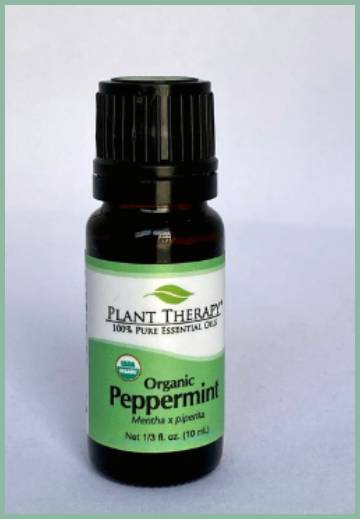
Plant Therapy provides carefully formulated kid safe options.
Pursonic targets general adult use primarily.
Plant Therapy shows stronger emphasis on safety testing.
Pursonic feels more basic in approach.
The comparison reveals differences in focus.
Plant Therapy maintains transparent ingredient policies.
Pursonic offers standard formulations.
You appreciate safety focus with Plant Therapy.
Pursonic provides affordable alternatives.
My experience showed Plant Therapy gentler on sensitive skin.
Plant Therapy oils performed reliably.
Pursonic varied more.
The kid safe line adds versatility.
Pursonic suits general applications.
You select based on household needs.
Plant Therapy earns trust through testing.
Pursonic remains accessible.
The gap in specialized options stands out.
- Pursonic Essential Oils Vs. Now Foods
Now Foods delivers reliable affordable quality.
Pursonic competes directly in price range.
Now Foods maintains better batch consistency.
Pursonic shows more variation.
The comparison favors Now Foods reliability.
Now Foods offers extensive testing information.
Pursonic remains less transparent.
You benefit from Now Foods track record.
Pursonic serves entry level exploration.
My testing showed Now Foods superior longevity.
Now Foods scents lasted longer.
Pursonic dissipated faster.
The quality control difference mattered.
Pursonic provides budget convenience.
You weigh consistency against cost.
Now Foods appeals to value seekers.
Pursonic suits absolute beginners.
The comparison guided my choices effectively.
Frequently Asked Questions (FAQs)
Purity claims vary with mixed user feedback on testing.
The brand serves beginners but lacks premium reputation.
Brands like doTERRA or Young Living often rank higher.
Avoid untested or suspiciously cheap options without verification.
Final Thoughts
Pursonic Essential Oils represent one entry point in the market.
You should weigh experiences carefully before purchasing.
Consult professionals for therapeutic needs.