I wrote this article to compare pink Himalayan salt and Celtic sea salt through real kitchen use so you can decide which one fits your cooking style and mineral preferences.
You will see how each salt tastes behaves in food and what the practical differences mean for everyday seasoning.
Both sit in the unrefined category yet they differ in origin texture moisture and flavor character.
Comparison Between Pink Himalayan Salt Vs. Celtic Sea Salt
| Feature | Pink Himalayan Salt | Celtic Sea Salt |
| Origin | Khewra Salt Mine Pakistan | Coastal France |
| Color and Texture | Pink dry to slightly moist crystals | Grey moist crystals |
| Sodium Level | High similar to table salt | Lower than table salt |
| Key Minerals | Iron oxide plus trace minerals | Magnesium potassium calcium |
| Processing | Mined unrefined | Hand harvested unrefined |
| Common Forms | Fine coarse blocks lamps | Fine and coarse moist |
| Flavor Profile | Mild slightly mineral | Briny earthy oceanic |
| Moisture Content | Generally drier | Naturally moist |
| Typical Kitchen Use | Cooking finishing grinding | Cooking finishing table seasoning |
| Storage Need | Airtight container recommended | Airtight container essential |
I kept a jar of pink Himalayan salt on my counter for years because the color looked attractive and the dry crystals poured easily from a grinder.
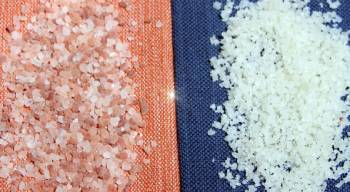
The mild flavor worked well on roasted vegetables grilled meat and even simple avocado toast without overpowering other ingredients.
I also used coarser pieces in a salt mill and occasionally dissolved a small amount in warm water for an evening foot soak.
When I added Celtic sea salt to the rotation the first difference I noticed was the moisture.
The grey crystals felt damp between my fingers and clung to food more readily than the pink salt.
On scrambled eggs the Celtic version spread a deeper briny note while the Himalayan salt stayed lighter and cleaner.
I cooked the same pot of soup with each salt on different nights and the Celtic version gave a more pronounced sea character that reminded me of coastal air.
The pink salt blended into the background and let the other seasonings stand out.
Baking bread with both salts produced normal rises and similar crumb texture once I accounted for the moisture difference in the Celtic crystals.
I started weighing the salt instead of using volume spoons because the damp Celtic salt packed differently than the drier Himalayan crystals.
Storage became a daily habit.
I moved both into glass jars with tight lids and kept them away from the stove so steam would not increase clumping.
The pink salt stayed freer flowing for longer while the Celtic salt needed an occasional stir or gentle break up when humidity rose.
Over weeks of side by side use I reached for the pink salt when I wanted a neutral mineral seasoning and the Celtic salt when I wanted a stronger oceanic finish.
Neither salt produced dramatic changes in how I felt yet both improved the taste of simple meals compared with highly refined table salt.
I paid attention to total amounts because any salt still adds sodium and moderation remained the practical rule.
Friends who tasted the same dishes split in preference which confirmed that personal flavor liking matters as much as mineral claims.
The pink salt’s dry texture made it easier for grinding and table use while the Celtic salt’s moisture helped it stick to finished dishes.
After extended testing I kept both jars because each performed better in certain situations rather than one replacing the other completely.
That real kitchen experience is what I want you to understand before you decide which salt belongs on your counter.
Maintenance Tips for Pink Himalayan Salt Vs. Celtic Sea Salt

Proper care of both pink Himalayan salt and Celtic sea salt focuses on controlling moisture and keeping the crystals clean and free flowing.
Store each salt in a separate airtight glass jar with a secure lid and place the jars in a cool dry pantry away from the stove dishwasher and direct sunlight.
Moisture in the air is the main cause of clumping especially with Celtic sea salt so minimizing exposure preserves the original texture.
When clumping appears break the mass gently with a clean dry spoon or press the crystals through a small dry sieve before returning them to the jar.
Always scoop with a completely dry utensil to avoid introducing extra water. Wipe the jar rim and lid after every use so residual crystals do not create a hard seal. Label the jars clearly so the distinct flavors and moisture levels stay consistent.
For longer storage keep the sealed containers in a stable temperature environment rather than the refrigerator because temperature swings increase condensation.
If either salt develops an unusual odor or visible discoloration discard that portion and replace it.
When measuring for recipes weigh the salt when accuracy matters because moisture content makes volume measurements less reliable than with dry refined salt.
Clean up any spilled crystals promptly so they do not attract humidity or leave residue on counters. Rotate larger quantities so older product is used first.
These steady habits keep both salts convenient and reliable for daily seasoning roasting baking and finishing without unnecessary waste or texture problems.
Consistent attention to storage and handling ensures the crystals remain easy to use every time you reach for the jar.
I cooked with both salts across dozens of meals and the practical differences settled into clear patterns.
Pink Himalayan salt excelled when I wanted a clean mild seasoning that disappeared into the dish and left the other flavors in front.
Celtic sea salt shone when I wanted a noticeable oceanic finish that clung to the surface of roasted food or elevated a simple soup.
Neither salt required special techniques beyond basic moisture management and both performed reliably once I adjusted my measuring habits.
Heavy metal discussions around unrefined salts apply to both products and reinforce the value of moderation rather than exclusive reliance on any single source.
Taste preference remains personal and the best choice is the one you enjoy reaching for most often.
Price availability and storage needs also factor into the decision for long term kitchen use.
After months of rotation I continue to keep both jars because each fills a slightly different role rather than one dominating the other.
That balanced real world outcome is what I hope helps you select the salt that fits your own cooking rhythm.
Also Read: My Experience With Madluvv Brow Stamp
Pros and Cons Of Pink Himalayan Salt

Pros Of Pink Himalayan Salt
- Attractive Color And Dry Texture: The natural pink hue and relatively dry crystals make the salt easy to pour grind and store without rapid clumping.
- Mild Mineral Flavor: The taste stays gentle and slightly mineral which works well for everyday cooking without dominating other ingredients.
- Versatile Forms Available: Fine grind coarse crystals blocks and even lamps give flexibility beyond basic seasoning.
- Trace Mineral Content: Iron oxide and other minerals contribute to the color and provide a broader profile than refined table salt.
- Good For Grinding: The drier structure performs reliably in salt mills and shakers for consistent table use.
- Widely Available And Familiar: Easy to find in most grocery stores and recognizable to many home cooks.
- Suitable For Multiple Uses: Cooking finishing baking and occasional bath soaks all work with the same product.
The Analytical Cons Of Pink Himalayan Salt
- High Sodium Content: The sodium chloride percentage sits close to table salt so moderation remains essential for daily intake.
- Variable Heavy Metal Reports: Independent tests on some samples have detected lead and other metals common to many mined salts.
- Mineral Claims Often Overstated: The trace minerals exist in small amounts that do not replace a varied diet rich in whole foods.
- Flavor Can Feel Flat: Some users prefer a stronger oceanic taste and find the mild profile less interesting for finishing.
- Dust And Fines In Cheaper Bags: Lower quality versions can contain more powder that affects texture in certain recipes.
- Price Higher Than Basic Salt: Cost exceeds ordinary table salt especially for finely packaged or branded versions.
- Color Fades In Solution: The pink hue disappears once dissolved so visual appeal is limited to dry applications.
Pros and Cons Of Celtic Sea Salt

Pros Of Celtic Sea Salt
- Moist Texture Aids Adhesion: The natural dampness helps the salt cling to food and dissolve gradually during cooking.
- Classic Briny Flavor: The oceanic and slightly earthy taste adds depth to roasted vegetables soups and finished dishes.
- Lower Sodium Relative To Table Salt: The composition offers a moderate alternative for people watching refined salt intake.
- Established Mineral Profile: Magnesium potassium and calcium appear in meaningful trace amounts that support unrefined seasoning.
- Flexible Grind Choices: Fine and coarse options cover baking table use and general kitchen needs.
- Traditional Harvesting Story: Hand harvested from coastal waters the salt carries a long reputation among cooks seeking less processed options.
- Effective In Everyday Cooking: It performs consistently once moisture is managed and enhances simple meals without complexity.
The Analytical Cons Of Celtic Sea Salt
- Clumping From Moisture: Residual water content causes hardening in humid conditions and requires airtight storage plus occasional stirring.
- Heavy Metal Findings In Tests: Independent reports and some legal complaints have noted lead and arsenic in certain batches.
- Higher Cost For Volume Use: Price sits above basic salts and can add up in households that cook frequently.
- Batch Variation In Intensity: Flavor and mineral edge can differ slightly between packages.
- Adjustment Needed For Texture: The moist grey feel differs from dry salts and may surprise first time users.
- Sodium Still Contributes: Regular seasoning amounts add meaningful sodium despite the lower percentage versus table salt.
- Limited Visual Appeal: The grey color lacks the decorative pink look some prefer for table presentation.
Also Read: My Experience With Baja Gold Vs. Celtic Sea Salt
Frequently Asked Questions (FAQs)
People on strict low sodium diets or those advised by a doctor to limit all salt sources should use caution with any sea salt including Celtic.
Some people dissolve a small amount in water at either time for taste or mineral interest yet no strong evidence favors one time of day over the other.
The healthiest approach uses any clean unrefined salt in moderation as part of a balanced diet rather than treating one type as superior.
Individuals with sodium restrictions or specific medical advice to limit salt should approach Himalayan pink salt with the same caution as other salts.
Final Thoughts
I compared pink Himalayan salt and Celtic sea salt in real cooking so you can see the differences in flavor texture and daily handling without relying on marketing claims.
Both offer unrefined mineral content yet the drier mild pink salt and the moist briny Celtic salt each perform better in different situations.