
I wrote this article to help you compare Baja Gold and Celtic sea salt through real kitchen use and mineral profile differences so you can choose the one that fits your cooking and daily mineral preferences.
You will see how each salt tastes behaves in food and what the mineral claims look like in everyday practice.
Both options sit in the unrefined sea salt category yet they come from different waters and carry distinct textures and marketing stories.
| Feature | Baja Gold | Celtic Sea Salt |
| Origin | Sea of Cortez Mexico | Coastal France (Brittany area) |
| Texture | Moist can clump | Moist grey |
| Sodium Level | Lower than table salt (claimed 75-80% NaCl) | Lower than table salt |
| Key Minerals | Magnesium potassium calcium | Magnesium potassium calcium |
| Processing | Unrefined sun-dried | Unrefined hand-harvested |
| Common Grind Options | Fine and other grinds | Fine and coarse |
| Flavor Profile | Mild mineral forward | Briny slightly earthy |
| Storage Note | Needs airtight jar to limit clumping | Stays moist in sealed container |
| Heavy Metal Testing | Independent tests have detected some lead and arsenic | Independent tests and reports show variable levels |
| Typical Use | Cooking finishing electrolyte drinks | Cooking finishing everyday seasoning |
I first tried Celtic sea salt years ago when I wanted something less refined than standard table salt for finishing roasted vegetables and scrambled eggs.
The moist grey crystals clung to food with a pleasant briny taste and a soft mineral edge that felt different from the sharp hit of iodized salt.
I kept a small jar by the stove and another coarser version for the table.
The salt dissolved reasonably well in soups and stews yet it needed a bit more stirring than dry refined salt because of the residual moisture.
Over time I noticed the flavor stayed consistent across different batches though the exact shade of grey varied slightly.
When Baja Gold started appearing in more conversations I ordered a bag to run a direct side-by-side test in the same recipes.
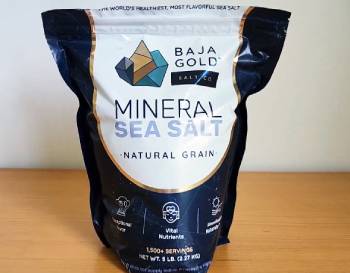
The Baja Gold crystals arrived moist as well and the fine grind worked smoothly in my salt cellar.
I used identical pinches on the same roasted carrots scrambled eggs and simple tomato salad so the only variable was the salt itself.
Baja Gold delivered a slightly milder saltiness with a cleaner mineral finish that some people describe as more rounded.
Celtic retained a stronger oceanic note that reminded me more of actual seawater.
In water for an electrolyte style drink Baja Gold mixed easily and left less of a sharp aftertaste for me.
Celtic produced a similar mineral effect yet the flavor leaned a bit more toward the classic sea salt profile I already knew.
Both salts performed well when I baked bread and the dough rose normally with no odd textures.
I stored each in glass jars with tight lids because the moisture content in both can lead to clumping when humidity rises.
After several weeks of daily use I rotated them so neither sat unused long enough to harden.
Cooking with either salt reduced my reliance on heavily processed options and the trace mineral content became a quiet background benefit rather than the main reason I reached for the jar.
I paid attention to how much I used because any salt still contributes sodium and moderation remains important no matter the source.
The real difference that stood out in my kitchen was texture and subtle flavor rather than dramatic health transformations.
Baja Gold felt a touch smoother in fine applications while Celtic brought a more traditional sea salt character that many longtime users prefer.
Neither salt eliminated the need for a balanced diet and both required the same basic care to stay free-flowing.
That practical kitchen experience shaped how I now view the two options when someone asks which jar to buy first.
Maintenance Tips For Baja Gold Vs. Celtic Sea Salt
Proper care of both Baja Gold and Celtic sea salt centers on managing their natural moisture so the crystals stay free flowing and ready for daily cooking.
Store each salt in a clean airtight glass jar with a tight fitting lid and keep the containers away from the stove steam dishwasher humidity and direct sunlight.
Moisture from the air is the main reason these unrefined salts clump so minimizing exposure preserves the original texture.
When clumping does occur simply break the mass apart with a clean dry spoon or press the crystals through a small sieve before returning them to the jar.
Avoid adding rice grains or other desiccants because they can introduce foreign particles and alter the pure mineral profile.
Scoop the salt with a completely dry utensil every time to prevent extra water from entering the container. Wipe the rim and lid of the jar after each use so residual crystals do not build up and create a seal that becomes hard to open.
Keep the two salts in separate jars clearly labeled so their distinct flavors and moisture levels remain consistent.
For longer storage place the sealed jars in a cool pantry rather than the refrigerator because temperature swings can increase condensation.
If the salt ever develops an off odor or visible discoloration discard that portion and start with a fresh supply.
When measuring for recipes weigh the salt when possible because the moisture content makes volume measurements less precise than with dry refined salts.
After cooking wipe any spilled crystals from the counter promptly so they do not attract moisture or leave residue. Rotate the jars every few weeks if you keep larger quantities so older product is used first.
These simple habits keep both Baja Gold and Celtic sea salt performing at their best for seasoning roasting baking and finishing without unnecessary waste or texture problems.
Consistent attention to storage and handling ensures the mineral rich crystals remain convenient and reliable every time you reach for the jar.
Also Read: My Experience With Why Dandymen Sea Salt Spray
Pros and Cons Of Baja Gold
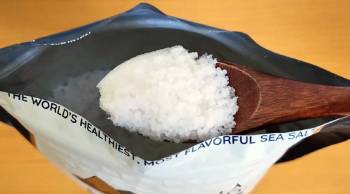
Pros Of Baja Gold
- Lower Sodium Profile: The salt contains a reduced percentage of sodium chloride compared with standard table salt while still delivering usable seasoning strength for everyday cooking.
- Notable Trace Mineral Content: Magnesium potassium and calcium appear in measurable amounts that distinguish it from highly refined salts and support a broader mineral contribution in meals.
- Mild Mineral Forward Flavor: The taste stays rounded and less sharp than many sea salts which works well for finishing delicate dishes eggs and simple salads.
- Unrefined Sea Of Cortez Origin: Harvested and sun-dried without heavy processing the crystals retain natural moisture and a clean oceanic character.
- Good Solubility In Liquids: The fine grind dissolves readily in water soups and electrolyte style drinks without leaving gritty residue.
- Versatile Kitchen Performance: It handles roasting baking stovetop cooking and table seasoning with consistent results once moisture is managed.
- Attention In Wellness Circles: The mineral density and lower sodium claims have drawn interest from people seeking alternatives to conventional table salt.
The Analytical Cons Of Baja Gold
- Moisture Related Clumping: The natural damp texture can harden in humid conditions and requires airtight storage plus occasional stirring to stay free flowing.
- Detectable Heavy Metals In Testing: Independent lab reports have shown measurable lead and arsenic in some samples a common issue across many unrefined sea salts.
- Higher Price Point: Cost exceeds basic table salt and some competing sea salts which may limit high volume household use.
- Subjective Flavor Preference: The milder profile may feel underwhelming to users who prefer a stronger traditional oceanic taste.
- Sodium Still Present: Even with a lower percentage the salt contributes meaningful sodium when used in normal cooking quantities.
- Limited Long Term Independent Data: Mineral benefits remain supportive rather than transformative and do not replace a varied whole food diet.
- Availability Varies: Some buyers need to order online rather than find it consistently in local stores.
Pros and Cons Of Celtic Sea Salt

Pros Of Celtic Sea Salt
- Established Unrefined Tradition: Long harvested from coastal French waters the moist grey crystals carry a classic briny flavor many cooks already recognize and trust.
- Solid Trace Mineral Presence: Magnesium potassium and calcium contribute to a more complex profile than refined table salt.
- Effective Food Adhesion: The natural moisture helps the salt cling to roasted vegetables meats and finished dishes.
- Flexible Grind Options: Fine and coarse versions support baking table use and general seasoning without needing multiple products.
- Reliable Everyday Performance: It dissolves adequately in cooking liquids and maintains consistent taste across typical home recipes.
- Wide Retail Availability: Easier to locate in stores compared with some newer mineral salt brands.
- Lower Sodium Relative To Table Salt: The composition offers a moderate alternative for people reducing refined salt intake.
The Analytical Cons Of Celtic Sea Salt
- Clumping From Moisture: Residual water content can cause the salt to harden when exposed to air or humidity requiring sealed storage.
- Variable Heavy Metal Findings: Independent tests and public reports have detected lead and arsenic in certain batches prompting ongoing scrutiny.
- Price Above Basic Options: Cost sits higher than ordinary table salt which adds up for frequent large scale cooking.
- Batch To Batch Flavor Variation: Slight differences in intensity and mineral edge can appear between packages.
- Adjustment Period For Texture: The moist grey feel differs from dry white crystals and may feel unfamiliar at first.
- Sodium Contribution Remains Significant: Regular use still adds meaningful sodium to the diet despite the lower percentage versus table salt.
- Marketing Versus Practical Impact: Trace minerals provide background value yet do not substitute for overall dietary balance and moderation.
Also Read: My Experience With Colima Sea Salt
Frequently Asked Questions (FAQs)
No single salt qualifies as the healthiest. Baja Gold offers trace minerals and lower sodium relative to table salt yet overall diet quality and moderation matter more.
Better depends on taste preference texture needs and testing transparency. Other unrefined salts may suit different users equally well.
Independent tests have detected some lead and arsenic in samples. Most natural sea salts contain trace amounts of heavy metals.
The healthiest approach uses any clean unrefined salt in moderation as part of a balanced diet rather than relying on one product for mineral needs.
Final Thoughts
I compared Baja Gold and Celtic sea salt in real cooking so you can see the practical differences in flavor texture and daily use without the usual marketing noise.
Both deliver unrefined mineral content and lower sodium than table salt yet neither replaces a varied diet or removes the need for moderation.
Pick the one whose taste and texture you enjoy most then store it properly and season your food with intention so the salt supports your meals rather than dominating them.