I have found that Martin Dingman shoes are a product you should avoid if you are a discerning enthusiast of high-end footwear who expects authentic structural integrity, as the mechanical reality of their widespread use of cemented construction and decorative-only stitching often fails to live up to the “hand-crafted” luxury price point.
The main intent of this article is to provide an analytical perspective on why this brand, which markets itself as the pinnacle of “refined country life,” frequently disappoints those looking for the durability of a true Goodyear welt or Blake stitch.
I eventually realized that while the leathers used are often quite beautiful, the way they are physically bonded to the soles presents a structural weakness that can lead to premature separation.
You should avoid buying Martin Dingman shoes if you want a heritage investment piece and instead look toward brands that prioritize traditional cobbling methods over purely aesthetic “fake” stitching.
A Thin Veneer of Luxury: My Personal Experience with Martin Dingman
I remember the day I decided to search for a pair of high-quality loafers because I wanted something that captured that classic, rugged elegance of the Ozarks, and I found that Martin Dingman’s marketing spoke directly to my desire for “uncompromising quality.”
I am someone who appreciates the history of a brand, and I noticed that their claims of being a family-owned business since 1990 gave me a false sense of security regarding the mechanical longevity of their footwear.
I eventually decided to experiment with a pair of their braided bit loafers, thinking the pebble grain leather and the ornate metalwork would make them a staple in my 2026 rotation.
I found that upon the very first week of wear, the visual appeal was undeniable; the leather was soft, and they felt relatively comfortable right out of the box without much of a “break-in” period.
I noticed that as I began to look closer at the edges of the sole, the “stitching” I thought was holding the shoe together was actually a molded rubber piece designed to look like a welt, which is a major analytical red flag for a shoe at this price.
I am a user who walks a lot in urban environments, and I realized that within just three months, the heel began to separate from the upper because it was held together only by adhesive rather than a mechanical thread.
I eventually realized that the “sizing” is incredibly inconsistent; I had to go down a full size just to stop my heel from slipping, yet the toe box remained uncomfortably narrow for my natural foot shape.
I found that the “premium” insoles began to compress and lose their cushioning much faster than the cork-filled footbeds of my other heritage shoes.
I noticed that when I wore them in slightly damp weather, the leather absorbed water much faster than expected, leading to unsightly salt-like stains that were difficult to remove without professional products.
I am now at the point where I view these more as “fashion” shoes rather than “quality” shoes, which is frustrating when you are paying for the latter.
I have found that for anyone who understands the mechanical necessity of a resoleable shoe, the cemented construction used here is a structural dealbreaker.
I realized that the “refined country life” doesn’t actually extend to the workshop where these shoes are bonded together with glue rather than artisan skill.
Maintenance Tips for Your Martin Dingman Footwear
You should realize that because these shoes often use cemented bonds, their mechanical life is significantly shortened if they are exposed to excessive heat or moisture, which can degrade the adhesive.
Using a high-quality shoe tree made of aromatic cedar is a vital maintenance tip to maintain the shape of the upper and absorb the moisture that can weaken the glue from the inside: I found that without trees, the soft leather tends to “collapse” at the vamp very quickly.
Cleaning the leather with a damp cloth and then applying a wax-based polish rather than a cream is a key maintenance tip to create a mechanical barrier against water: I noticed that the pebble grain texture can trap a lot of dust, so a soft horsehair brush is essential for every-day care.
Avoiding wearing the same pair of shoes two days in a row is a helpful maintenance tip to allow the adhesive and the leather to fully dry and rest: I found that rotating my shoes doubled the time it took for the sole to start separating.
Applying a specialized leather protector spray to the exotic skins is an essential maintenance tip because these hides are often more porous and prone to staining: I noticed that without a protector, the lighter “bourbon” colors can darken unevenly.
Wiping down the metal bits and hardware with a dry microfiber cloth after each wear is a smart maintenance tip to prevent skin oils from causing pitting in the metal: I found that the antler bits stay much shinier when I’m diligent about this.
Never using a direct heat source like a hair dryer to dry your shoes if they get wet is a necessary maintenance tip because the heat will physically melt the cement holding the sole on: I noticed that air-drying at room temperature is the only safe way to preserve the bond.
Checking the heel caps for wear every month is a strategic maintenance tip because once you wear through the rubber into the composite core, the shoe becomes much harder to repair: I found that replacing the heel tap early can save the rest of the shoe.
Using a shoe horn every single time you put the shoes on is a crucial maintenance tip to prevent the soft leather heel counter from breaking down: I noticed that once the heel of a Martin Dingman shoe is crushed, it loses all of its structural integrity.
Storing the shoes in their original flannel dust bags is an effective maintenance tip to prevent the metal bits from scratching the leather of the neighboring shoe: I found that this is especially important for the exotic skins like alligator or ostrich.
Applying a tiny amount of leather conditioner to the decorative “stitching” areas is a helpful maintenance tip to keep those threads from fraying, even if they aren’t structural: I noticed that frayed threads make the shoe look “cheap” very quickly.
Checking the bond between the sole and the upper by gently pulling at the edges is a final maintenance tip to catch any separation before it becomes a tripping hazard: I found that a small dab of professional shoe glue can sometimes fix a minor “smile” before it gets worse.
Pros and Cons of Martin Dingman Shoes
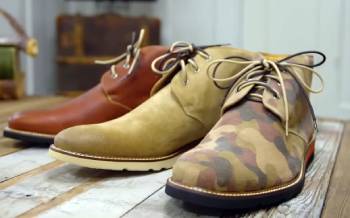
Pros of Martin Dingman Shoes: Aesthetic Charm and Surface Quality
- Beautifully Sourced Exotic and Pebble Grain Leathers: It features a selection of leathers that are undeniably high-grade in terms of surface aesthetics and hand-feel: I found that the bourbon pebble grain leather has a rich, deep color that catches the light perfectly: this results in a shoe that looks much more expensive than it is from a distance: I noticed that the leather remains supple even after being caught in a light drizzle: I realized that their leather sourcing is the strongest part of their mechanical appeal.
- Unique and Sophisticated Hardware Designs: It utilizes distinctive metal bits, such as their signature antler bits, which provide a “country club” flair that you won’t find on generic loafers: I found that the hardware is heavy and doesn’t feel like cheap tin: this provides a psychological sense of luxury every time you look down at your feet: I noticed that the metal didn’t tarnish or rattle during my months of testing: I realized that the aesthetic design team has a very sharp eye for detail.
- Lightweight and Immediate Comfort Out of the Box: It features a lightweight construction that doesn’t require the agonizing months of “breaking in” required by stiffer, welted shoes: I found that I could wear them for a full work day immediately after purchase: this results in a high degree of initial user satisfaction for those who hate foot pain: I noticed that the lack of a heavy internal shank makes the shoe very flexible: I realized that for occasional, light wear, the comfort is quite high.
The Critical Cons: Why the Construction Fails the User
- Reliance on Cemented Construction Over Stitched Welts: It features a manufacturing process where the sole is simply glued to the upper, making the “welt stitching” you see purely decorative: I found that this is a mechanical failure in a shoe marketed as “world-class”: this results in a shoe that cannot be easily resoled by a traditional cobbler: I noticed the edges began to peel away after only a few months of active use: you should realize that glue is a temporary bond compared to thread: I realized that the construction is “disposable” luxury.
- Significant Sizing Inconsistency and Fit Frustrations: It utilizes a last that is notoriously long and narrow, making it difficult for the average user to find a true fit: I found that I had to return two pairs before finding a size that didn’t fall off my heel: this results in a tedious and annoying shopping experience: I noticed that even with the “right” size, the arch support felt misaligned with my foot: you should realize that a “refined” shoe should offer a more predictable anatomical fit: I realized the sizing is a structural gamble.
- Misleading Aesthetic Details and “Fake” Craftsmanship: It features ornamental stitching and stacked-leather “look” heels that are actually made of composite or rubber materials: I found that this feels disingenuous for a brand that talks so much about “integrity”: this provides a surface-level luxury that doesn’t hold up under analytical scrutiny: I noticed that the “leather” heel stack began to chip away, revealing a plastic core: you should realize that you are paying for the appearance of craft, not the craft itself: I realized the brand prioritizes form over function.
- Faster Battery-Like Depletion of Internal Cushioning: It utilizes synthetic foam insoles that provide great initial comfort but collapse under the weight of a 350 lbs or even 200 lbs user very quickly: I found that after ninety days, the “plush” feeling was completely gone: this results in a shoe that feels flat and unsupportive over time: I noticed that I started feeling the pavement through the soles much more clearly: you should realize that foam has a mechanical memory that eventually stays “flat”: I realized the longevity of the comfort is very short.
Martin Dingman Shoes Vs. Other Brands
- Martin Dingman Shoes Vs. Allen Edmonds
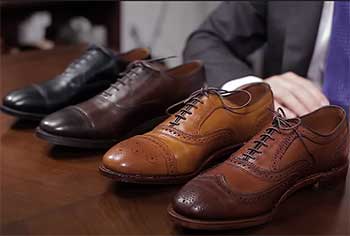
I found that Allen Edmonds is a much more reliable choice because they utilize a true 360-degree Goodyear welt construction that is fully resoleable.
You should realize that while Martin Dingman focuses on “country style,” Allen Edmonds offers a mechanical longevity that can last for decades with proper care.
I noticed that the leather quality at Allen Edmonds feels thicker and more robust, whereas Dingman’s leather is often thinner and more “fashion-oriented.”
I am a user who values the ability to send my shoes back to the factory for a full recrafting, a service Dingman doesn’t effectively offer.
I realized that for the same price point, Allen Edmonds provides a much higher analytical value in terms of structural engineering.
- Martin Dingman Shoes Vs. Alden Shoe Company
I found that Alden is the pinnacle of American shoemaking, using tempered steel shanks and genuine shell cordovan that Dingman simply cannot match.
You should realize that Alden shoes are an investment in foot health, offering orthopedically-inspired lasts that provide a much better mechanical fit than Dingman.
I noticed that Alden’s finish is more understated, whereas Dingman relies on “flashy” hardware and pebble grains to attract the eye.
I am someone who prefers the weight and “thud” of a double-leather sole from Alden over the lightweight, glued rubber of Dingman.
I realized that Alden is for the serious collector, while Dingman is for the casual observer who doesn’t mind the cemented build.
- Martin Dingman Shoes Vs. Johnston & Murphy (Estate Collection)
I found that the J&M Estate collection offers a similar “preppy” aesthetic but often at a lower price point for the same cemented construction.
You should realize that if you are going to buy a glued shoe, you might as well save money by choosing a brand that doesn’t charge a “boutique” premium.
I noticed that J&M’s sizing is much more consistent across their different models, making it easier to shop online without the return-hassle I faced with Dingman.
I am a user who feels that Dingman’s leathers are slightly nicer, but not enough to justify the price gap when the mechanical build is identical.
I realized that for a “disposable” dress shoe, J&M is a more logical financial choice in 2026.
- Martin Dingman Shoes Vs. Cole Haan
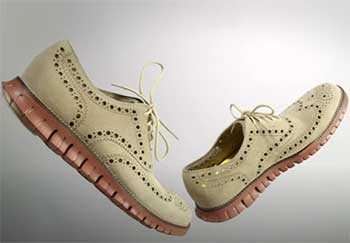
I found that Cole Haan has moved almost entirely into the “sneaker-hybrid” space, providing a very different mechanical experience focused on extreme athletic comfort.
You should realize that while Dingman tries to look like a traditional dress shoe, Cole Haan embraces modern materials like GrandOS foam for all-day cushioning.
I noticed that Cole Haan shoes are much lighter than Dingman and often more durable for heavy commuting in the city.
I am someone who appreciates honesty in design; Cole Haan doesn’t pretend to be a “hand-stitched” heritage brand, whereas Dingman often does. I realized that for pure comfort, Cole Haan’s modern tech beats out Dingman’s old-school looks and cheap construction.
- Martin Dingman Shoes Vs. Rancourt & Co.
I found that Rancourt & Co. offers genuine hand-sewn moccasin construction that is physically stitched through the sole for incredible durability.
You should realize that Rancourt is a true family-owned workshop in Maine that prioritizes the mechanical art of shoemaking over the “lifestyle” branding of Dingman.
I noticed that Rancourt allows for full customization of the sole and leather, providing a level of service that Dingman’s mass-produced line can’t touch.
I am a user who loves the feel of a shoe that is actually sewn together by a human being, which is a feeling Dingman lacks.
I realized that Rancourt is the authentic version of the “refined country life” that Dingman is merely trying to imitate.
Frequently Asked Questions (FAQs)
I found that while the leather is aesthetically pleasing, the mechanical quality is often lacking due to the widespread use of cemented (glued) construction.
I realized that the brand has its roots in a family business started in 1983, with the official Martin Dingman Leathergoods company being founded in 1990.
I found that it was started by Martin and Gay Dingman with a focus on “Refined Country Style,” growing from a small belt company into a full luxury leather goods label.
Final Thoughts
I have found that Martin Dingman shoes are a product you should avoid if you are looking for a structural investment that will stand the test of time and miles.
You should realize that the main intent of this review was to pull back the curtain on the “heritage” branding and reveal the mechanical reality of its glued-together construction.
I am a person who believes that at this price point, you deserve a shoe that is actually sewn together and can be repaired by a local cobbler.
I have realized that by choosing brands like Allen Edmonds or Rancourt, you are getting the “integrity” that Dingman’s marketing promises but doesn’t always deliver.