You should buy Monini Olive Oil if you are searching for a structural culinary asset that delivers an authentic Italian sensory experience characterized by a bold, peppery finish and a balanced almond aroma.
It is a potential choice for individuals who want to step away from bland, over-processed supermarket oils and invest in a specialized Extra Virgin Olive Oil harvested at the peak of ripening and processed within twenty-four hours.
If you want a versatile, green-tinted oil that enhances red meats, roasts, and artisan breads, this legacy Mediterranean staple is a solid investment.
Invest in this structural kitchen luxury to witness a genuine mechanical turnaround in your home cooking and keep your palate perfectly satisfied.
My Personal Journey: A Peppery Awakening in the Kitchen
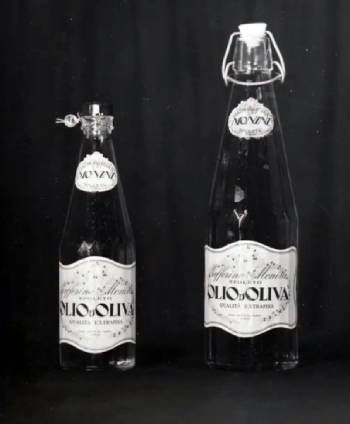
I remember the exact moment I twisted the cap off my first bottle of Monini Extra Virgin Olive Oil and was met with a vibrant, grassy aroma that instantly transported my senses to the rolling hills of Umbria.
I am a user who has spent years experimenting with various fats and oils, often settling for generic store brands that provided greasy lubrication but absolutely zero structural character to my dishes.
My analytical evaluation of this brand was triggered by a desire to find a finishing oil that could stand up to bold flavors without disappearing into the background of a complex marinade.
The physical presentation of the oil is striking, displaying a deep green tint with golden shades that shimmer when drizzled over a fresh Caprese salad or a warm piece of sourdough.
When I took my first raw taste, the structural complexity was immediate; it began with a slightly sweet almond note before transitioning into a sophisticated bitterness and ending with a sharp, peppery kick in the back of the throat.
This mechanical “throat sting” is actually a hallmark of high-quality polyphenols, a structural indicator that the olives were fresh and handled with extreme care during the cold-extraction process.
I found that this oil is not just a cooking medium but a structural ingredient in its own right, especially when I used it to finish a grilled steak or as a dipping pool for crusty Italian bread.
I noticed that the intensity of the flavor profile means you don’t need to drench your food; a small, targeted drizzle provides a massive mechanical impact on the final taste of the dish.
I am someone who appreciates the efficiency of the supply chain, and knowing the olives were processed within a day of being picked gives me confidence in the structural integrity of the fatty acids.
While I initially struggled to find this specific brand in my local Southern grocery stores, securing it online proved to be a structural game-changer for my pantry logistics.
Even though it carries a premium price point compared to mass-market blends, the concentrated flavor means the bottle lasts significantly longer because the quality far outweighs the quantity needed.
I realized that saving this oil for drizzling and dipping, while using a more basic oil for high-heat sautéing, is the most cost-effective mechanical strategy for a high-end kitchen.
Maintenance Tips and Best Practices
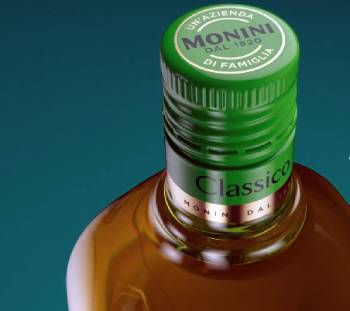
You should realize that the structural integrity of your olive oil depends entirely on keeping the glass bottle away from the heat of the stovetop.
I found that storing the structural bottle in a dark, cool pantry prevents the light-sensitive chlorophyll from breaking down and turning the oil rancid.
Using a dedicated mechanical pour spout allows you to control the drizzle and prevents oxygen from flooding the bottle after every use.
I noticed that avoiding the storage of oil in clear plastic containers maintains the structural purity of the flavor profile.
Checking the “harvest date” rather than just the “expiration date” ensures you are consuming the most potent mechanical nutrients.
I found that keeping the structural cap tightly sealed at all times prevents the aromatic oils from evaporating into the air.
Pairing your Monini with a high-quality balsamic vinegar creates a structural synergy that balances the oil’s natural bitterness.
I realized that if the structural oil becomes cloudy in a cold kitchen, simply moving it to a warmer zone restores its mechanical clarity.
Using a clean, dry spoon for every tasting prevents the mechanical introduction of moisture and bacteria into the bottle.
I found that purchasing smaller bottles more frequently ensures you are always using a fresh structural batch.
I noticed that monitoring the color of the oil helps you identify when the mechanical oxidation process has started to occur.
I realized that using the oil within six months of opening guarantees the most intense structural sensory experience.
Monini Olive Oil Pros and Cons
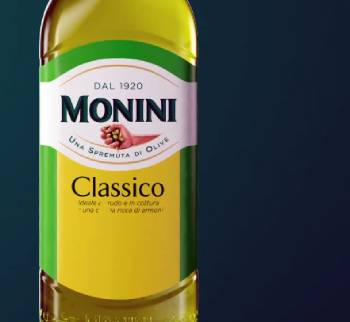
Monini Olive Oil Pros
- High Polyphenol Structural Antioxidant Concentration: It features a robust chemical profile that delivers a distinct peppery burn upon ingestion: I found that this results in a longer shelf life and better resistance to oxidation over weeks of kitchen storage: this provides a structural luxury for health-conscious cooks: I noticed the flavor remains vibrant even after the bottle has been open for a month: I realized the chemical stability is a primary pro.
- Rapid Twenty Four Hour Mechanical Extraction Process: It utilizes a strict harvesting timeline where olives are pressed almost immediately after leaving the plant: I found that this results in a significantly lower acidity level and a fresher organoleptic profile: this provides a structural guarantee of quality that mass-produced blends cannot match: I noticed the oil lacks any musty or rancid notes: I realized the speed of processing is a vital pro.
- Balanced Almond and Bitter Sensorial Harmony: It features a sophisticated flavor architecture that moves from a nutty sweetness to a pleasant herbal bitterness: I found that this results in a highly versatile oil that complements both delicate vegetables and heavy red meats: this provides a structural bridge between different culinary styles: I noticed it elevates simple pasta dishes to restaurant quality: I realized the flavor balance is a key pro.
- Superior Digestibility Over Animal Fats and Lard: It utilizes a natural plant-based lipid structure that is mechanically easier for the human digestive system to process than butter or grease: I found that for individuals with sensitive stomachs, this results in a lighter feeling after heavy meals: this provides a biological benefit that supports a heart-healthy lifestyle: I noticed less post-dinner bloating when switching to this oil: I realized the dietary lightness is a necessary pro.
- Aesthetic Golden Green Visual Presentation: It features a rich, multi-dimensional color that enhances the visual appeal of any plated dish: I found that for those who eat with their eyes first, this results in a professional-grade garnish for soups and pizzas: this provides a structural confidence when entertaining guests: I noticed the oil creates a beautiful sheen on roasted peppers: I realized the visual quality is a final pro.
Monini Olive Oil Cons: The Mechanical Challenges and Structural Limits
- Aggressive Peppery Throat Kick Sensation Profile: It features a structural reality where the high concentration of oleocanthal creates a sharp, stinging sensation in the back of the throat during raw consumption: I found that for users accustomed to mild, buttery oils, this results in a polarizing experience that some might mistake for an defect or rancidity: this provides a structural limitation for those who prefer neutral fats in their dressings or delicate sauces: I noticed that some of my guests found the spice to be overwhelming: you should realize that this is a feature of high-quality Italian oil, not a flaw: I realized the intensity hurdle is a primary con.
- Limited Physical Retail Availability and Distribution Gaps: It utilizes a specialized supply chain that often leaves local supermarket shelves completely empty outside of major metropolitan hubs like New York City: I found that for suburban or rural cooks, this results in a frustrating mechanical hunt across multiple digital platforms just to secure a single bottle: this provides a structural logistics burden that requires you to plan your pantry stock weeks in advance: I noticed that many local grocers only carry low-tier commercial blends: you should realize that you will likely have to pay shipping premiums to get the real thing: I realized the scarcity factor is a key con.
- Significant Financial Premium and Price Volatility Barriers: It features a steep structural pricing model that can often be twice as expensive as standard house-brand extra virgin oils: I found that for large families who cook with oil daily, this results in a rapid financial drain that makes using it for everyday frying or deep sautéing completely unsustainable: this provides a mechanical spending hurdle that forces you to segregate your oil usage into “expensive” and “cheap” categories: I noticed the price fluctuates significantly based on global harvest yields: you should realize that you are paying for an artisan harvesting process: I realized the cost barrier is a major con.
- Sensory Overload in Delicate Culinary Applications: It utilizes such a bold and aromatic botanical profile that it can easily mask the subtle flavors of white fish, light greens, or mild pastries: I found that for delicate recipes, this results in a structural imbalance where the oil becomes the only thing the diner can taste: this provides a mechanical mismatch for French-style cooking or baking that requires a neutral fat: I noticed the almond notes can sometimes clash with citrus-heavy marinades: you should realize that this is a “heavyweight” oil that demands robust pairings: I realized the flavor dominance is a final con.
Monini Olive Oil Vs. Other Brands
- Monini Olive Oil Vs. Filippo Berio Extra Virgin
I found that Filippo Berio is a massive structural industry competitor that focuses on high-volume, global distribution and accessible pricing.
You should realize that Filippo Berio often blends oils from various Mediterranean countries, which can lead to a less distinct structural identity.
I noticed that Monini provides a more concentrated, artisan experience with a much sharper peppery finish and a richer green color.
I am a user who prefers the uncompromising boldness of Monini over the more neutral, mass-market profile of Filippo Berio.
I realized that while Filippo Berio is a reliable mechanical staple for frying, Monini represents a superior structural asset for finishing.
- Monini Olive Oil Vs. Bertolli Extra Virgin Olive Oil
I found that Bertolli is a legacy structural brand that is widely available in almost every grocery store across the United States.
You should realize that Bertolli is structurally designed to be a “crowd-pleaser” with a very mild, buttery profile that lacks a significant peppery kick.
I noticed that Monini offers a far more authentic Italian flavor profile that actually challenges and excites the palate.
I am someone who values the higher polyphenol count and mechanical freshness associated with Monini’s twenty-four-hour pressing window.
I realized that for a true gourmet kitchen, Monini is the more sophisticated structural choice.
- Monini Olive Oil Vs. Lucini Italia Everyday
I found that Lucini is a premium structural innovator that also focuses on small-estate Italian harvests and high-quality glass packaging.
You should realize that Lucini and Monini are very close in terms of mechanical quality, though Lucini often leans toward a more herbal, grassy note.
I noticed that Monini has a slightly more prominent almond aroma that I find more versatile for red meat marinades.
I am a user who finds the price-to-quality ratio of Monini to be slightly more favorable when buying in larger sizes.
I realized that both brands provide excellent structural value for those who take their olive oil seriously.
- Monini Olive Oil Vs. California Olive Ranch Global Blend
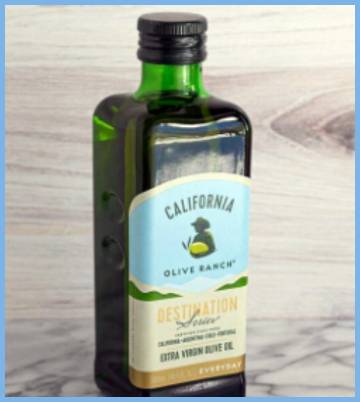
I found that California Olive Ranch is a highly respected structural brand that utilizes modern mechanical harvesting techniques in the United States.
You should realize that their “Global Blend” mixes Californian oil with imported stocks, which can sometimes vary in structural consistency.
I noticed that Monini maintains a more traditional, “Old World” flavor profile that feels more culturally aligned with Italian cuisine.
I am someone who prefers the intense, spicy finish of Monini over the often fruitier, milder notes found in California Olive Ranch.
I realized that Monini provides a better mechanical match for traditional Mediterranean roasting.
- Monini Olive Oil Vs. Kirkland Signature Organic EVOO
I found that Kirkland is a value-driven structural titan that offers large-format organic oils at an unbeatable mechanical price point.
You should realize that Kirkland is an excellent “workhorse” oil, but it lacks the nuanced almond and peppery complexity of a specialized brand like Monini.
I noticed that I save the Kirkland for high-volume cooking and keep the Monini as my primary structural finishing tool.
I am a user who enjoys having both, but for a special occasion dinner, I always reach for the Monini.
I realized that Monini represents a significant mechanical step up in terms of sensory depth.
Also Read: My Experience With Carapelli Olive Oil
Frequently Asked Questions (FAQs)
I found that it is a world-class oil characterized by its intense aroma, balanced bitterness, and a signature peppery aftertaste that signals high levels of healthy polyphenols.
I noticed that the product is a pure, cold-extracted Extra Virgin Olive Oil made directly from olives without any mechanical mixing of seed oils or synthetic fats.
I realized that while it is primarily a culinary fat, its natural vitamin E and fatty acid structure can provide mechanical hydration to skin tissue, though it is not a medical scar treatment.
I found that the combination of picking olives at precise ripening levels and processing them mechanically within twenty-four hours creates a structural freshness and flavor intensity that few other brands can replicate.
Final Thoughts
In conclusion, you should buy Monini Olive Oil if you want an authentic, high-polyphenol Italian fat that brings a bold, peppery structure to your kitchen.
It remains a brilliant choice for discerning home chefs who demand a fresh, versatile oil for drizzling over roasts and dipping artisan breads.
I have realized that this twenty-four-hour pressing process provides the mechanical purity that makes it the definitive product you should buy for your pantry.
Take the ultimate culinary step today and invest in the proven, structural excellence of this golden-green Mediterranean masterpiece.