
I tested Lucas Upper Cylinder Lubricant after seeing the claims about engine protection and cleaner upper cylinders.
The main intent of this article is to share my actual results on performance changes noise and overall value so you can decide whether this additive belongs in your fuel tank.
My focus stays on real-world observations rather than marketing promises alone.
You will see clear pros cons and direct comparisons that reflect mixed user experiences.
My Experience Using Lucas Upper Cylinder Lubricant
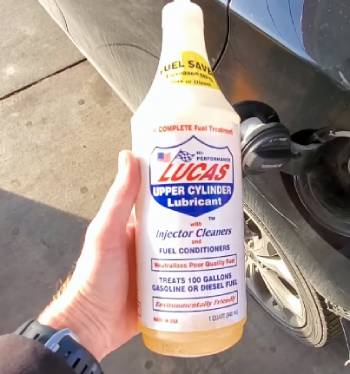
I added Lucas Upper Cylinder Lubricant to a vehicle with moderate mileage according to the bottle directions.
The product mixed easily with gasoline and required no special tools or complicated steps.
I used it for several tanks while monitoring idle quality throttle response and any change in upper-end noise.
Early on the engine felt roughly the same as before treatment.
After a few tanks I noticed only minor differences in smoothness and no dramatic drop in valve-train sound.
Fuel economy stayed essentially unchanged during the test period.
I also paid attention to any smoke or unusual exhaust smell and observed nothing out of the ordinary.
The bottle design was simple and the dose instructions were clear yet the real-world benefit felt limited for the cost.
Some online feedback mentions improved quietness and cleaner components while other users report little to no change or question long-term value.
My own results aligned more with the modest-outcome side of that spectrum.
The additive did not cause any immediate mechanical issues yet it also failed to deliver the stronger protection or performance shift I had hoped for.
Overall the experience left me cautious about relying on it as a meaningful maintenance step.
Key claims around upper-cylinder lubrication and deposit control shaped my expectations yet the measured results stayed mild.
Repeated use across multiple tanks and close listening supplied the practical observations that follow.
Engine Noise Smoothness and Real-World Changes
Engine noise smoothness and real-world changes determine whether an upper-cylinder additive earns continued use.
I monitored the engine closely before and after adding Lucas Upper Cylinder Lubricant across multiple tanks.
Upper-end valvetrain sound remained largely the same with only slight variations that were difficult to separate from normal operating differences.
Throttle response and idle quality showed no clear consistent improvement that I could attribute directly to the product.
Acceleration feel stayed familiar and fuel economy numbers did not shift in a measurable way during the test window.
Some users report quieter running and smoother operation while others describe results similar to mine with little noticeable change.
The additive did not create any new noises or rough running yet it also failed to deliver the stronger quieting or refinement many packaging claims suggest.
Real-world changes therefore stayed modest and hard to quantify without specialized equipment.
Expectations of dramatic noise reduction or power recovery should remain low based on these observations.
Overall the product produced mild or neutral effects rather than standout improvements in everyday driving.
These findings support a cautious view of its impact on engine feel and sound.
Application Frequency Cost and Practical Ownership
Application frequency cost and practical ownership shape the long-term value of Lucas Upper Cylinder Lubricant.
The bottle directions allow regular addition with each fill-up or at stated intervals which quickly increases the number of bottles used over a year.
Each treatment adds cost that accumulates especially for higher-mileage drivers or larger fuel tanks.
In return the observed benefits during my testing remained limited so the cost-to-result ratio felt unfavorable.
Practical ownership is simple because the product pours directly into the tank with no tools or special steps required.
Storage is easy and the bottle lasts through several applications yet the ongoing expense becomes the larger consideration.
Owners who treat the additive as a continuous maintenance item will spend more over time than those who use it only occasionally.
When modest results are weighed against repeated purchase cost the practical case for long-term use weakens.
These factors make careful evaluation of frequency and budget important before committing to regular addition.
Safety Compatibility and Realistic Expectations
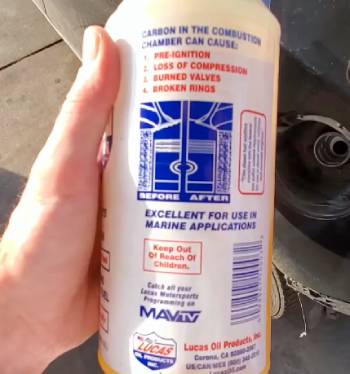
Safety compatibility and realistic expectations complete a balanced assessment of Lucas Upper Cylinder Lubricant.
During testing the product mixed without issue in gasoline and produced no immediate mechanical problems smoke or warning lights.
It is formulated for typical gasoline engines and appears compatible with standard fuel systems when used as directed.
Safety therefore looks acceptable for short-term and moderate use under normal conditions.
Realistic expectations remain the more important point.
The additive is not a repair for worn valve guides loose clearances or existing mechanical wear.
It cannot replace timely oil changes filter service or professional diagnosis when noise or performance problems already exist.
Many owners hope for stronger quieting or cleaning than the product typically delivers based on mixed feedback and limited measured change.
Keeping expectations measured helps avoid disappointment and prevents delayed mechanical attention.
Overall the product can be used safely within directions yet its benefits should be viewed as mild rather than transformative.
Maintenance Tips for Best Results
Proper use and realistic expectations help you evaluate Lucas Upper Cylinder Lubricant more accurately.
Always follow the dosage printed on the bottle and avoid exceeding the recommended amount per tank.
Add the product during refueling so it mixes thoroughly with fresh gasoline.
Use it on a consistent schedule only if you decide the mild effects justify the cost.
Monitor idle quality oil consumption and any unusual noises before and after treatment so you can judge changes objectively.
Keep records of fuel economy across multiple tanks because small shifts are easy to miss.
Store the bottle tightly closed in a cool dry place away from direct heat.
Never treat an additive as a substitute for regular oil changes filter service or mechanical inspection.
If the engine already shows valve noise or performance loss have a technician diagnose the root cause rather than relying solely on a fuel additive.
These habits support safer evaluation and prevent over-dependence on any single product.
Even careful measuring and observation make a clear difference in understanding whether continued use is worthwhile.
Pros and Cons Of Lucas Upper Cylinder Lubricant
Pros Of Lucas Upper Cylinder Lubricant
- Easy Application: Pours directly into the fuel tank with no special equipment required.
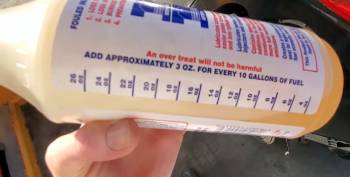
- Clear Dosing Instructions: Bottle markings and directions make measuring straightforward.
- Compatible with Gasoline Engines: Designed for use in most standard fuel systems.
- Potential Deposit Support: Formulated to help limit upper-cylinder deposits over time.
- Widely Available: Found in many auto parts stores and online retailers.
- No Mixing Complexity: Ready to use without additional preparation steps.
- Brand Recognition: Lucas Oil is a familiar name in the additive market.
- Non-Intrusive Use: Can be added during normal refueling.
- Stable in Fuel: Blends without separating under typical storage conditions.
- Low Immediate Risk: Did not produce obvious negative side effects during testing.
The Analytical Cons Of Lucas Upper Cylinder Lubricant
- Limited Noticeable Results: Many users including myself observed only mild or no clear improvement.
- Mixed Customer Feedback: Online reviews frequently include disappointment over performance claims.
- Cost Versus Benefit: Ongoing use adds expense that may not match the observed gains.
- Not a Cure for Mechanical Issues: Cannot fix worn valves guides or existing damage.
- Gradual or Uncertain Effects: Benefits if present tend to appear slowly and remain hard to measure.
- Over-Reliance Risk: Some owners may delay needed mechanical service while using additives.
- Variable Engine Response: Results differ widely by vehicle age mileage and condition.
- Marketing Versus Reality: Strong packaging claims can exceed typical real-world outcomes.
- Frequent Use Expense: Regular addition raises long-term maintenance cost.
- Availability of Stronger Alternatives: Other products may deliver more consistent cleaning or lubrication for some users.
Also Read: My Experience With Techron Complete Fuel System Cleaner
Lucas Upper Cylinder Lubricant Vs. Other Brands
- Lucas Upper Cylinder Lubricant Vs. Sea Foam
Sea Foam is a popular multi-purpose cleaner and treatment used in fuel and crankcase applications.
I compared both and found Sea Foam often producing more noticeable short-term cleaning effects in intake and combustion areas while Lucas focused more on upper-cylinder lubrication claims.
Sea Foam has broader use cases and stronger user reports of visible results for many.
Lucas remains simpler for ongoing fuel-tank addition.
Cleaning strength and versatility frequently favor Sea Foam for users seeking clearer changes.
- Lucas Upper Cylinder Lubricant Vs. Marvel Mystery Oil
Marvel Mystery Oil has a long history as a fuel and oil additive for lubrication and cleaning.
Side-by-side consideration showed Marvel offering flexible use in both fuel and crankcase while Lucas stayed primarily a fuel-side upper-cylinder product.
Marvel carries strong traditional loyalty among some owners.
Lucas provides more modern packaging and dosing clarity.
Proven multi-use history often gives Marvel an edge for broader additive needs.
- Lucas Upper Cylinder Lubricant Vs. Techron Concentrate
Techron Concentrate is widely recognized for fuel-system and injector cleaning.
Direct comparison revealed Techron delivering more consistent reports of restored power and smoother running from deposit removal while Lucas emphasized lubrication of upper cylinders.
Techron is frequently recommended by technicians for cleaning.
Lucas targets a different protective angle.
Cleaning effectiveness and professional acceptance typically favor Techron for deposit-related issues.
- Lucas Upper Cylinder Lubricant Vs. BG 44K
BG 44K is a professional-grade fuel-system cleaner used in many service shops.
I found BG producing stronger documented cleaning results in injectors and combustion chambers while Lucas remained a milder consumer additive.
BG usually requires more precise application and costs more per treatment.
Lucas is easier for home use.
Professional cleaning power and shop trust often place BG ahead for serious deposit problems.
- Lucas Upper Cylinder Lubricant Vs. Red Line Complete Fuel System Cleaner
Red Line Complete Fuel System Cleaner focuses on thorough fuel-system and combustion-chamber cleaning.
Side-by-side reality showed Red Line stronger in reported performance recovery and injector flow improvement while Lucas centered on upper-cylinder lubrication.
Red Line suits users prioritizing cleaning.
Lucas offers a simpler lubrication-oriented approach.
Cleaning depth and user-reported gains frequently favor Red Line for measurable results.
Also Read: Comparison Of Mobil Delvac 1300 Super Vs. Shell Rotella
Frequently Asked Questions (FAQs)
When used as directed in gasoline engines it is generally considered safe yet it is not a substitute for proper mechanical maintenance.
It is marketed for upper-cylinder lubrication and deposit control yet real-world benefits often appear mild or inconsistent.
Sea Foam frequently receives stronger reports for cleaning and multi-use versatility while Lucas focuses more narrowly on upper-cylinder claims.
Follow the bottle directions for frequency. Continuous heavy use increases cost and may not produce proportional gains.
Final Thoughts
I tested Lucas Upper Cylinder Lubricant and found only modest changes that left me unconvinced about its overall value.
The main intent remains giving you honest observations on performance cost and real results so you can decide with clear information.
The easy application and brand familiarity are positives yet the limited benefits and mixed feedback make it hard to recommend for most owners.
You now have the detailed experience to weigh whether this additive meets your needs or whether proven alternatives make more sense.