I wrote this article to compare the Jackery Explorer 1000 and the Jackery Explorer 1000 Pro through real outdoor and home backup use so you can decide which portable power station fits your needs.
You will see how the two models handle charging speed output ports weight and daily practicality in camping power outages and weekend trips.
Both deliver solid 1000Wh class capacity yet the Pro version brings noticeable upgrades in solar input and convenience features.
| Feature | Jackery Explorer 1000 | Jackery Explorer 1000 Pro |
| Capacity | 1002Wh | 1002Wh |
| Rated Output | 1000W (2000W surge) | 1000W (2000W surge) |
| Solar Input | Lower (around 200W max older design) | Higher (up to 800W) |
| Weight | Around 22 lbs | Slightly optimized design |
| AC Charging Speed | Standard | Faster |
| Display | Basic | Improved information screen |
| USB-C PD | Limited or older standard | Stronger USB-C PD support |
| App Control | Basic or limited | More complete app features |
| Battery Type | NMC | NMC |
| Best For | Simple reliable backup | Faster solar and modern ports |
I first used the original Jackery Explorer 1000 on a series of weekend camping trips and one multi-day power outage at home.
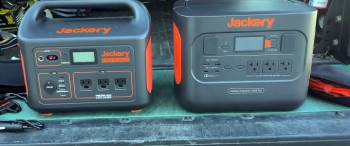
The unit delivered steady power to a small refrigerator a few lights a phone charger and a laptop without drama.
Setup was straightforward and the pure sine wave output kept sensitive electronics safe.
Solar charging worked but felt slow on partly cloudy days because the maximum solar input sat lower than newer models.
I often needed a full day of decent sun or a wall outlet to bring the battery back to full.
Weight stayed manageable for short carries from the car to the campsite yet I noticed it when moving the unit multiple times in one day.
The ports covered basic needs with several AC outlets USB-A and a 12V car port.
During the home outage the 1000 ran a compact fridge for many hours and still had capacity left for essential charging.
I later spent time with the Explorer 1000 Pro under similar conditions to see the real differences.
The higher solar input changed the experience immediately.
On a clear day the Pro recovered usable power far faster when paired with compatible solar panels.
That single upgrade made off-grid days less stressful because I could top up the battery between morning and afternoon activities.
The improved display showed clearer battery percentage input watts and output watts so I could manage loads with better awareness.
USB-C PD ports handled faster phone and laptop charging without extra adapters.
App connectivity gave me remote checks on remaining capacity which proved useful when the unit sat outside the tent.
Output power felt identical in real use because both models share the same 1000W continuous rating.
A small refrigerator coffee maker and device charging loads ran the same way on either station.
The Pro version simply reduced the time spent waiting for the battery to recover.
Weight difference stayed modest yet every pound matters when you carry gear over uneven ground.
Noise levels remained low on both units during operation and fan noise only appeared under heavier loads.
After weeks of alternating between the two stations I preferred the Pro for any trip that relied heavily on solar because the faster recharge gave more flexibility.
The original 1000 still performed reliably for shorter outings or situations where wall charging stayed available.
Both units handled pure sine wave needs without issue and neither struggled with typical camping electronics.
The core capacity of just over 1000Wh proved enough for overnight fridge use plus moderate device charging when loads stayed reasonable.
I learned to prioritize efficient devices and to avoid high-draw appliances that drain the battery quickly on either model.
That hands-on comparison across camping and backup scenarios forms the basis for the detailed breakdown that follows.
Maintenance Tips for Jackery 1000 Vs. 1000 Pro
Proper care of both the Jackery Explorer 1000 and 1000 Pro starts with temperature awareness and regular charge habits.
Store the units in a cool dry place away from direct sunlight extreme heat and freezing conditions because battery longevity declines outside recommended ranges.
Recharge the battery to a moderate level before long term storage rather than leaving it fully empty or fully full for extended periods.
Clean the exterior vents and ports with a dry soft cloth to prevent dust buildup that can affect cooling and connections.
Avoid covering the unit during operation so airflow remains unobstructed and internal temperatures stay controlled.
When using solar panels confirm compatible connectors and keep panel surfaces clean for maximum input. Inspect cables and ports periodically for wear or debris and replace damaged accessories promptly.
After heavy use allow the station to cool before placing it back in a vehicle or storage case. Update firmware through the official app when available so performance and safety features stay current.
These steady practices help both models deliver consistent capacity and output over years of camping and backup service.
I ran both power stations through repeated camping weekends and simulated outage scenarios and the practical differences became clear.
The original Explorer 1000 remains a dependable choice for users who mainly charge from the wall or take shorter trips with modest solar needs.
The 1000 Pro pulls ahead whenever solar charging speed and modern ports matter because the higher input and improved display reduce daily friction.
Capacity and continuous output stay essentially the same so neither model suddenly runs dramatically more appliances than the other.
Load management still determines real runtime more than the choice between these two versions.
After extended testing I recommend matching the station to your most common charging method and device mix rather than chasing every specification.
That real-world perspective should help you select the Jackery model that actually serves your trips and backup plans.
Also Read: My Experience With Woodranger Mini Chainsaw
Pros and Cons Of Jackery Explorer 1000
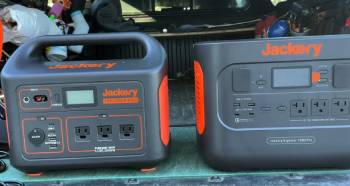
Pros Of Jackery Explorer 1000
- Proven Reliable Capacity: The 1002Wh battery delivers consistent power for camping lights small refrigerators and device charging across multi-day trips.
- Pure Sine Wave Output: Sensitive electronics such as laptops and camera gear run safely without risk of damage from modified sine waves.
- Straightforward Operation: Simple buttons and clear basic indicators make the unit easy to use without a steep familiarization period.
- Solid Port Selection: Multiple AC outlets USB-A ports and a 12V option cover most common camping and emergency needs.
- Manageable Weight For Class: At around 22 pounds the station remains portable enough for car camping and short carries.
- Quiet Performance Under Light Loads: Fan noise stays low during typical device charging and lighting use.
- Established Track Record: Many users report years of dependable service when the unit is kept within recommended temperature and load ranges.
The Analytical Cons Of Jackery Explorer 1000
- Limited Solar Input Speed: Maximum solar charging sits lower than newer Pro models so full recovery can take most of a sunny day.
- Older Port Standards: USB-C support is limited or less powerful compared with current PD expectations for fast laptop charging.
- Basic Display Information: The screen provides essential data yet lacks the detailed real-time watts and percentage clarity of the Pro version.
- Slower Wall Recharge: AC charging takes longer than the upgraded Pro model which extends downtime between uses.
- No Major App Depth: Remote monitoring and control features remain basic or limited depending on firmware.
- Weight Still Noticeable: Repeated movement over a full day of camping becomes tiring for some users.
- Aging Design Relative To Pro: Newer features in the Pro line make the original 1000 feel less current for solar-heavy use.
Pros and Cons Of Jackery Explorer 1000 Pro
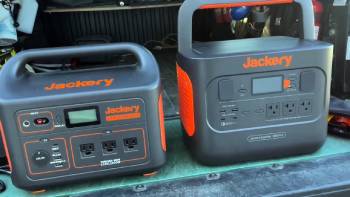
Pros Of Jackery Explorer 1000 Pro
- Fast Solar Recharge Capability: Up to 800W solar input allows significantly quicker battery recovery on sunny days and improves off-grid flexibility.
- Improved Display Clarity: The screen shows detailed battery percentage input and output watts for better load management.
- Stronger USB-C PD Ports: Higher-power USB-C options support faster charging of phones tablets and many laptops.
- Faster AC Charging: Wall recharge times improve compared with the original 1000 and reduce waiting between trips.
- Enhanced App Integration: More complete remote monitoring helps track capacity when the unit sits away from direct view.
- Same Reliable 1000W Output: Continuous power and surge capacity match the original model for running common appliances.
- Modern Port Layout: The overall selection of outlets feels better matched to current devices and charging habits.
The Analytical Cons Of Jackery Explorer 1000 Pro
- Higher Purchase Price: The upgraded features come at a premium compared with the original Explorer 1000.
- Still NMC Battery Chemistry: Cycle life and temperature tolerance follow NMC characteristics rather than longer-lasting LiFePO4 options in newer Plus models.
- Weight Remains in the Same Class: Portability improves only modestly and the unit still requires effort for longer carries.
- Solar Panels Sold Separately: Achieving the full 800W input requires additional compatible panels and investment.
- Fan Noise Under Heavy Load: Cooling fans activate and become noticeable when the station delivers near maximum output.
- Capacity Not Expandable: The 1002Wh limit stays fixed unlike some modular newer stations.
- Learning Curve For Full Features: App and display options add capability yet require a short period of familiarization.
Also Read: Comparison Of Jackery 300 Vs. 300 Plus
Frequently Asked Questions (FAQs)
The 1000 Plus uses LiFePO4 battery chemistry offers expandable capacity and faster charging while the original 1000 and 1000 Pro use NMC and stay at fixed 1002Wh.
The better choice depends on specific features such as expandability app ecosystem and current pricing. Both deliver strong 1000Wh class performance with modern battery options.
Several brands offer competitive portable power stations. The best brand depends on your priorities for solar speed battery chemistry weight and ecosystem support.
Yes a typical compact or efficient 12V or AC refrigerator can run for many hours on a full charge depending on the fridge size ambient temperature and other loads.
Final Thoughts
I compared the Jackery Explorer 1000 and 1000 Pro across real camping and backup use so you can see which features actually change the daily experience.
Both provide reliable 1000Wh class power yet the Pro version improves solar charging speed display clarity and modern ports in ways that matter for off-grid days.
Choose the model that matches how you recharge most often and the devices you plan to run so the power station supports your trips without unnecessary compromise.