
Finding a reliable, high-performing smart heat press machine requires separating shiny viral social media videos from long-term workshop durability.
You need an appliance that applies even thermal energy and consistent load pressure across your custom apparel without scorching fabrics or failing mid-batch.
This comprehensive review focuses on breaking down the real-world utility, mechanical limitations, and technical concerns surrounding the popular HTVRONT Auto Heat Press lineup.
You should buy this product through verified main-street crafting distributors or official e-commerce platforms that offer complete product warranties and straightforward return policies.
While the automated drawer system looks like a massive time-saver for casual home crafters, several critical flaws make me hesitant to support it.
You should buy this product through official channels only if you understand its performance limits and are fully prepared to deal with technical inconsistencies.
My Real-World Operational Experience
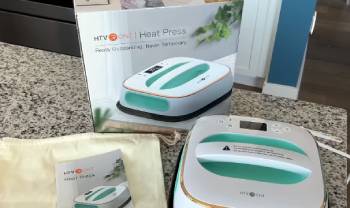
As someone who operates a busy home studio creating custom merchandise, a new automated heat press seemed like the ultimate solution for my tired arms.
My regular production routine demands pressing dozens of t-shirts, canvas tote bags, and thick fleece hoodies back-to-back every single weekend.
The promise of an affordable, automated machine that eliminates manual lever pulling and automatically adjusts pressure sounded like absolute heaven.
I ordered the signature fifteen-by-fifteen-inch automatic model, setting it up on a heavy-duty workbench right next to my traditional manual presses.
The unboxing experience felt modern, with the sleek casing giving the appliance an attractive, appliance-like aesthetic that looked great on my counter.
My initial testing began with standard heat transfer vinyl designs on basic ringspun cotton t-shirts using the built-in automatic settings.
The pull-out drawer mechanism felt smooth at first, allowing me to align my graphics comfortably away from the upper heating element.
I pushed the drawer back in, pressed the start button, and watched the internal motor lower the hot platen automatically.
The countdown timer ticked away perfectly, and the machine lifted itself up with a clean chime when the cycle finished.
However, my initial excitement completely faded once I moved on to larger batch production and diverse material substrates.
The most prominent flaw showed up during a ten-shirt run using specialized puff heat transfer vinyl and direct-to-film transfers.
Because the original version lacks a manual pressure adjustment knob, its internal sensor relies entirely on the overall thickness of the garment.
When pressing thin cotton, the machine frequently fails to apply enough physical force, leaving the edges of the transfers loose and peeling.
I watched in total frustration as my direct-to-film graphics split apart during the peeling process because the core adhesive never received enough pressure.
Even worse, during consecutive press cycles, the internal heating tubes suffered noticeable thermal drops, causing the outer edges to measure up to twenty-five degrees cooler than the display reported.
On my fourth shirt, the automatic drawer sensor glitched completely, locking the hot plate down onto a polyester jersey and scorching the fabric before I could yank the main power cord from the wall.
The lightweight plastic internal gears struggled under the heat, emitting a strong, worrisome burning plastic odor that lingered in my workspace.
Using this device turned into a stressful guessing game of adding extra silicone pads to trick the automatic pressure sensors, completely defeating the purpose of an automated machine.
Comprehensive Maintenance and Longevity Practices

To keep this automated machine running without experiencing premature motor lockups, you must follow strict maintenance guidelines.
The sliding tracks of the lower pull-out drawer must be kept perfectly clean and entirely free of stray threads or vinyl scraps.
Every single month, you should wipe down the metal runner rails with a dry microfiber cloth to remove dust accumulation.
Never spray liquid lubricants or heavy industrial oils directly onto the sliding tray paths because they collect lint and cause sensor failure.
The upper aluminum platen must be cleaned regularly to prevent adhesive ghosting from ruining subsequent garment batches.
Clean the top plate only when it is completely turned off and cool to the touch using a soft damp cloth.
Never utilize sharp metal scrapers or abrasive scrubbing pads because they scratch the delicate non-stick coating permanently.
If your transfers are peeling due to low pressure, insert a flat silicone pressing pillow beneath your garment to trick the internal sensor.
Always plug the high-wattage cord directly into a dedicated wall outlet instead of using thin extension cords to prevent control board burnout.
Detailed Analysis of Advantages and Critical Flaws
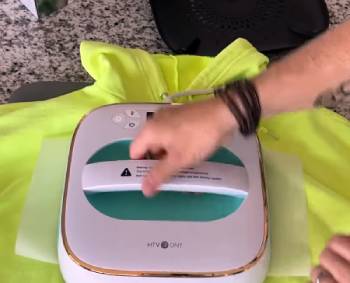
Evaluating a piece of workshop hardware requires weighing its convenient design elements against its mechanical vulnerabilities under pressure.
The automated system features several innovative design points alongside some highly problematic engineering shortcuts.
Pros:
- The pull-out drawer design keeps your hands completely clear of the hot upper platen during garment alignment.
- The automatic motor engagement eliminates the physical arm fatigue associated with heavy manual clamshell levers.
- The fast initial warm-up time brings the primary plate up to temperature quicker than older industrial options.
- The streamlined, modern footprint fits neatly onto standard crafting desks without taking over the entire room.
- The clear digital control screen allows you to monitor time and temperature targets at a glance.
Cons:
- The lack of a physical manual pressure adjustment control completely ruins transfer adhesion on thin fabrics:
- The internal automatic lifting motor uses fragile plastic gearing that wears down rapidly under high heat exposure:
- The heating plate suffers from significant thermal drop-off zones along the outer perimeter edges:
- The digital control board frequently freezes or ignores the safety auto-shutoff timer protocols completely:
- The lightweight structural housing flexes visibly when the internal motor attempts to compress thick winter garments:
- The manufacturer customer support channels are incredibly slow to provide replacement components during mechanical failures.
Also Read: My Thoughts On Nori Press Steam Iron
Head-to-Head Competitor Comparisons
- HTVRONT Heat Press Vs. Cricut Autopress
The Cricut Autopress represents a premium, highly refined approach to automated heat transfer technology within the consumer crafting market.
Unlike the pull-out drawer system of its budget competitor, the Cricut machine features an open-top clamshell design that closes with a gentle two-finger push.
The structural build quality of the Cricut unit feels significantly more rigid, utilizing heavy-duty internal steel linkages instead of budget plastic gears.
The thermal consistency across the Cricut plate is remarkably uniform, showing virtually zero temperature drops along the corner zones during long production runs.
The budget automated model offers a much lower initial retail price point, making it highly attractive to casual hobbyists.
However, the Cricut Autopress runs cooler on its exterior surfaces and features superior electrical engineering that protects your home circuits.
- HTVRONT Heat Press Vs. PowerPress Industrial Clamshell
The PowerPress Industrial Clamshell is a traditional workhorse that completely values raw physical durability over sleek appliance looks.
It features a manual lockdown handle paired with a heavy-duty steel pressure adjustment knob on top of the upper assembly.
This manual adjustment allows you to dial in immense downward force, which is absolutely vital for embedding challenging direct-to-film graphics perfectly.
The automated competitor relies completely on automated thickness sensors that frequently miscalculate the required pressure for thin t-shirts.
While the manual PowerPress requires real physical effort to close, its heating elements are incredibly tough and long-lasting.
The industrial build of the PowerPress survives years of punishing daily shop use with almost zero mechanical or motor failures.
- HTVRONT Heat Press Vs. Fancierstudio Power Press
The Fancierstudio Power Press is another manual clamshell giant designed specifically for high-volume custom apparel production environments.
It ignores automated features entirely, utilizing a simple digital timer box connected to a rugged mechanical frame.
This lack of complex electronic lifting motors means there are fewer fragile points of failure to worry about over time.
The automated model looks far more attractive on a modern desk and operates with much less noise during cycles.
However, the Fancierstudio machine provides highly dependable thermal stability across the entire fifteen-by-fifteen platen surface.
The base silicone pad on the Fancierstudio remains stable, while the drawer mat on the automated model tends to warp under high heat.
- HTVRONT Heat Press Vs. Tusy Auto-Open Heat Press
The Tusy Auto-Open Heat Press bridges the gap between manual pressure settings and automated cycle termination features.
You set the specific downward force manually using a heavy steel knob, but an electromagnetic release opens the press automatically when the timer hits zero.
This hybrid design provides the precise pressure control of an industrial press with the convenience of an automated model.
The fully automated drawer unit completely removes manual closure, but it leaves you with zero control over structural pressure adjustments.
Tusy utilizes a higher gauge steel frame that resists twisting when clamped tightly over thick winter garments.
The hybrid opening system provides superior versatility for crafters looking to expand into sublimation on thick wooden blanks.
- HTVRONT Heat Press Vs. Geo Knight JetPress 14
The Geo Knight JetPress 14 is a professional, commercial-grade machine built proudly with premium structural components.
It utilizes a heavy-duty cast-aluminum heating block that delivers flawless thermal accuracy up to the outermost edges.
The automated consumer model feels like a lightweight home appliance when placed next to the rugged industrial frame of the JetPress.
Geo Knight backs their heating elements with multi-year warranties, reflecting their complete confidence in the machine’s durability.
The consumer automated unit offers a larger fifteen-by-fifteen working space for less money than the smaller fourteen-inch industrial press.
However, the extreme reliability and flawless performance of the Geo Knight make it the clear choice for serious business ventures.
Also Read: My Thoughts On Vevor Heat Press
Frequently Asked Questions (FAQs)
The Cricut Autopress is significantly better in terms of structural durability, electrical safety, and absolute thermal consistency across the plate surface. While the HTVRONT model is much cheaper and features a pull-out drawer, its reliance on plastic internal gears and its lack of manual pressure adjustments make it less reliable for serious crafting over time.
The absolute best heat press on the market for commercial production is the Hotronix Fusion IQ or the Geo Knight Clamshell series due to their industrial build quality. For automated consumer crafting, the Cricut Autopress stands out as the most reliable and refined smart machine currently available.
The primary difference is that the Auto Heat Press 2 introduces a digital panel with seven selectable pressure levels ranging from twenty to eighty kilograms, whereas the original version relies entirely on a fixed, non-adjustable automated thickness sensor. The second version also features slightly increased clearance for thicker garments up to 4.5 centimeters.
The Auto Heat Press 2 is technically the best option within their specific ecosystem because it finally addresses the severe lack of pressure control found in the original model. However, both automated versions still face long-term reliability concerns regarding their internal motor components and edge temperature drops.
Final Thoughts
Investing in the right heat transfer hardware requires looking past clever social media marketing to evaluate raw engineering and component durability.
If you want a machine that provides rock-solid thermal consistency, adjustable physical pressure, and the longevity needed to run a business, you should buy your primary equipment from proven commercial manufacturers.
The widespread user reports highlighting internal motor failures, corner cold spots, and sudden sensor glitches make the HTVRONT Auto Heat Press very difficult to recommend for serious production work.
To ensure your custom apparel projects turn out perfectly without ruining expensive blank inventories, you should buy a traditional manual press or a premium automated option instead.
Taking a careful, analytical approach to your studio equipment choices will save you immense time, money, and frustration down the road.