Achieving a flawless, salon-quality gel manicure at home can feel like a dream when you look at the vibrant bottles of budget-friendly systems online.
You should buy this product only from verified, major online retailers or direct distributor outlets where you are backed by an explicit cash-back return window.
The core focus of my thorough evaluation is to unpack the chemical claims, actual wear performance, and safety profile of the popular Double Rhythm Gel Polish.
You should buy this product through official channels if you choose to experiment with its formula, though serious performance inconsistencies require extreme caution before purchase.
My Personal Experience with Double Rhythm Gel Polish
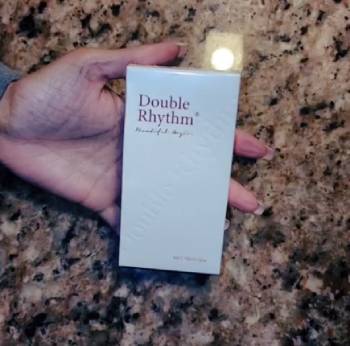
As an independent beauty enthusiast who has spent years perfecting manicures at home, I was incredibly excited when a collection of these bottles showed up on my feed.
My regular nail routines require a lot of durability because I work with my hands constantly, typing out long columns and cleaning equipment throughout the day.
The promise of a highly pigmented, budget-friendly formula that claimed to offer professional resilience without standard allergens sounded like a total game-changer for my routine.
I placed an order for a multi-color starter collection that arrived in a sleek box, and I immediately set up my curing station to see how the formula performed.
The initial unboxing felt decent, as the bottles had a nice weight to them, though I immediately noticed a faint chemical odor that felt sharper than my high-end salon brands.
My initial testing began on a clean set of prepped natural nails, using a high-powered professional LED lamp that I trust for all my gel systems.
The first coat of a deep red shade felt surprisingly thick, requiring careful brush control to keep the product from flooding my cuticles or pooling along the side walls.
I ran a standard sixty-second cure cycle, expecting a perfectly dry, solid foundation ready for the next layer of color.
Instead, when I lightly tested the surface with a lint-free wipe, the top layer sheared off completely, exposing a gooey, semi-liquid mess underneath.
The pigmentation was so dense that the light from my lamp could not penetrate the layer, leaving the core uncured against my nail plate.
I stripped the failed manicure down completely, thoroughly prepped the nail beds again, and attempted a second application using paper-thin coats.
Even with incredibly thin layers and extended ninety-second curing intervals, the darker pigments routinely bubbled and wrinkled right out of the lamp.
Within forty-eight hours of finishing the painstaking application, two of my fingernails began lifting at the base, trapping moisture underneath the plasticized shell.
Worse still, my cuticles developed a distinct itchy redness that persisted for days, raising immediate concerns about what chemicals were actually hiding inside the bottle.
What started as an exciting, affordable alternative quickly became an frustrating experiment that made me value the consistency and transparency of professional-grade products.
The Core Features and Built-In Mechanics
Understanding the operational chemistry of gel overlays requires a hard look at photoinitiators and polymer cross-linking under specific ultraviolet wavelengths.
The Double Rhythm Gel Polish line is formulated as a soak-off oligomer system designed to polymerize quickly when exposed to thirty-six-watt lamps or higher.
The primary selling point focuses on an ultra-glossy finish that resists chipping while maintaining flexibility over the natural curvature of your nail plate.
The brand packages their formulas in specialized opaque bottles to prevent premature ambient curing from sunlight exposure during storage.
A medium-to-high viscosity profile means the gel is engineered to self-level on the nail, filling in ridges without requiring excessive structural manual building.
From a technical perspective, a gel system must achieve a minimum ninety percent cure rate to be considered structurally stable and chemically inert on human tissue.
When a formula utilizes a high volume of heavy monomers to boost color opacity in a single coat, it dramatically restricts light transmission through the layer.
If the UV light cannot reach the lowest molecules, the resulting uncured material sits directly on your natural nail for weeks at a time.
This hidden under-curing issue is exactly what leads to premature peeling, product lifting, and severe skin sensitization over repeated monthly applications.
Strategic Maintenance and Longevity Protocols
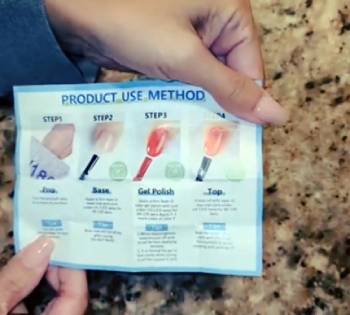
If you decide to work with this temperamental gel system despite the widely documented curing issues, you must adjust your application protocol.
Your natural nail prep must be absolutely immaculate, beginning with a thorough removal of the invisible cuticle layer on the nail plate.
Every single layer of color must be kept incredibly thin, almost translucent, to allow the UV light rays to pass through the pigment.
You should always use a high-powered, forty-eight-watt lamp with a reflective base plate to ensure optimal light bouncing from all angles.
Never skip capping the free edge of your nail with base coat, color, and top coat to prevent moisture from sneaking underneath.
Avoid washing your dishes or soaking your hands in hot water for at least two hours following your curing session to let the polymer network fully stabilize.
Clean your application brushes with pure isopropyl alcohol only, ensuring no ambient UV light from nearby windows reaches your open bottles during your routine.
Granular Breakdown of Pros and Cons
Pros:
- The affordable pricing allows budget-conscious consumers to accumulate a wide variety of trendy color shades without spending a fortune.
- The self-leveling viscosity helps smooth out minor natural nail ridges quite nicely before the curing lamp is turned on.
- The high pigment load can provide a very striking, opaque look if you manage to cure the layer successfully.
- The bottle brushes feature a decent, wide-fanning shape that covers a large portion of the nail plate in one stroke.
- The high-gloss shine looks incredibly reflective and mirror-like immediately after you wipe away the sticky inhibition layer at the end.
Cons:
- The chemical formulation presents a severe risk of contact dermatitis due to hidden under-curing issues across darker color shades:
- The product labels feature highly concerning discrepancies when compared directly against official chemical safety data sheet records:
- The removal process requires extensive filing and scraping that can severely thin out your natural nail plates over time:
- The thick consistency makes it incredibly easy for beginners to accidentally flood their lateral nail folds during application:
- The longevity falls short of the promised two weeks with noticeable lifting and peeling occurring within the first few days:
- The intense chemical odor indicates a heavy reliance on strong industrial solvents that can irritate sensitive respiratory tracts.
Also Read: My Experience With Nailboo Gel Polish
Head-to-Head Brand Comparisons
- Double Rhythm Gel Polish Vs. Gelish Soak-Off Gel
Gelish is a highly respected industry veteran that manufactures professional-grade formulas praised worldwide for their consistent curing properties and long wear.
Double Rhythm Gel Polish struggles to match this standard, as its highly inconsistent pigment density frequently leads to bubbling inside standard LED lamps.
Gelish utilizes a patented, balanced blend of photoinitiators that ensures complete polymerization even when applied in slightly thicker decorative coats.
Double Rhythm Gel Polish requires an incredibly tedious application technique to avoid leaving a raw, uncured layer of chemical residue underneath the surface.
Gelish offers absolute chemical transparency and predictable salon performance, making it the superior option for maintaining healthy natural nails over time.
- Double Rhythm Gel Polish Vs. OPI GelColor
OPI GelColor features a premium, thin-viscosity formula that mimics the effortless application feel of a traditional premium nail lacquer.
Double Rhythm Gel Polish features a significantly thicker, more syrupy consistency that can be difficult for beginners to manipulate without flooding cuticles.
OPI uses strict, verified manufacturing streams that guarantee a stable chemical safety data sheet for all salon environments.
Double Rhythm Gel Polish shows notable discrepancies between its retail packaging statements and official safety documentation regarding active chemical monomer percentages.
OPI delivers an exceptionally fast, reliable cure and effortless soak-off removal that easily outperforms the difficult, stubborn removal process of the Double Rhythm line.
- Double Rhythm Gel Polish Vs. Beetles Gel Polish
Beetles Gel Polish is a highly popular budget competitor that dominates online marketplaces with expansive, affordable color collections.
Double Rhythm Gel Polish competes directly in this exact budget space but suffers from even greater quality control issues regarding pigment stability.
Both brands are notorious for causing skin sensitivities if the raw product accidentally contacts skin or fails to cure completely under the lamp.
Double Rhythm Gel Polish features highly opaque, streaky pigments that demand multiple coats, which increases the overall risk of trapped under-cured gel layers.
Beetles offers vastly superior color variety and better documentation, leaving Double Rhythm looking like a highly volatile gamble for home users.
- Double Rhythm Gel Polish Vs. CND Shellac
CND Shellac utilizes a unique, patented power polish formulation that blends the best traits of traditional polish and long-wearing gel monomers.
Double Rhythm Gel Polish is a standard hard-polymer soak-off gel that lacks the breathable, zero-damage removal profile of the CND system.
CND requires absolutely no surface buffing during preparation, keeping your natural nail plate thick, resilient, and completely free from structural trauma.
Double Rhythm Gel Polish bonds tenaciously to the nail bed, often requiring aggressive scraping and prolonged acetone soaking that dries out skin.
The premium engineering behind CND Shellac ensures absolute nail safety, which completely eclipses the unpredictable performance of Double Rhythm.
- Double Rhythm Gel Polish Vs. Madam Glam
Madam Glam offers a fully certified vegan, cruelty-free, and nine-free formula that focuses heavily on health-conscious nail care solutions.
Double Rhythm Gel Polish lacks clear, verified third-party ethical certifications, leaving consumers in the dark regarding total raw ingredient sourcing safety.
Madam Glam formulas are specifically optimized for sensitive individuals, completely eliminating harsh monomers like HEMA to reduce contact allergy risks.
Double Rhythm Gel Polish claims to be safe on some labels while its safety data sheets tell a completely different story about allergen levels.
Madam Glam provides reliable, clean beauty performance that makes the ambiguous composition of Double Rhythm impossible to confidently support.
Also Read: My Experience With Sally Hansen Gel Polish
Frequently Asked Questions (FAQs)
The best gel polish brands are professional-grade lines like Gelish, OPI GelColor, and CND Shellac because they offer verified ingredient safety, predictable curing times, and superior wear without damaging the natural nail plate.
While the brand claims up to two weeks of wear, real-world user tests show that Double Rhythm Gel Polish often begins lifting or peeling within three to five days due to underlying curing issues and poor adhesion characteristics.
Yes, independent investigations and chemical safety data sheets indicate that Double Rhythm formulas utilize photoinitiators like TPO to trigger the curing process, despite increasing global regulatory scrutiny and restrictions surrounding that specific chemical compound.
Double Rhythm gel cannot be classified as entirely safe for home consumers due to significant ingredient labeling discrepancies, a high risk of under-curing, and documented reports of skin irritation and allergic reactions from unpolymerized monomers.
Final Thoughts
Navigating the world of affordable home beauty products requires a sharp eye for safety standards and consistent formula performance.
If you want to protect your nail health and avoid the frustrating cycle of peeling manicures, you should buy your gel systems from reputable, transparent professional suppliers.
The persistent complaints regarding under-curing and skin irritation make Double Rhythm Gel Polish a highly risky addition to your personal beauty collection.
To guarantee a beautiful, long-lasting manicure that keeps your natural hands healthy, you should buy well-documented, salon-proven products instead of low-cost viral alternatives.