
Finding the right heat transfer machine requires analyzing real performance, durability, and consistent temperature delivery.
You need an appliance that handles heavy custom apparel runs without burning fabrics or leaving cold spots.
This analytical piece uncovers the truth regarding the widely discussed budget option available online.
While the price point looks highly attractive to beginners, you should buy this product only after understanding its hidden operational limits.
Many buyers struggle with electrical issues, patchy thermal distribution, and poor customer support channels.
For reliable production, I strongly advise looking at higher-tier alternatives highlighted in this breakdown before spending your hard-earned cash.
My Personal Operational Experience

Investing my own funds into a piece of workshop gear means I expect it to perform reliably through multiple product batches.
When I unboxed this specific machine, the initial physical setup felt fairly straightforward.
The heavy carbon steel framing gave an impression of decent durability, and the swing-away mechanism smoothly cleared the lower working platen.
However, the actual utility over weeks of testing revealed distinct performance gaps.
The first major issue emerged during the initial warm-up phase.
The digital control box displayed rapid temperature climbs, but my independent infrared thermal gun painted a completely different picture.
While the center reached the target temperature, the outer corners remained up to thirty degrees colder.
This thermal disparity caused serious adhesion failures during my custom shirt transfers.
Vinyl designs peeled off easily at the edges because those areas never received the necessary heat.
Adjusting the pressure knob felt imprecise and rough.
When working with thicker materials like heavy fleece hooded sweatshirts, dialing in a firm, balanced clamp required massive physical exertion.
The mechanical arm flexed under load, raising concerns about structural failure over long-term usage.
The countdown timer also suffered sporadic glitches.
It skipped beeps or refused to trigger automatically when the platen locked down.
You quickly realize that managing these continuous internal temperature drops requires constantly adjusting your timing, which wastes valuable substrate materials.
The structural weight makes it hard to reposition around a small workspace, and the strong chemical odor emitted during heating persisted for days.
Using this unit requires constant monitoring, a luxury that busy commercial creators simply cannot afford.
Product Pros and Cons Explained
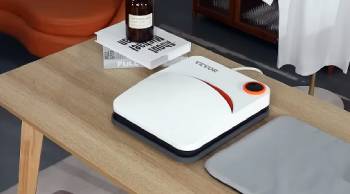
Analyzing user feedback and my personal workshop data reveals a clear picture of what works and what fails.
The machine offers several structural features worth highlighting alongside some severe technical flaws.
Detailed Advantages of the Unit
- Affordable Entry Point: The primary advantage is the exceptionally low initial retail cost compared to American-made manufacturing brands.
- Swing-Away Form Factor: The 360-degree rotation path completely clears the lower deck, protecting your hands from accidental contact with the upper plate.
- Multi-Functional Attachments: Many bundle packages include separate heating elements for baseball caps, ceramic mugs, and smaller plates.
- Thick Base Padding: The lower silicone sponge absorbs structural pressure smoothly, maintaining flat surfaces during initial cycles.
- Dual Digital Display: The control board tracks both targeted heat levels and remaining press seconds simultaneously.
Critical Product Flaws
- Thermal Instability: The internal heating loops suffer from severe layout spacing gaps, leading to chronic cool zones near the outer perimeter.
- Poor Circuit Overload Protection: The machine draws massive electrical current inconsistently, frequently tripping standard residential breaker switches.
- Defective Countdown Timers: Internal relay wires detach easily, causing the digital timer to freeze during pressing operations.
- Weak Structural Castings: The metal alloy used in the main pressure lever tends to bend or crack under maximum tension settings.
- Inadequate Assembly Documentation: The included manual provides vague operational guidelines, leaving users to decipher control settings through trial and error.
- Subpar Customer Support Access: Getting warranty parts requires navigating long email delays with minimal human technical assistance.
Comprehensive Maintenance Practices
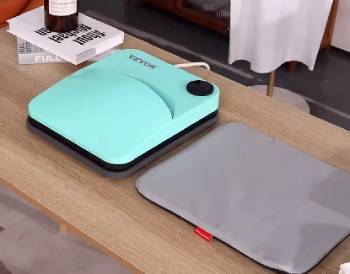
Keeping workshop hardware functional requires sticking to a strict maintenance routine.
Neglecting regular upkeep on an economical unit accelerates component failure drastically.
- Platen Surface Management
The upper aluminum heating surface must stay entirely clear of stray adhesive materials, plastisol ink residues, and loose fabric lint.
Clean the upper deck only when it is completely cool by wiping down the exterior with a dry micro-fiber cloth.
For stubborn plastic build-up, apply a mild soap solution using non-abrasive circular motions.
- Mechanical Joint Lubrication
The heavy pivot points, tension adjustment rods, and locking hinges experience intense friction during daily clamping tasks.
Apply a small drop of high-temperature machine oil to these joints every month to prevent grinding.
Check for loose structural bolts or worn lock nuts across the frame weekly.
Also Read: My Experience With Nori Press Steam Iron
Vevor Heat Press Machine Vs. Other Market Competitors
- Vevor Heat Press Machine Vs. Cricut Autopress
The Cricut Autopress delivers automated pressure adjustment technology wrapped in a sleek, consumer-friendly design.
Unlike the manual clamping arm of the budget model, the Autopress closes with minimal physical effort and opens automatically when the countdown ends.
The thermal consistency across the entire platen surface outperforms the budget option significantly.
However, it lacks any swing-away functionality, relying purely on a wide-opening clamshell path.
The Cricut unit restricts advanced manual pressure control, making it less versatile for thick materials.
The internal electronics run smoothly without overloading residential breakers, making it a far more reliable pick for hobby spaces.
- Vevor Heat Press Machine Vs. PowerPress Industrial
The PowerPress Industrial is a direct competitor in the budget space, utilizing a traditional vertical clamshell layout instead of a swing-away arm.
It takes up less horizontal desk space, though it increases the risk of knuckle burns against the hot upper plate.
The heating element in the PowerPress features tighter coil spacing, resulting in fewer cold spots during vinyl applications.
The digital control box feels more rugged, featuring physical buttons that resist wear better than the budget model’s membrane switches.
It handles repeated home business runs with fewer digital countdown glitches overall.
- Vevor Heat Press Machine Vs. Fancierstudio Power Heat Press
The Fancierstudio Power Heat Press features a heavy-duty industrial build that emphasizes functional durability over aesthetic design.
Its classic clamshell opening mechanism offers high downward pressure for sublimating rigid blanks.
The internal heat distribution remains more stable over consecutive hours of production compared to the unpredictable temperature drops seen in the budget unit.
The base silicone pad stays firmly glued to the lower frame, resisting shifting issues during garment placement.
While the Fancierstudio model looks basic, its electrical components survive continuous work cycles with far fewer fuse failures.
- Vevor Heat Press Machine Vs. Tusy Heat Press Machine
The Tusy Heat Press Machine provides another economical option with an emphasis on basic safety elements like automatic shut-off timers.
The handle design offers better leverage, reducing operator fatigue during long custom apparel projects.
Thermal profiling reveals that the Tusy unit warms up slightly faster, though it still suffers from minor edge temperature variances.
Its frame uses thinner gauge steel than the budget option, making it feel less sturdy when maximum downward clamping pressure is dialed in.
The control interface remains simpler, which limits advanced adjustments but reduces digital control board failures.
- Vevor Heat Press Machine Vs. Geo Knight JetPress
The Geo Knight JetPress represents a professional-grade alternative manufactured with high quality standards.
It utilizes a cast-aluminum heater block that distributes thermal energy perfectly up to the sharpest corners.
The digital timer and temperature display track real-time changes with laboratory precision, avoiding the erratic jumps common in the budget machine.
The mechanical frame features heavy steel pivot bars that do not warp under intense industrial clamping pressure.
The investment cost is notably higher, but the near-zero failure rate makes it the superior choice for serious businesses.
Also Read: My Experience With Oxiline Pressure Xs Pro
Frequently Asked Questions (FAQs)
The best brand depends on your operational scale and your business budget. For professional commercial shops, Geo Knight and Hotronix represent the gold standard due to their American-built frames, precise thermal distribution, and excellent long-term warranty support. For high-end hobbyists or home businesses, Cricut and PowerPress offer reliable mid-tier performance with fewer technical headaches.
The unit cannot handle the continuous demands of a commercial print shop environment. While it offers a large working surface and multi-functional attachments, the internal heating components struggle to maintain temperature over back-to-back cycles. The frequent electrical breaker trips and digital timer glitches will slow down high-volume production schedules.
This machine is manufactured in China and distributed globally through various online retail channels and logistics hubs. The overseas manufacturing model keeps the retail price exceptionally low, but it creates noticeable challenges for buyers seeking direct phone communication or fast replacement parts under warranty.
The unit typically takes between fifteen to twenty-five minutes to reach a standard production temperature of 350 degrees Fahrenheit. The exact warm-up period depends on your local workshop temperature and circuit voltage supply. The digital display may report reaching the target temperature before the outer plate edges are fully hot.
Final Thoughts
Analyzing this machinery from an engineering and production viewpoint reveals significant compromises in build quality.
The manufacturer reduces costs by using low-grade electrical components and wide heating element spacing inside the top plate.
This results in a high out-of-the-box failure rate, as seen across numerous e-commerce user reviews.
For small businesses trying to fulfill client contracts, a malfunctioning control box or a patchy transfer area destroys profit margins through ruined blank inventory.
The lack of reliable warranty support from the overseas manufacturer complicates things further.
If a machine breakdown halts your workflow, you are often left to fix the technical issues completely on your own.
Because of these documented flaws, I cannot recommend this unit as a reliable tool for consistent production.