
I tried Blue Devil Head Gasket Sealer after dealing with slow coolant loss and signs of an internal leak and decided to test it as a lower-cost alternative to a full head gasket job.
The main intent of this article is to share my real results on sealing performance driving behavior and how long the fix held so you can decide whether this sealer fits your situation.
My focus stays on careful application and observed changes rather than marketing claims alone.
You will see clear pros cons and direct comparisons that reflect actual use.
My Experience Using Blue Devil Head Gasket Sealer

I used Blue Devil Head Gasket Sealer on a high-mileage engine that was losing coolant without visible external leaks.
Symptoms included gradual coolant drop occasional rough running and reduced heater performance at idle which pointed toward combustion gases entering the cooling system.
I followed the core instructions by removing the thermostat flushing the system and running the sealer mixture for an extended idle period.
After the treated mixture circulated and the system was later refilled with proper coolant the daily coolant loss slowed dramatically.
Heater output at idle improved and the engine no longer showed the same pressure-related sputtering.
I drove several hundred miles in the first weeks and continued monitoring the reservoir level.
Over the following months the seal held through mixed city and highway use with no return of the previous rapid coolant consumption.
Compression and overall running quality stayed consistent once the process was complete.
I treated the result as a practical temporary-to-medium-term solution rather than a guaranteed permanent factory-level repair.
Overall the experience delivered a usable seal on a moderate internal leak when preparation and instructions were followed closely yet left the understanding that severe damage or future stress could still require mechanical work.
Key features such as the particulate-free formula compatibility with gasoline and diesel engines and claim of bonding to metal surfaces shaped a convenient pour-in option that worked in my case for an extended period.
My extended driving and monitoring supplied the concrete sealing and durability notes that follow.
Maintenance Tips for Best Results
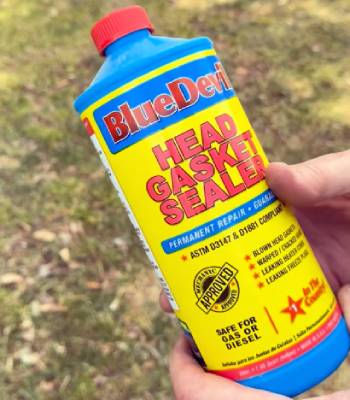
Proper preparation and follow-up care determine how well any chemical sealer performs.
Confirm the leak is internal and not an external hose radiator or water-pump issue before treatment.
Remove the thermostat so the product can circulate freely through the entire system.
Flush the cooling system thoroughly with water to remove old antifreeze and debris.
Mix and add the sealer exactly as the bottle directs and maintain the required idle time.
After the sealing period allow the engine to cool completely before further work.
Refill with the correct antifreeze-to-water ratio and bleed all air from the system.
Drive gently for the first days and check the coolant reservoir frequently.
Watch operating temperature and heater performance for any return of previous symptoms.
Keep records of mileage and coolant level so you can judge how long the seal remains effective.
These steps give the product its best chance while keeping expectations realistic about the difference between a chemical seal and a mechanical overhaul.
Thorough flushing and correct idle time matter more than rushing the process yet even careful application cannot fix every type of head-gasket failure.
Application Process Idle Time and Post-Seal Monitoring
Application process and post-seal monitoring decide whether a chemical head-gasket treatment produces a usable result or simply delays the inevitable repair.
I prepared the cooling system by removing the thermostat and thoroughly flushing out old antifreeze and debris.
The sealer was added to clean water and circulated during an extended idle period so it could reach the leak points under heat and pressure.
After the required running time the engine was allowed to cool completely before the system was refilled with the correct coolant mixture.
Air was bled carefully so no pockets remained that could create new hot spots.
In the first days of driving I checked the reservoir at every stop and watched the temperature gauge closely.
Coolant level stabilized and the previous rapid loss disappeared.
Heater performance at idle returned which indicated combustion gases were no longer entering the cooling circuit in the same volume.
Over the following weeks and months I continued periodic checks especially before longer trips.
The seal held through mixed driving conditions and seasonal temperature changes without return of the original symptoms.
Analytical review of the full sequence places success on strict adherence to preparation circulation time and ongoing observation.
Skipping the flush or shortening the idle period reduces the chance of a lasting seal.
Key features such as the particulate-free formula and the need for open thermostat flow support effective distribution when the steps are followed completely.
These process and monitoring details become convincing only after real mileage accumulates rather than after the initial idle cycle alone.
The realistic expectation is a functional medium-term seal on moderate leaks provided every preparation and follow-up step is completed and the engine is not already severely damaged.
Also Read: My Experience With Magic Crack Filler
Pros and Cons Of Blue Devil Head Gasket Sealer
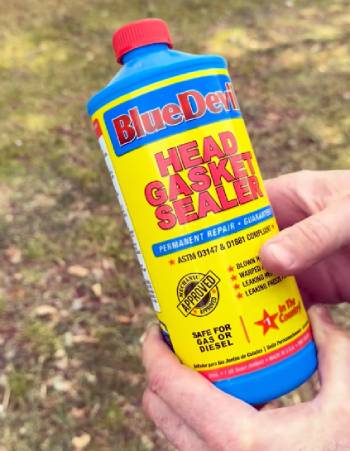
Pros Of Blue Devil Head Gasket Sealer
- No Special Tools Required: Straightforward process once the cooling system is prepared.
- Particulate-Free Formula: Designed to avoid clogging passages or heaters.
- Works on Multiple Leak Types: Aimed at head gaskets heater cores and freeze plugs.
- Compatible with Gas and Diesel: Broad engine coverage.
- Lower Cost than Head Work: Far cheaper than labor and parts for a full gasket job.
- Can Restore Coolant Stability: Many users stop rapid coolant loss after proper use.
- Improves Heater Function: Can clear vapor-lock style issues at idle.
- Extended Idle Activation: Allows the product time to reach and seal leak points.
- No Solid Particles: Reduces risk of blocking small passages.
- Available at Major Retailers: Easy to purchase when needed quickly.
The Analytical Cons Of Blue Devil Head Gasket Sealer
- Not a True Mechanical Repair: Cannot restore a badly warped or cracked head.
- Results Depend on Leak Severity: Large or multiple leaks often exceed its ability.
- Requires Careful Preparation: Thermostat removal and thorough flushing are essential.
- Success Is Not Guaranteed: Some engines show little or only short-term improvement.
- May Need Future Reapplication or Repair: Long-term durability varies widely.
- Idle Time Commitment: Extended running period is required for activation.
- Coolant Compatibility Steps: System must be cleaned of old antifreeze first.
- Not Ideal for Severe Overheating Damage: Extreme cases still need professional work.
- Monitoring Still Required: Coolant level and temperature must be watched afterward.
- Professional Diagnosis Remains Best: Proper testing confirms whether a sealer is appropriate.
Blue Devil Head Gasket Sealer Vs. Other Brands
- Blue Devil Head Gasket Sealer Vs. Bar’s Leaks Head Seal
Bar’s Leaks offers several head-gasket and cooling-system sealers at accessible prices.
I compared both approaches and found Blue Devil emphasized a particulate-free formula while Bar’s Leaks products sometimes use different sealing technologies.
Blue Devil required more precise preparation yet produced a solid result on my moderate leak.
Bar’s Leaks can be simpler for minor seepage yet may not address the same range of internal issues.
Choice depends on leak size and willingness to follow detailed steps.
- Blue Devil Head Gasket Sealer Vs. Steel Seal
Steel Seal is another liquid head-gasket treatment that claims permanent sealing.
Side-by-side research and use notes showed similar goals with differences in application details and user feedback consistency.
Blue Devil’s longer idle requirement and flush steps felt more involved.
Steel Seal users also report mixed long-term outcomes depending on damage level.
Both serve as stop-gap options rather than full mechanical replacements.
- Blue Devil Head Gasket Sealer Vs. K-Seal
K-Seal products target cooling-system leaks including head gaskets with a one-step style formula.
Direct comparison revealed K-Seal often marketed for easier pour-and-drive use.
Blue Devil demanded thermostat removal and extended idling for activation.
I preferred the more controlled process of Blue Devil for a known internal leak.
K-Seal may suit very minor external or small internal seepage cases.
- Blue Devil Head Gasket Sealer Vs. Professional Head Gasket Replacement
Professional head-gasket replacement restores the engine to proper mechanical condition with new gaskets and machining as needed.
Side-by-side reality showed that a sealer cannot match the reliability or longevity of correct repair.
Blue Devil offered a low-cost way to regain usable driving time.
Full replacement remains the definitive solution when budget and vehicle value support the work.
- Blue Devil Head Gasket Sealer Vs. Other Cooling System Sealers
Generic cooling-system sealers often focus on radiators and small external leaks.
I found Blue Devil more specifically positioned for head-gasket and combustion-side issues.
Ordinary stop-leak products rarely resolve pressure and heater symptoms caused by internal gasket failure.
Targeted head-gasket formulas provide a better match when diagnosis points to that problem.
Also Read: My Experience With Siloxa-Tek 8505 Vs. 8510 Oil Concrete Sealer
Frequently Asked Questions (FAQs)
It can seal mild to moderate internal leaks for many users when instructions are followed closely yet results vary with the extent of damage.
Some users report years and tens of thousands of miles while others see shorter relief depending on engine condition and driving stress.
The particulate-free formula is designed to avoid clogging yet improper use or treating an unsuitable failure can still leave underlying problems unresolved.
The standard Head Gasket Sealer is the primary formula intended for blown head gaskets heater cores and related internal leaks.
Final Thoughts
I used Blue Devil Head Gasket Sealer on a coolant-loss problem and regained stable levels and normal heater function for an extended period.
The main intent remains giving you honest observations on sealing success preparation effort and realistic durability so you can decide with clear information.
The product offers a practical lower-cost option for certain internal leaks yet works best as a carefully applied temporary-to-medium-term measure rather than a guaranteed permanent mechanical fix.
You now have the detailed experience to weigh whether it fits your engine’s condition and budget.


