I drank both Yerba Madre products and traditional yerba mate preparations for several months under the same daily routine.
The main intent of this article is to show the practical differences in taste sourcing energy feel and everyday convenience so you can choose the option that best matches your preferences and values.
My focus stays on real brewing sessions and ready to drink experiences rather than marketing claims alone.
You will see how the branded regenerative version compares with classic yerba mate.
| Feature | Yerba Madre | Traditional Yerba Mate |
| What It Is | Brand formerly Guayakí | The plant and traditional drink |
| Sourcing Focus | Regenerative organic certified partnerships | Varies widely by producer |
| Common Forms | Loose leaf and ready to drink cans | Loose leaf gourd and bombilla |
| Flavor Profile | Smooth organic shade grown | Ranges from bold to mild depending on cut |
| Best For | Convenient ethical daily use | Traditional ritual and custom preparation |
| Caffeine Experience | Steady clean energy | Similar stimulant profile |
My Experience Testing Both Side by Side

I began with traditional loose leaf yerba mate prepared in a gourd with a bombilla.
The first few sessions required learning the proper water temperature and filling technique.
The flavor came through earthy and slightly bitter with a strong herbal character that woke me up steadily.
I shared the gourd in the classic round style and the social aspect felt grounding.
I then switched to Yerba Madre loose leaf and their ready to drink cans for the next period.
The loose leaf version brewed with a similar earthy base yet tasted smoother and less aggressive on the stomach.
The canned versions offered consistent flavor and portability that fit busy mornings without any preparation.
Energy from both felt clear and sustained rather than jittery when I stayed within normal amounts.
I noticed the branded cans delivered reliable caffeine around one hundred fifty milligrams per serving.
Traditional preparations varied more depending on how long I steeped and how many refills I took.
After several weeks of alternating I appreciated the ritual of the traditional method and the convenience of the Yerba Madre options.
Key features such as shade grown organic leaves in the brand and the wide range of traditional cuts shaped the daily differences.
My extended side by side use supplied the concrete taste energy and practicality notes that follow.
Taste and Brewing Experience
Taste determines whether you reach for the drink every day.
Traditional yerba mate offers a broad spectrum from bold smoky to milder green profiles depending on the brand and cut.
I found some traditional leaves delivered a stronger bitter edge that required adjustment.
Yerba Madre loose leaf stayed consistently smooth with a balanced herbal note that felt refined.
The ready to drink cans removed any brewing variables and produced the same flavor every time.
Water temperature mattered more with traditional leaves.
Too hot and the bitterness increased.
Yerba Madre products forgave small variations more easily.
Analytical review of flavor consistency places Yerba Madre ahead for predictable results and traditional mate ahead for customizable intensity.
Key features of Yerba Madre include organic shade grown leaves that reduce harshness.
Key features of traditional yerba mate include the wide variety of regional styles and cuts.
Real daily cups confirmed that preference depends on whether you value ritual control or reliable convenience.
Energy and How the Body Responds
Energy delivery influences how the drink fits into work or training days.
Both options provide caffeine along with theobromine and other natural compounds that create a smoother lift than coffee alone for many people.
I felt alert without the sharp peak and drop I sometimes get from coffee.
Traditional mate energy varied with the strength of the brew and number of refills.
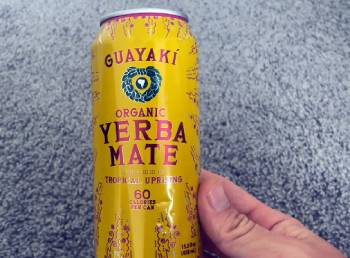
Yerba Madre cans delivered a steady measurable dose that stayed predictable.
Some users report feeling off after mate when consumed on an empty stomach or in high amounts.
I experienced mild queasiness only once when I drank a strong traditional brew too quickly without food.
Analytical scoring of energy quality calls both effective with Yerba Madre offering more consistent dosing.
Key features of both include the natural stimulant profile of Ilex paraguariensis.
Key features of Yerba Madre include standardized ready to drink servings.
Real morning and afternoon tests showed clean focus from both when used moderately.
Sourcing Ethics and Everyday Practicality
Sourcing and convenience affect long term satisfaction.
Yerba Madre emphasizes regenerative organic certification and direct partnerships with farming communities.
I valued the transparency around forest regeneration and fair practices.
Traditional yerba mate sourcing ranges from small family producers to larger conventional operations.
Some traditional brands also prioritize quality and sustainability while others focus mainly on price.
Preparation time differed sharply.
Traditional gourd method required setup and cleaning.
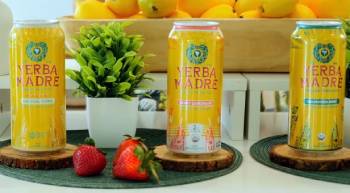
Yerba Madre cans opened and poured with zero effort.
Analytical review of practicality places Yerba Madre ahead for busy schedules and traditional mate ahead for cultural immersion.
Key features of Yerba Madre include certified regenerative practices and ready to drink formats.
Key features of traditional yerba mate include authentic ritual and lower cost bulk options.
Real lifestyle testing confirmed that the branded convenience won on rushed days while the traditional method won on relaxed weekends.
Pros and Cons Of Yerba Madre
Pros Of Yerba Madre
- Consistent Smooth Flavor: Organic shade grown leaves produce a balanced taste that avoids excessive bitterness in most preparations.
- Ready to Drink Convenience: Cans deliver reliable servings without any brewing equipment or cleanup.
- Regenerative Organic Focus: Certified practices support soil health forest regeneration and farming communities.
- Predictable Caffeine Dose: Standardized servings make energy intake easier to manage day to day.
- Clean Ingredient Profile: Many products contain only yerba mate or simple additional flavors without unnecessary additives.
- Portable Daily Option: Cans travel easily for work travel or outdoor use.
- Smooth Energy Curve: The natural stimulant mix supports alertness without sharp crashes for most users.
- Brand Transparency: Clear information on sourcing and mission helps align purchases with personal values.
- Versatile Formats: Loose leaf and canned options cover both ritual and convenience needs.
- Reduced Preparation Friction: Eliminates the learning curve of traditional gourd technique for new drinkers.
The Analytical Cons Of Yerba Madre
- Higher Cost per Serving: Branded and certified products usually price above basic traditional bulk yerba mate.
- Less Ritual Depth: Ready to drink formats remove the social and meditative aspects of shared gourd drinking.
- Flavor Standardization: Consistency can feel less adventurous than exploring varied traditional cuts and regional styles.
- Packaging Considerations: Cans create more waste than bulk loose leaf when used daily.
- Availability Dependence: Not every store carries the full range compared with widely distributed traditional brands.
- Sweetened Versions Exist: Some flavored cans contain added sugars that change the nutritional profile.
- Brand Premium Effect: Part of the price supports marketing and certification rather than leaf alone.
- Limited Customization: Fixed blends reduce the ability to adjust strength or style as freely as loose traditional leaves.
- Transition Confusion: The recent name change from Guayakí can cause temporary uncertainty for long time buyers.
- Focus on North American Market: Traditional South American cultural context receives less emphasis in the ready to drink experience.
Also Read: My Thoughts On Brainista Yerba Magic
Pros and Cons Of Traditional Yerba Mate

Pros Of Traditional Yerba Mate
- Authentic Cultural Ritual: Preparing and sharing from a gourd creates connection and slows the drinking experience.
- Wide Flavor Range: Different cuts aging methods and origins offer bold mild smoky or grassy profiles.
- Lower Cost Bulk Options: Large bags of loose leaf provide many servings at a modest price.
- Full Control Over Strength: Users adjust leaf amount water temperature and refill number to personal taste.
- Minimal Packaging: Bulk loose leaf reduces single use containers compared with canned drinks.
- Deep Historical Roots: Connects directly to Indigenous and South American traditions spanning centuries.
- Customizable Experience: Additions like herbs citrus or cold preparation for tereré expand possibilities.
- Steady Natural Energy: The plant’s stimulant combination supports focus when prepared mindfully.
- Social Sharing Tradition: The communal round of the gourd encourages presence and conversation.
- Accessible Entry Point: Simple loose leaf and basic equipment keep the barrier low for beginners.
The Analytical Cons Of Traditional Yerba Mate
- Preparation Learning Curve: Proper technique with gourd and bombilla takes practice to avoid bitterness or clogging.
- Time and Cleanup Required: Setup steeping and washing the gourd add steps that busy schedules may not allow.
- Variable Quality: Sourcing and processing differ widely and some commercial leaves taste harsh or inconsistent.
- Inconsistent Caffeine Delivery: Strength depends on personal brewing habits rather than fixed servings.
- Potential for Over Extraction: Repeated hot water refills can increase bitterness and stomach discomfort.
- Equipment Needs: Gourd bombilla and thermos become necessary for the full traditional experience.
- Storage Considerations: Loose leaf requires airtight containers to maintain freshness over time.
- Travel Inconvenience: Full traditional setup is less practical on the move compared with sealed cans.
- Stomach Sensitivity Risk: Strong brews on an empty stomach can cause queasiness in some people.
- Less Standardized Ethics: Not every traditional brand provides the same level of regenerative or organic verification.
Also Read: My Thoughts On Mateína Yerba Mate
Frequently Asked Questions (FAQs)
Yerba Madre is the new brand name adopted by the company formerly known as Guayakí as part of a 2025 rebrand focused on regenerative values.
The combination of caffeine theobromine and other compounds can cause unusual sensations especially on an empty stomach or in higher amounts for sensitive individuals.
No yerba mate is a traditional caffeinated plant drink and does not work through the same biological pathways as prescription medications like Ozempic.
Yerba Madre provides a clean organic source of yerba mate with natural caffeine and antioxidants that many people find beneficial when consumed in moderation.
Final Thoughts
I compared Yerba Madre and traditional yerba mate through months of real daily drinking to highlight the differences in convenience sourcing and experience.
The main intent remains giving you clear side by side observations on taste energy and practicality so you can select the form that fits your lifestyle and values.
Yerba Madre leads for ethical convenience and consistency while traditional yerba mate excels at ritual and customization.
You now have the detailed experience to decide which belongs in your cup.