I cooked on both the Traeger Scout and the Traeger Ranger for several weeks of backyard meals tailgates and weekend smokes.
The main intent of this article is to show the practical differences in temperature control hopper size weight and everyday cooking performance so you can choose the portable pellet grill that best matches your travel and meal needs.
My focus stays on real heat stability pellet runtime and flavor results rather than specification sheets alone.
You will see how each grill performs when you fire it up and put food on the grates.
| Feature | Traeger Scout | Traeger Ranger |
| Weight | Around 45 pounds | Around 60 pounds |
| Hopper Capacity | 4 pounds of pellets | 8 pounds of pellets |
| Temperature Control | 25 degree increments | Digital Arc 5 degree increments |
| Cooking Area | Approximately 176 to 184 square inches | Approximately 176 to 184 square inches |
| Max Temperature | 450 degrees F | 450 degrees F |
| Best For | Maximum portability and lighter loads | Longer cooks and precise temperature control |
My Experience Testing Both Grills Side by Side
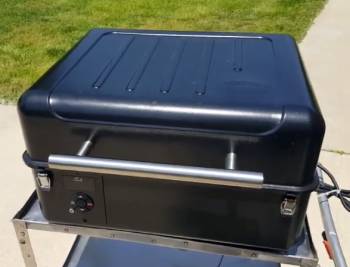
I started with the Traeger Scout on a series of shorter cooks including burgers chicken thighs and a small rack of ribs.
The lighter weight made it easy to carry from the garage to the driveway or load into the truck for a tailgate.
Temperature adjustments came in 25 degree steps which worked fine for basic grilling yet felt less precise when I wanted a steady low smoke.
The 4 pound hopper required a mid cook refill on anything longer than a couple of hours.
I then switched to the Traeger Ranger for the next block of sessions.
The extra weight showed when lifting yet the larger 8 pound hopper let me run longer smokes without interruption.
The Digital Arc controller allowed 5 degree adjustments and held temperature more steadily during overnight or multi hour cooks.
I seared steaks on the included cast iron griddle surface and finished them with wood smoke for excellent results.
Both grills delivered the classic Traeger pellet flavor and reached 450 degrees for higher heat searing.
Cleanup stayed similar with ash management and grate scraping.
Key features such as the Scout lighter build and the Ranger precise controller plus larger hopper shaped every practical difference.
My extended side by side use supplied the concrete heat stability runtime and portability notes that follow.
Temperature Control and Cooking Precision
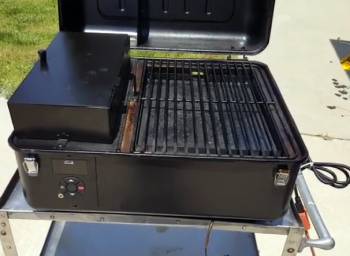
Temperature control decides how reliably the grill holds the set point for different cooking styles.
The Ranger Digital Arc controller adjusts in 5 degree increments and maintained tighter ranges during my low and slow sessions.
I set 225 degrees for ribs and watched the grill stay close without large swings.
The Scout controller steps in 25 degree increments which worked for higher heat grilling yet produced wider fluctuations on longer smoke cooks.
Both reach a maximum of 450 degrees and include a meat probe for internal food temperature.
Analytical review of precision places the Ranger clearly ahead for consistent smoking and the Scout ahead for simple set and forget grilling.
Key features of the Ranger include the finer controller resolution and Keep Warm capability in many configurations.
Key features of the Scout include reliable basic temperature management in a lighter package.
Real multi hour cooks confirmed the Ranger reduced the need for constant lid checks while the Scout performed well on shorter higher heat meals.
Hopper Size Runtime and Portability
Hopper size and weight affect how long you can cook and how easily you move the grill.
The Ranger 8 pound hopper supported longer unattended runs which proved useful for overnight brisket style cooks or all day tailgates.
The Scout 4 pound hopper needed more frequent refills on extended sessions.
At 45 pounds the Scout felt noticeably easier to lift and carry alone.
The Ranger at 60 pounds required more effort yet still fit in a truck bed or large vehicle.
Both share nearly identical external dimensions and cooking area suitable for small groups.
Analytical scoring of practicality places the Scout ahead for pure portability and the Ranger ahead for extended runtime.
Key features of the Scout include the reduced weight that simplifies travel.
Key features of the Ranger include the doubled pellet capacity that supports longer cooks.
Real transport and cooking tests showed the Scout excelled on quick trips while the Ranger handled full day or overnight sessions with fewer interruptions.
Build Flavor and Everyday Use
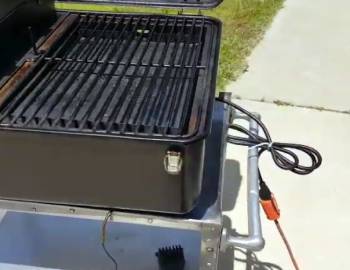
Build quality and wood fired flavor remain consistent across both models.
Both use powder coated steel construction and deliver authentic Traeger pellet smoke taste on everything from vegetables to proteins.
I cooked the same recipes on each and found the flavor profile nearly identical when temperatures stayed on target.
The Ranger often includes a cast iron griddle that expands searing and breakfast options.
Daily operation from startup to shutdown felt familiar on both with similar pellet feed and ash management.
Analytical review of overall usability calls both strong portable options with the choice driven by control precision versus weight.
Key features of both include compact design meat probe and 450 degree capability.
Real family and travel meals confirmed reliable performance from either grill when matched to the intended use.
Pros and Cons Of Traeger Scout
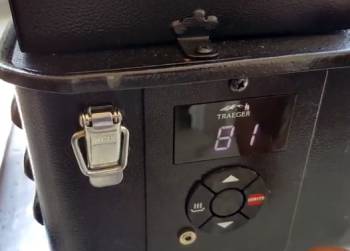
Pros Of Traeger Scout
- Lighter Weight: Around 45 pounds makes solo carrying and vehicle loading much easier for travel or camping.
- Good Portability: Compact size and reduced mass suit tailgates picnics and small outdoor spaces.
- Adequate Cooking Area: Roughly 176 to 184 square inches handles burgers chicken and small racks for couples or small groups.
- Simple Temperature Control: 25 degree increments work well for straightforward grilling and higher heat cooks.
- Lower Price Point: More accessible entry into Traeger portable pellet cooking.
- Reliable Pellet Flavor: Delivers classic wood fired taste on a wide range of foods.
- Meat Probe Included: Monitors internal food temperature without opening the lid.
- Quick Heat Up: Reaches cooking temperatures efficiently for shorter sessions.
- Easy Storage: Smaller overall footprint fits in garages or vehicle cargo areas.
- Solid Everyday Performance: Handles regular backyard and travel meals without complexity.
The Analytical Cons Of Traeger Scout
- Smaller Hopper Capacity: 4 pound pellet hopper requires more frequent refills on longer cooks.
- Coarser Temperature Steps: 25 degree increments limit fine control for precise low and slow smoking.
- Wider Temperature Swings: Less stable holding on extended low temperature sessions compared with finer controllers.
- Limited Long Cook Runtime: Not ideal for overnight or multi hour unattended smokes without attention.
- Fewer Premium Features: Lacks the advanced controller and often the griddle found on the Ranger.
- Less Suitable for Serious Smoking: Better as a portable grill than a dedicated long duration smoker.
- Potential Flameout Risk on Long Runs: Smaller hopper can empty during extended sessions if not monitored.
- Basic Controller Technology: Older style management compared with newer Digital Arc systems.
- Trade Off in Precision: Sacrifices fine temperature resolution for lighter weight.
- Not the Best for Large Groups: Cooking area suits smaller meals rather than big gatherings.
Also Read: Comparison Of Evo Flat Top Grill Alternatives
Pros and Cons Of Traeger Ranger

Pros Of Traeger Ranger
- Larger Hopper Capacity: 8 pound pellet hopper supports longer unattended cooks and fewer mid session refills.
- Precise Digital Arc Controller: 5 degree increments allow tighter temperature control for smoking and roasting.
- Better Temperature Stability: Holds set points more consistently during multi hour sessions.
- Cast Iron Griddle Option: Expands cooking to searing breakfast items and direct contact surfaces.
- Keep Warm Capability: Maintains lower temperatures after cooking to hold food ready.
- Same Compact Cooking Area: Matches the Scout in grate space while adding runtime advantages.
- Reliable Wood Fired Flavor: Produces classic Traeger smoke taste across proteins and sides.
- Meat Probe Standard: Tracks internal food temperatures accurately.
- Versatile for Longer Cooks: Handles overnight or full day sessions with less interruption.
- Strong Build Quality: Durable construction suited to regular portable use.
The Analytical Cons Of Traeger Ranger
- Heavier Weight: Around 60 pounds makes solo lifting and frequent transport more demanding.
- Higher Purchase Price: Costs more than the Scout for the added controller and hopper capacity.
- Reduced Pure Portability: Extra mass limits ease of carry compared with the lighter Scout.
- Still Compact Capacity: Cooking area remains best for small groups rather than large parties.
- Power Requirement: Needs electricity like other pellet grills which affects true off grid use.
- Learning Curve for Precision: Finer controls reward attention yet can feel detailed for casual users.
- Storage Footprint Similar: Dimensions match the Scout so space savings come mainly from weight differences.
- Potential Overkill for Simple Grilling: Advanced features go unused on short high heat cooks.
- Pellet Consumption on Long Runs: Larger hopper enables longer cooks yet still requires quality pellets.
- Vehicle Loading Effort: Heavier unit needs more care when packing for travel.
Also Read: My Experience With Captiva Designs Grill
Frequently Asked Questions (FAQs)
The main differences are the Ranger larger 8 pound hopper finer 5 degree temperature control and higher weight versus the Scout lighter 45 pound build smaller 4 pound hopper and 25 degree increments.
In Traeger portable grills the Ranger offers more precise temperature control and longer pellet runtime while the Scout prioritizes lighter weight and simpler operation.
The best Traeger model depends on needs with full size grills suiting home use and the Ranger or Scout suiting portable cooking based on control precision versus weight.
The Traeger Ranger is worth the money for users who value precise temperature control longer unattended cooks and the extra features over pure lightweight portability.
Final Thoughts
I compared the Traeger Scout and the Traeger Ranger through weeks of real cooking and travel to highlight the differences in control runtime and portability.
The main intent remains giving you clear side by side observations on temperature precision hopper capacity and everyday usability so you can select the portable pellet grill that fits your meals and movement.
The Ranger leads for longer precise cooks while the Scout excels at lightweight easy transport.
You now have the detailed experience to decide which Traeger portable belongs in your setup.