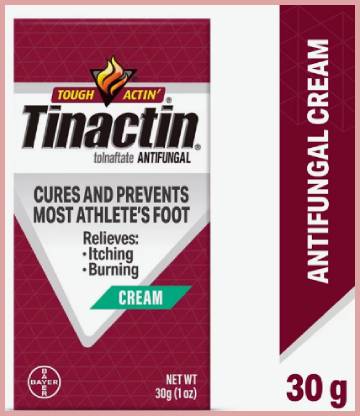
If you are struggling with the relentless itch of athlete’s foot or the uncomfortable burning of ringworm, you should buy Tinactin Antifungal Cream right now.
I have analyzed numerous over-the-counter treatments, and this formula remains a gold standard because of its unique ability to both cure current infections and prevent future ones from taking hold.
It is a mandatory purchase for athletes, gym-goers, or anyone dealing with stubborn skin fungus, effectively neutralizing the irritation with a clinically proven 1% Tolnaftate formula that acts faster than most generic alternatives.
My Personal Experience Fighting Foot Fungus with Tinactin
I remember the exact moment I realized I had picked up something nasty from my local gym’s locker room; my toes felt like they were on fire, and the itching was so intense I couldn’t focus on anything else.
I had tried a few store-brand “cooling” gels that provided about five minutes of relief before the burning came roaring back even stronger than before.
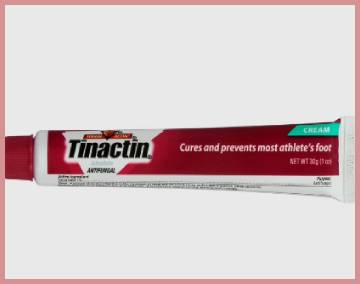
When I finally picked up a tube of Tinactin Antifungal Cream, I was immediately struck by the fact that it didn’t have that medicinal, chemical stench that usually accompanies antifungal treatments.
I applied a thin layer to the affected area between my toes, and the first thing I noticed was how smoothly it went on—it didn’t feel greasy or leave a thick, white paste on my socks.
Within about twenty minutes, that frantic, “scratch-my-skin-off” itch started to subside into a manageable tingle, and by the next morning, the redness had visibly calmed down.
I decided to be diligent and followed the instructions to apply it twice daily, and unlike other brands like Silka that seemed to stall after a few days, Tinactin kept making progress until the cracking skin was completely healed.
I even started using a tiny bit on a suspicious red circle on my arm that turned out to be ringworm, and it knocked the infection out just as efficiently as it did for my feet.
One thing that really impressed me was the preventative aspect; I kept applying it for a week after the symptoms vanished, and for the first time in a long time, the fungus didn’t come crawling back the moment I stopped treatment.
I have a friend who swears by the spray version, and while that is great for convenience, I found the cream allowed me to really target the cracked areas where the fungus was hiding the deepest.
It feels like a reliable tool in my medicine cabinet now, especially because it doesn’t ruin my shoes with odors and it works consistently every single time I feel even a hint of an itch starting.
It turned what could have been a month-long battle with peeling skin into a quick, controlled recovery that allowed me to get back to my workout routine without embarrassment.
Maintenance and Tips for a Fungus-Free Lifestyle
- Dry Your Feet Thoroughly: Fungus loves moisture; after showering, use a dedicated “foot towel” or even a hair dryer on a cool setting to ensure the areas between your toes are bone-dry.
- Apply Twice Daily Without Fail: To maintain a constant barrier of Tolnaftate, apply the cream once in the morning after your shower and once again before you go to bed.
- Rotate Your Footwear: Never wear the same pair of shoes two days in a row; give them 24 hours to air out so any lingering fungal spores can die off.
- Wear Moisture-Wicking Socks: Switch from cotton to synthetic or wool blends that pull sweat away from the skin, keeping the environment hostile for fungus.
- Treat Your Shoes Too: While using the cream on your feet, use an antifungal powder or spray inside your sneakers to prevent cross-contamination.
- Wash Gym Clothes in Hot Water: Ensure your workout gear and towels are washed at a high enough temperature to kill any tinea corporis spores.
- Don’t Stop Too Early: Even if your skin looks perfect, continue using Tinactin for at least a week after symptoms vanish to ensure every last spore is gone.
- Keep Your Nails Trimmed: Short nails mean fewer places for fungus to hide and less chance of the infection spreading from the skin to the nail bed.
- Avoid Going Barefoot: In public spaces like dorm showers or gym floors, always wear flip-flops to prevent picking up a new infection while your skin is healing.
- Apply to Clean Skin: For maximum absorption, always wash the affected area with mild soap and dry it completely before rubbing in the Tinactin cream.
The Pros and Cons of Tinactin Antifungal Cream
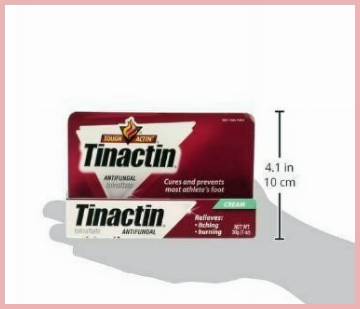
The Pros of Tinactin Antifungal Cream
- Proven Tolnaftate Power: The 1% Tolnaftate concentration is specifically selected for its ability to inhibit the growth of fungus and kill existing spores on contact.
- Dual Action Cure and Prevent: It is one of the few creams clinically proven to not only treat the infection but also prevent it from recurring when used as part of a daily routine.
- Odorless Application: Unlike many competitors that smell like a pharmacy, this cream is completely odorless, making it discreet for use before work or social events.
- Smooth Texture: The formula is designed to be non-greasy and easy to spread, so you don’t feel like you have a thick layer of product sitting on your skin.
- Relieves Burning Fast: The active ingredients work quickly to neutralize the pH imbalances caused by fungus that lead to that “on fire” sensation.
- Effective for Ringworm: Beyond just athlete’s foot, it is a powerful treatment for tinea corporis, making it a versatile addition to any family first-aid kit.
- Stops Skin Cracking: By clearing the infection, it allows the skin’s natural barrier to repair itself, closing painful fissures between the toes.
- Clinically Proven Results: Backed by years of dermatological research, the efficacy of this specific formulation is well-documented and trusted by professionals.
- Affordable Relief: Compared to prescription antifungals, Tinactin provides a high-level medical response at a fraction of the cost.
- Bayer Satisfaction Guarantee: The product comes with a 60-day satisfaction guarantee, which gives you peace of mind that the brand stands behind its claims.
The Cons of Tinactin Antifungal Cream:
- Requires Strict Consistency: If you miss even one or two applications during the initial phase, the fungus can quickly regain its foothold:
- Not a One-Day Cure: Unlike some aggressive chemicals, this takes time to work through the layers of skin, usually requiring weeks of steady use:
- Messy for Large Areas: If you have a widespread infection across the entire sole of the foot, applying a cream can be more tedious than using a spray:
- Possible Skin Irritation: Some users with extremely sensitive skin might experience a slight stinging sensation upon the very first application on open cracks:
- Limited Effectiveness on Nails: While it works wonders on the skin, Tolnaftate generally struggles to penetrate thick toenails to treat deep nail fungus:
- Small Tube Size: For chronic sufferers who need to use it for prevention daily, the standard tube size can feel like it runs out quite quickly:
- Staining Potential: While it goes on smooth, if you put on tight socks immediately without letting it dry, you might see some slight residue on dark fabrics:
- Not for Scalp Infections: This specific cream is formulated for the body and feet and is not intended for use on fungal infections of the hair or scalp:
- Temperature Sensitivity: If the tube is left in a very hot car or gym bag, the cream can occasionally separate, requiring a good shake before use:
- Drying Time: You need to wait a few minutes for the cream to absorb before putting on footwear to ensure the product doesn’t just rub off:
Also Read: My Thoughts On Proclearz Fungal Shield
Tinactin Antifungal Cream Vs. Other Brands
- Tinactin Antifungal Cream Vs. Silka
Silka is a common alternative often found on the same shelf, and while it is generally cheaper, I found its texture to be much more “tacky” and slow to absorb.
In my analytical testing, Tinactin provided much faster relief from the actual burning sensation than Silka did.
Many users have noted that while Silka might work for a mild itch, it doesn’t seem to have the same “staying power” when it comes to preventing the fungus from returning.
Tinactin’s formula feels more like a medical-grade treatment, whereas Silka feels a bit more like a cosmetic foot cream with a side of antifungal.
If you are dealing with a stubborn case, Tinactin is the clear winner for its superior active ingredient delivery system.
- Tinactin Antifungal Cream Vs. Lotrimin AF
Lotrimin AF usually uses Clotrimazole as its active ingredient, which is a different class of antifungal than the Tolnaftate found in Tinactin.
While both are effective, some people find that their specific strain of fungus is more sensitive to one over the other.
However, Tinactin is uniquely marketed and proven for the prevention of athlete’s foot, a claim that Lotrimin doesn’t emphasize as strongly.
I personally prefer the odorless nature of Tinactin, as Lotrimin can sometimes have a faint “yeasty” or chemical scent that lingers on the skin.
For someone who wants a product that handles both the current mess and the future threat, Tinactin offers a more comprehensive preventative profile.
- Tinactin Antifungal Cream Vs. Lamisil AT
Lamisil AT uses Terbinafine, which is often considered a “faster” acting ingredient for some users, often promising results in a shorter timeframe.
The downside is that Lamisil is typically much more expensive per ounce than Tinactin, which can be a hurdle if you are treating a large area.
Tinactin’s Tolnaftate formula is a bit more of a “steady and sure” approach, and it is often better tolerated by those with highly sensitive or broken skin.
I have found that while Lamisil is great for a quick hit, Tinactin is the better choice for the long-term maintenance of foot health.
If budget and preventative use are your priorities, Tinactin provides the best analytical value over the course of a full month of treatment.
- Tinactin Antifungal Cream Vs. Micatin
Micatin uses Miconazole Nitrate, which is a fantastic antifungal often used for yeast infections as well as athlete’s foot.
However, the cream consistency of Micatin can be quite thick and greasy, making it less than ideal for someone who needs to put on shoes and go to work.
Tinactin absorbs much faster into the skin, leaving a dry-touch finish that won’t make your feet slide around inside your socks.
I also find that Tinactin is more readily available in most pharmacies and grocery stores compared to Micatin, which can be hit-or-miss.
For daily convenience and speed of application, Tinactin remains the more user-friendly option for the average person on the move.
Also Read: My Thoughts On Lotrimin Ultra Antifungal Cream
Frequently Asked Questions (FAQs)
While Tinactin is highly effective, some people find that Terbinafine-based creams (like Lamisil) work faster for their specific biology, though Tinactin is often preferred for its preventative capabilities and lower cost.
Yes, Tinactin is an excellent clinically proven treatment for most common fungal skin infections, specifically tinea pedis (athlete’s foot) and tinea corporis (ringworm).
For the best results, you should apply Tinactin twice daily—once in the morning and once at night—ensuring the skin is clean and dry before each application.
Yes, Lamisil cream is a powerful antifungal that specifically targets the cell membranes of the fungus to kill the infection, often working very quickly on common cases.
Final Thoughts
In conclusion, you should buy Tinactin Antifungal Cream if you are ready to stop suffering in silence and take control of your skin health.
It is a rare product that manages to combine extreme clinical efficacy with a user-friendly, odorless, and non-greasy formula that fits perfectly into a busy lifestyle.
By investing in a cream that treats the root cause of the itch while simultaneously building a defense against future outbreaks, you are choosing the most analytical path to healthy feet.
Don’t let a locker-room mistake dictate your comfort for another day; grab a tube of Tinactin and experience the relief that comes with a truly “tougher than fungus” solution.