When you standardise your home baking routines, choosing between Red Star and Fleischmann’s yeast determines how your dough rises, handles, and develops deep bread flavor.
I spent years baking sourdoughs, brioches, and sandwich loaves to evaluate how both commercial brands perform across different proofing environments.
In this breakdown, I will evaluate Red Star against Fleischmann’s so you can buy the ideal yeast for your kitchen goals.
| Feature | Red Star Yeast | Fleischmann’s Yeast |
| Parent Company | Lesaffre Group | Associated British Foods (AB Mauri) |
| Core Product Line | Active Dry, Quick-Rise, Platinum Premium Dough Enhancer | Active Dry, RapidRise, Bread Machine, Pizza Crust Yeast |
| Dough Enhancer Presence | Platinum line includes dough conditioners and enzymes | RapidRise PLUS includes dough enhancers for high rise |
| Fermentation Speed | Steady, consistent, moderate speed control | Fast, aggressive initial rise rate |
| Flavor Profile | Mild, clean yeast flavor with minimal sour notes | Classic, slightly punchy standard yeast profile |
| Cold Fermentation Performance | Exceptional stability in overnight refrigeration | Fast start, can over-proof quickly during long rests |
| Sourced Strain Characteristics | Natural, clean-label focus with non-GMO options | Industrial high-activity yeast strain for speed |
| Availability | Widely available in supermarkets, bulk bags, and club stores | Ubiquitous in almost all North American grocery chains |
Real World Testing Experience With Household Yeast Brands
Testing baking yeast across different kitchen temperatures gives you immediate feedback on dough development.
I started my evaluation by making identical white sandwich loaves using standard active dry yeast from both brands.
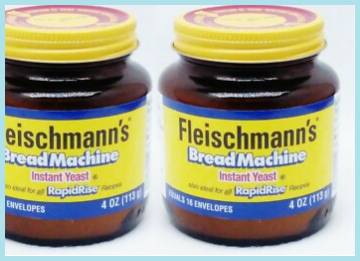
When I bloomed Fleischmann’s Active Dry Yeast in warm water, it foamed rapidly within five minutes, showing high immediate cell activity.
The initial rise in the bowl was energetic, producing a light dough that expanded quickly during early proofing.
However, during a secondary cold ferment in the refrigerator, the Fleischmann’s dough tended to reach its peak fast and began losing structural gas retention after eighteen hours.
When I switched to Red Star Active Dry Yeast, the initial bloom took a minute longer to build a dense foam head.
Once mixed into the flour, Red Star delivered a smooth, predictable, and remarkably stable fermentation rate.
The dough expanded with uniform air pockets, resulting in a tight, fine crumb structure that held its shape during baking.
During overnight cold fermentation, the Red Star dough remained resilient without collapsing or over-proofing.
If you want a rapid, fast-acting rise for quick weekday bakes, Fleischmann’s offers aggressive speed that gets bread into the oven quickly.
If you prefer controlled fermentation, superior dough strength, and forgiving proofing windows, Red Star proves to be the more dependable choice.
Biological Mechanics, Fermentation Activity, and Gas Retention
Understanding how dry yeast cells rehydrate explains why these two heritage brands perform differently in flour mixtures.
Active dry yeast undergoes a specialized gentle drying process that leaves a shell of dead yeast cells surrounding active living cores.
When dissolved in warm liquid, those protective dead cells release glutathione, an amino compound that relaxes gluten strands in your dough.
Fleischmann’s optimizes its yeast strains for rapid carbon dioxide production, causing the gluten matrix to expand quickly.
This rapid gas expansion works well for simple sandwich breads and sweet rolls where quick turnarounds matter.
Red Star utilizes specific yeast cultures from Lesaffre that focus on structural stability and enzymatic activity.
Red Star’s Platinum line includes added dough conditioners, specifically alpha-amylase and xylanase enzymes.
These enzymes break down complex starches into simple fermentable sugars, strengthening the gluten network while feeding the yeast continuously.
As a result, Red Star doughs develop better oven spring and resist collapsing when handled or scored.
Furthermore, the controlled gas release prevents large uneven air pockets, creating an even crumb that slices cleanly without crumbling.
This biological balance makes Red Star particularly effective for heavy whole grain flours, enriched doughs, and high-hydration artisan recipes.
Product Variations Across The Red Star and Fleischmann’s Catalogs
Both brands offer distinct product lines designed for specific baking applications and time constraints.
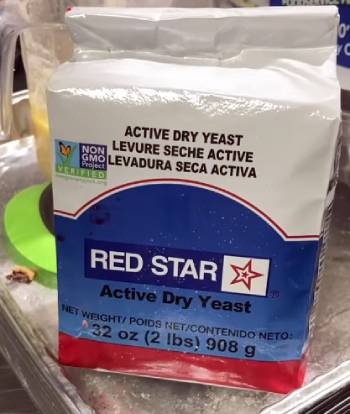
Red Star Active Dry Yeast is the traditional choice that requires blooming in warm liquid before mixing with dry ingredients.
Red Star Quick-Rise Yeast is finely granulated, allowing you to blend it directly into dry flour without prior proofing.
Red Star Platinum is a unique instant yeast blended with dough enhancers that increase dough tolerance and volume.
Red Star also produces an All-Natural and Organic Instant Yeast line for bakers seeking clean-label certifications.
Fleischmann’s Active Dry Yeast serves as the classic grocery store staple for traditional two-rise bread recipes.
Fleischmann’s RapidRise Yeast is formulated to save time by eliminating the first dough rise step entirely.
Fleischmann’s Bread Machine Yeast is optimized for the rapid heating cycles and automated mixing paddles of home bread makers.
Fleischmann’s Pizza Crust Yeast includes added dough relaxers that prevent the dough from snapping back when rolled out thinly.
If you bake delicate artisan loaves or long-fermented pizza doughs, Red Star’s line provides superior control.
If you rely on quick-bake programs or specialized pizza doughs, Fleischmann’s offers targeted convenience.
Maintenance Tips for Daily Yeast Storage and Handling
Proper storage protocols preserve yeast cell viability, maintain consistent rising power, and prevent premature fermentation failures. You should follow these essential guidelines to keep your commercial yeast fresh over extended baking periods.
- Temperature and Moisture Control
Keep unopened packets and jars of dry yeast in a cool, dry pantry away from direct sunlight and heat-generating appliances.
Once you open a glass jar or vacuum-sealed foil package, exposure to ambient air and humidity rapidly degrades yeast vitality.
Store opened yeast in an airtight container inside the refrigerator for up to six months or in the freezer for up to a year.
Cold temperatures suspend metabolic activity, preserving living yeast cells until you are ready to bake.
- Water Temperature Verification
When blooming active dry yeast or mixing instant yeast with liquids, always use a digital probe thermometer to check liquid temperatures.
Active dry yeast requires liquid between 105°F and 115°F (40°C to 46°C) to rehydrate properly without damage.
Instant and fast-rising yeasts mixed directly into dry flour can handle slightly warmer liquids between 120°F and 130°F (49°C to 54°C).
Temperatures exceeding 140°F (60°C) will kill active yeast cells instantly, leaving you with flat, unrisen dough.
- Freshness Testing Before Baking
If your opened yeast jar has been sitting in cold storage for several months, test its viability before starting a fresh batch of dough.
Mix one-quarter teaspoon of dry yeast and one-half teaspoon of sugar into one-quarter cup of warm water at 110°F.
Allow the mixture to sit undisturbed at room temperature for ten minutes. If the solution swells, foams, and produces a thick frothy head with a distinct yeast smell, your yeast remains fully active and safe for baking.
Also Read: My Experience With Weider Red Yeast Rice Plus
Real-World Use Cases and Specific Baker Scenarios
Selecting between Red Star and Fleischmann’s depends on your baking schedule, recipe choices, and skill level.
If you bake overnight no-knead bread or cold-fermented artisan pizza crusts, Red Star offers the controlled rise you need.
Its steady biological activity prevents the dough from blowing out or developing large unsightly air cavities during long rests.
The Red Star Platinum line excels when working with heavy whole wheat flours that struggle to achieve volume.
The built-in enzymes break down tough starches, giving dense whole grain loaves a lighter, loftier structure.
If you need to make quick dinner rolls, cinnamon buns, or weekday sandwich bread within two hours, Fleischmann’s RapidRise is engineered for your kitchen.
Its aggressive gas production gets your dough expanded and into the oven quickly.
For automated bread machines, Fleischmann’s Bread Machine Yeast delivers consistent performance timed to standard machine bake cycles.
If you prioritize rise stability and flavor depth, choose Red Star.
If you prioritize speed, convenience, and wide availability, choose Fleischmann’s.
Pros and Cons of Red Star Yeast
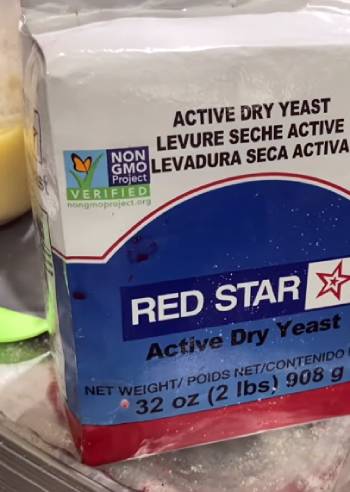
Pros of Red Star Yeast
- Superior Dough Stability: Delivers a steady, controlled rise rate that prevents accidental over-proofing during long fermentation cycles.
- Platinum Enhancer Option: The Platinum series incorporates specialized enzymes that boost dough strength and maximum volume.
- Clean Flavor Profile: Produces a clean, mild grain aroma without overpoweringly harsh yeasty notes in the final crumb.
- Forgiving Proofing Window: Offers flexibility if you leave your dough on the counter a few minutes past its peak proofing time.
- Organic and Natural Choices: Provides non-GMO and organic certified yeast options for health-conscious home bakers.
- Excellent Cold Storage Tolerance: Performs reliably during multi-day cold retard cycles in the refrigerator.
Cons of Red Star Yeast
- Slightly Slower Initial Action: Standard active dry options take slightly longer to reach full height compared to fast-rise competitors.
- Slightly Less Common in Small Stores: Certain specialized varieties like Platinum or Organic can be harder to find in basic grocers.
- Requires Precise Temperature Control: Sensitive to liquid temperatures during blooming to avoid stunning active yeast cells.
Pros and Cons of Fleischmann’s Yeast
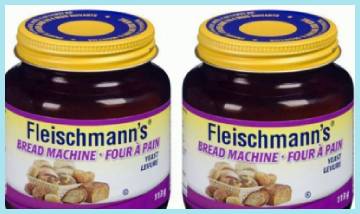
Pros of Fleischmann’s Yeast
- Rapid Fermentation Speed: High-activity strains drive fast rise times, helping you bake bread in shorter timeframes.
- Unmatched Retail Availability: Stocked in virtually every grocery store, supermarket, and corner market across North America.
- Specialized Application Formulas: Tailored options like Pizza Crust Yeast make specific dough shaping effortless.
- Vigorous Blooming Response: Foams quickly and aggressively in warm water, giving instant visual proof of activity.
Cons of Fleischmann’s Yeast
- Narrow Proofing Window: Fast fermentation means dough can quickly over-proof and collapse if not watched closely.
- Potential for Pungent Yeast Aroma: Rapid gas production can sometimes impart a stronger yeast odor to white breads.
- Less Forgiving in Cold Ferments: Can exhaust its sugar food supply too quickly during extended multi-day cold rises.
- Lack of Enzyme Conditioners in Standard Lines: Basic active dry lacks built-in dough strengthening enzymes found in premium competitors.
Also Read: My Experience With Femiclear Yeast Infection
Frequently Asked Questions (FAQs)
Neither yeast is universally superior, as Fleischmann’s offers faster fermentation and wider availability, while Red Star delivers a more stable rise rate, better dough tolerance, and clean flavor development.
Yes, Red Star is an exceptional yeast brand produced by Lesaffre, widely trusted by commercial bakers and home enthusiasts for its quality, consistency, and innovative Platinum dough enhancer formula.
Red Star (particularly Red Star Platinum) and its sister brand SAF-Instant are often considered the best all-around commercial yeasts by professional bakers due to their reliable rise performance and dough conditioning qualities.
Yes, Fleischmann’s is a highly reliable, high-performing yeast brand that has been a gold standard in home baking for over a century, offering fast rise times and dependable results.
Final Thoughts
Deciding between Red Star and Fleischmann’s yeast comes down to whether you value fast fermentation or steady dough stability.
If you want a dependable yeast that gives you maximum dough control, superior volume, and forgiving proofing windows, I recommend you buy Red Star yeast today.
However, if you need fast results for quick weekday bakes or want specialized pizza crust formulas, you should pick up Fleischmann’s instead.
Using the right yeast for your specific baking routine will improve your bread texture and elevate your home baking confidence.