I used both ProForm Lite Blue and ProForm Plus 3 joint compounds on actual drywall projects under the same conditions.
The main intent of this article is to show the practical differences in weight shrinkage sanding ease and best use cases so you can choose the right ready mix for your finishing work.
My focus stays on real application feel coverage and final surface quality rather than brochure claims alone.
You will see how the lightweight Lite Blue compares with the more versatile Plus 3.
| Feature | ProForm Lite Blue | ProForm Plus 3 |
| Weight Class | Lightweight (approx 30% lighter) | Mid-weight / multi-use |
| Shrinkage | Up to 33% less than conventional | Moderate |
| Best Primary Use | Finish coats spotting fasteners corner bead | Taping plus finishing |
| Sanding Ease | Excellent | Very good |
| Adhesion Strength | Good for finish work | Stronger for embedding tape |
| Best For | Easy finishing less fatigue | All around joint work |
My Experience Testing Both Compounds Side by Side
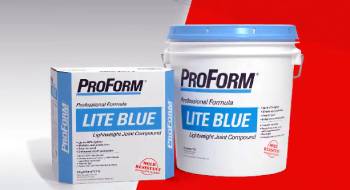
I mixed and applied both compounds on the same set of drywall joints and fastener rows.
Lite Blue came out of the bucket lighter and spread with less effort across the board.
It pulled smoothly under the knife and left fewer ridges on the first pass.
Shrinkage stayed low so the second coat needed less build.
Sanding produced a smooth surface with less clogging of the sandpaper.
Plus 3 felt slightly denser in the pan yet still workable.
It gripped the tape more firmly during embedding and held a stronger edge on corner bead.
I needed a bit more pressure to spread it but the finished bond felt solid.
Both compounds dried to a sandable state in normal indoor conditions.
Key features such as Lite Blue’s reduced weight and lower shrinkage versus Plus 3’s stronger adhesion shaped the different working experiences.
My extended side by side use supplied the concrete application sanding and final surface notes that follow.
I paid attention to how each felt after several hours of work and how the dried surface accepted primer.
Neither compound caused major issues when used for its intended purpose.
The choice came down to whether I needed maximum ease on finish coats or stronger all purpose performance.
Weight Workability and Application Feel
Weight and workability decide how tiring a full day of finishing becomes.
Lite Blue is noticeably lighter in the bucket and on the knife.
I could carry pails farther and apply longer without the same arm fatigue.
It spread easily and required less force to feather the edges.
Plus 3 sits in the mid-weight range.
It still spreads cleanly but feels more substantial during long sessions.
The extra body helped when I needed the compound to stay in place on vertical surfaces.
Analytical review of daily workability places Lite Blue ahead for reduced fatigue and easier pull.
Plus 3 stays ahead when stronger body and adhesion matter more.
Key features of Lite Blue include the lightweight formula that lowers physical strain.
Key features of Plus 3 include balanced body that supports both taping and finishing.
Real job site use confirmed both remain workable for full shifts when matched to the task.
Shrinkage Coverage and Final Surface Quality
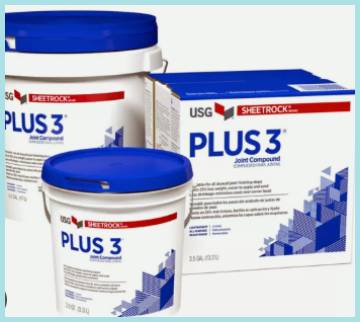
Shrinkage and coverage affect how many coats you need and how flat the final wall looks.
Lite Blue shrinks less so the surface stayed closer to flush after drying.
I used less material overall on finish coats and saw fewer depressions that required extra filling.
The dried surface sanded smooth with minimal pocking.
Plus 3 showed normal mid-weight shrinkage.
It still produced a solid surface but needed slightly more attention on the final coat to achieve the same flatness.
Analytical scoring of surface quality places Lite Blue ahead for low shrinkage finish work.
Plus 3 performs reliably across a wider range of coats.
Key features of both include ready mixed consistency and good sanding characteristics.
Real finishing sessions confirmed either compound can deliver a paint ready surface with proper technique.
Best Use Cases Adhesion and Project Fit
Best use cases and adhesion strength determine which compound belongs on which stage of the job.
Lite Blue excels at spotting fasteners finishing joints and covering corner bead.
I reached for it when the tape was already embedded and I wanted an easy final surface.
Plus 3 handled embedding tape more confidently and still worked for finishing.
The stronger bond gave me more confidence on the first coat.
Analytical review of project fit places Lite Blue ahead for pure finishing stages.
Plus 3 stays ahead for mixed taping and finishing on the same project.
Key features of Lite Blue include mold resistance and low VOC content.
Key features of Plus 3 include versatile adhesion suitable for multiple steps.
Real project use confirmed both products succeed when applied to the jobs they suit best.
Also Read: My Experience With Euro Wall
Pros and Cons Of ProForm Lite Blue
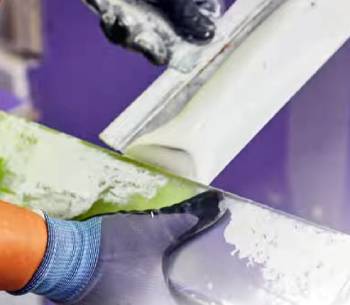
Pros Of ProForm Lite Blue
- Approximately 30 Percent Lighter: Reduces carrying and application fatigue on large jobs.
- Up to 33 Percent Less Shrinkage: Produces a flatter surface with fewer follow up fills.
- Excellent Sanding Characteristics: Creates a smooth finish with less effort and less clogging.
- Easy Pull and Spread: Applies smoothly under the knife for faster finishing work.
- Superior Finish Quality: Shows less pocking and pin holing on the final surface.
- Ideal for Finish Coats: Performs best on spotting fasteners and final joint coats.
- Covers Corner Bead Efficiently: Often achieves good coverage in two coats.
- Mold Resistant Formula: Adds protection in moisture prone areas.
- Low VOC Content: Meets strict indoor air quality standards.
- Ready to Use Consistency: Mixes quickly and stays workable from the bucket.
The Analytical Cons Of ProForm Lite Blue
- Not Ideal for Embedding Tape: Lighter formula offers less aggressive adhesion for the first taping coat.
- Lower Overall Body: Can feel less substantial on heavy fill situations.
- Specialized Rather Than Universal: Works best as a finishing compound rather than true all purpose.
- Availability Varies by Region: Stock levels can differ depending on local suppliers.
- Premium Lightweight Pricing: Costs more per unit than basic heavyweight compounds in some markets.
- Requires Proper Technique: Still needs correct knife work to achieve the best surface.
- Less Durable for Extreme Builds: Not the first choice for very thick applications.
- Learning Curve for New Users: Finishers used to heavier mud may need adjustment time.
- Not a Setting Type Compound: Remains a drying ready mix with standard recoat timing.
- Project Stage Limitation: Best reserved for later coats once tape is secure.
Pros and Cons Of ProForm Plus 3
Pros Of ProForm Plus 3
- Stronger Adhesion for Taping: Bonds tape more securely on the first coat.
- Versatile Mid Weight Formula: Handles both embedding and finishing on the same project.
- Good Body and Control: Stays in place well on vertical surfaces and edges.
- Reliable All Around Performance: Supports multiple stages of drywall finishing.
- Solid Sanding Results: Produces a clean surface ready for primer and paint.
- Balanced Workability: Spreads cleanly without excessive effort.
- Durable Finished Surface: Holds up well under normal interior conditions.
- Familiar Contractor Feel: Matches the expectations of finishers used to mid weight mud.
- Consistent Ready Mix Quality: Performs predictably from bucket to bucket.
- Suitable for Full Joint Systems: Can carry a project from tape to final coat when needed.
The Analytical Cons Of ProForm Plus 3
- Heavier Than True Lightweight Options: Increases fatigue on long finishing days compared with Lite Blue.
- More Shrinkage Than Lite Blue: May require extra attention on final coats to keep the surface flat.
- Less Specialized for Pure Finishing: Does not match the ultra low shrinkage of dedicated lightweight formulas.
- Slightly More Effort to Spread: Requires a bit more knife pressure than the lightest compounds.
- Not the Absolute Easiest Sand: Still sands well yet trails the easiest lightweight options.
- Mid Weight Compromise: Sits between full heavyweight and ultra light without dominating either extreme.
- Regional Naming Variations: Exact positioning can differ by market and supplier.
- Standard Drying Time: Does not offer the rapid recoat of setting type compounds.
- Potential for More Material Use: Higher shrinkage can increase overall consumption on large jobs.
- Less Fatigue Reduction: Carrying and applying feels more traditional than true lightweight mud.
Also Read: Comparison Of PPF Vs. Repaint
Frequently Asked Questions (FAQs)
Lite Blue is better for easy finishing and low shrinkage while Plus 3 is better when you need stronger adhesion for taping plus finishing.
Yes ProForm Lite Blue is good for finish coats spotting fasteners and corner bead thanks to its light weight and low shrinkage.
Plus 3 is typically a mid weight multi use formula while ultra lightweight compounds like Lite Blue focus on reduced weight and shrinkage for finishing stages.
Use ProForm Lite Blue for finishing joints spotting fasteners and covering corner bead after the tape has already been embedded.
Final Thoughts
I compared ProForm Lite Blue and Plus 3 through real drywall finishing work to highlight the differences in weight shrinkage and best application stages.
The main intent remains giving you clear side by side observations on workability surface quality and project fit so you can select the right joint compound for the job.
Lite Blue leads for easy low shrinkage finishing while Plus 3 excels at versatile taping and finishing performance.
You now have the detailed experience to decide which ProForm compound belongs on your next project.