I tested Pioneer Woman cookware after seeing the colorful designs and budget-friendly claims and decided to try it for everyday cooking.
The main intent of this article is to share my actual results on heat performance durability non-stick life and overall value so you can decide whether this cookware belongs in your kitchen.
My focus stays on real stovetop results during daily meal prep rather than marketing promises alone.
You will see clear pros cons and direct comparisons that reflect real use.
My Experience Using Pioneer Woman Cookware
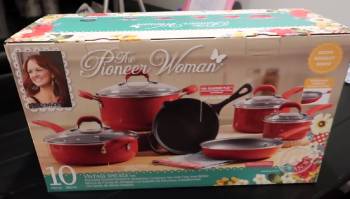
I cooked with a Pioneer Woman non-stick set for several weeks of regular meals.
The pans looked bright and cheerful on the stovetop and felt light in the hand.
Eggs and delicate foods released well during the first few uses with only a small amount of oil.
Heat distribution showed clear limits.
Some areas of the pan ran hotter than others and food browned unevenly.
When I tried to sear or maintain steady simmering the pans lost temperature quickly once liquid or cooler ingredients were added.
After a few weeks of normal use the non-stick surface began to show sticking on eggs and pancakes.
By the end of testing I needed more fat and careful heat control to keep food from clinging.
The lightweight construction made the pans easy to lift yet less stable when full.
Lids fit acceptably at first but felt thin and less secure over time.
Overall the experience delivered basic non-stick convenience at a low price yet fell short on even heating lasting coating performance and solid durability.
Key features such as the ceramic-style non-stick surface colorful exteriors and budget positioning shaped a visually appealing starter set that struggled under consistent daily demand.
My extended testing supplied the concrete heat and durability notes that follow.
Maintenance Tips for Best Results
Proper care helps budget non-stick cookware last longer yet cannot overcome thin construction and coating limits.
Wash the pans by hand with mild soap and a soft sponge after every use.
Avoid the dishwasher because high heat and harsh detergents accelerate coating wear.
Dry the pans thoroughly before storing to reduce any moisture-related issues.
Use only low to medium heat on the stovetop.
High heat shortens the life of the non-stick surface and increases the chance of warping.
Choose silicone wood or plastic utensils exclusively.
Metal tools scratch the coating and create spots where food begins to stick.
Allow the pans to cool before washing so sudden temperature changes do not stress the metal.
Store the pans with pan protectors or soft cloths between them to prevent surface scratches.
Inspect the cooking surface regularly for dull patches or flaking.
Replace any pan that shows significant coating loss.
These steps extend the usable period of the cookware while keeping expectations realistic about its limited durability and heat performance.
Consistent gentle handling and moderate heat matter more than perfect technique yet even careful maintenance cannot turn lightweight budget pans into high-performing long-life cookware.
Also Read: My Experience With Discovering The World Of Authentic Kitchen Cookware
Heat Distribution Searing Ability and Daily Cooking Results
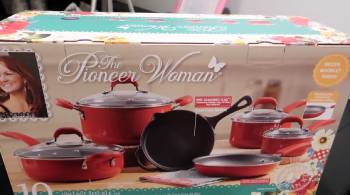
Heat distribution and searing ability decide how useful any pan feels once real food hits the surface.
I ran identical tests with Pioneer Woman cookware and higher-performing pans on the same burners.
Water heated unevenly across the Pioneer Woman base with clear cooler zones near the edges.
When I added oil and protein the center browned faster while the outer areas lagged.
Searing steaks or chicken pieces produced more steaming than crust because the pan temperature dropped quickly.
Vegetables softened rather than caramelized when the pan could not recover heat after the initial addition.
Eggs cooked acceptably on low heat during the first weeks yet required constant movement to avoid pale spots.
Simmering sauces demanded frequent stirring to prevent scorching in the hotter zones.
I lowered the flame and used more oil than usual to compensate yet the results stayed inconsistent.
Analytical review of side-by-side meals places the cookware as adequate for gentle low-heat tasks only.
Any technique that relies on steady high heat or rapid recovery exposes the thin construction and limited thermal mass.
Key features such as the lightweight aluminum body and ceramic-style coating support easy handling while trading away the evenness and retention needed for confident everyday cooking.
These limitations become obvious after a few complete dinners rather than a single test fry.
The realistic expectation is basic non-stick convenience that works best for simple eggs and light sauté work while struggling with anything that needs true searing power or uniform temperature.
Pros and Cons Of Pioneer Woman Cookware
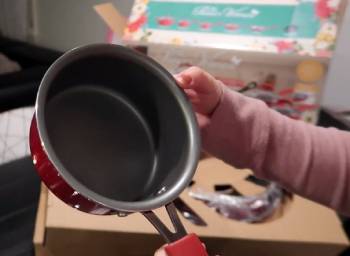
Pros Of Pioneer Woman Cookware
- Attractive Design: Bright colors and patterns add visual appeal to the kitchen.
- Lightweight Construction: Easy to lift and maneuver during cooking.
- Low Purchase Price: Affordable entry point for basic non-stick needs.
- Initial Non-Stick Release: Works well for eggs and delicate foods when new.
- Wide Availability: Easy to find at major retailers.
- Multiple Set Options: Available in various sizes and configurations.
- Simple Everyday Use: Handles basic frying and simmering tasks.
- Easy to Clean When New: Food releases with minimal scrubbing at first.
- Oven-Safe to Moderate Temperatures: Suitable for low-temperature finishing.
- Beginner Accessible: Low cost barrier for first cookware sets.
The Analytical Cons Of Pioneer Woman Cookware
- Uneven Heating: Hot spots lead to inconsistent browning and cooking.
- Poor Heat Retention: Temperature drops quickly when food is added.
- Non-Stick Degradation: Coating begins sticking after limited weeks of use.
- Lightweight Feel: Less stable and substantial during heavier cooking.
- Durability Concerns: Reports of warping lid issues and early wear.
- Limited High-Heat Performance: Struggles with proper searing.
- Staining Tendency: Light interiors can discolor over time.
- Thin Construction: Handles and lids feel less robust than mid-range options.
- Short Useful Lifespan: Performance declines faster than expected.
- Stronger Alternatives Exist: Better heating and longer-lasting pans available at similar or modestly higher prices.
Pioneer Woman Cookware Vs. Other Brands
- Pioneer Woman Cookware Vs. T-fal Initiatives
T-fal Initiatives pans are widely available non-stick options known for decent everyday release and even heating at a budget price.
I compared both during identical egg and sauté tasks and found more consistent temperature across the cooking surface on the T-fal side.
Food browned more evenly and the non-stick layer held up longer under daily use.
Pioneer Woman offered brighter exterior designs yet lost release performance sooner and showed clearer hot spots.
Heat retention also favored T-fal when I added cooler ingredients to a hot pan.
For reliable everyday frying and simple sauces T-fal remains the stronger budget choice.
- Pioneer Woman Cookware Vs. Rachael Ray Cookware
Rachael Ray cookware often features colorful exteriors and moderate non-stick performance at a similar price level.
Side-by-side use showed comparable visual appeal with slightly better heat distribution on some Rachael Ray pieces.
The pans felt a bit more substantial and maintained steadier temperatures during longer simmers.
Pioneer Woman stayed lighter in the hand and developed sticking earlier in my testing.
Both lines emphasize style yet Rachael Ray edged ahead on basic cooking consistency.
It can serve as a comparable colorful alternative when design matters and performance needs stay modest.
- Pioneer Woman Cookware Vs. Cuisinart Chef’s Classic
Cuisinart Chef’s Classic lines provide solid everyday construction and more predictable heating at accessible prices.
Direct comparison revealed clearer evenness across the pan bottom and better long-term durability on the Cuisinart side.
Searing and steady simmering required less constant adjustment.
Pioneer Woman remained cheaper and more decorative yet fell short once the non-stick coating began to wear.
Handle security and lid fit also felt more reliable with Cuisinart.
For regular stovetop work Cuisinart offers better overall value.
- Pioneer Woman Cookware Vs. Calphalon Contemporary
Calphalon Contemporary cookware focuses on hard-anodized durability and even heat distribution.
I preferred the heavier build and superior heat retention of the Calphalon pans during searing and sauce work.
Temperature stayed stable when food was added and browning developed more uniformly.
Pioneer Woman remained lighter and more limited in high-heat tasks with faster coating decline.
The performance gap became obvious after only a few weeks of shared use.
Calphalon delivers clearer advantages for anyone who cooks frequently and wants lasting results.
- Pioneer Woman Cookware Vs. Tramontina Non-Stick
Tramontina non-stick sets are frequently recommended for solid budget performance and dependable release.
Side-by-side testing showed more reliable non-stick behavior over time and better overall construction on the Tramontina side.
Eggs and delicate foods continued to release cleanly after the point where Pioneer Woman pans required extra fat.
Heat distribution also favored Tramontina on medium-heat tasks.
Pioneer Woman matched the low price yet declined faster in daily cooking.
Tramontina stands as the more dependable everyday non-stick option for most home kitchens.
Also Read: My Experience With Lexi Home Cookware
Frequently Asked Questions (FAQs)
Both sit in the colorful budget category yet many users find Rachael Ray pieces offer slightly more consistent heating and durability.
Top-performing options often include fully clad stainless sets hard-anodized lines and quality cast iron depending on cooking style and budget.
The non-stick versions typically use ceramic-style coatings that are marketed as free of certain legacy chemicals yet overall safety depends on proper use and avoiding overheating.
Pioneer Woman cookware is produced under license for the brand and sold primarily through major retailers such as Walmart.
Final Thoughts
I tested Pioneer Woman cookware through daily meals and found the results limited.
The main intent remains giving you honest observations on heat performance durability and value so you can decide with clear information.
The pans offer attractive design and low cost yet fall short on even heating lasting non-stick performance and solid construction.
You now have the detailed experience to weigh whether they meet your needs or whether proven alternatives make more sense.