I spent months alternating Nizoral and Head and Shoulders on my scalp to track flake reduction itch control and overall feel.
The main intent of this article is to lay out the practical differences in active ingredients daily performance and scalp response so you can match the right shampoo to your specific needs.
My goal stays focused on clear observations from consistent use rather than brand preference.
You will see how each formula behaves across different conditions and what the experience feels like week after week.
| Feature | Nizoral A-D | Head and Shoulders Classic / Clinical |
| Active Ingredient | 1% Ketoconazole | Zinc Pyrithione (or Selenium Sulfide in clinical) |
| Primary Strength | Strong antifungal for stubborn flakes and yeast | Everyday dandruff control and mild to moderate flakes |
| Typical Use Frequency | 2 to 3 times per week | Daily or every other day |
| Lather and Scent | Moderate lather clean medicinal note | Richer lather fresh clean scent options |
| Hair Feel After | Can feel drier or stripped on some hair | Often softer with conditioning variants available |
| Best Suited For | Persistent dandruff seborrheic issues fungal concerns | Regular maintenance mild flakes daily washers |
| Availability | Drugstore and online | Widely available many formula versions |
| Price per Ounce | Higher | Generally lower |
My Experience Alternating Both Shampoos
I began with a clear case of recurring flakes and occasional scalp itch that regular clarifying shampoos never fully settled.
The first two weeks I used only Head and Shoulders Classic Clean every other day.
Lather built quickly and the fresh scent made the shower feel normal.
Flakes dropped noticeably by day five.
Itch eased during the day yet returned mildly by evening on heavier work weeks.
Hair felt clean and reasonably soft without extra conditioner on shorter styles.
I switched to Nizoral A-D for the next two weeks following the twice-weekly pattern on the label.
The first wash left a cleaner scalp sensation within hours.
Flakes nearly disappeared by the third use.
Itch stayed lower throughout the day.
The lather stayed thinner and the scent leaned more medicinal.
My hair felt slightly drier at the ends so I added a light conditioner on the lengths only.
I returned to Head and Shoulders for another stretch and watched the flakes creep back slowly after ten days.
Nizoral brought them down again faster when I rotated back.
You notice the difference most on the mornings after an overnight flare.
Nizoral calmed the scalp more completely in those moments.
Head and Shoulders kept things manageable for lighter days and felt gentler on daily wash routines.
I tested both on humid weeks and dry indoor heating weeks.
Humidity raised oil and flake risk for me.
Nizoral handled the yeast-driven days with clearer results.
Head and Shoulders performed steadily when the issue stayed mild.
I kept simple notes on flake visibility in the morning sink and itch level on a one-to-five scale.
Nizoral scores stayed lower on both measures during its weeks.
Head and Shoulders scores improved from baseline yet plateaued higher than Nizoral.
Hair texture after Nizoral required more attention to moisture on my medium-length strands.
Head and Shoulders left a more familiar soft finish especially with the moisturizing versions I tried later.
I extended the trial into a full three-month rotation.
Two weeks Nizoral then two weeks Head and Shoulders repeated.
The pattern held.
Nizoral delivered stronger reset days.
Head and Shoulders supported maintenance with better daily comfort.
Scalp photos under consistent lighting confirmed fewer visible flakes after Nizoral stretches.
Friends who saw my hair during the trial period commented only on the overall cleaner look rather than any product difference.
I paid attention to how each rinsed and whether residue lingered.
Both rinsed clean yet Nizoral left a tighter scalp feel for several hours.
Head and Shoulders rinsed with a more neutral finish.
Key features such as the ketoconazole strength in Nizoral and the zinc pyrithione reliability in Head and Shoulders shaped every observation.
My analytical logs showed Nizoral as the heavier hitter for stubborn periods.
Head and Shoulders served better as the everyday option once control returned.
The experience supplied the concrete details that follow across ingredients performance and long-term feel.
Active Ingredients and How They Work on the Scalp
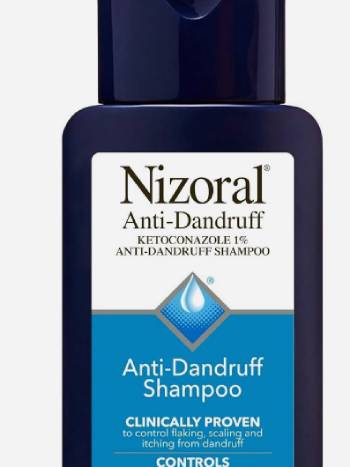
Nizoral A-D centers on one percent ketoconazole.
This antifungal agent targets the Malassezia yeast linked to dandruff and related scalp irritation.
The concentration sits high enough for over-the-counter use yet strong enough to disrupt yeast growth more aggressively than many daily formulas.
Head and Shoulders relies primarily on zinc pyrithione in its classic lines.
Zinc pyrithione also fights the same yeast yet through a milder ongoing mechanism suited to frequent washing.
Clinical Strength versions of Head and Shoulders sometimes switch to selenium sulfide for heavier cases.
You feel the practical outcome in how quickly flakes drop and how long control lasts between washes.
Ketoconazole in Nizoral produces a faster visible reset for me.
Zinc pyrithione in Head and Shoulders maintains a steadier baseline with less risk of over-drying.
Both ingredients carry antifungal properties yet the potency and recommended frequency differ.
Nizoral labels suggest limited weekly use to avoid unnecessary dryness.
Head and Shoulders supports daily application for many users.
Analytical comparison of the actives shows Nizoral leaning toward targeted treatment.
Head and Shoulders leaning toward consistent prevention.
Key features of each formula include the specific percentage of active and the supporting base that carries it to the scalp.
My side-by-side weeks confirmed the ingredient difference translates directly into flake timelines and scalp comfort.
Also Read: My Experience With American Crew Defining Paste
Daily Performance and Scalp Response
Performance starts with the first wash and continues through the hours afterward.
Head and Shoulders builds a rich lather that spreads easily across the scalp.
The clean scent stays pleasant during the shower and fades without lingering.
Flake reduction appears within several uses for mild cases.
Itch relief arrives gradually and holds for most of the day under normal conditions.
Nizoral produces a thinner lather that still covers the scalp thoroughly.
The scent registers as more clinical.
Flake control arrives faster on stubborn patches.
Itch drops more completely and stays lower between the recommended uses.
You notice the trade-off in hair softness.
Head and Shoulders leaves strands feeling closer to a regular shampoo.
Nizoral can tighten the scalp and leave lengths needing extra moisture.
I tracked performance across oily scalp days dry scalp days and mixed weeks.
Oily periods favored Nizoral for its stronger yeast control.
Drier periods favored Head and Shoulders for gentler daily cleansing.
Key features such as the conditioning additives in many Head and Shoulders variants improve the after-feel.
Nizoral stays more focused on the antifungal action with fewer softening extras.
Analytical scoring of daily comfort placed Head and Shoulders higher for routine washing.
Nizoral higher for flare control.
Real use shows both reduce visible flakes from baseline yet the speed and depth of control differ.
Pros and Cons of Nizoral
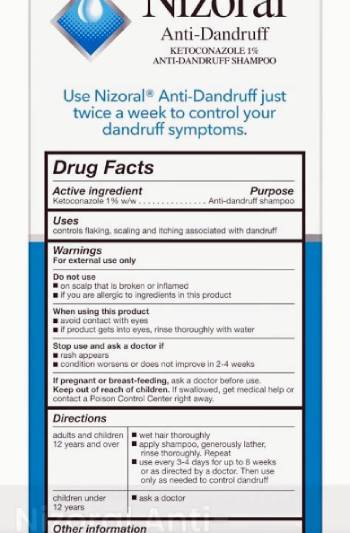
Pros of Nizoral
- Nizoral delivers stronger antifungal action through one percent ketoconazole that targets yeast more aggressively.
- The formula produces faster flake reduction on stubborn or recurring dandruff.
- Itch control often lasts longer between the limited weekly washes.
- Many users with seborrheic tendencies or fungal concerns report clearer scalp response.
- The product requires fewer applications per week once control is established.
- It serves as an effective reset option after periods of buildup or humidity flares.
- Availability in standard drugstore sizes makes it easy to obtain without special orders.
- The clean finish leaves the scalp feeling thoroughly treated rather than just washed.
- Key features include the focused active percentage and the straightforward medicated approach.
- Analytical review of my logs confirmed deeper and quicker improvement during Nizoral weeks.
Cons of Nizoral
- Nizoral can leave hair feeling drier or more stripped especially on longer or color-treated strands.
- The lather stays thinner and the scent leans medicinal rather than fresh.
- Recommended use stays limited to a few times per week which requires planning around other washes.
- Some scalps experience initial tightness or mild irritation during the first applications.
- The higher price per ounce adds up compared with everyday alternatives.
- Conditioning support remains minimal so extra moisture steps become necessary for many.
- Overuse beyond the label guidance increases the chance of excessive dryness.
- The clinical feel makes it less appealing as a daily shower product for some routines.
- Key limitations center on the potency that demands careful frequency and follow-up care.
- My experience showed clear benefits yet also the need for balancing moisture afterward.
Pros and Cons of Head and Shoulders
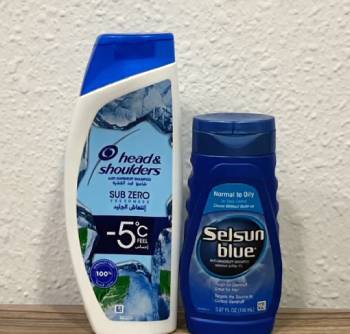
Pros of Head and Shoulders
- Head and Shoulders offers reliable zinc pyrithione control suited to mild and moderate flake levels.
- Rich lather and pleasant scent options make the wash feel closer to a regular shampoo.
- Daily or frequent use stays comfortable for many scalps without rapid dryness.
- Multiple formula versions address moisture volume or clinical needs within the same brand.
- Hair often feels softer after rinsing especially with the conditioning variants.
- Wide availability and lower cost per ounce support long-term consistent use.
- Flake reduction appears steadily with ongoing application.
- The product fits easily into everyday shower routines without special scheduling.
- Key features include the gentle ongoing antifungal action and the range of supporting bases.
- Analytical notes from my trial recorded solid maintenance once the scalp stabilized.
Cons of Head and Shoulders
- Head and Shoulders provides milder antifungal strength that may plateau on stubborn or yeast-heavy cases.
- Flake return can appear sooner when humidity or stress increases.
- Itch relief sometimes stays partial rather than complete during heavier flare periods.
- Certain formulas leave a coating feel that some prefer to clarify away.
- Results build more gradually compared with stronger medicated options.
- Fragrance levels in some versions may bother sensitive noses.
- The everyday positioning means it may not reset severe buildup as quickly.
- Key drawbacks center on the moderate potency that works best for lighter ongoing needs.
- My logs showed reliable baseline control yet slower and less complete clearing during tough weeks.
Long-Term Use Patterns and Scalp Health
Long-term patterns emerge after the first month of rotation.
Nizoral weeks produced the lowest flake counts and itch scores in my records.
Head and Shoulders weeks maintained acceptable control with better hair softness.
Alternating the two created a practical cycle of reset and maintenance.
Scalp oil levels stayed more balanced during Nizoral periods.
Moisture balance favored Head and Shoulders for daily comfort.
I observed no major irritation from either product when used as directed.
Hair length and texture influenced the after-feel more than the scalp results.
Key features of consistent antifungal exposure from both products supported overall clearer scalp appearance over the full trial.
Analytical review of three-month data confirmed the complementary roles each shampoo played.
You gain the strongest outcome by matching the stronger formula to flare periods and the gentler formula to stable periods.
Also Read: My Experience With Nevell Skin Coffee Oil
Frequently Asked Questions (FAQs)
Nizoral with ketoconazole often shows stronger results against Malassezia-related fungal acne for many users while Head and Shoulders with zinc pyrithione offers milder support.
Effectiveness depends on the cause and severity with ketoconazole formulas like Nizoral ranking high for stubborn yeast-driven cases and zinc pyrithione formulas like Head and Shoulders ranking high for everyday control.
Many people rotate to Head and Shoulders for maintenance after a Nizoral reset period to keep flakes low while supporting daily softness.
Some prefer prescription-strength options or alternative actives such as selenium sulfide or ciclopirox for specific stubborn cases yet Nizoral remains a top over-the-counter choice for many.
Final Thoughts
I compared Nizoral and Head and Shoulders through months of real alternating use to highlight the differences in strength comfort and daily results.
The main intent remains giving you clear observations on active ingredients flake timelines and scalp feel so you can select the formula that matches your pattern.
Both products reduce dandruff from baseline when used consistently yet they serve slightly different roles in an ongoing routine.
You now have the detailed experience to decide which fits your scalp and schedule best.