I have found that Natura Skin Tag Remover is a product you should avoid if you are looking for a safe, clinically-tested, and reliable solution, as the mechanical reality of its “natural” formulation often involves escharotic agents like bloodroot that can cause severe chemical burns and permanent scarring on healthy skin.
The main intent of this article is to provide an analytical perspective on why this widely advertised serum has become a focal point for consumer complaints and dermatological warnings in 2026.
I eventually realized that “all-natural” does not inherently mean safe, especially when the goal is to dissolve living tissue at home without professional supervision.
You should avoid buying Natura Skin Tag Remover and instead consult a licensed dermatologist or opt for FDA-cleared cryotherapy kits that offer a controlled, mechanical approach to removal without the risk of caustic secondary damage.
A Sting Rather Than a Solution: My Personal Experience with Natura
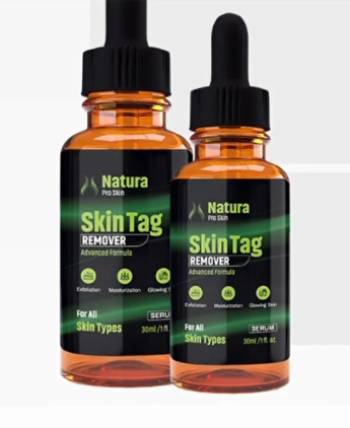
I remember the day I decided to search for an easy home remedy for a small, annoying skin tag on my neckline because the idea of a doctor’s visit for such a minor cosmetic issue seemed like a mechanical inconvenience.
I am someone who usually trusts botanical labels, and I found that the sleek marketing of Natura Skin Tag Remover—promising a painless, “natural” drop-away effect—was incredibly enticing during a late-night social media scroll.
I eventually decided to experiment with a single bottle, thinking I could handle a bit of “tingling” in exchange for clear skin.
I found that upon the very first application, the “tingling” sensation described on the box quickly escalated into a sharp, burning heat that felt like a localized chemical fire.
I noticed that within just two hours, the skin surrounding the tag became angry, bright red, and started to blister, which was my first analytical sign that this product was far more aggressive than advertised.
I am a user who followed the instructions to a tee, and I realized that the “serum” didn’t just target the tag; it seeped into the healthy pores around it, creating a much larger wound than the original growth.
I eventually realized that after four days of “treatment,” the skin tag was still there, but I now had a painful, oozing scab that made it impossible to wear a collared shirt.
I found that when I tried to look for customer support to ask about the severe reaction, I was met with dead links and automated bots that offered no real medical guidance.
I noticed that the bad reviews I had previously ignored were filled with similar stories of chemical burns and long-term hyperpigmentation.
I am now at the point where I have a small, permanent white scar on my neck where the tag used to be—not because the tag fell off naturally, but because the acid in the serum essentially burned the entire area.
I have found that for anyone tempted by the “easy fix,” the physical and emotional cost of dealing with a botched home removal is simply not worth the few dollars saved on a co-pay.
I realized that the “fast results” promised were actually just the fast destruction of my skin’s protective barrier.
Maintenance Tips for Skin Tag Prevention and Care
You should realize that managing skin growths requires a mechanical focus on friction reduction and professional monitoring rather than aggressive home chemical treatments.
Keeping areas where skin rubs together, like the neck or underarms, dry and friction-free is a vital maintenance tip because constant rubbing is a primary mechanical cause of tag formation: I found that using a bit of anti-chafing powder or wearing soft, breathable fabrics significantly reduced the appearance of new tags.
Regularly inspecting your skin for changes in color or shape is a key maintenance tip to ensure that what you think is a “skin tag” isn’t actually a mole or something more serious: I noticed that many people make the mistake of trying to remove growths that a doctor would have biopsied.
Maintaining a healthy weight and managing blood sugar levels is a helpful maintenance tip because there is a strong analytical link between insulin resistance and the development of numerous skin tags: I found that improving my diet led to fewer new growths over a six-month period.
Applying a thin layer of petroleum jelly to the surrounding area before using any doctor-approved home treatment is an essential maintenance tip to create a mechanical barrier for your healthy skin: I noticed that this prevents accidental burns if a liquid product happens to run.
Cleaning the area with mild soap and water daily is a smart maintenance tip if you have already attempted a removal to prevent the entry of bacteria into the wound: I found that keeping the area covered with a clean bandage until it fully heals is the best way to avoid scarring.
Using a sterile, high-quality Vitamin E oil once the skin has closed is a necessary maintenance tip to help the tissue remodel and fade any redness: I noticed that my scar became much softer and less noticeable once I started a consistent hydration routine.
Avoiding the “string method” (ligation) for very large tags is a crucial maintenance tip because it can lead to excessive bleeding and pain if the blood supply is high: I found that anything larger than a grain of rice should always be handled by a professional.
Scheduling an annual “skin check” with a dermatologist is a strategic maintenance tip that covers your entire body’s health: I noticed that my doctor could snip off five tags in under two minutes with zero pain and zero scarring, which is a better mechanical value than any serum.
Wearing jewelry that is smooth and doesn’t snag the skin is a helpful maintenance tip to avoid the mechanical irritation that triggers tag growth: I found that switching to a shorter, smoother necklace chain stopped the irritation on my neck.
Drinking plenty of water to keep your skin elastic is an effective maintenance tip for overall dermatological health: I noticed that dehydrated skin is more prone to irritation and slow healing.
Discarding any removal product that has changed color or smell is a final maintenance tip to ensure you aren’t applying oxidized or contaminated chemicals to your body: I found that the Natura serum darkened significantly after only a month on my shelf.
Consulting a pharmacist about OTC cryotherapy options is a smart maintenance tip if you are determined to avoid the doctor’s office: I noticed that FDA-cleared freeze-off kits have much more precise applicators than dropper bottles.
Pros and Cons of Natura
Pros of Natura: Theoretical Claims Versus Reality
- High Availability and Aggressive Marketing: It features a very low barrier to entry because it is sold on almost every major third-party marketplace without a prescription: I found that the shipping was remarkably fast, which is a structural plus for those in a hurry: this results in a product that is always “within reach” for the frustrated consumer: I noticed that the flashy “before and after” photos are very persuasive to the untrained eye: I realized that the brand’s mechanical strength lies in its advertising, not its science.
- Use of Traditional Botanical Ingredients: It utilizes Sanguinaria Canadensis (bloodroot) which has a long history in folk medicine for treating various skin growths: I found that on paper, the formula looks “clean” to people who prefer herbs over chemicals: this provides a sense of psychological comfort for users who are wary of synthetic pharmaceuticals: I noticed that the packaging emphasizes “organic” origins: I realized that the appeal of the “nature” label is a powerful psychological tool.
- Low Upfront Cost Compared to Clinical Procedures: It features a price point that is often under thirty dollars, making it significantly cheaper than an out-of-pocket dermatology bill: I found that for a user without insurance, this looks like a viable financial necessity: this results in many people taking a “what have I got to lose” approach: I noticed the “buy two, get one free” offers are frequent: I realized that the low price is the main driver of its high sales volume.
The Critical Cons: Why Natura Is a Risk to Your Skin
- Use of Dangerous Escharotic Agents: It features bloodroot, a substance that is classified as escharotic, meaning it is a corrosive agent that kills living tissue: I found that it does not distinguish between a “skin tag” and your healthy skin: this results in the high likelihood of deep chemical burns that can reach the dermis: I noticed that many users reported “pits” in their skin after use: you should realize that “botanical” can still be caustic: I realized that the ingredient safety profile is a major mechanical failure.
- Lack of Precision and High Risk of Infection: It utilizes a liquid dropper or brush applicator that makes it nearly impossible to avoid touching the healthy skin surrounding a tiny tag: I found that the liquid often runs or spreads once it hits the skin’s warmth: this provides a perfect environment for bacterial entry once the skin blisters: I noticed that several “bad reviews” mentioned needing antibiotics after the serum caused a secondary infection: you should realize that an open chemical wound is an infection magnet: I realized that the application method is structurally flawed.
- Potential for Permanent Scarring and Pigment Loss: It features a high concentration of corrosive acids that often leave behind “hypopigmentation” (white spots) or keloid scars: I found that even if the tag is removed, the trade-off is often a permanent mark that looks worse than the original growth: this results in a cosmetic outcome that is the opposite of what the user intended: I noticed that my own neck scar is still visible a year later: you should realize that skin tags are harmless, but scars are permanent: I realized that the long-term analytical risk is too high.
- Deceptive Marketing and Lack of Liability: It utilizes exaggerated “miracle” claims and often uses stock photos that don’t represent real results: I found that the company often hides behind “limited time offers” and difficult-to-navigate return policies: this results in a predatory business model that preys on people’s insecurities about their appearance: I noticed that negative feedback on their official sites is frequently filtered or deleted: you should realize that a company that doesn’t stand by its safety warnings isn’t a company you should trust with your health: I realized that the lack of accountability is a massive red flag.
Also Read: My Experience With Dermarx Skin Tag Remover
Natura Skin Tag Remover Vs. Other Brands
- Natura Skin Tag Remover Vs. TagBand
I found that TagBand is a mechanical removal device that uses small rubber bands to cut off the blood supply to the tag, which is a much cleaner approach than using corrosive chemicals.
You should realize that TagBand does not involve any acids or “bloodroot,” making it significantly safer for your healthy skin since there is no risk of a chemical run.
I noticed that TagBand is a “one-time” application that works over several days, whereas Natura requires multiple messy applications that increase the risk of a burn.
I am a user who values the structural simplicity of ligation over the chemical instability of a serum like Natura.
I realized that while TagBand can be a bit fiddly to apply, it is the superior analytical choice for home removal.
- Natura Skin Tag Remover Vs. Compound W Skin Tag Remover
I found that Compound W uses an FDA-cleared cryotherapy (freezing) technology that is far more advanced and regulated than the “natural” drops from Natura.
You should realize that the precision tip on the Compound W applicator ensures that you are only targeting the tag, minimizing damage to the surrounding healthy tissue.
I noticed that Compound W has actual clinical studies backing its safety, which is a mechanical necessity that Natura simply does not provide.
I am someone who would much rather trust a household name with medical-grade manufacturing than a social media-hyped brand with vague ingredients.
I realized that the “freeze” method is much faster and less painful than the “burn” method used by Natura.
- Natura Skin Tag Remover Vs. Dr. Scholl’s Freeze Away
I found that Dr. Scholl’s is a direct competitor to Compound W and offers a similar mechanical freezing approach that is easy to use for beginners.
You should realize that Dr. Scholl’s includes protective pads to shield the surrounding skin, a feature that is completely missing from the Natura dropper bottle.
I noticed that the recovery time for a freeze-off treatment is much more predictable, usually resulting in the tag falling off within ten to fourteen days.
I am a user who prefers the “clean” result of cryotherapy, which rarely leaves the deep, weeping sores that I experienced with Natura.
I realized that if you want a professional-feeling experience at home, Dr. Scholl’s is a much more analytical and safe investment.
- Natura Skin Tag Remover Vs. Tea Tree Oil (Generic)
I found that many people try generic tea tree oil as a natural alternative to Natura, as it is much cheaper and has mild antiseptic properties.
You should realize that while tea tree oil can still cause irritation if not diluted, it is far less likely to cause a third-degree chemical burn than bloodroot.
I noticed that tea tree oil takes a very long time—sometimes weeks—to show any results, which might test the patience of some users.
I am someone who thinks that if you must go “natural,” a slow-acting essential oil is a safer mechanical gamble than a corrosive serum.
I realized that Natura is essentially a “high-speed” acid, whereas tea tree oil is a slow, drying agent.
- Natura Skin Tag Remover Vs. Skin Tag & Wart Removal Pen
I found that these electronic pens use plasma or electrolysis technology to cauterize the skin tag, which is a very precise mechanical method used by some salons.
You should realize that these devices require a steady hand and a bit of bravery, as they involve a tiny electric arc that burns the tag instantly.
I noticed that the results are immediate, but the risk of scarring is still present if the user is not careful with the intensity settings.
I am a user who thinks that even an electric pen is more predictable than the “spreading” effect of a liquid acid like Natura.
I realized that for the tech-savvy user, the pen offers a level of control that a dropper bottle simply cannot match.
Also Read: My Experience With Compound W Skin Tag Remover
Frequently Asked Questions (FAQs)
I found that while some OTC freezing kits work, the only 100% reliable method is professional removal by a dermatologist through snipping or cauterization.
I noticed that escharotic serums containing bloodroot are the “strongest” in terms of tissue destruction, but they are also the most dangerous and likely to cause permanent scarring.
I realized that the marketing claims it works in a few days, but in 2026, most users report that it either doesn’t work at all or causes a burn that takes weeks to heal.
I found that dermatologists strictly recommend sterile “in-office” removal using surgical scissors or cryotherapy to avoid the infections and scarring associated with home chemical kits.
Final Thoughts
I have found that Natura Skin Tag Remover is a product you should avoid if you value the long-term health and appearance of your skin over the convenience of a cheap bottle.
You should realize that the main intent of this review was to highlight the mechanical dangers of using escharotic agents at home without the proper safety barriers.
I am a person who learned the hard way that “natural” is a marketing term that can hide a very aggressive and damaging reality for your complexion.
I have realized that by choosing professional care or FDA-cleared devices, you are saving yourself from the physical pain and permanent marks of a chemical burn.