Surviving a brutal bout of seasonal respiratory congestion, a persistent wet cough, and a pounding sinus headache can easily feel like an exhausting, miserable endurance test.
You want a heavy-duty, maximum-strength medicinal formula that quickly drops a hammer on multiple systemic symptoms simultaneously, thinning thick mucus and clearing blocked nasal airways so you can rest.
The Mucinex Fast-Max multi-symptom liquid line promises to deliver exactly that by packing an aggressive combination of active pharmaceutical ingredients into a single, fast-acting oral dose.
If you are completely set on testing out this intense, multi-ingredient cold therapy to see how it manages your severe seasonal bugs, you should buy this retail medication directly from a major neighborhood pharmacy chain or a licensed digital health supplier.
My Firsthand Real World Experience With This Cold Remedy
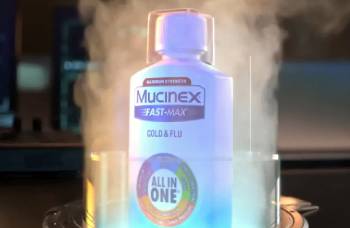
Uncapping this large plastic bottle during a sudden wave of deep chest heaviness and nasal blockages filled me with a great deal of initial hope because the packaging looks highly clinical and the promise of comprehensive relief sounded perfect.
Measuring out the dark liquid into the provided plastic dosing cup revealed an incredibly viscous, syrupy consistency that immediately released a harsh, chemical menthol aroma into the air.
During my first few desperate encounters with a severe cold, swallowing the thick fluid felt like a true chore as the artificial berry flavoring struggled to mask an intensely bitter, medicinal aftertaste that lingered on the back of my throat.
The formula did an acceptable job of initiating a fast cooling sensation along my raw, irritated throat linings within about twenty minutes of taking the liquid.
Unfortunately, my long-term user satisfaction with this maximum-strength syrup completely evaporated once I began monitoring how my entire body reacted to the powerful chemical cocktail over a full forty-eight-hour testing window.
The multi-symptom formula relies heavily on a strong oral decongestant called phenylephrine, which hit my cardiovascular system like a massive, unwanted jolt of pure caffeine.
Instead of gently clearing my sinus passages so I could drift off to sleep, the drug triggered an immediate wave of intense physical jitteriness, a racing heartbeat, and an uncomfortably high spike in blood pressure.
I found myself lying wide awake at three o’clock in the morning with my mind completely racing, feeling incredibly anxious and restless while still battling a raw, hacking cough.
When the active cough suppressant component began to wear away after just a few short hours, the thick syrup left behind a highly sensitive, dry throat texture that actually made my subsequent coughing fits feel much more painful.
Even worse, the high concentration of the expectorant guaifenesin took a severe toll on my digestive tract, inducing a wave of stubborn nausea and painful stomach cramps that made it impossible to keep down light fluids.
Rather than delivering a smooth, comforting path to wellness, the syrup simply traded my cold symptoms for a miserable combination of insomnia, stomach irritation, and heart palpitations.
Constantly fighting the chemical grogginess during the day and dealing with extreme nighttime restlessness made my recovery process feel much more complicated and frustrating than before.
Given these prominent internal side effects, the poor duration of action, and the intense gastrointestinal distress, my analytical view of this multi-symptom liquid is highly negative.
Detailed Cold Syrup Storage and Safety Maintenance Guidelines
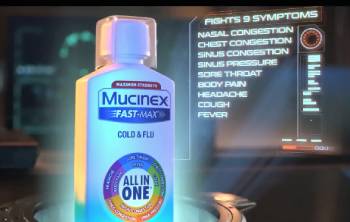
Managing a potent, multi-ingredient over-the-counter liquid medication requires absolute precision regarding physical storage environment, chemical safety monitoring, and exact dosing execution.
Because this syrup contains high-density synthetic active agents suspended in a sugar-heavy liquid matrix, improper bottle maintenance can lead to active ingredient crystallization or dangerous dosage variations. Follow these clinical guidelines to manage your medicine:
Store the plastic medication bottle upright inside a cool, completely dry cabinet out of reach of children specifically at room temperature: do not expose the liquid to freezing temperatures or intense bathroom shower humidity.
Wash the plastic measuring cup thoroughly with hot water and antibacterial soap immediately after every single use: wipe the interior dry with a clean paper towel to prevent microbial growth.
Wipe the plastic bottle neck threads with a damp cloth before closing the lid: this simple step prevents the sugary syrup from hardening and gluing the cap shut.
Check the active ingredient labels of every single household item in your medicine cabinet before pouring a dose: never combine this syrup with any other product containing acetaminophen.
Consume a full eight-ounce glass of fresh water immediately after swallowing your liquid dose: this extra hydration is absolutely mandatory to help the expectorant thin out mucus.
Never drink alcoholic beverages while using this multi-symptom cold therapy: combining alcohol with high-dose acetaminophen increases the risk of severe, irreversible liver toxicity.
Discard the entire bottle safely once the printed expiration date on the rear label has passed: expired liquid formulas can suffer from chemical separation and unpredictable potency drops.
Keep a written log of the exact time you ingest each dose on a notepad: this tracking prevents you from accidentally repeating a dose before the mandatory four-hour window closes.
Avoid driving motor vehicles or operating heavy machinery immediately after consuming this syrup: the combination of active ingredients can cause sudden, unexpected spells of dizziness or mental fog.
Shake the closed bottle firmly for three seconds before pouring the fluid: this action ensures that the heavy chemical compounds are completely homogeneous throughout the liquid matrix.
Pros and Cons of Mucinex Fast-Max

Pros:
The targeted combination of multiple cold-fighting active agents and the immediate availability of this mainstream syrup offer a few distinct benefits for resilient individuals who require rapid, temporary multi-symptom management.
Here are the primary structural and chemical advantages that I observed during the initial administration phases:
- Comprehensive Multi Ingredient Formulation: The liquid effectively combines an expectorant, a cough suppressant, an oral decongestant, and a pain reliever into a single cup to reduce your total pill count.
- Rapid Initial Systemic Release: Because the formula is delivered in a pre-dissolved liquid state, the active ingredients enter your digestive system quickly to provide fast temporary throat cooling.
- Clear Standardized Dosing Tools: The inclusion of an exactly calibrated plastic measuring cup helps users avoid basic errors when pouring out the recommended fluid volume.
- Widespread Over the Counter Accessibility: The product is widely stocked across thousands of grocery stores and pharmacies, making it easy to locate during a sudden illness emergency.
- Temporary Pain and Fever Mitigation: The integrated acetaminophen component works reliably to temporarily knock down dull body aches and reduce elevated core temperatures during a fever spike.
Cons:
Despite the massive marketing campaigns and dominant retail placement surrounding this maximum-strength over-the-counter remedy, an analytical examination of consumer feedback and pharmaceutical profiles uncovers severe physiological drawbacks.
Here is a detailed breakdown of the internal side effects, structural limitations, and performance issues that compromise this liquid cold solution:
- Severe Elevation of Blood Pressure: The oral decongestant component causes immediate systemic vasoconstriction: this process regularly triggers sudden spikes in blood pressure and an uncomfortably rapid heartbeat.
- Intense Nighttime Insomnia and Restlessness: The chemical stimulants alter your central nervous system baseline: this results in severe tossing, turning, and racing thoughts when trying to sleep.
- Pronounced Gastrointestinal Nausea and Distress: High doses of oral guaifenesin aggressively irritate the sensitive stomach lining: this often induces sudden waves of nausea, bloating, and painful abdominal cramping.
- Short Duration of Symptom Relief: The fast-acting liquid base processes through the liver very rapidly: this forces you to re-dose every four hours as the therapeutic effects disappear.
- Extremely High Risk of Accidental Overdose: Because the liquid contains a high volume of standard acetaminophen: combining this syrup with other common pain relievers can easily cause dangerous, toxic liver damage.
- Unpleasant Sticky Chemical Flavor Profile: The thick syrup features a highly artificial berry and menthol masking agent: this leave a bitter, burning aftertaste that routinely triggers an active gag reflex.
- Infectious Symptom Masking Complexities: Squelching acute symptoms with a powerful four-way drug cocktail can easily hide worsening secondary bacterial infections: this delays necessary medical interventions from a doctor.
- Total Ineffectiveness of Oral Phenylephrine: Multiple clinical medical studies indicate that oral phenylephrine degrades heavily in the gut: this leaves you with almost zero actual nasal decongestion benefits.
- Inconvenient and Sticky Cap Design: The sugary liquid consistently pools around the plastic bottle neck threads: this causes the cap to glue itself permanently shut between uses.
Also Read: My Thoughts On Genexa Flu Fix
Mucinex Fast-Max Vs. Other Brands
- Mucinex Fast-Max Vs. Robitussin Severe Multi-Symptom Cough Cold + Flu
Robitussin Severe Multi-Symptom
When you evaluate the Mucinex Fast-Max liquid directly against the classic Robitussin Severe Multi-Symptom Cough Cold + Flu formula, you are looking at two massive corporate giants utilizing nearly identical active ingredient matrices to capture the budget cold care market.
Both of these standard over-the-counter syrups rely heavily on the exact same quad-active combination of acetaminophen, dextromethorphan, guaifenesin, and phenylephrine to suppress your cold.
The primary difference lies within the specific inactive thickening agents and the flavoring systems used in their laboratory production.
While the Mucinex liquid features a much thicker, heavier syrupy texture that coats the back of your raw throat with an intense menthol burn, Robitussin delivers a slightly thinner, more fluid consistency that processes past your tongue a bit faster.
Unfortunately, both brands share the exact same major clinical downsides, including a high risk of stomach irritation from guaifenesin and a total lack of long-lasting eight-hour relief.
- Mucinex Fast-Max Vs. Vicks DayQuil Severe Cold & Flu
Vicks DayQuil Severe
Comparing the daytime Mucinex Fast-Max formula to the ubiquitous Vicks DayQuil Severe Cold & Flu liquid highlights a major battle for dominance in the quick-fix respiratory relief arena.
Vicks DayQuil Severe matches the active ingredient profile of Mucinex step for step, delivering identical maximum doses of pain relievers and expectorants per serving.
However, DayQuil utilizes a highly distinct orange-grapefruit flavoring profile that many sick consumers find significantly less repulsive than the heavy, bitter berry undertones present in Mucinex.
From an analytical performance standpoint, both of these liquid remedies process through your system in a brief four-hour window, requiring constant around-the-clock redosing that can quickly wear down your digestive tract.
They both induce an identical jittery sensation due to the presence of systemic oral decongestants that squeeze blood vessels and elevate your resting heart rate.
- Mucinex Fast-Max Vs. Alka-Seltzer Plus Severe Cold & Flu Effervescent Tablets
Alka-Seltzer Plus Effervescent
Placing the heavy Mucinex Fast-Max syrup alongside the unique Alka-Seltzer Plus Severe Cold & Flu Effervescent Tablets showcases two completely different delivery mechanisms for managing seasonal virus symptoms.
Alka-Seltzer bypasses the traditional pre-made thick syrup format entirely, utilizing fizzing bicarbonate tablets that you dissolve yourself into a fresh glass of warm water.
This effervescent delivery system introduces a helpful buffer layer into your stomach, making it significantly more gentle on a sensitive digestive tract than the highly acidic Mucinex liquid.
Furthermore, Alka-Seltzer Plus frequently incorporates real antihistamines into their severe cold lines, which can help dry up a watery running nose far more effectively than Mucinex.
However, the high sodium content required to make the Alka-Seltzer tablets fizz represents a major health hazard for individuals who are already dealing with cardiovascular issues.
- Mucinex Fast-Max Vs. Tylenol Cold + Flu Severe Liquid
Tylenol Cold + Flu Severe
Analyzing the structural composition of Mucinex Fast-Max against the trusted Tylenol Cold + Flu Severe Liquid reveals an incredibly subtle nuance in product branding and consumer perception.
Because Tylenol is owned by a company that specializes fundamentally in pain management, their cold formula prioritizes a highly stable, fast-acting acetaminophen base to crush severe tension headaches and muscle aches.
Mucinex approaches the problem from the opposite direction, utilizing their historical dominance in expectorant manufacturing to focus on thinning out thick lung mucus.
In reality, once you look past the colorful retail boxes, both liquids deliver a nearly identical chemical punch to your internal organs.
They both suffer from the exact same short-lived four-hour therapeutic window, and they both carry a severe warning regarding accidental liver overload if you mix them with extra pain pills.
- Mucinex Fast-Max Vs. Sudafed PE Pressure + Pain + Cold
Sudafed PE Pressure
Contrasting the liquid Mucinex Fast-Max formula against the small, solid Sudafed PE Pressure + Pain + Cold caplets highlights a major choice between drinking a heavy syrup or swallowing a compact pill.
Sudafed PE focuses its primary therapeutic energy directly onto clearing severe sinus blockages, relying on targeted dosing to open up jammed nasal passages during a bad head cold.
By choosing the solid Sudafed PE caplets, you completely avoid the unpleasant, sticky throat-coating sensation and the artificial chemical sweeteners that make the Mucinex liquid so difficult to swallow.
However, because Sudafed PE leaves out the heavy expectorant guaifenesin entirely, it will do absolutely nothing to loosen up thick, rattling mucus trapped deep inside your chest.
This makes it an incomplete option if you are dealing with a messy, wet bronchial cough alongside your headache.
Also Read: My Thoughts On Hyland’s Tiny Cold Tablets
Frequently Asked Questions (FAQ)
The active liquid formulation of Mucinex Fast-Max is designed to process rapidly through your digestive system, typically allowing the first wave of ingredients to kick in within twenty to thirty minutes of ingestion. The pain-relieving acetaminophen and the throat-cooling menthol are usually the first components to deliver noticeable relief to a sore throat and an aching head.
You should absolutely avoid taking Mucinex Fast-Max if you have a history of severe high blood pressure, severe coronary artery disease, or if you are currently taking prescription MAOI antidepressants. The oral decongestant component can trigger dangerous, life-threatening cardiovascular spikes in these specific patient profiles.
The primary downside of the Mucinex Fast-Max line is its short four-hour therapeutic duration paired with a high incidence of uncomfortable systemic side effects. Because the formula relies on a heavy combination of four distinct synthetic drugs, it frequently causes an uncomfortably rapid heart rate, severe nighttime insomnia, and intense stomach nausea.
The foundational difference between standard Mucinex and the Mucinex Fast-Max line comes down to ingredient count and product intent.
Standard classic Mucinex is a single-ingredient product that contains only guaifenesin, an expectorant designed solely to thin out chest mucus over a long twelve-hour extended-release window.
Final Thoughts
Conquering a severe seasonal illness requires finding a reliable, balanced recovery asset that gently calms your respiratory tract without shocking your cardiovascular system or causing painful digestive distress.
The Mucinex Fast-Max multi-symptom liquid attempts to capture desperate consumers with its aggressive advertising and comprehensive list of active ingredients, but real-world usage uncovers significant flaws in heart rate safety, sleep preservation, and taste quality.
Dealing with sudden blood pressure spikes, chemical stomach irritation, and a fleeting four-hour window of efficacy quickly ruins any initial convenience this combined syrup promises to deliver.
If you want a truly safe, comfortable path back to health that honors your body’s need for peaceful rest and zero internal irritation, you should buy a single-ingredient targeted cold remedy from an alternative pharmaceutical brand today.