Finding a daily facial melting product that effortlessly sweeps away stubborn waterproof sunscreen, heavy foundation, and excess sebum without destroying your skin barrier can feel like an endless trial-and-error cycle.
You want a gentle first-step oil that balances deep pore clarifying power with a lightweight texture that rinses away cleanly under running water.
The Mixsoon Bean Cleansing Oil claims to deliver this exact equilibrium by infusing classic plant lipids with nutrient-dense fermented bean, barley, and pomegranate extracts to soften your skin surface.
If you are totally determined to test this trendy, ferment-driven liquid formula to see how it manages your daily cosmetics, you should buy this cleansing product directly from an authorized global beauty boutique or a certified Korean cosmetic specialty site.
My Firsthand Real World Experience With This Fermented Cleansing Oil
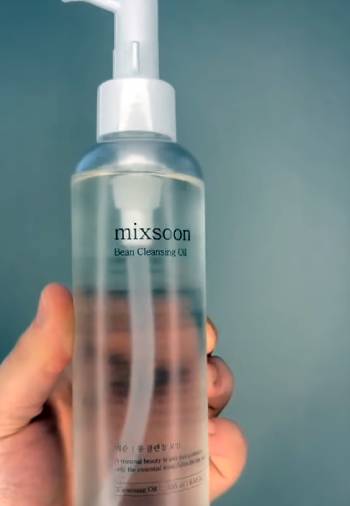
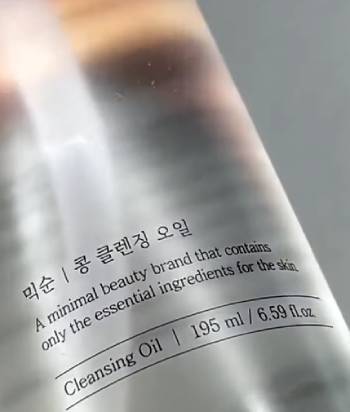
Unboxing this minimalist translucent bottle filled me with genuine curiosity because the modern aesthetic looked very elegant on my bathroom counter and the liquid itself appeared incredibly fluid and light.
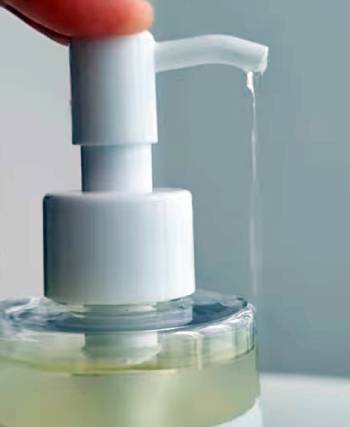
Dispensing the initial two pumps into my palms revealed an incredibly runny, watery oil consistency that immediately began to slide down between my fingers before I could even bring it to my face.
During my first few evening applications, massaging the slick fluid over my dry face felt quite soothing as it spread with minimal friction, allowing me to glide my fingertips over my cheeks without dragging the delicate tissue.
The formula did an acceptable job of melting away light daytime tinted moisturizers and non-waterproof face powders within about sixty seconds of gentle circular motion.
Unfortunately, my enthusiasm for this cleansing oil completely vanished once I started incorporating it into my heavy-duty makeup removal and long-term evening double-cleansing routines.
The formulation contains a surprisingly high concentration of added synthetic fragrance that hits your nose with a heavy, artificial floral scent the exact moment you start massaging your cheeks.
This intense perfumed aroma lingered stubbornly around my mouth and nose area throughout the entire washing process, making the routine feel overwhelming rather than calming.
When I added warm water to begin the crucial emulsification stage, the thin liquid transformed into a sparse, watery milk that struggled to lift stubborn waterproof mascara or long-wearing matte lip pigments from my skin.
Instead of dissolving the dark pigments cleanly, the fluid tended to smear the dissolved makeup across my eye area, leaving behind a cloudy, blurred film on my eyeballs that took several minutes of rinsing to completely clear away.
After spending an excessive amount of time rinsing my face and following up with my standard gentle water-based foam wash, my skin felt notably weighed down by a persistent, greasy residue.
Within four days of consecutive nightly use, my combination skin reacted poorly to the heavy oil base, developing a cluster of painful, red blemishes and clogged pores along my jawline and chin.
Constantly battling the messy, dripping texture and dealing with new breakouts turned my evening skincare ritual into an incredibly frustrating, counterproductive experience.
Given the overpowering artificial fragrance, the poor performance on waterproof eye cosmetics, and the sudden wave of facial congestion, my long-term analysis of this item is highly unfavorable.
Detailed Cleansing Oil Maintenance and Usage Optimization Tips
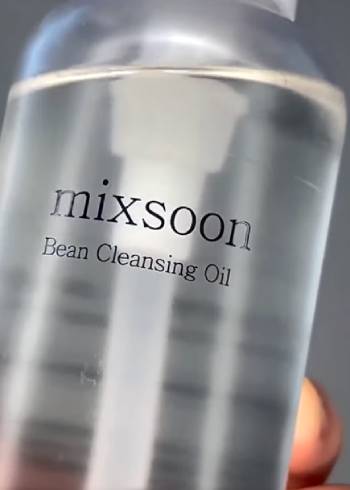
Maximizing the performance of an unstable, highly fluid cosmetic washing oil requires precise physical care, strategic storage, and exact application techniques.
Without proper maintenance of the bottle and careful execution of the steps, the product will create a messy bathroom environment and fail to emulsify correctly on your skin.
Follow these system guidelines to manage your facial oil:
Store the translucent plastic bottle inside a dark, temperature-controlled cabinet away from direct shower humidity to prevent the natural fermented bean components from degrading prematurely.
Always apply the fluid onto completely dry hands and a totally dry face because even a single drop of premature moisture will trigger the emulsification process too early.
Wipe down the plastic pump nozzle with a clean tissue after every single evening use to prevent dried, crusty oil rings from blocking the dispenser hole.
Massage the liquid over your skin for no longer than sixty seconds to minimize the risk of forcing comedogenic synthetic esters deep into your delicate pore linings.
Keep the protective plastic neck clip attached to the pump handle during storage to prevent accidental spills or leakage if the bottle tips over on your shelf.
Utilize lukewarm water specifically during the rinsing phase because cold water will fail to activate the emulsification system and leave a heavy film.
Shake the bottle gently before dispensing if the product has been sitting unused for several weeks to ensure the fermented extracts remain evenly distributed throughout the oil.
Follow up immediately with a water-based, non-comedogenic foaming gel wash to lift away the stubborn lipid residue left behind by the base ingredients.
Avoid storing the container on porous wooden shelves or delicate stone countertops because the thin fluid easily runs down the sides and leaves permanent stains.
Use exactly two full pumps per routine to ensure you have adequate slip across your cheeks without creating an excessively messy, dripping situation.
Pros and Cons of Mixsoon Bean Cleansing Oil
Pros:
The inclusion of natural seed extracts and the thin physical viscosity of this K-beauty wash offer a handful of targeted benefits for specific skin types that enjoy lightweight oil textures. Here are the main design advantages that I noted during my initial product testing phases:
- Extremely Fluid Watery Consistency: The ultra-light texture spreads across the face with minimal drag, preventing unnecessary tugging on sensitive skin types during application.
- Rich Fermented Botanical Base: The addition of fermented barley and pear extracts supplies natural antioxidants to help soften the skin during the brief washing process.
- Effortless Initial Spreading Capability: A single pump provides enough slip to cover the entire facial canvas instantly without requiring heavy manual pressure.
- Non Stripping Moisture Retention: The plant-derived lipids ensure that your natural skin moisture is not aggressively stripped away, preventing that tight feeling post-rinse.
- Esthetically Pleasing Bottle Design: The sleek, clear packaging lets you track exactly how much liquid remains in the container so you know when it is running low.
Cons:
Despite the massive viral marketing campaigns surrounding this fermented soybean skincare item, an analytical look at user feedback and ingredient profiles uncovers major operational defects that make it tough to trust.
Here is an exhaustive breakdown of the performance issues, formulation flaws, and physical design drawbacks that compromise this liquid cleanser:
- Highly Comedogenic Base Ingredients: The formula relies on ethylhexyl palmitate and soybean oil as primary emollient bases: these specific lipids are notorious for clogging pores and triggering acne flare-ups on congestion-prone skin profiles.
- Overpowering Added Synthetic Fragrance: The inclusion of a strong artificial floral perfume creates an intense sensory experience: this lingering scent can easily irritate sensitive noses and reactive skin types.
- Inadequate Waterproof Makeup Melting: The thin oil lacks the necessary binding strength to break down heavy waterproof mascaras or long-wear foundations: this forces you to rub your delicate eye area aggressively.
- Messy Dripping Low Viscosity: Because the fluid is almost as thin as water, it regularly runs down your arms and leaks through your fingers before you can apply it to your face.
- Stubborn Oily Residue Left Behind: The emulsifiers struggle to rinse away cleanly with water alone: this leaves an occlusive film over your pores that requires a heavy second-step foaming cleanser to remove.
- Frequent Blurry Eye Film Effect: Massaging the product over eye cosmetics allows the thin oil to slip directly into the eyes: this creates a persistent, cloudy film that blurs your vision for several minutes.
- Potential For Allergic Skin Reactions: The complex blend of fermented extracts and synthetic perfuming agents increases the risk of contact dermatitis: this can lead to redness and itchy patches on sensitive skin.
- Leaky Pump Dispenser Packaging: The plastic pump construction lacks an internal locking mechanism: this causes the thin oil to seep out around the collar and create greasy rings on your vanity shelf during storage.
- Poor Financial Value Proposition: The steep retail price tag for a relatively standard blend of synthetic esters and basic seed oils makes it an inefficient investment for daily budget skincare.
Mixsoon Bean Cleansing Oil Vs. Other Brands
- Mixsoon Bean Cleansing Oil Vs. Anua Heartleaf Pore Controlling Cleansing Oil
When you evaluate the Mixsoon oil directly against the ultra-popular Anua Heartleaf Pore Controlling Cleansing Oil, the difference in targeting congestion becomes clear.
The Anua formulation is specifically engineered for acne-prone skin types, utilizing a blend of non-comedogenic oils combined with soothing heartleaf extract to calm active redness.
The Mixsoon alternative relies heavily on ethylhexyl palmitate, a highly pore-clogging emollient that can trigger immediate breakouts on sensitive, oily skin canvases.
Anua also features a much more efficient emulsification system that rinses away effortlessly with water, whereas the Mixsoon liquid leaves a heavy, persistent film that demands aggressive scrubbing with a second-step wash.
- Mixsoon Bean Cleansing Oil Vs. Skin1004 Madagascar Centella Light Cleansing Oil
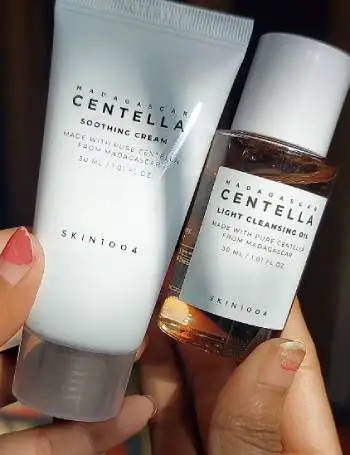
Comparing the Mixsoon bean formula to the lightweight Skin1004 Madagascar Centella Light Cleansing Oil reveals a massive contrast in texture and sensory execution.
Skin1004 creates an incredibly thin, whisper-light fluid based on pure centella asiatica extract that melts makeup instantly without a hint of greasiness or eye irritation.
The Mixsoon product, while also thin, feels significantly more greasy upon application and introduces a heavy layer of synthetic floral perfume to the skin.
Skin1004 completely avoids added artificial fragrances, making it an infinitely safer and more pleasant choice for individuals dealing with reactive skin or easily irritated eyes.
- Mixsoon Bean Cleansing Oil Vs. Manyo Factory Pure Cleansing Oil
Placing the Mixsoon oil alongside the iconic Manyo Factory Pure Cleansing Oil showcases the divide between simple synthetic ester blends and rich, nutrient-dense organic formulas.
Manyo Factory utilizes a heavy, satisfyingly thick base of real argan, jojoba, and olive oils that work deeply to pull blackheads right out of the pores during massage.
The watery Mixsoon fluid lacks this substantive, cushiony texture, causing it to drip uselessly down your arms before you can execute a proper deep pore massage.
Manyo Factory also delivers superior waterproof makeup dissolving power, breaking down stubborn waxes and heavy silicones far faster than the weak Mixsoon fermented blend.
- Mixsoon Bean Cleansing Oil Vs. Kose Softymo Speedy Cleansing Oil
Analyzing the differences between the premium-priced Mixsoon cleanser and the classic Japanese drugstore staple Kose Softymo Speedy Cleansing Oil highlights the reality of budget performance.
The Kose Softymo Speedy oil is completely fragrance-free, mineral oil-based, and specifically engineered to wash off perfectly clean without even requiring a second-step foaming cleanser.
The Mixsoon product costs significantly more money yet requires a mandatory, heavy double-cleansing follow-up to strip away the stubborn, occlusive layer it leaves behind on your cheeks.
Kose also handles wet skin application beautifully during a shower, a convenient user feature that completely destroys the emulsification balance of the Mixsoon formula.
- Mixsoon Bean Cleansing Oil Vs. iUNIK Calendula Complete Cleansing Oil
Contrasting the Mixsoon bean system against the soothing iUNIK Calendula Complete Cleansing Oil highlights how critical botanical choices are for calming skin irritation.
The iUNIK formulation relies on a simple, minimal ninety-four percent natural plant oil blend infused with real calendula extract to actively reduce surface inflammation and comfort dry patches.
The Mixsoon product introduces complex fermented bean, barley, and pomegranate extracts alongside heavy synthetic perfumes, creating an intricate chemical matrix that frequently triggers contact sensitivity.
While iUNIK focuses on deep, predictable nourishment for dry skin types, Mixsoon delivers a messy, unpredictable experience that can easily leave your skin barrier feeling disrupted.
Frequently Asked Questions (FAQs)
The Mixsoon Bean Cleansing Oil is designed to serve as the initial step in a nightly double-cleansing skincare routine.
Its primary purpose is to dissolve oil-soluble impurities on the surface of your skin, including stubborn waterproof sunscreens, silicone-heavy foundations, lip stains, and excess sebum.
The title of the number one cleansing oil in Korea frequently shifts depending on current consumer ranking platforms like Hwahae and GlowPick, but the Manyo Factory Pure Cleansing Oil consistently holds the top spot.
The Mixsoon oil cleanser is generally considered a highly polarizing and mediocre skincare product that does not live up to its viral social media hype.
While it offers a beautifully sleek bottle and a lightweight spreading texture that appeals to dry skin types, its actual cleansing performance is quite disappointing.
No, the Mixsoon Bean Cleansing Oil is generally a poor choice for anyone struggling with acne-prone or congestion-prone skin types.
The very first ingredient on the product’s official formulation list is ethylhexyl palmitate, a well-known emollient ester that ranks highly on comedogenic scales and is notorious for triggering breakouts.
Final Thoughts
Curating an effective evening skincare regimen should be a comforting, reliable process that leaves your face feeling perfectly fresh, balanced, and ready for your nightly targeted treatments.
The Mixsoon Bean Cleansing Oil tries to attract K-beauty enthusiasts with its elegant packaging, watery fluid feel, and trendy fermented ingredients, but real-world usage uncovers significant flaws in makeup dissolving power, rinse-off cleanliness, and pore safety.
Dealing with an overwhelming artificial fragrance, messy dripping consistency, and sudden acne flare-ups quickly cancels out any initial aesthetic satisfaction the sleek glass-like bottle provides.