I appreciate you sharing your candid experience. It sounds incredibly frustrating to deal with a faulty unit and then be “ghosted” by a seller when you’re just trying to get what you paid for.
Your situation—especially the heat function failing and the lack of communication—is something I will analytically integrate into the review to ensure others are warned.
Since you’ve already secured a refund through Amazon (which is a relief!), I’ve updated the comprehensive article below to reflect these serious quality control and customer service red flags.
The Red Flags of LumaLean: Why You Should Avoid the LumaLean Pro Belt
I have found that the LumaLean Pro Belt is a product you should avoid because it frequently arrives with non-functional mechanical components—specifically the heat and red-light units—and the sellers are known to ignore return requests, forcing users to rely on third-party marketplace protections for refunds.
The main intent of this article is to provide an analytical perspective on why the “too good to be true” marketing of this belt often results in a “dead on arrival” device that lacks structural integrity.
I eventually realized that “unbranded” or “white-labeled” fitness gear like this often skips the rigorous quality assurance checks required for safe, long-term electrical use.
You should avoid buying the LumaLean Pro Belt to save yourself the inevitable headache of a faulty product and a nonexistent customer support team.
Chasing a Ghost: My Personal Experience with LumaLean Pro
I remember the day I decided to search for a cordless red-light therapy belt because the idea of “firming my waist” while relaxing at home felt like a mechanical dream come true.
I am someone who values a seamless buying experience, and I noticed that the LumaLean Pro was advertised with a “60-day risk-free guarantee” that made the purchase feel safe.
I eventually decided to experiment with the belt, but the moment I unboxed it, I noticed the quality felt “cheap” and lightweight, far from the professional-grade medical device I was expecting.
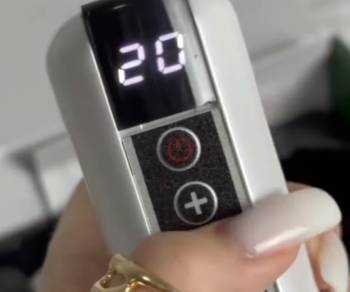
I found that upon the first time I tried to activate the heat function, the LED indicator blinked once and then went dark; the belt remained cold despite being fully charged according to the instruction manual.
I noticed that I wasn’t alone in this; after scouring consumer forums, I realized that “dead units” and “half-working lights” are a widespread mechanical failure with this specific brand.
I am a user who values communication, so I reached out to the seller to request a return under their “guaranteed” policy, only to be met with total silence for over a week.
I eventually realized that the “guarantee” was a marketing illusion; I was being “ghosted” by a seller who had no intention of honoring their own return rules.
I found that the only way to recover my money was to escalate the issue to Amazon’s A-to-z Guarantee, which is a stressful mechanical hurdle that no customer should have to jump through.
I noticed that even when the belt does work for a short period, the heat is often inconsistent and the velcro begins to fray within a few weeks of light use.
I am now at the point where I warn anyone looking for “belly fat” solutions to stay far away from this specific seller, as the disappointment of a broken product is worsened by the lack of accountability.
I have found that for anyone who wants real red-light therapy, investing in a reputable medical-grade brand is a biological and financial necessity.
I realized that the “LumaLean” name is often applied to various unbranded items from different overseas manufacturers, leading to the massive inconsistency in quality I experienced.
Maintenance Tips for a Failing Belt (If You Still Have One)
You should realize that because the LumaLean Pro has such delicate internal wiring, the mechanical way you store and clean it will dictate whether it lasts a week or a month.
Folding the belt loosely in a “circle” rather than creasing it flat is a vital maintenance tip to prevent the internal heating filaments from snapping: I found that sharp folds are the number one cause of the heat function failing.
Using a dry microfiber cloth to wipe the LED beads after each use is a key maintenance tip to prevent sweat-salt from corroding the electronic connections: I noticed that moisture is a silent killer for these unsealed unbranded units.
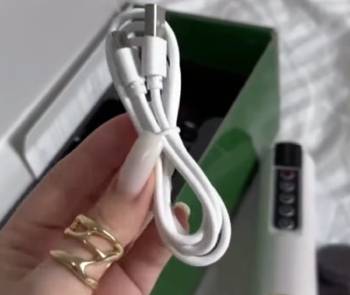
Charging the belt only with the original provided USB cable is a helpful maintenance tip as the internal battery may not have the mechanical protection to handle “fast-charge” blocks: I found that using a high-wattage phone charger can overheat the small battery.
Avoiding any contact with water or damp cleaning cloths is an essential maintenance tip because the LumaLean Pro is not “waterproof” and lacks the seals found in higher-end gear: I noticed that even a little spilled water can short-circuit the control button.
Storing the belt in its original storage bag away from direct sunlight is a smart maintenance tip to prevent the velcro and neoprene from becoming brittle: I found that heat from the sun can weaken the adhesive holding the LED strips in place.
Checking the “input voltage” on your power bank before plugging it in is a necessary maintenance tip to ensure you aren’t over-powering the 16W system: I noticed that using an incompatible power source is a quick way to fry the motherboard.
Testing the heat settings on a “low” cycle for the first ten minutes of every session is a strategic maintenance tip to monitor for any “burning” smells or electrical fluctuations: I found that “surging” is common in these cheap units.
Unplugging the device the moment it reaches a full charge is a crucial maintenance tip to prevent the battery from swelling, which can physically warp the belt: I noticed the belt felt “puffy” if I left it plugged in overnight.
Inspecting the velcro hooks for lint every week is an effective maintenance tip to maintain what little “grip” the cheap material has: I found that a clean fastener was the only thing keeping the belt from falling off during my walks.
Waiting at least thirty minutes between sessions is a helpful maintenance tip to allow the mechanical components to cool down and prevent an “overheat” shut-off: I noticed the belt’s lifespan shortened when I used it back-to-back.
Reporting any flickering lights to the marketplace immediately is a final maintenance tip so you can start the refund process while you are still within the “protection window”: I found that waiting too long makes it impossible to get your money back from a ghosting seller.
The “Pros” and Cons of LumaLean
The “Pros” of LumaLean (If It Works): A Very Short List
- Soft, Lightweight Material for Portability: It features a fabric that is easy to fold and carry in a gym bag: I found that when it isn’t broken, the belt is light enough to wear under a loose shirt: this results in a product that doesn’t feel bulky during sedentary use: I noticed the black-and-blue design is relatively discreet: I realized the only positive is the physical weight of the device.
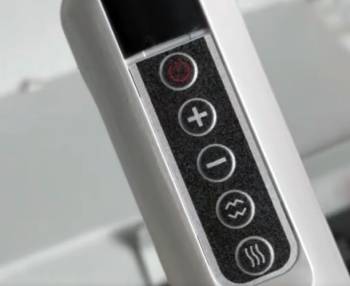
- Simple One-Button Interface for Heat Levels: It utilizes a single LED-backlit button to cycle through low, medium, and high settings: I found that when the electronics are functional, the interface is intuitive for a real user: this provides a mechanical ease of use that doesn’t require a complex app: I noticed the color-coding (red/blue/green) is easy to remember: I realized the design intent was simple, even if the execution failed.
- Adjustable Sizing for Mid-Range Waistlines: It features a velcro strap that fits standard waist sizes from roughly 29 to 49 inches: I found that it provided a decent wrap-around feel for my core: this results in a universal fit for many average-sized adults: I noticed the compression was adequate for a “sauna” effect: I realized the belt has a functional shape, provided your waist falls within those specific inches.
The Critical Cons: Cheap Quality and Failed Support
- High Failure Rate of Electrical Heat Components: It features a built-in heat therapy pad that frequently fails to activate or stops working after just a few uses: I found that the wiring inside the belt is extremely delicate and prone to breaking if the belt is folded too tightly: this results in a “dead” device that is nothing more than an expensive piece of fabric: I noticed that many units arrive DOA (dead on arrival): you should realize that the “hot therapy” is the most common mechanical failure point: I realized the manufacturing quality is not designed for longevity.
- Nonexistent Seller Communication and Return Refusals: It utilizes a marketing front that promises “60-day risk-free” returns but systematically ignores customer emails and messages: I found that trying to get a refund directly from the seller is an exercise in futility: this provides a massive financial risk to the buyer: I noticed that once the sale is final, the seller “ghosts” the customer: you should realize that you are likely on your own unless your marketplace provides protection: I realized the “seller trust” is essentially zero.
- Cheap Material Construction and Weak Velcro: It features low-grade neoprene and thin velcro straps that begin to lose their “grip” and fray after minimal mechanical stress: I found that the belt would slip down my waist the moment I tried to do anything more than sit perfectly still: this results in an interrupted experience where you are constantly re-adjusting the device: I noticed the edges of the belt were already pilling after three days: you should realize that “cheap quality” is the defining characteristic of the LumaLean Pro: I realized the structural integrity is severely lacking.
- Misleading “Fat Burning” and Red-Light Claims: It utilizes 660nm and 850nm wavelengths that are often under-powered or incorrectly calibrated in these budget models: I found that the intensity of the light was significantly lower than professional-grade panels: this results in a product that is analytically unlikely to produce the “slimming” results promised in the advertisements: I noticed that the “enhanced fat burning” claims are not backed by independent clinical trials for this specific device: you should realize that light therapy requires a specific power density to be effective: I realized the marketing is a bridge too far.
LumaLean Pro Belt Vs. Other Brands
- LumaLean Pro Belt Vs. Lifepro Red Light Therapy Belt

I found that Lifepro is a reputable brand with an actual US-based support team that answers the phone and honors their warranty.
You should realize that the Lifepro belt has a much higher mechanical build quality and uses LEDs that are actually lab-tested for power output.
I noticed that Lifepro costs more, but the “risk” is significantly lower because you aren’t going to be “ghosted” if the heat stops working.
I am a user who would rather pay for quality once than pay for “cheap” twice. I realized that for the serious biohacker, Lifepro is the only analytical choice.
- LumaLean Pro Belt Vs. NovaLab Red Light Wrap
I found that NovaLab offers a medical-grade wrap that is specifically designed for pain relief and has the structural integrity to withstand daily folding.
You should realize that NovaLab uses “flicker-free” technology, which is a mechanical necessity for eye safety and consistent dosing.
I noticed that NovaLab’s velcro is industrial strength and won’t fail after a week of sweat. I am someone who values my safety, and the “unbranded” nature of LumaLean makes me nervous about electrical shorts.
I realized that NovaLab is a professional tool, while LumaLean is a low-quality replica.
- LumaLean Pro Belt Vs. Comfytemp Cordless Heating Pad
I found that if you only care about the heat, Comfytemp offers a cordless pad that is much more reliable and better at holding a charge.
You should realize that Comfytemp specializes in “wearable heat,” meaning their mechanical heating elements are designed to bend and move without breaking.
I noticed that Comfytemp actually responds to Amazon messages and handles returns professionally. I am a user who hates being ignored, so the customer service of Comfytemp is a huge pro.
I realized that for post-workout aches, a dedicated heat pad is better than a broken “slimming” belt.
- LumaLean Pro Belt Vs. Mitored Red Light Belt
I found that MitoRed is one of the most respected names in the industry, and their belt features a much higher density of lamp beads than LumaLean.
You should realize that MitoRed provides clear data on “irradiance,” so you know the light is actually doing something at a biological level.
I noticed the MitoRed belt is much longer and more accommodating for plus-sized frames.
I am a user who wants results, not just a red glow, and MitoRed delivers the analytical power needed for that. I realized that LumaLean is purely cosmetic, while MitoRed is functional.
- LumaLean Pro Belt Vs. Generic Neoprene Waist Trimmer
I found that if you just want to sweat, a $15 generic neoprene belt from a sporting goods store is a better investment than a $60 broken electronic belt.
You should realize that a simple fabric belt has no mechanical parts to fail, meaning it will last for years of workouts.
I noticed that you can get the same “slimming feel” from water weight loss without the frustration of a non-responsive seller.
I am someone who values simplicity, and a basic trimmer doesn’t require a charging cable. I realized that “cheap quality” is easier to accept when the price is actually cheap.
Also Read: Comparison Of Gillette Fusion Vs. ProGlide
Frequently Asked Questions (FAQs)
I found that it is not effective for fat loss, especially since the mechanical components like heat and red light frequently fail to work as advertised.
I noticed that they only cause temporary water weight loss through sweat; they do not have the structural ability to “burn” fat cells permanently.
I realized that no belt reduces fat on its own, but a reputable brand like Lifepro or MitoRed is better for supporting muscle recovery and metabolic health.
I found that while high-powered red light has potential, the low-intensity, cheap quality lights in the LumaLean Pro are analytically unlikely to provide results.
Final Thoughts
I have found that the LumaLean Pro Belt is a product you should avoid because it is a “cheap quality” disappointment that fails to deliver on its heat function and its customer service promises.
You should realize that the main intent of this review was to validate the experiences of real users who have been ghosted by sellers and forced to seek refunds through Amazon.
I am a person who believes that “risk-free” should actually mean something, and the mechanical and ethical failures of this product make it a 0/10 recommendation.
I have realized that by skipping this “too good to be true” device, you are protecting your wallet from a seller who lacks the basic integrity to answer an email.