I have found that shower handles and faucets often carry surprisingly high price tags, and many people wonder if they are truly worth it or if cheaper options work just as well.
The main intent of this article is to break down the real reasons behind the cost so you can make smarter decisions when upgrading your bathroom.
You should read this if you are tired of staring at a high price tag and want to understand exactly what you are paying for.
Reasons Why Shower Handles Are Expensive
- High-Quality Materials Drive Up the Cost
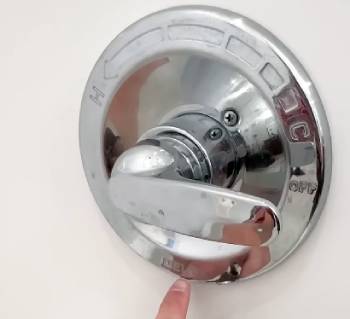
When I first started looking at shower handles, I was shocked at how much more some cost compared to basic models. The main reason is the materials. Most premium shower handles are made from solid brass or high-grade stainless steel. These metals are chosen because they resist corrosion from constant water exposure, last for decades without rusting, and maintain their structural integrity over time.
I remember installing a cheaper plastic-based handle in a rental property years ago. Within two years, it started leaking around the base and the finish peeled off in patches.
The handle became loose and difficult to turn smoothly. In contrast, when I upgraded my own bathroom to a solid brass handle from a reputable brand, it still looks and works like new after five years of daily use.
The upfront cost was higher, but the durability made it a far better long-term investment.
You should realize that cheap materials often lead to frequent replacements, plumber visits, and frustration, which ends up costing more money and time in the end.
Manufacturers also use thicker walls and better plating processes on premium models. This adds noticeable weight and a solid, high-quality feel when you turn the handle. It is not just about looks.
Thicker construction prevents leaks at connection points and ensures smooth operation even after thousands of uses.
The plating process itself — whether chrome, brushed nickel, or matte black — requires multiple layers and quality control steps that drive up production costs.
Advanced Engineering and Technology
Another major factor pushing prices higher is the advanced engineering inside modern shower handles. Many premium models include thermostatic valves that automatically maintain consistent water temperature.
This technology prevents sudden blasts of cold or hot water when someone else flushes a toilet or turns on another faucet elsewhere in the house.
I learned this lesson the hard way with an older shower system. Every time someone ran the sink, I would get scalded or frozen mid-shower.
After switching to a model with a thermostatic cartridge, that problem disappeared completely.
The technology keeps water temperature steady and prevents scalding accidents, especially important for households with children or elderly family members.
However, these valves are complex to manufacture and test, which significantly raises the final price.
Pressure-balancing valves and ceramic disc cartridges are other high-end features that prevent drips and ensure smooth, precise control.
These components require precision machining and rigorous quality testing, adding to the overall cost.
You should realize that paying for better internals means fewer repairs, consistent performance, and a safer shower experience over many years.
Brand Reputation and Warranty Protection
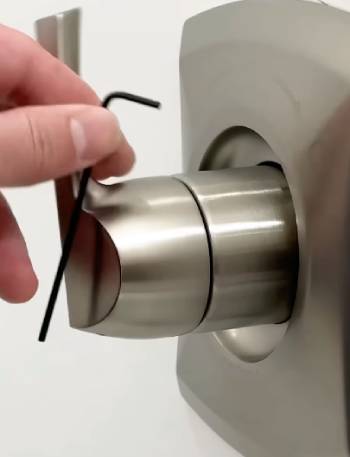
Brand reputation plays a huge role in pricing. Established companies invest heavily in research, testing, and customer support. They back their products with long warranties — sometimes lifetime coverage on finishes and mechanical parts.
I have seen generic handles fail within months, with finishes peeling and leaks developing quickly. In comparison, when I bought a mid-range branded handle, the lifetime warranty on the finish gave me real confidence that it would not tarnish or corrode in the humid bathroom environment. That assurance has real value, especially when you consider the hassle and cost of replacing a failed fixture.
Brands also spend on design innovation, marketing, and building trust. While some of that cost gets passed to the consumer, it often translates to better quality control and ongoing product improvements.
You should realize that paying for a trusted name usually means fewer headaches, better support if something goes wrong, and confidence that the product will perform as promised.
Design, Finishes, and Aesthetic Appeal
The aesthetic appeal of shower handles adds significant cost. Matte black, brushed nickel, polished chrome, and oil-rubbed bronze finishes require special processes and higher-quality plating to ensure they resist water spots, fingerprints, and corrosion.
Custom or unique designs also increase manufacturing complexity and tooling costs.
I remember choosing a brushed nickel finish for my bathroom remodel. It cost noticeably more than the basic chrome option, but it looks elegant, hides water spots better, and matches my other fixtures perfectly.
The special finishing process alone can nearly double the price of a basic handle.
You should realize that paying for design is about both beauty and practicality in a high-moisture environment where cheap finishes quickly show wear.
Installation Complexity and System Compatibility
Many premium shower handles are designed as part of larger coordinated systems. They require specific valve bodies or rough-in kits for proper installation.
This compatibility adds cost because manufacturers engineer entire ecosystems rather than single standalone parts.
When I replaced my shower handle, I had to ensure the valve underneath matched the new model. The extra planning and potential need for additional parts increased the total project cost.
You should realize that the handle itself is only one visible piece of a larger hidden system, which explains part of the expense.
Also Read: Comparison Of Onyx Vs. Tile Shower
Regulatory Standards and Certifications
Premium handles must meet strict water efficiency standards, lead-free requirements, and safety certifications.
These standards require additional testing, documentation, and higher-grade materials that raise production costs.
I appreciate knowing my shower handle meets current environmental and safety regulations. This compliance is not free, but it protects both your health and the planet.
You should realize that paying for certified products often means better safety, lower environmental impact, and compliance with building codes.
My Real Experience Replacing Shower Handles
I remember walking into the hardware store feeling overwhelmed by the wide price range. Basic handles were under $50 while premium ones exceeded $300.
I am someone who likes to understand exactly what I am paying for, so I started asking questions and researching each option carefully.
After installing both a budget handle and a mid-range model in different bathrooms, the difference became crystal clear.
The cheaper one started dripping within a year and the finish faded quickly. The higher-quality one still works smoothly after three years with no leaks or discoloration.
The experience taught me that the extra cost often translates to better materials, superior engineering, and much longer lifespan.
You should realize that a cheap handle can end up costing more in repairs, plumber visits, and frustration over time.
Also Read: Comparison Of Comparing Sentrel Vs. FlexStone
Maintenance Tips for Shower Handles
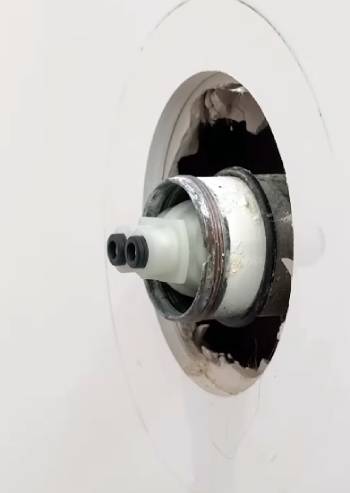
You should realize that proper care extends the life of even expensive shower handles significantly.
- Clean Regularly: Wipe handles and levers with mild soap and water at least once a week. I found this simple habit prevents mineral buildup from hard water, which can make handles stiff or cloudy over time. Use a soft cloth to avoid scratches. I noticed that consistent cleaning kept my brushed nickel finish looking new even after two years of daily use.
- Avoid Harsh Chemicals: Skip abrasive cleaners or bleach-based sprays. I realized these can damage protective coatings and cause discoloration. Instead, use a 50/50 vinegar-water solution for tough spots. I found this natural approach worked just as well without harming the finish.
- Check for Leaks Monthly: Inspect around the base and connections for any drips. I noticed early detection prevented bigger water damage and costly repairs. Tighten loose parts gently with the right tools.
- Lubricate Moving Parts: Apply a small amount of plumber’s silicone grease to the handle mechanism every six months. I found this kept turning smooth and prevented sticking, especially in humid bathrooms.
- Protect During Remodeling: Cover handles with plastic or painter’s tape when painting or doing construction nearby. I realized this small step saved me from scratches and overspray that are hard to remove later.
- Maintain the Finish: For chrome or nickel finishes, dry the surface after each shower to reduce water spots. I noticed this kept my handles sparkling longer. For matte finishes, a quick wipe with a microfiber cloth works best.
- Test Temperature Control: If your handle has a thermostatic valve, test it monthly to ensure it maintains consistent temperature. I found this helped catch any issues early.
- Replace Worn Parts Promptly: If the handle becomes loose or the finish chips, replace seals or cartridges right away. I realized addressing small problems quickly prevents leaks and extends the overall lifespan.
- Store Spares: Keep extra washers or cartridges on hand. I found this saved time during unexpected repairs.
Final Thoughts
I have found that shower handles are expensive for good reasons — quality materials, advanced engineering, brand trust, thoughtful design, and regulatory compliance all contribute to the price.
You should realize that the main intent of this article was to help you understand exactly what you are paying for so you can make informed choices.
I am a person who has learned the hard way that cheap handles often lead to regret while investing in quality pays off in comfort, reliability, and longevity.
You deserve fixtures that work reliably and look good for years so choose wisely based on your needs and budget.