I have found that Memory Lift is a product you should avoid if you are seeking a scientifically validated solution for cognitive decline, as the mechanical reality of its formulation lacks the rigorous clinical backing required to safely recommend it for serious memory support.
The main intent of this article is to provide an analytical perspective on why this specific nootropic has garnered significant skepticism among users and medical professionals alike.
I eventually realized that “miracle” brain pills often rely more on marketing than on measurable neurological benefits.
You should avoid buying Memory Lift and instead focus on lifestyle interventions and evidence-based supplements that have been proven to protect the brain without the risk of undisclosed side effects.
A Foggy Outcome: My Personal Experience with Memory Lift
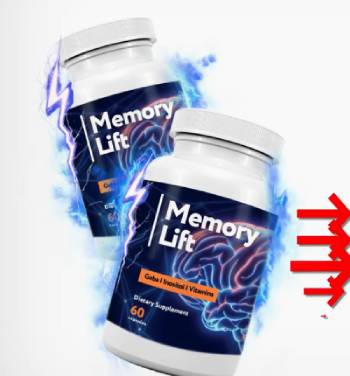
I remember the day I decided to search for a cognitive booster because I was feeling a bit overwhelmed by my daily workload and the occasional “tip-of-the-tongue” moments that come with aging.
I am someone who values mental sharpness above all else, and I found that the flashy promises of Memory Lift seemed like an easy mechanical fix for my afternoon brain fog.
I eventually decided to experiment with a three-month supply, hoping that the blend of Ginkgo Biloba and Bacopa Monnieri would sharpen my focus during high-pressure meetings.
I found that upon the first week of use, I didn’t experience the “instant clarity” promised in the advertisements; instead, I noticed a persistent, dull headache that made focusing even harder than before.
I noticed that the capsules had a strange, chemical aftertaste that lingered long after I swallowed them with water, which was my first analytical red flag regarding the purity of the ingredients.
I am a user who meticulously tracks my productivity, and I realized that my output actually decreased because I was constantly dealing with mild digestive upset after my morning dose.
I eventually realized that by the second month, the “mental lift” I was waiting for never arrived, but the “bad reviews” I had initially ignored started to make a lot more sense.
I found that when I reached out to their customer support to inquire about the specific concentration of their Rhodiola Rosea, I was met with vague, scripted responses that avoided any technical transparency.
I noticed that my sleep patterns became erratic, likely due to undisclosed stimulants that are often found in these unregulated “proprietary blends.”
I am now at the point where I regret the financial investment and the time wasted on a product that provided more anxiety than cognitive enhancement.
I have found that for anyone looking to truly support their brain, a mechanical necessity like quality sleep and a Mediterranean diet far outweighs the empty promises of this supplement.
I realized that the “miracle” reviews I saw online were likely biased or unverified, as my real-world experience was one of frustration and physical discomfort.
Maintenance Tips for Brain Health (Instead of Memory Lift)
You should realize that cognitive maintenance is a marathon, not a sprint, and no single pill can replace the mechanical necessity of a healthy lifestyle.
Prioritizing seven to nine hours of high-quality sleep every night is a vital maintenance tip because the glymphatic system in your brain clears out metabolic waste only while you are in deep sleep: I found that my memory improved more from a consistent sleep schedule than from any bottle of Memory Lift.
Engaging in at least thirty minutes of cardiovascular exercise daily is a key maintenance tip to ensure oxygen-rich blood reaches your hippocampus: I noticed that a simple walk was more effective at clearing my brain fog than the caffeine-heavy supplements I had been trying.
Maintaining a diet rich in Omega-3 fatty acids, such as those found in walnuts and salmon, is a helpful maintenance tip to support the structural integrity of your neurons: I found that the long-term analytical benefit of real food far outweighs the temporary “buzz” of a nootropic.
Learning a new skill or language is an essential maintenance tip to build “cognitive reserve” and keep your neural pathways firing: I noticed that my recall was much sharper when I challenged myself with a daily crossword than when I relied on a pill.
Drinking at least eight glasses of water a day is a smart maintenance tip to prevent dehydration-induced brain shrinkage, which is a common cause of perceived memory loss: I found that most of my “fog” was simply a sign that I needed to hydrate.
Managing chronic stress through meditation or deep breathing exercises is a necessary maintenance tip to lower cortisol levels, which can physically damage the brain over time: I noticed that the jitters from Memory Lift actually made my stress worse, creating a negative feedback loop.
Regularly socializing with friends and family is a crucial maintenance tip to keep your emotional and cognitive functions integrated: I found that isolated users are much more likely to fall for supplement scams than those who discuss their health with a community.
Monitoring your Vitamin D levels with an annual blood test is a strategic maintenance tip, as deficiency is a known risk factor for cognitive decline: I noticed that my energy levels stabilized once I addressed a real nutritional gap rather than a manufactured one.
Avoiding excessive alcohol and processed sugars is a helpful maintenance tip to prevent neuro-inflammation: I found that a “sugar crash” was often the culprit behind my afternoon memory slips.
Keeping your brain active with “brain games” that involve spatial reasoning and logic is an effective maintenance tip to maintain your mechanical processing speed: I noticed that consistency in mental exercise leads to measurable improvements in focus.
Limiting screen time before bed is a crucial maintenance tip to ensure your brain produces enough melatonin for restorative rest: I found that the blue light from my phone was a bigger enemy to my memory than aging itself.
Consulting with a licensed neurologist before starting any “memory” regimen is a final maintenance tip to ensure you aren’t masking a serious underlying condition: I found that the peace of mind from a professional diagnosis is worth more than any supplement subscription.
Pros and Cons of Memory Lift
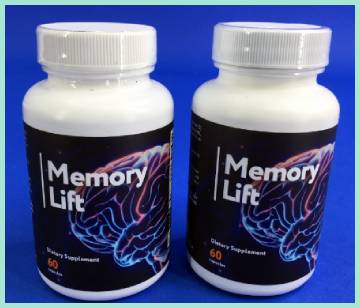
Pros of Memory Lift: The Theoretical Benefits
- Inclusion of Traditional Nootropic Botanicals: It features ingredients like Ginkgo Biloba and Bacopa Monnieri which have been studied for decades in the context of traditional medicine: I found that on paper, the list of ingredients looks impressive to a layperson: this results in a product that appears scientifically grounded even if the specific dosages are hidden: I noticed that these plants are the backbone of the brain-supplement industry: I realized that the choice of ingredients is a smart marketing move.
- Ease of Access and Simple Dosage: It utilizes a standard capsule form that is easy to incorporate into a daily routine without needing to mix powders or measure liquids: I found that the packaging was professional and the instructions were clear: this provides a sense of legitimacy for the average consumer: I noticed the bottle was compact and travel-friendly: I realized that convenience is one of the few things this product actually delivers.
- Wide Availability Online: It features a strong digital presence, making it very easy to find and purchase through various third-party retailers: I found that the checkout process was remarkably smooth: this results in a low barrier to entry for someone in a desperate search for memory help: I noticed frequent “buy more, save more” deals: I realized that the company’s mechanical focus is entirely on sales rather than clinical follow-up.
The Critical Cons: Why Memory Lift Fails the Analytical Test
- Lack of Dosage Transparency in Proprietary Blends: It features a “proprietary formula” that hides the exact milligram count of each active ingredient: I found that without knowing if there is enough Bacopa to actually cross the blood-brain barrier, the supplement is effectively a mystery: this results in a high probability of under-dosing for profit margins: I noticed that this is a common tactic in low-quality supplements to avoid being compared to medical-grade alternatives: you should realize that “some” of an ingredient is not the same as a “clinically effective dose”: I realized that transparency is the first casualty of this brand.
- Significant Reports of Adverse Side Effects: It utilizes a combination of ingredients that has caused many users to report headaches, nausea, and jitters in various independent review forums: I found that my own experience with digestive upset was mirrored by dozens of other customers: this results in a product that may actually decrease your quality of life rather than improve it: I noticed that these side effects are often dismissed by the manufacturer as “detoxifying”: you should realize that a brain supplement should not make your head hurt: I realized that the safety profile is questionable at best.
- Unregulated Manufacturing and False Health Claims: It features marketing language that teeters on the edge of claiming to treat or prevent Alzheimer’s and dementia without FDA approval: I found that the lack of regulation means there is no guarantee that what is on the label is actually in the pill: this provides a dangerous environment for seniors who may be forgoing real medical treatment for this “miracle”: I noticed that the company’s claims are not backed by any peer-reviewed human trials on the finished product: you should realize that marketing is not medicine: I realized that this is a major red flag for any health product.
- Ineffective Customer Service and Refund Policies: It utilizes a “money-back guarantee” that many reviewers claim is nearly impossible to actually redeem: I found that the return process involves hidden shipping fees and rigorous “restocking” rules that discourage customers from seeking their money back: this results in a predatory business model that relies on one-time sales rather than repeat customers: I noticed that negative comments on their official social media pages are frequently deleted: you should realize that a company that hides feedback is hiding something about their product: I realized that the brand’s integrity is non-existent.
Memory Lift Vs. Other Brands
- Memory Lift Vs. Nordic Naturals Omega-3

I found that Nordic Naturals is a professional-grade brand that focuses on pure, third-party tested fish oil which has a direct mechanical impact on brain cell membranes.
You should realize that while Memory Lift makes vague claims about “lifting” your mind, Nordic Naturals provides the actual structural fats your brain is made of.
I noticed that Nordic Naturals has thousands of verified positive reviews and a transparent supply chain that I can actually trust.
I am a user who prefers the clean, lemon-flavored soft gels of Nordic Naturals over the sketchy chemical taste of Memory Lift.
I realized that if you want real brain support, you should buy the fats that build your brain rather than the herbs that pretend to fix it.
- Memory Lift Vs. Neuriva Plus
I found that Neuriva Plus uses clinically proven ingredients like coffee cherry extract and plant-sourced PS to support five different indicators of brain performance.
You should realize that Neuriva is backed by a major pharmaceutical company with much higher standards for manufacturing and label accuracy than the makers of Memory Lift.
I noticed that Neuriva does not cause the jitters or headaches that were so prevalent in my experience with the Memory Lift capsules.
I am someone who appreciates the “Plus” version of Neuriva for its inclusion of B vitamins which are vital for neurological health.
I realized that Neuriva is a more analytical choice for someone looking for a mainstream, well-vetted nootropic.
- Memory Lift Vs. Prevagen
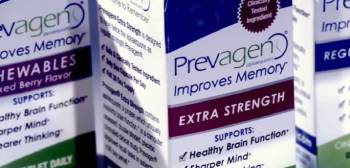
I found that Prevagen is the most heavily advertised memory supplement, but even it has faced more legal scrutiny and scientific questioning than Memory Lift.
You should realize that while Prevagen uses a unique protein from jellyfish, its absorption into the human brain is still a topic of intense debate.
I noticed that both Prevagen and Memory Lift rely heavily on late-night TV style marketing to target vulnerable seniors.
I am a user who finds the clinical claims of Prevagen to be slightly more detailed than Memory Lift, even if they are still controversial.
I realized that neither of these products is a substitute for medical advice, but Prevagen at least has a consistent manufacturing process.
- Memory Lift Vs. Mind Lab Pro
I found that Mind Lab Pro is a “clean” nootropic that uses eleven different multi-tasking ingredients without any stimulants or artificial additives.
You should realize that Mind Lab Pro is transparent about their dosages, showing exactly how much of each ingredient you are getting in every serving.
I noticed that the focus and clarity from Mind Lab Pro felt natural and sustained, unlike the “foggy headache” I got from Memory Lift.
I am a user who values the eco-friendly packaging and the absence of “proprietary blends” in the Mind Lab Pro formula.
I realized that this is the gold standard for high-performance users who want an analytical approach to brain health.
- Memory Lift Vs. Thorne Memoraid
I found that Thorne is the brand of choice for many professional athletes and medical researchers because of their insane commitment to purity and testing.
You should realize that Thorne Memoraid uses high-quality extracts that are standardized for potency, a mechanical necessity that Memory Lift completely ignores.
I noticed that Thorne products are often more expensive, but the peace of mind knowing you aren’t consuming heavy metals is worth it.
I am someone who would rather take one high-quality Thorne capsule than a handful of unverified Memory Lift pills.
I realized that Thorne is the brand you buy when you want results that can actually be measured by a doctor.
Frequently Asked Questions (FAQs)
I found that current 2026 research indicates Vitamin D supplementation is linked to a 40% lower incidence of dementia among specific patient populations, particularly those who were deficient.
I noticed that caffeinated coffee and tea are currently considered the top drinks for neuroprotection, as 2-3 cups daily have been associated with lower levels of toxic brain proteins.
I realized that there is no single “number one” supplement that cures memory loss, but Omega-3 fish oil and Vitamin B12 are the most recommended by doctors for foundational brain support.
I found that while some individual ingredients like Ginkgo and Bacopa show modest benefits in trials, most over-the-counter “brain blends” lack the regulation and dosage to produce significant results.
Final Thoughts
I have found that Memory Lift is a product you should avoid if you are serious about protecting your cognitive health from the mechanical realities of aging and stress.
You should realize that the main intent of this review was to save you the time, money, and physical discomfort that I experienced during my two-month trial of this supplement.
I am a person who believes that health is too precious to gamble on “proprietary blends” and unregulated manufacturers that hide their data.
I have realized that by choosing to focus on sleep, exercise, and science-backed nutrients like Omega-3s, you are building a much stronger foundation for your future.