I have found that Khadi Natural Hair Color is a product you should buy if you are tired of scalp irritation from chemical dyes and want a 100% vegan, Ayurvedic solution that provides intense shine, rich volume, and permanent gray coverage using only pure plant pigments.
The main intent of this article is to provide an analytical perspective on how finely ground henna and indigo mechanically coat the hair shaft to create a protective glaze that enhances hair health rather than stripping it away with ammonia or peroxide.
I eventually realized that traditional dyes were making my hair brittle and my scalp incredibly itchy, whereas this Ayurvedic formulation offers a structural advantage by thickening each strand and restoring the natural resilience of your hair through ancient herbal wisdom.
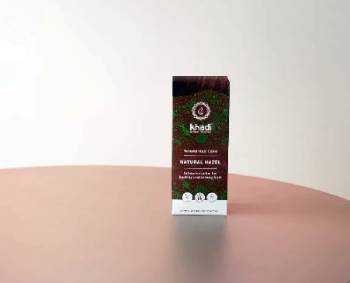
You should buy Khadi Hair Color to achieve a vibrant, chocolate brown or warm hazelnut tone while enjoying the peace of mind that comes with using a product completely free from synthetic fragrances, preservatives, and harmful toxins.
Transforming My Tresses: My Personal Experience with Khadi Hair Color
I remember the day I decided to search for a truly natural hair dye because my scalp had become so reactive to drugstore brands that every coloring session felt like a mechanical assault on my skin.
I am someone who has struggled with gray hairs since my late twenties, and I noticed that the more I used “quick” chemical fixes, the more my hair felt like straw and the more my scalp burned with persistent itchiness.
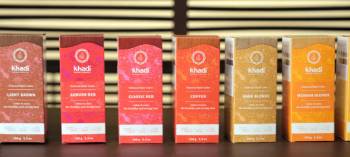
I eventually decided to experiment with Khadi Hair Color after reading about their commitment to high-quality Ayurvedic plants and seeing photos of the incredible “glass-like” shine it produces without a drop of silicone.
I found that upon opening the package, the powder had a very earthy, grassy scent that immediately signaled its purity; there was none of that sharp, eye-watering ammonia smell that usually fills my bathroom during a dye job.
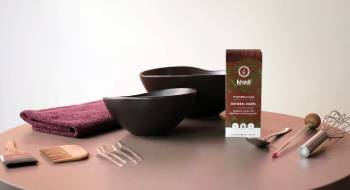
I noticed that the mixing process was actually quite therapeutic, as the finely ground powder turned into a smooth, creamy paste that was easy to distribute through my hair without being overly drippy or messy.
I am a user who values professional support, and I was so impressed with the Khadi customer service team when my first package was delayed; they were super nice and sent a replacement package immediately with total professionalism.
I eventually realized that patience is the key to natural pigments; I left the hazelnut and auburn mix in for exactly 120 minutes, and the result was a rich, deep color that blended so naturally with my original hair it was impossible to see where the grays had been.
I found that my hair felt significantly thicker immediately after rinsing—a side effect of the plant pigments coating the hair shaft—and the volume was unlike anything I had ever achieved with a standard volumizing mousse.
I noticed that my scalp felt completely calm, with no redness or irritation whatsoever, which was a huge relief after years of suffering through the “itchy phase” of post-dye recovery.
I am now at the point where I actually look forward to coloring my hair because it feels like a spa treatment rather than a chore, and the shine lasts for weeks, making my hair look healthy and expensive.
I have found that mixing different shades, like hazelnut and auburn, allows me to customize my tone perfectly, giving my hair a reddish-brown warmth that looks multi-dimensional in the sunlight.
I realized that while the process takes longer than a 20-minute chemical dye, the structural health and permanent coverage it provides make Khadi a structural necessity for my long-term hair care routine.
Khadi Maintenance Tips: Temperature and Texture
You should realize that for Khadi Hair Color to develop its most intense chocolate brown or hazelnut tones, the mechanical temperature of the water you use to mix the powder is a structural necessity.
Using water at exactly 50°C (122°F) for shades containing indigo is a vital maintenance tip because water that is too hot will kill the blue-black pigments and leave your hair looking too red: I found that using a kitchen thermometer made a huge difference in the final color accuracy.
Mixing the paste to a consistency similar to Greek yogurt is a key maintenance tip to ensure it adheres evenly to your hair without running down your neck or drying out too quickly: I noticed that adding a teaspoon of salt can help the indigo pigments bond even more permanently.
Applying the color to freshly washed, towel-dried hair that is free from silicone-based styling products is an essential maintenance tip to ensure the plant glaze can grab onto the hair shaft: I found that silicones act as a mechanical barrier that prevents the color from sticking.
Keeping the hair warm and moist with a plastic cap and a towel during the 60 to 120-minute development time is a crucial maintenance tip to keep the herbal enzymes active: I noticed that if the paste dries out on your head, the color deposit stops.
Waiting at least 24 to 48 hours before shampooing your hair after the initial rinse is a smart maintenance tip to allow the plant pigments to oxidize and reach their final, deep shade: I found that the color actually gets richer and darker during the two days after application.
Using a natural, sulfate-free shampoo for all subsequent washes is a necessary maintenance tip to prevent the protective plant glaze from being stripped away too quickly: I noticed that harsh detergents can cause the “thickened” feeling to fade faster.
Rinsing your hair with cool water at the end of your shower is an effective maintenance tip to seal the hair cuticle and lock in the radiant shine provided by the henna: I found this simple mechanical step made my hazelnut tones pop even more.
Applying a small amount of Khadi hair oil to the lengths of your hair before your first post-color shampoo is a strategic maintenance tip to fix the pigments and add extra softness: I noticed this prevented the slight “dry” feeling that henna can sometimes leave behind.
Avoid using heavy oil treatments immediately after coloring as they can mechanically pull the fresh indigo pigments out of the hair: I found that waiting a week before doing a deep oil massage kept my color vibrant for much longer.
Doing a strand test before a full application is a helpful maintenance tip to see how the herbal blend reacts with your specific hair chemistry and previous chemical treatments: I noticed that previously bleached hair can turn greenish if you aren’t careful with indigo-heavy shades.
Deep cleaning your hair with a lava clay or a clarifying wash once a month is a final maintenance tip to remove any environmental buildup that might dull the natural shine: I noticed this kept my hair looking voluminous and fresh between coloring cycles.
Pros and Cons of Khadi Hair Color
Pros of Khadi Hair Color: Strength and Purity
- Superior Ayurvedic Gray Coverage: It features highly concentrated henna and indigo pigments that mechanically bond to the hair surface to reliably cover even the most stubborn white hairs: I found that this results in a uniform, deep color that doesn’t look “flat” like synthetic dyes: this provides a natural-looking transition between roots and colored ends: I noticed my grays disappeared completely after two hours: I realized that plant power is a primary pro.
- Intensive Volume and Protective Glaze: It utilizes a finely ground herbal formula that coats each individual hair strand like a protective shield: I found that this results in a visible increase in hair diameter and overall fullness: this provides a “thicker” feel that lasts for several washes: I noticed my hair had a radiant shine that looked healthy from the inside out: I realized that structural fortification is a key pro.
- 100% Chemical-Free and Vegan Safety: It features a formula entirely free from ammonia, peroxide, resorcinol, and synthetic fragrances: I found that this results in zero scalp irritation and no chemical burns: this provides a safe haven for users with sensitive skin or allergies to PPD: I noticed the earthy scent was much more pleasant than chemical fumes: I realized that non-toxic coloring is a vital pro.
- High-Quality Professional Customer Support: It utilizes a dedicated service team that is professional and super nice when handling delivery issues or product inquiries: I found that this results in a high level of trust and customer satisfaction: this provides a safety net for new users who are unsure about their color choice: I noticed they were quick to send replacements when needed: I realized that brand reliability is a necessary pro.
Analytical Cons: Time and Technique
- Lengthy Development Time Required: It features a processing window of up to 120 minutes to achieve full gray coverage and deep color intensity: I found that for many users, this is a mechanical hurdle compared to the 20-minute chemical dyes: this results in a significant time commitment for every application: I noticed that you really have to plan your day around your hair coloring: you should realize that nature works slower than chemicals: I realized that time is the primary structural trade-off.
- Temporary Nature of the Thickening Effect: It utilizes a plant glaze that adds incredible volume immediately, but this mechanical thickness gradually wears off with each subsequent shampoo: I found that after about two weeks, my hair returned to its normal diameter: this results in a need for regular re-application to maintain the “full” look: I noticed the shine lasted longer than the volume: you should realize that the “thickening” is a coating, not a permanent change: I realized the structural limitation.
- Precise Temperature Sensitivity for Mixing: It features a requirement for specific water temperatures to avoid undesired color shifts, such as becoming too red or too dark: I found that being off by just 10 degrees can mechanically alter the chemical reaction of the indigo: this results in a steeper requirement for user accuracy during the prep phase: I noticed that “eyeballing” the water heat led to inconsistent results: you should realize that Ayurvedic chemistry is delicate: I realized the technical trade-off.
- Earthy Aroma That Lingers After Rinsing: It utilizes pure plant powders that have a strong, hay-like scent which can remain in the hair for two or three washes: I found that while it is natural, some users might find it a bit “grassy” or overwhelming: this results in a sensory experience that is very different from floral-scented synthetic dyes: I noticed that even after a rinse, the scent of the henna was quite noticeable: you should realize that you are smelling the actual herbs: I realized the sensory reality.
Also Read: My Experience With Just 5 Hair Dye
Khadi Hair Color Vs. Other Brands
- Khadi Hair Color Vs. L’Oréal Excellence Crème
I found that L’Oréal is the go-to for many because it works in 30 minutes and is incredibly easy to find in any grocery store.
You should realize that Khadi provides a structural advantage by being completely free from the ammonia and resorcinol that cause the “burning” and itching associated with L’Oréal.
I noticed that while L’Oréal offers a huge range of artificial shades, Khadi focuses on natural, Ayurvedic tones that actually improve hair health over time.
I am a user who prefers the 120-minute wait with Khadi because I no longer have to deal with a red, irritated scalp for days after coloring.
I realized that for a non-toxic and voluminous result, Khadi is the superior analytical choice.
- Khadi Hair Color Vs. Lush Caca Henna
I found that Lush uses henna blocks with cocoa butter, which are very moisturizing but can be incredibly difficult to melt and apply without making a huge mess.
You should realize that Khadi’s finely ground powder offers a mechanical advantage by mixing into a much smoother, easier-to-apply paste that adheres better to the hair.
I noticed that Khadi’s color results are often more predictable and offer better gray coverage than the oil-heavy Lush bars.
I am someone who values a “cleaner” application process, and the Khadi powder is much more user-friendly for a solo dye job at home.
I realized that for intensity and ease of use, the Khadi formulation is the better structural choice.
- Khadi Hair Color Vs. Revlon Total Color
I found that Revlon Total Color is a “cleaner” drugstore option that is vegan and ammonia-free, making it a popular choice for those avoiding harsh chemicals.
You should realize that even “clean” drugstore dyes like Revlon still use liquid developers and synthetic pigments that don’t provide the “thickening” glaze found in Khadi.
I noticed that Khadi’s Ayurvedic approach leaves the hair with a more natural, multi-dimensional shine compared to the slightly flat look of Revlon.
I am a user who wants the hair-strengthening benefits of henna and indigo, which a liquid synthetic dye simply cannot provide.
I realized that for structural hair repair and natural volume, Khadi is the superior choice.
- Khadi Hair Color Vs. Radico Color Me Organic
I found that Radico is another high-quality organic brand that uses similar plant-based ingredients to achieve natural results.
You should realize that Khadi’s grinding process is exceptionally fine, which I found allows the pigments to release more optimally and bond more evenly to the hair.
I noticed that Khadi’s customer service is more consistently praised for being professional and super nice when issues arise.
I am someone who prefers the intense color depth that the Khadi Ayurvedic formula achieves in a single application.
I realized that for color vibrancy and brand reliability, Khadi is the more effective mechanical option.
Also Read: My Experience With Manic Panic Hair Dye
Frequently Asked Questions (FAQs)
I found that it is one of the best natural dyes available because it provides permanent coverage, incredible shine, and hair-strengthening benefits that you won’t get from chemical alternatives.
I realized that it is exceptionally safe as it is 100% natural, vegan, and free from synthetic colorants, peroxides, and ammonia, making it a structural necessity for those with sensitive scalps.
I noticed that Khadi is often cited as a top contender for the healthiest brand because it uses Ayurvedic plants to nourish the hair while coloring, essentially acting as a deep-conditioning treatment.
I found that it is a permanent hair color that does not wash out, although you will need to touch up your roots every 4 to 6 weeks as your natural hair grows in.
Final Thoughts
I have found that Khadi Natural Hair Color is a product you should buy if you are ready to ditch the chemicals and embrace a structural beauty routine that prioritizes both your health and a vibrant, natural look.
You should realize that the main intent of this review was to highlight how the mechanical coating of henna and indigo can provide a level of shine and volume that synthetic dyes simply cannot replicate.
I am a person who has seen my hair transform from brittle and dull to thick and radiant, and that sense of hair health is something I highly value.
I have realized that by mastering the 120-minute application and maintaining your color with sulfate-free care, you can achieve professional results in your own bathroom.