I used Kelo Cote scar gel on both newer and older scars after reading about its silicone formula and decided to test it for daily scar management.
The main intent of this article is to share my real results on texture redness flattening and ease of use so you can decide whether this gel fits your scar care routine.
My focus stays on consistent application and visible changes over weeks rather than marketing claims alone.
You will see clear pros cons and direct comparisons that reflect actual use.
My Experience Using Kelo Cote Scar Gel
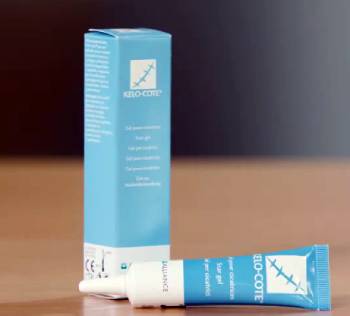
I applied Kelo Cote twice daily to a surgical scar and a few smaller older marks.
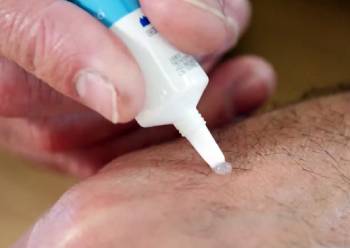
The gel spread easily in a thin layer and felt lightweight once dry.
It stayed slightly tacky for several minutes which is normal for pure silicone products.
I learned to blot gently after a few minutes so clothing and sheets did not pull at the surface.
On the newer scar the redness softened gradually over the first month.
The raised areas felt a bit flatter and less firm to the touch after consistent use.
Older marks showed milder improvement and mainly looked less shiny and irritated.
I continued for the full recommended period of two to three months and tracked changes with simple notes.
The gel never stained clothes once fully dry and sat comfortably under light makeup.
No burning or irritation appeared on normal skin.
Results stayed progressive rather than dramatic and required patience.
Key features such as the self-drying silicone layer water resistance and odorless finish shaped a practical daily treatment that supported gradual scar improvement.
My extended use supplied the concrete texture and visibility notes that follow.
Maintenance Tips for Best Results
Consistent technique and realistic timing help silicone gels deliver their best support.
Clean the scar area gently and let the skin dry completely before each application.
Use only a very thin layer because a little silicone spreads far and thick coats stay tacky longer.
Allow the gel to dry fully for several minutes before covering with clothes or makeup.
Blot lightly with a clean tissue if surface stickiness remains after five minutes.
Apply twice daily and continue for at least sixty to ninety days for newer scars.
Protect the area from sun exposure with clothing or separate sunscreen once the gel has set.
Store the tube tightly closed in a cool dry place.
Track progress with simple photos or notes every two weeks so small changes become clearer.
Avoid picking or scrubbing the scar while the film is working.
These steps maximize the chance of softer flatter and less red scars while keeping expectations realistic about gradual silicone-based improvement.
Daily consistency and thin layers matter more than perfect technique yet even careful use produces individual results that depend on the scar itself.
Application Timing Drying Behavior and Daily Wear
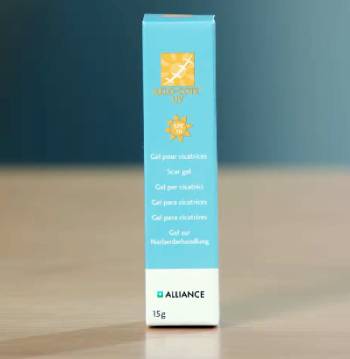
Application timing and drying behavior decide how practical a silicone scar gel feels in real daily life.
I applied Kelo Cote twice each day once in the morning after washing and once in the evening before bed.
A thin layer spread easily across the scar and surrounding skin.
The gel remained slightly tacky for several minutes which is normal for pure silicone formulas.
I waited at least five minutes before dressing or lying on a pillow so the surface could set.
When residual stickiness lingered I blotted gently with a clean tissue and found the protective layer stayed intact underneath.
Once dry the film felt flexible and moved with the skin during normal activity.
It stayed in place through light sweating and routine hand washing around the area.
Clothing and sheets no longer clung after the full drying window.
I could apply light makeup over fully set gel on facial scars without pilling or lifting.
Morning application worked best after the skin was completely dry from cleansing.
Evening use allowed longer uninterrupted contact overnight.
Analytical review of weeks of consistent wear places the product as convenient once the drying routine becomes habit.
Key features such as the self-drying silicone and water-resistant finish support all-day wear when the thin-layer technique is followed.
These practical details become clear after the first several days rather than from the initial application alone.
The realistic expectation is a short waiting period in exchange for a breathable protective layer that stays comfortable through normal daily movement.
Pros and Cons Of Kelo Cote Scar Gel
Pros Of Kelo Cote Scar Gel
- Silicone-Based Formula: Uses the ingredient most often recommended by dermatologists for scar management.
- Works on New and Older Scars: Suitable for both recent and mature marks.
- Self-Drying Layer: Forms a flexible breathable film once set.
- Lightweight Feel: Non-greasy after drying and comfortable for daily wear.
- Odorless and Colorless: Discreet under clothing or light makeup.
- Water Resistant: Stays in place during normal activity once dry.
- Sensitive Skin Friendly: Generally well tolerated with low irritation risk.
- Twice-Daily Routine: Simple schedule that fits most lifestyles.
- Travel Friendly Tube: Small size works for home or on the go.
- Gradual Visible Support: Helps reduce redness and soften raised areas over time.
The Analytical Cons Of Kelo Cote Scar Gel
- Initial Tackiness: Stays sticky for several minutes before fully setting.
- Requires Consistency: Benefits appear only with steady twice-daily use.
- Not Instant: Changes develop over weeks to months rather than days.
- Modest on Very Old Scars: Older marks often show milder improvement.
- Price per Tube: Higher cost than basic moisturizers or oils.
- Thin Application Needed: Using too much increases drying time and waste.
- Sun Protection Separate: No built-in sunscreen so extra protection is required.
- Individual Results Vary: Outcome depends on scar type age and skin response.
- Ongoing Use for Best Effect: Stopping early can limit progress.
- Not a Complete Scar Eraser: Supports improvement rather than full removal.
Kelo Cote Scar Gel Vs. Other Brands
- Kelo Cote Scar Gel Vs. ScarAway Silicone Sheets
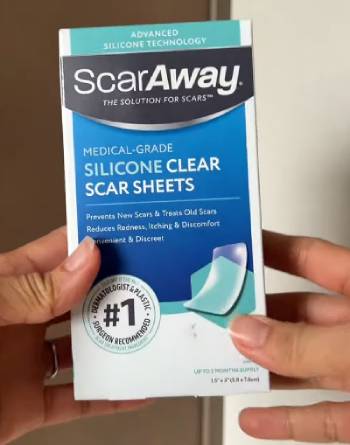
ScarAway silicone sheets provide physical coverage and continuous occlusion for larger or raised scars.
I compared the gel format of Kelo Cote with sheet options on both flat and contoured areas.
The gel proved easier to apply on facial scars joints and uneven surfaces where sheets tend to lift.
Sheets stayed in place longer on broad flat body areas and needed fewer reapplications during the day.
Kelo Cote dried into a flexible film that moved naturally with the skin and stayed discreet under clothing.
Both approaches rely on silicone yet the delivery method changes convenience.
Choice depends on scar location size and whether a leave-on gel or adhesive sheet fits your daily routine better.
- Kelo Cote Scar Gel Vs. Bio-Oil
Bio-Oil is a popular oil-based product marketed for scars stretch marks and overall skin appearance.
Side-by-side use showed clearly different textures and mechanisms.
Kelo Cote forms a pure silicone barrier that locks in moisture and protects the scar while Bio-Oil moisturizes with plant oils and vitamins.
Silicone gels carry stronger clinical support for softening and flattening raised scars.
Bio-Oil felt lighter and absorbed faster for general skin care yet delivered less targeted improvement on hypertrophic marks in my testing.
Users focused on proven scar management often prefer the silicone gel format while those seeking a multi-purpose oil may lean toward Bio-Oil.
- Kelo Cote Scar Gel Vs. Mederma Scar Gel
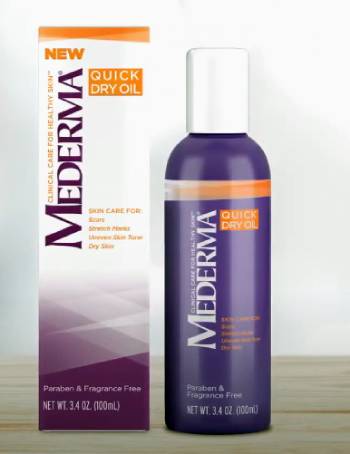
Mederma scar gels typically use onion extract and complementary ingredients rather than pure silicone.
Direct comparison revealed different sensory profiles and supporting evidence.
Kelo Cote stayed closer to the silicone standard most often recommended by dermatologists for raised scars.
Mederma offered a more traditional cream-like feel that some users find familiar and easy to spread.
Drying time and surface finish also differed with Kelo Cote forming a distinct protective film.
Results vary by individual scar and skin type yet silicone remains the more consistently supported approach for height and redness reduction.
- Kelo Cote Scar Gel Vs. Generic Silicone Gels
Generic silicone gels often contain similar active silicone ingredients at lower prices.
I tested texture drying behavior and daily wear against Kelo Cote and found performance overlapped when the formula stayed pure and the silicone concentration matched.
Kelo Cote provided reliable consistency and predictable drying that made twice-daily use straightforward.
Some generics worked well once I confirmed the ingredient list and avoided added fragrances.
Cost savings can be meaningful for long treatment periods.
Brand preference depends on texture tolerance availability and how closely the generic matches a medical-grade silicone profile.
- Kelo Cote Scar Gel Vs. Silicone Scar Sheets from Other Brands
Other silicone scar sheets focus on continuous occlusion for several hours or overnight wear.
The gel format of Kelo Cote allowed easier application on joints facial areas and scars that flex throughout the day.
Sheets sometimes produced stronger occlusion on large flat scars and stayed put during sleep.
Kelo Cote supported discreet daytime use under clothing without visible edges or lifting corners.
Many people combine both methods using gel during active hours and sheets at night for flexible coverage.
The better option depends on scar shape daily movement and personal preference for film versus adhesive sheet.
Frequently Asked Questions (FAQs)
Many users and clinical feedback support gradual improvement in redness texture and height of scars when applied consistently over weeks to months.
Silicone-based gels remain the most widely recommended option by dermatologists for managing raised and red scars.
Both use silicone technology. ScarAway often focuses on sheets while Kelo Cote is a gel that suits contoured or facial areas more easily.
Kelo Cote provides a pure silicone barrier with stronger evidence for raised scar management while Bio-Oil is an oil-based moisturizer with different goals.
Final Thoughts
I used Kelo Cote scar gel for several months and noticed gradual softening and reduced redness on treated scars.
The main intent remains giving you honest observations on texture application and realistic results so you can decide with clear information.
The gel offers a convenient silicone treatment that supports improvement with steady use yet requires patience and consistent application.
You now have the detailed experience to weigh whether it fits your scar care routine.