Evaluating your functional beverage choices requires analyzing biological survival rates of active cultures, sweetening additives, and mechanical container engineering.
You need a fluid replenishment source that delivers stable gut-health benefits cleanly without unleashing digestive distress or structural packaging failures during your daily routine.
This analytical breakdown uncovers the real-world performance metrics, structural design glitches, and metabolic concerns surrounding Karma Probiotic Water.
You should buy high-quality functional beverages and certified nutritional supplements exclusively from established natural grocery chains, local pharmacies, or direct manufacturing depots that offer temperature-controlled warehouse options.
While the innovative push-button ingredient cap looks like a brilliant way to keep active ingredients fresh, recurrent manufacturing defects and digestive issues make me highly hesitant to support it.
You should buy scientifically verified wellness drinks through official, fully transparent food-service distributors if you want reliable microbiome support, rather than gambling your stomach comfort on this problematic retail option.
My Real-World Operational Experience
As an analytical consumer focused heavily on optimizing my physical wellness, finding an easy way to ingest my daily active cultures without consuming heavy dairy or sour kombucha was a major priority.
My regular afternoon routine involves a hydration block designed to sustain my energy levels, support my intestinal tract, and stave off sugar cravings without crashing.
The promise of a shelf-stable wellness beverage featuring two billion live cultures of patented GanedenBC30 probiotic strains hidden inside an airtight cap chamber sounded like an engineering marvel.
I purchased a multi-flavor variety pack from a local retail outlet, brought the plastic bottles home, and placed them into my refrigerator to chill before testing.
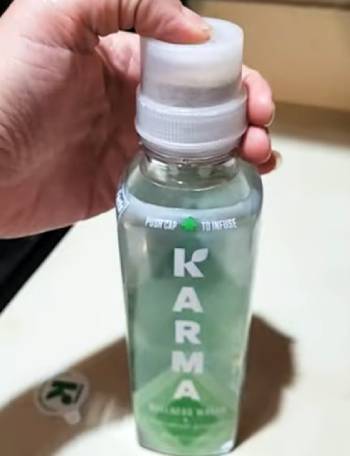
The initial appearance looked intriguing, as the clear water sat completely separate from the dry powders compacted inside the oversized upper plastic cap assembly.
My initial home testing began right around midday when my digestion usually feels sluggish and needs a clean, refreshing lift.
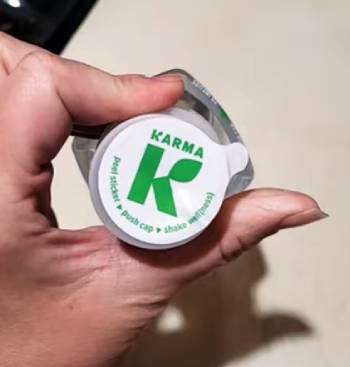
Peeling off the protective outer foil seal revealed the large plastic button mechanism that you have to mash down to release the internal nutrients.
I placed the bottle on my counter, used the palm of my hand to strike the button forcefully, and expected a smooth release of the berry-flavored powder into the pristine water below.
The plastic cap assembly resisted my first push completely, jamming tightly and requiring immense physical force before it finally snapped downward with an incredibly loud pop.
A dense cloud of colored powder dumped into the water, but I quickly noticed a significant portion of the dry mixture remained hopelessly stuck inside the wet underside of the cap chamber.
Even with my hand shaking the bottle vigorously for two full minutes, a stubborn clump of undissolved sweetener and culture powder floated on top like chalky sediment.
The most concerning issues appeared after consuming the beverage daily for twelve consecutive afternoons.
While the company marketing always highlights pristine hydration and immune support, my gastrointestinal tract experienced an entirely different reaction.
The formula utilizes a heavy combination of cane sugar paired with stevia leaf extract, generating an intensely sweet, artificial aftertaste that coated my tongue and caused immediate nausea.
Worse still, my independent reading revealed that the shelf-stable Bacillus coagulans strain used in the cap can be incredibly aggressive on sensitive digestive tracts.
By the second week, the heavy daily dosage triggered immense abdominal bloating, painful gas bubbles, and unexpected cramping that left me feeling completely miserable during work hours.
On my tenth bottle, the internal cap membrane failed to puncture cleanly at all, causing the pressurized berry powder to spray out sideways across my kitchen counter when I squeezed the bottle.
Using this beverage turned into an incredibly messy, physically exhausting chore of wrestling with stiff plastic caps while dealing with a constantly upset stomach and unpredictable gut reactions.
Comprehensive Maintenance and Longevity Practices
To keep a stock of push-cap functional beverages stable without experiencing ingredient degradation or premature cap deployment, you must implement strict storage procedures.
The top foil seals covering the upper button mechanism must be kept completely dry and entirely free of moisture or ambient condensation.
Store the unmixed bottles in a cool, dark kitchen pantry completely away from direct sunlight or high heat vents.
Never stack heavy grocery items directly on top of the plastic caps because excessive weight triggers accidental powder dispersion.
Allow the liquid to come to a moderate room temperature before pressing the button to ensure optimal powder solubility.
Avoid using sharp metal knives or scissors to puncture the top button if the plastic cap becomes jammed.
Clean up any accidental counter sprays immediately with a damp cloth to prevent the sticky berry dyes from staining surfaces.
Utilize the mixed beverage within twenty-four hours of cap deployment to ensure the activated vitamins do not degrade.
Discard any bottles if you notice the dry powder inside the cap has turned brown or clumps prior to pressing.
Analytical Performance Assessment
Analyzing this separated functional water from a nutritional engineering standpoint reveals significant manufacturing and formulation compromises.
The brand reduces production expenses by utilizing a single, highly resilient bacterial strain mixed with cheap synthetic vitamin isolates and intense sweeteners.
This combination can reduce the overall effectiveness of your wellness routine, as artificial sweeteners can disrupt delicate microbiome balances when consumed regularly.
For consumers trying to manage genuine chronic intestinal issues, a formula that relies on sudden, high-dose powder introductions fails to provide stable support.
The high rate of mechanical cap failures introduces unnecessary frustration and product wastage during standard daily usage routines.
Because of these persistent packaging defects and uncomfortable digestive reactions, I cannot recommend this product for sustainable gut health.
Detailed Analysis of Advantages and Critical Flaws
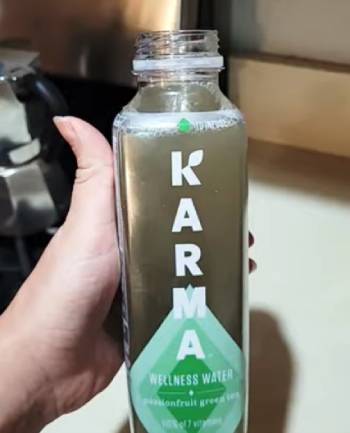
Evaluating a shelf-separated nutritional beverage requires balancing its convenient delivery claims against its mechanical failure rates and ingredient safety profiles.
The push-cap fluid system features several interesting marketing ideas alongside some highly problematic manufacturing shortcuts that you cannot ignore.
Pros:
- The unique separated cap compartment protects dry vitamins from degrading prematurely in water.
- The utilization of a spore-forming bacterial strain ensures the cultures survive ambient shelf storage temperatures.
- The low-calorie count provides an alternative for individuals trying to replace high-sugar carbonated sodas.
- The addition of essential B-complex vitamins provides a basic metabolic boost during mid-afternoon slumps.
- The non-carbonated fluid base is easier on the esophagus than sparkling fermented probiotic tonics.
Cons:
- The mechanical push button requires excessive physical strength and frequently jams during initial activation:
- The internal cap membrane often fails to open completely leaving vital culture powders trapped inside:
- The intense combination of stevia and cane sugar creates a cloying medicinal flavor profile:
- The high dosage of synthetic vitamins can cause immediate stomach irritation when consumed without solid food:
- The non-biodegradable heavy plastic cap architecture generates massive amounts of difficult-to-recycle household waste:
- The aggressive bacterial strain frequently triggers severe bloating and intestinal gas in individuals with sensitive guts.
Also Read: My Experience With Florastor Daily Probiotic Supplement
Head-to-Head Competitor Comparisons
- Karma Probiotic Water Vs. KeVita Probiotic Drink
The KeVita Probiotic Drink represents a sparkling, fully integrated approach to live culture hydration utilizing a fermented water kefir base.
Unlike the dry, shelf-separated powder system of its push-cap competitor, KeVita relies on live, fully dissolved microorganisms that float actively throughout the liquid.
The structural integrity of the glass bottle packaging ensures zero plastic chemical leaching and maintains crisp carbonation profiles over time.
The organic fruit flavor options present a cleaner, less artificial profile that avoids cloying sweetness or chalky chemical sediment.
The budget push-cap water offers a non-carbonated alternative, which appeals to users who experience throat irritation from fizzy drinks.
However, KeVita avoids stiff, finger-breaking plastic caps entirely, making it much more accessible for daily consumption.
- Karma Probiotic Water Vs. Humm Kombucha Zero
Humm Kombucha Zero delivers a premium, completely sugar-free fermented tea experience designed to optimize gut health without adding metabolic calories.
It features a naturally fermented blend of live cultures, organic acids, and B-vitamins that smoothly support your intestinal lining.
This authentic fermentation process allows the beneficial enzymes to remain stable within the liquid medium without requiring a mechanical powder chamber.
The budget separated beverage relies completely on aggressive bacillus powders that frequently trigger intense bloating on empty stomachs.
While the push-cap model provides a highly portable plastic bottle, Humm focuses entirely on clean, sugar-free ingredient lists.
The smooth aluminum can packaging of Humm survives rugged travel conditions without any risks of premature cap popping or structural spraying.
- Karma Probiotic Water Vs. Doctor D’s Sparkling Probiotic
Doctor D’s Sparkling Probiotic is a delicious, whole-food water kefir beverage that focuses entirely on non-dairy gut health solutions.
It ignores synthetic powder additives entirely, utilizing live cultures extracted from organic cane juice fermentation processes.
This lack of complex mechanical mixing mechanisms means there are fewer plastic packaging components to break or malfunction during opening.
The yellow-capped powder bottle looks much more high-tech and promises long-term shelf stability without refrigeration needs.
However, the Doctor D’s formulation provides a much cleaner digestive experience that does not trigger rebound stomach gas or cramping.
The live liquid medium remains totally free of stevia isolates, preventing the bitter chemical aftertaste common in synthetic waters.
- Karma Probiotic Water Vs. Suja Organic Cold-Pressed Juice
The Suja Organic Cold-Pressed Juice targets the premium functional beverage market with a heavy emphasis on raw, nutrient-dense ingredients.
It is crafted from real pressed fruits and vegetables paired with highly stable vegan probiotics added directly into the juice slurry.
The high-pressure processing technology delivers consistent freshness throughout its shelf life, leaving the natural enzymes completely uncompromised and bioavailable.
The budget push-cap brand uses highly processed synthetic vitamins that feel heavy and can cause immediate nausea upon ingestion.
Suja also provides a wide open-mouth pour spout, making it infinitely cleaner and more satisfying to drink on the go.
The premium price is notably higher, but the whole-food nutritional density makes it a far superior health investment.
- Karma Probiotic Water Vs. Tropicana Essentials Probiotics
The Tropicana Essentials Probiotics line is a direct competitor in the accessible mass-market juice space, offering integrated culture options.
It provides a smooth blend of real fruit juices enhanced with microencapsulated probiotic strains designed to survive stomach acids cleanly.
However, both of these commercial grocery beverages suffer from high sweetener profiles, including notable levels of concentrated sugars.
The Tropicana model features a traditional cardboard carton packaging that opens easily without requiring intense wrist twisting or knuckle strain.
The push-cap water alternative is lighter and contains fewer calories per bottle, but both options lack the pure, unpasteurized qualities of raw kombucha.
Also Read: My Experience With Phillips Colon Health Probiotic
Frequently Asked Questions (FAQs)
No, the beverage is generally not optimal for long-term wellness due to its high reliance on synthetic sweeteners and problematic packaging. While it contains live cultures, the combination of cane sugar, stevia, and isolated vitamins can cause immediate stomach irritation and disrupt natural digestive rhythms.
You should limit consumption to no more than one bottle every few days if you choose to drink it at all. Drinking this highly concentrated powder formula multiple times a day introduces an overload of synthetic B-vitamins and aggressive bacterial strains that can overwhelm your intestinal tract.
Drinking high-quality, naturally fermented probiotic liquids daily is safe, but consuming this specific push-cap version daily can trigger significant digestive discomfort. The synthetic stevia compounds and concentrated powders can cause continuous gas accumulation and rebound bloating when ingested every single day.
The Bacillus coagulans strain used in the cap is highly stable and capable of surviving stomach acid, but it is not inherently superior to diverse whole-food cultures. Many consumers report that this specific isolated strain is too aggressive, leading to abdominal distress rather than smooth digestive support.
Final Thoughts
Achieving optimal digestive health and lasting physical hydration requires selecting functional beverages that prioritize clean ingredients and reliable packaging engineering.
If you want to protect your stomach lining and ensure your microbiome receives a diverse array of gentle, naturally occurring live cultures, you should buy your probiotic drinks from raw, traditionally fermented beverage producers.
The high volume of verified consumer complaints regarding broken push caps, unmixed powder clumps, and severe abdominal bloating makes Karma Probiotic Water a highly questionable choice for your refrigerator shelves.
To ensure your daily wellness routine remains comfortable and effective without risking sticky counter messes or painful intestinal gas, you should buy a pure, naturally integrated alternative instead.
Taking a careful, analytical approach to your dietary purchases will keep your body properly hydrated and your digestive system truly balanced over the long haul.