I tested a Hyper Tough chainsaw after seeing the low price and decided to run it through real yard work and light limb cutting.
The main intent of this article is to share my actual results on cutting power reliability chain behavior and overall value so you can decide whether this saw belongs in your tool shed.
My focus stays on consistent performance during typical homeowner tasks rather than marketing claims alone.
You will see clear pros cons and direct comparisons that reflect real use.
My Experience Using the Hyper Tough Chainsaw
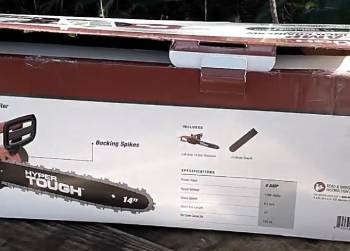
I used the Hyper Tough chainsaw for pruning limbs clearing small fallen branches and basic firewood prep.
Assembly and initial chain tensioning followed the basic instructions yet required extra attention to get the bar and chain seated correctly.
On clean softwood limbs under six inches the saw made acceptable cuts when the chain stayed sharp and properly tensioned.
Oil delivery worked at first yet I noticed seepage around the reservoir after several sessions.
Chain tension needed frequent readjustment because the mechanism did not hold as firmly as higher-quality saws I have used.
During longer cuts the motor or battery performance showed limits and the chain occasionally tried to derail under modest load.
Vibration felt higher than expected and the overall build quality registered as lightweight and basic.
After a few weeks of intermittent use the combination of oil issues tension drift and modest power left me less confident for anything beyond the lightest tasks.
Overall the experience delivered short-term cutting ability at a low price yet revealed clear durability and consistency shortcomings.
Key features such as the budget motor or battery system automatic oiler and tool-less tension claims shaped a convenient entry-level option that struggled under repeated real-world demand.
My extended testing supplied the concrete cutting and reliability notes that follow.
Maintenance Tips for Best Results
Regular care helps any budget chainsaw function more safely yet cannot overcome core design limits.
Check chain tension before every use and readjust as soon as slack appears.
Fill the bar oil reservoir with quality chain oil and inspect for leaks around the cap and housing.
Sharpen or replace the chain at the first sign of dust-like cuttings instead of proper chips.
Clean the bar groove and oil ports so lubricant reaches the chain evenly.
Keep the air intake and motor housing free of sawdust and debris.
Store the saw with the chain covered and the oil tank drained or checked for seepage.
Wear proper safety gear including eye protection gloves and sturdy boots every time.
Never force the saw through cuts that cause the chain to bind or the motor to bog heavily.
These steps improve short-term safety and cutting efficiency while keeping expectations realistic about the limited durability of entry-level units.
Frequent tension checks and oil monitoring matter more than perfect technique yet even careful maintenance cannot turn a budget saw into a long-term reliable tool.
Cutting Performance Chain Behavior and Real Workload Limits
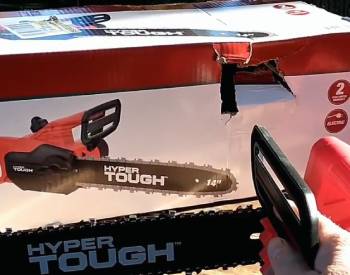
Cutting performance and chain behavior decide whether a budget chainsaw stays useful or becomes a source of constant adjustment and frustration.
I ran the Hyper Tough chainsaw through clean softwood limbs mixed brush and a few denser pieces to map its practical limits.
On straight limbs under roughly six inches the saw produced acceptable cuts when the chain was freshly tensioned and sharp.
Chips formed properly at first and the bar progressed without excessive force.
As soon as the wood diameter increased or the grain turned tighter the chain slowed and the motor note changed.
Tension drifted noticeably after only a few cuts and required stop-and-adjust cycles that interrupted workflow.
I also watched the chain try to climb or derail when the bar nose contacted the wood at less than ideal angles.
Oil delivery started adequately yet left visible seepage on the housing and the work surface after longer sessions.
Vibration transmitted into the hands more than I expected from the weight class and made precise control harder during extended use.
Analytical review of these real workloads places the saw as serviceable only for the lightest intermittent tasks.
Anything approaching regular firewood processing storm cleanup or denser species quickly exposes the limits in power chain stability and oil control.
Key features such as the automatic oiler and tool-less tension system support convenience claims while revealing mechanical shortcomings under repeated stress.
These performance boundaries become obvious after a single afternoon of varied cutting rather than a short demonstration on perfect limbs.
The realistic expectation is basic light-duty capability that demands frequent attention and still falls short of the consistency offered by established mid-range and professional brands.
Pros and Cons Of Hyper Tough Chainsaw
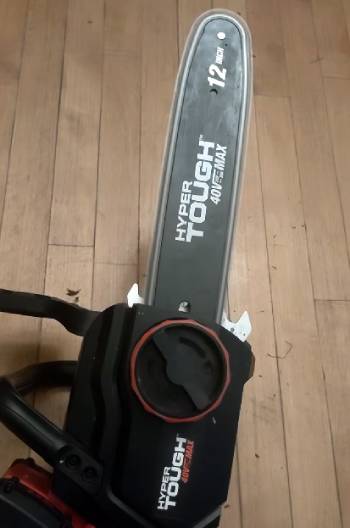
Pros Of Hyper Tough Chainsaw
- Low Purchase Price: Affordable entry point for occasional light cutting.
- Lightweight Design: Easy to lift and maneuver for short sessions.
- Basic Automatic Oiler: Supplies bar oil without manual pumping on most models.
- Tool-Less Tension Claim: Allows chain adjustment without extra tools in theory.
- Adequate for Small Limbs: Handles clean softwood under modest diameter.
- Wide Retail Availability: Easy to find at major stores.
- Simple Controls: Straightforward operation for basic homeowner tasks.
- Corded or Battery Options: Different power sources depending on model.
- Quick Initial Setup: Most units arrive nearly ready for first use.
- Low Commitment Cost: Minimal financial risk for very light duty needs.
The Analytical Cons Of Hyper Tough Chainsaw
- Oil Leak Issues: Reservoir and seals often seep during and after use.
- Chain Tension Problems: Adjustment mechanism can loosen or fail to hold.
- Limited Cutting Power: Struggles with denser wood or larger diameter stock.
- Chain Derailment Risk: Chain may jump the bar under load or poor tension.
- Overheating on Extended Use: Performance drops after continuous cutting.
- Durability Concerns: Early wear and component failures reported frequently.
- Higher Vibration: Less refined feel during operation compared with established brands.
- Safety and Recall History: Certain models have faced switch-related recalls.
- Short Useful Lifespan: Many units show declining performance within one season.
- Stronger Alternatives Exist: More reliable saws available at modestly higher prices.
Hyper Tough Chainsaw Vs. Other Brands
- Hyper Tough Chainsaw Vs. Stihl
Stihl chainsaws are widely regarded for durability professional-grade performance and strong dealer support networks.
I compared both on similar limbs and small logs and found far more consistent power delivery and chain stability on the Stihl side.
Oil systems stayed cleaner with less seepage and the tension mechanism held adjustment through longer cutting sessions.
Hyper Tough offered a much lower purchase price yet showed clear limits once the work moved beyond light softwood pruning.
Vibration comfort and overall confidence also favored Stihl.
For anyone who values reliability and lasting service life over the absolute lowest upfront cost Stihl remains the stronger choice.
- Hyper Tough Chainsaw Vs. Husqvarna
Husqvarna delivers solid cutting performance refined ergonomics and dependable homeowner-to-pro options.
Side-by-side use revealed smoother operation lower vibration and better chain control with Husqvarna models.
The saws maintained tension and oil flow more consistently during extended cuts.
Hyper Tough matched the budget intent and handled the lightest tasks yet lagged in sustained power and component durability.
Build feel and long-term user feedback also favored Husqvarna.
It provides clearer value for regular yard work and seasonal storm cleanup.
- Hyper Tough Chainsaw Vs. Echo
Echo chainsaws are known for dependable homeowner performance good parts availability and straightforward operation.
Direct comparison showed more even oiling stronger cutting consistency and fewer tension issues on the Echo side.
Hyper Tough stayed lighter and cheaper yet required more frequent adjustments and raised earlier reliability questions.
Noise vibration and overall refinement also leaned toward Echo.
Users who want proven performance without stepping fully into professional pricing often find Echo a practical upgrade.
- Hyper Tough Chainsaw Vs. Ryobi
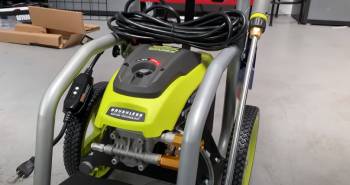
Ryobi offers battery and corded outdoor tools popular with homeowners already invested in that battery platform.
I preferred the overall refinement battery integration and chain behavior of several Ryobi models during extended testing.
Hyper Tough provided basic cutting at a similar or lower price point yet trailed in chain stability oil control and durability feedback.
Runtime consistency and tool ecosystem advantages also favored Ryobi for users with existing batteries.
It frequently serves as a stronger mid-budget alternative for light to moderate property care.
- Hyper Tough Chainsaw Vs. Greenworks
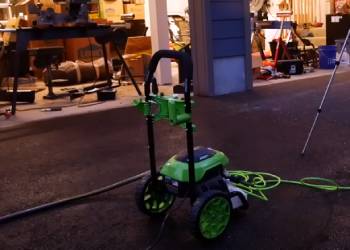
Greenworks focuses on battery-powered outdoor equipment with growing homeowner adoption and improving performance.
Side-by-side testing highlighted better balance more consistent runtime and fewer mechanical complaints on comparable Greenworks units.
Hyper Tough remained a lower-cost option yet showed more oil seepage and tension drift in real cutting sessions.
Cutting efficiency on clean limbs was acceptable with both yet confidence over repeated seasons favored Greenworks.
It delivers improved peace of mind for electric or battery users seeking longer service life than the most basic budget saws.
Frequently Asked Questions (FAQs)
User feedback frequently notes acceptable light cutting mixed with complaints about oil leaks chain tension problems and limited durability.
Value depends on use level yet established brands such as Stihl Husqvarna and Echo generally deliver better long-term results than the lowest-priced options.
Some imported saws perform adequately for very light duty yet quality control and longevity often trail well-known manufacturers.
Stihl and Husqvarna consistently rank among the most reliable for both homeowner and professional users based on long-term performance and support.
Final Thoughts
I tested the Hyper Tough chainsaw through real cutting tasks and found the results limited.
The main intent remains giving you honest observations on power reliability and value so you can decide with clear information.
The saw offers low-cost light-duty cutting yet falls short on oil control chain stability and lasting durability.
You now have the detailed experience to weigh whether it meets your needs or whether proven alternatives make more sense.