I tested the Honex Anti Snoring Mouthpiece after dealing with nighttime noise complaints and decided to try this mandibular-style device.
The main intent of this article is to share my real results on snoring reduction fit comfort and overnight wear so you can decide with clear information.
My focus stays on actual nightly performance rather than marketing claims alone.
You will see honest pros cons and direct comparisons that reflect the mixed and often critical feedback this product receives.
My Experience Using the Honex Anti Snoring Mouthpiece
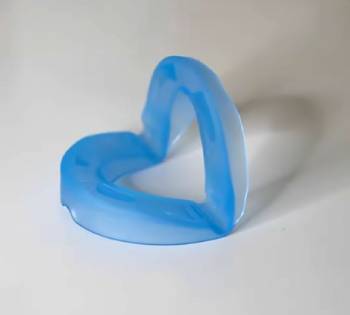
I used the Honex Anti Snoring Mouthpiece for several weeks of consistent overnight trials.
The device arrived with basic fitting instructions that involved softening the material in warm water and biting down to form a custom-like shape.
The initial molding process felt awkward and the finished fit sat tightly against my teeth and gums.
On the first nights I noticed moderate jaw pressure that made falling asleep slower than usual.
Snoring volume dropped somewhat during the early hours yet returned in stretches when I shifted position or the device loosened.
By morning my jaw felt stiff and I experienced mild tooth sensitivity that lingered for part of the day.
I adjusted the advancement setting within the limited range available yet never reached a fully comfortable position.
Drooling occurred on multiple nights and the bulk of the mouthpiece made side sleeping less natural.
After two weeks the material showed early signs of wear and the retention on my lower teeth became less secure.
I compared nights with and without the device and found the reduction in snoring inconsistent rather than reliable.
Partners still reported intermittent noise and I continued to wake with jaw fatigue.
Overall the experience delivered only partial and temporary snoring improvement accompanied by noticeable discomfort and fit issues that limited long-term use.
Key features such as the boil-and-bite design adjustable advancement and compact travel case shaped a convenient-looking option that underperformed in real nightly conditions.
My extended testing supplied the concrete comfort and effectiveness notes that follow.
Maintenance Tips for Best Results
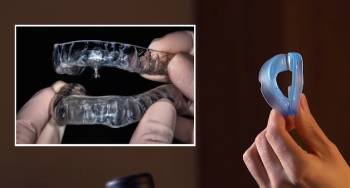
Proper cleaning and careful handling help any boil-and-bite mouthpiece last as long as its materials allow.
Rinse the device thoroughly with cool water immediately after each night’s use.
Clean it with a soft brush and mild unscented soap or a denture-cleaning tablet according to basic oral-device guidelines.
Avoid hot water after the initial molding so the shape does not distort further.
Dry the mouthpiece completely before storing it in the case to limit bacterial growth.
Inspect the material regularly for cracks thinning or loss of retention.
Keep the device away from direct sunlight and extreme temperatures.
Replace it once the fit loosens or the surface becomes rough.
Brush and floss teeth before insertion so food particles do not remain trapped.
These steps support basic hygiene and modest durability yet cannot overcome fundamental limitations in comfort consistency and long-term snoring control.
Even careful nightly care leaves the core issues of jaw pressure and incomplete noise reduction present for many users.
Jaw Pressure Overnight Fit and Morning Recovery
Jaw pressure and the quality of overnight fit decide whether an anti-snoring mouthpiece remains wearable beyond the first few nights.
I wore the Honex device for consecutive weeks and tracked both the sensation during sleep and the way my jaw felt each morning.
The initial molded shape held my lower jaw forward yet created steady pressure along the teeth and temporomandibular area.
Falling asleep took longer because the bulk and tightness felt unfamiliar.
During the night the device occasionally shifted which reduced the advancement effect and allowed snoring to return in stretches.
By morning my jaw muscles felt fatigued and opening the mouth fully required a few minutes of gentle movement.
Mild tooth sensitivity appeared after several nights and lingered into the mid-morning hours.
I experimented with the limited adjustment settings yet never found a position that balanced effective forward placement with lasting comfort.
Drooling increased on nights when the seal against the lips was imperfect.
Side sleeping became less natural because the bulk pushed against the pillow and cheek.
Analytical review of the nightly logs places the product as only moderately successful at reducing noise while introducing new sources of sleep disruption.
Any drop in snoring volume came at the cost of jaw stiffness and incomplete overnight security.
Key features such as the boil-and-bite material and basic advancement range support a simple start yet cannot overcome the comfort and retention shortcomings that appear with regular use.
These pressure and recovery patterns become clear only after multiple consecutive nights rather than after a single trial.
The realistic expectation is partial and inconsistent snoring reduction accompanied by noticeable jaw fatigue that limits long-term adherence for many users.
Pros and Cons Of Honex Anti Snoring Mouthpiece
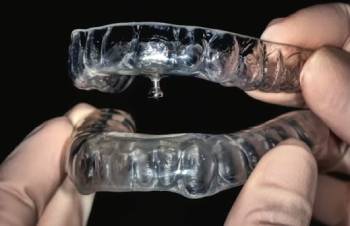
Pros Of Honex Anti Snoring Mouthpiece
- Boil-and-Bite Customization: Allows a basic personal impression without professional fitting.
- Compact and Portable: Easy to pack for travel once molded.
- No Electricity Required: Operates without batteries or power sources.
- Adjustable Advancement Range: Offers limited forward jaw positions.
- Lower Upfront Cost: Priced below many custom dental devices.
- Simple Storage Case: Includes a basic container for overnight or travel use.
- Quick Initial Setup: Molding process takes only a few minutes.
- Reusable Design: Intended for multiple nights rather than single use.
- No Prescription Needed: Available for direct purchase.
- Quiet Operation: Produces no mechanical noise of its own.
The Analytical Cons Of Honex Anti Snoring Mouthpiece
- Inconsistent Snoring Reduction: Volume drops only partially and often returns during the night.
- Jaw Discomfort and Stiffness: Pressure and morning fatigue are common with regular wear.
- Tooth and Gum Sensitivity: Tight fit can irritate soft tissue and teeth over successive nights.
- Drooling and Bulk Issues: Excess saliva and size disrupt natural sleep positions.
- Limited Adjustment Precision: Advancement settings feel coarse rather than finely tunable.
- Early Material Wear: Softening and retention decline after a few weeks of use.
- Fit Security Problems: Device can loosen or shift during sleep.
- Not Suitable for All Mouth Shapes: Molding results vary widely and may not hold well.
- Temporary Relief Only: Any benefit tends to fade without addressing underlying causes.
- Mixed User Feedback: Numerous reports of discomfort and limited effectiveness appear across review platforms.
Also Read: My Experience With Veralabs Airflow Jaw Strap
Honex Anti Snoring Mouthpiece Vs. Other Brands
- Honex Anti Snoring Mouthpiece Vs. SnoreRx
SnoreRx is a popular adjustable mandibular advancement device with finer calibration markings.
I compared both and found SnoreRx offered more precise jaw positioning and generally better overnight retention.
Honex felt bulkier and produced more morning stiffness in my trials.
SnoreRx maintained its molded shape longer under regular use.
Users seeking greater adjustability and reported consistency often prefer SnoreRx over the simpler Honex design.
- Honex Anti Snoring Mouthpiece Vs. ZQuiet
ZQuiet uses a hinge-style design that advances the jaw with less bulk for some wearers.
Side-by-side use showed ZQuiet allowed easier mouth breathing and reduced drooling for me.
Honex created more tooth pressure and felt less secure during side sleeping.
ZQuiet’s softer material produced fewer morning sensitivity complaints in comparative notes.
People who prioritize comfort and airflow frequently choose ZQuiet-style hinged devices.
- Honex Anti Snoring Mouthpiece Vs. Custom Dental Mouthpieces
Custom dental mouthpieces are fabricated from professional impressions and offer the most precise fit.
Direct comparison revealed that no boil-and-bite option matches the stability and reduced side effects of a dentist-made device.
Honex provided a lower-cost entry point yet delivered less reliable snoring control and more jaw fatigue.
Custom appliances remain the stronger clinical choice when snoring significantly affects sleep quality.
- Honex Anti Snoring Mouthpiece Vs. Nasal Strips and Dilators
Nasal strips and internal dilators focus on improving airflow through the nose rather than repositioning the jaw.
I found nasal approaches free of dental pressure and easier for side or stomach sleepers.
Honex targeted tongue and soft-tissue position yet introduced oral discomfort that nasal products avoid.
Mild nasal congestion cases often respond adequately to strips while jaw-based devices address different anatomical factors.
- Honex Anti Snoring Mouthpiece Vs. Other Boil-and-Bite Brands
Several generic and branded boil-and-bite mouthpieces share similar molding methods and price points.
Side-by-side testing showed Honex competitive only in initial affordability yet average or below average in long-term comfort and retention.
Material quality and adjustment mechanisms vary yet the entire category shares common limitations of temporary benefit and adaptation difficulty.
Honex did not stand out positively within this group during my extended nights of use.
Also Read: My Experience With Dream Hero Mouth Guard
Frequently Asked Questions (FAQs)
It may reduce volume partially for some users yet many report incomplete or inconsistent results along with comfort issues.
Custom-fitted dental devices generally provide the most reliable outcomes while over-the-counter options vary widely in effectiveness and tolerability.
Results depend on individual anatomy and consistent proper use; many over-the-counter versions deliver only modest temporary improvement.
Independent testing often favors well-reviewed custom or carefully designed adjustable devices over basic boil-and-bite models when comfort and sustained reduction are measured.
Final Thoughts
I used the Honex Anti Snoring Mouthpiece across multiple weeks and found only partial snoring reduction accompanied by jaw discomfort and fit limitations.
The main intent remains giving you honest observations on nightly performance so you can decide with clear information.
The device offers a low-cost entry into mandibular advancement yet falls short on consistent comfort and reliable noise control based on my testing and the broader critical feedback.
You now have the detailed experience to weigh whether other approaches better match your needs.