I wore both the Garmin Forerunner 965 and Fenix 8 through training runs long efforts and daily life.
The main intent of this article is to show the practical differences in weight durability battery life and features so you can choose the watch that best matches your activities.
My focus stays on real training data comfort and multi-day use rather than marketing claims alone.
You will see how the Forerunner 965 compares with the Fenix 8.
| Feature | Garmin Forerunner 965 | Garmin Fenix 8 |
| Weight | About 53 g | 60–85 g depending on size |
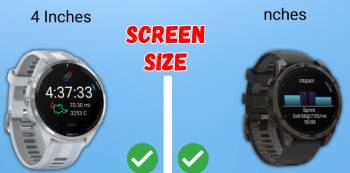
| Display | 1.4″ AMOLED | 1.3–1.4″ AMOLED or MIP Solar |
| Water Rating | 5 ATM (50 m) | 10 ATM + dive to 40 m |
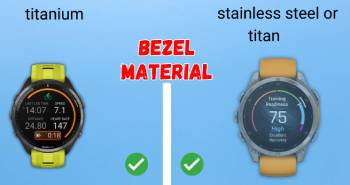
| Build | Polymer + titanium bezel | More premium metal options |
| Battery (smartwatch) | Up to 23 days | Up to 16–29+ days |
| Special Features | Running focus maps music | Dive modes speaker mic flashlight |
| Best For | Runners and multisport training | Adventure durability and diving |
My Experience Testing Both Watches Side by Side
I started with the Forerunner 965 on daily runs tempo sessions and a long race.
The light weight disappeared on the wrist and the bright AMOLED stayed readable in all conditions.
Training metrics recovery suggestions and full-color maps performed exactly as expected.
Battery easily covered a full training week with GPS use.
I then switched to the Fenix 8 for the same running load plus some trail and water time.
The heavier build felt more substantial yet still comfortable.
Dive features and the tougher construction added confidence near water.
Speaker and microphone opened basic voice and call options the 965 lacks.
Both delivered accurate GPS heart-rate data and identical core training tools.
Key features such as multi-band GPS training readiness and music storage shaped the similar athletic experience while weight durability and extra adventure tools created the real differences.
My extended side-by-side testing supplied the concrete comfort and capability notes that follow.
Weight Comfort and Daily Wear
Weight and long-term comfort decide how often the watch stays on your wrist through training sleep and daily life.
I wore both the Forerunner 965 and Fenix 8 for full days and overnight sessions.
The Forerunner 965 tips the scale at roughly 53 grams.
That low mass disappeared during easy runs tempo work and long efforts.
My arm felt natural through thousands of swings and the watch never created hot spots or pressure under the strap.
Sleep tracking stayed comfortable night after night.
The Fenix 8 adds metal components and tougher construction that raise the weight into the 70-gram range on common 47 mm models.
Larger sizes climb higher still.
The extra mass is noticeable the moment you put it on and becomes more apparent after several hours.
It never felt heavy enough to stop a run yet the difference accumulated over a marathon-distance effort or a full day of wear.
Strap options and case shape also influence comfort.
Both watches accept quick-release bands so I could switch to softer or lighter straps as needed.
The 965 still won for pure all-day forgetability.
The Fenix 8 felt more substantial and secure in rough terrain or around water yet asked for a small comfort trade-off.
Analytical review of real wear places the 965 clearly ahead for runners who live in their watch.
The Fenix 8 leads when a more robust on-wrist presence and premium materials matter more than minimal weight.
Key features of the 965 focus on the lightweight polymer design that prioritizes running comfort.
Key features of the Fenix 8 focus on durable materials that accept higher daily abuse.
These differences show up quickly once the novelty fades and the watch becomes part of every training day and night.
The better long-term choice depends on whether you value the lightest possible feel or prefer the confidence of a tougher heavier build.
Also Read: Comparison Of Garmin Vivosmart 5 Vs. Fitbit Inspire 3
Training Features Battery and Everyday Practicality
Training tools battery endurance and daily handling decide how well the watch supports real goals over weeks and months.
I used both the Forerunner 965 and Fenix 8 through structured running blocks recovery days and mixed activity.
Both watches deliver Garmin’s full set of advanced metrics.
Training readiness HRV status race predictors workout suggestions and recovery time appear on each with the same depth.
Full-color maps navigation and music storage also work identically so the core athletic experience stays consistent.
Battery life creates a practical difference.
The Forerunner 965 regularly reached the upper end of its 23-day smartwatch claim with normal GPS use.
It covered a full training week plus daily wear without anxiety.
The Fenix 8 extended that further on larger or solar versions and held a clear edge during multi-day GPS efforts.
Even the standard 47 mm model matched or slightly exceeded the 965 in mixed use.
Everyday practicality also includes charging frequency and feature access.
The lighter 965 felt easier to leave on overnight and during desk work.
The Fenix 8 added a speaker microphone and flashlight that proved useful outside pure running yet increased the sense of bulk.
Analytical review of real weeks places the 965 ahead for focused runners who want maximum lightness and strong battery at a lower price.
The Fenix 8 leads when longer expeditions tougher construction or the extra tools matter more.
Key features of both include multi-band GPS accurate heart-rate tracking and deep training science.
Key features of the Fenix 8 focus on extended battery options and adventure extras.
Key features of the 965 focus on efficient power use and running-centered design.
These differences become clear once you track an entire training cycle rather than a single long run.
The better daily choice depends on whether pure running performance and comfort or broader durability and battery headroom sit higher on your list.
Pros and Cons Of Garmin Forerunner 965
Pros Of Garmin Forerunner 965
- Lightweight Design: About 53 g disappears on the wrist during long efforts.
- Excellent Training Metrics: Full suite of running and recovery tools.
- Bright AMOLED Display: Clear in sunlight and at night.
- Strong Battery Life: Up to 23 days in smartwatch mode.
- Full-Color Maps: Reliable navigation on the trail or road.
- Music Storage: Offline playlists without a phone.
- Multi-Band GPS: Accurate tracking in difficult conditions.
- Better Value: Lower price than the Fenix series.
- Running Focus: Interface and features tailored to athletes.
- Comfortable Daily Wear: Easy to sleep and live in.
The Analytical Cons Of Garmin Forerunner 965
- Less Rugged Build: Polymer body trails the Fenix in extreme durability.
- Lower Water Rating: 5 ATM limits serious diving use.
- No Speaker or Mic: Misses voice commands and calls.
- No Dive Modes: Lacks scuba and apnea profiles.
- Single Size: 47 mm only may not suit every wrist.
- No Flashlight: Missing the built-in LED of the Fenix.
- Fewer Material Options: Less premium metal and sapphire choices.
- Adventure Limits: Less ideal for heavy multi-day expeditions.
- Storage Lower on Some Specs: Trails certain Fenix configurations.
- Future-Proofing: Newer Fenix models continue to add exclusive tools.
Pros and Cons Of Garmin Fenix 8
Pros Of Garmin Fenix 8
- Superior Durability: Tougher case materials and higher water resistance.
- Dive Capability: Rated for recreational diving to 40 meters.
- Speaker and Microphone: Supports voice commands and calls.
- LED Flashlight: Useful in low-light or emergency situations.
- Multiple Size Options: 43 mm 47 mm and 51 mm choices.
- Longer Battery Potential: Stronger numbers on larger and solar models.
- Premium Build Feel: Metal options and sapphire glass available.
- Advanced Sensors: Newer heart-rate generation on many versions.
- Broader Activity Set: Extra profiles for adventure and water sports.
- Expedition Ready: Built for harsh environments and long trips.
The Analytical Cons Of Garmin Fenix 8
- Higher Weight: Noticeably heavier than the 965 on the wrist.
- Higher Price: Significant premium over the Forerunner 965.
- Overkill for Pure Runners: Many features go unused in road training.
- Bulkier Feel: Larger presence during sleep and daily wear.
- Complex Feature Set: Steeper learning curve for new users.
- Battery Varies by Model: Smaller non-solar versions are closer to the 965.
- Premium Cost of Ownership: Sapphire and titanium raise the price further.
- Less Running-Specific: Interface serves broader adventure use.
- Heavier Training Load: Extra mass adds up over very long races.
- Redundant for Some: Core metrics already excellent on the 965.
Also Read: Comparison Of Garmin Forerunner Vs. Instinct
Frequently Asked Questions (FAQs)
The Fenix 8 is better for durability diving and adventure features while the 965 is better for lightweight running comfort and value.
Fenix models generally offer tougher construction higher water resistance and extra tools such as dive modes and a flashlight.
Public appearances have shown Joe Rogan wearing various Garmin Fenix models over time.
Higher-end options such as the Garmin Epix or specialized dive computers may suit specific needs yet the Fenix 8 remains among the most capable all-round adventure watches.
Final Thoughts
I compared the Forerunner 965 and Fenix 8 through real training and daily wear to highlight the differences in weight durability and features.
The main intent remains giving you clear side-by-side observations on comfort battery life and capability so you can select the Garmin that fits your activities.
The 965 leads for pure running lightness and value while the Fenix 8 excels at rugged adventure use and diving.
You now have the detailed experience to decide which watch belongs on your wrist.