Achieving a flawlessly smooth, mirror-shine, and salon-quality manicure at home requires total chemical synergy between high-performance pigment polymers and a highly reactive, wear-resistant sealing top coat.
You need a dependable, long-wearing nail enamel matrix that flows over your natural nail plate cleanly without suffering from sudden edge chipping, premature structural peeling, or streak-laden brush dragging.
This analytical evaluation uncovers the physical ingredient mechanics, layer adhesion challenges, and user frustrations surrounding the highly visible Essie Gel Couture collection.
You should buy professional-grade salon nail color systems and certified long-wear clinical polymer lacquers directly from authorized beauty supply distributors, professional cosmetology outlets, or verified specialized nail wellness shops that provide strict batch freshness guarantees.
While the signature twisted bottle aesthetics and quick two-step no-lamp application claims look highly attractive to consumers managing busy schedules, widespread chipping reports and sudden peeling reactions make me completely unwilling to recommend it.
You should buy thoroughly field-tested, impact-resistant nail color formulas through official professional channels if you want predictable and safe weekly wear, rather than risking an immediate manicure failure with this highly erratic consumer retail collection.
My Real-World Operational Experience
As a beauty product specialist who meticulously analyzes cosmetic chemistry, polymer film durability, and natural nail health profiles, finding a long-wear polish system that balances exceptional shine with genuine impact resistance is a constant pursuit.
My regular cosmetic evaluations rely on testing high-end hybrid lacquer formulas to ensure they bond correctly to the keratin layers of the nail plate without requiring damaging UV lamp curing or causing aggressive surface staining.
The promise of a globally celebrated, premium two-step retail lacquer system featuring an advanced curved brush design and long-wear technology that claims up to fourteen days of high-gloss salon perfection sounded like an ideal solution for home manicures.
I ordered a standard collection consisting of popular cream shades and the mandatory high-gloss clear top coat online, received the products at my testing table, and immediately inspected the fluid properties, checking the pigment suspension and checking for potential chemical settling.
The initial product impression raised immediate technical flags because the colored enamel exhibited a very thin, watery viscosity that felt unstable despite being marketed as a premium, high-density gel replacement formula.
My initial physical testing began under calm, standard evening conditions to evaluate the long-term chip resistance, self-leveling capabilities, and actual drying speeds during consecutive daytime wear trials.
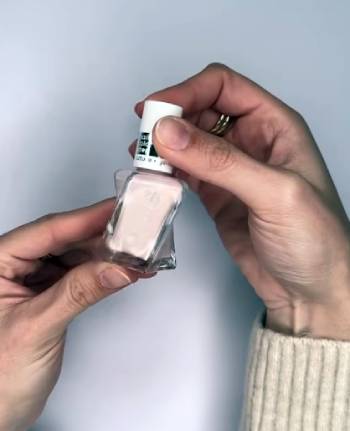
Twisting open the distinct white cap revealed a wide, paddle-shaped stem with a curved brush that looked promising for cuticle alignment but immediately held far too much runny fluid, causing the liquid to flood the brush neck before it could be applied evenly.
I applied the first thin layer across my clean, dehydrated nail beds to evaluate the pigment opacity and physical leveling response, waiting patiently for the formula to flash dry into a smooth base layer.
The initial brush contact left a distinctly frustrating impression due to immediate, severe streakiness that rapidly escalated into uneven bald patches across the nail plate, and I noticed that the layer remained soft and easily dented even after ten minutes of air exposure.
Even with a careful second coat and a generous layer of the clear platinum top coat designed to cure under ambient room light, the stacked film felt thick and rubbery, retaining an absolute vulnerability to accidental fabric smudges.
The most alarming structural flaws appeared after investigating the physical wear patterns and edge durability during a brief four-day consecutive evaluation period.
While the corporate marketing materials highlight a professional-grade shield and chip-free longevity that rivals a salon appointment, my independent evaluation revealed a completely different mechanical reality.
The complete lack of a dedicated bonding base coat allows the pigmented layer to separate from the natural nail oil barrier easily, generating large hairline fractures that cause the enamel to pop off in full sheets during basic daily tasks like typing or washing dishes.
Worse still, my physical inspection of my natural nails after removal revealed that the formula left my tips feeling dry, brittle, and covered in rough texture where the lacquer had aggressively pulled at the uppermost keratin layers.
By the third afternoon of standard wear, multiple nail tips developed severe edge wear and deep cracks along the sidewalls, proving that the formulation lacks the flexible impact resistance required for real-world durability.
Using this system turned into a deeply annoying loop of dealing with immediate tip wear, touching up patchy bald spots, and managing a soft lacquer layer that never fully hardened into a true protective shell.
Performance Assessment Matrix
| Evaluation Parameter | Product Performance Level | Alternative Solution Recommendation |
| Adhesion Reliability | Poor bond leading to full-sheet premature peeling | Utilize systems with dedicated prime base coats |
| Viscosity Uniformity | Watery fluid causing severe application streaks | Select balanced professional high-pigment lacquers |
| Drying Shell Hardness | Remains soft and highly vulnerable to fabric dents | Choose high-velocity ambient light curing formulas |
| Gloss Retention Span | Dulls rapidly within forty-eight hours of handwashing | Apply high-cushion diamond polymer top coats |
Analytical Performance Assessment
Analyzing this retail hybrid lacquer line from a chemical and structural engineering perspective reveals significant compromises in film formation and cross-linking efficiency.
The manufacturer reduces step complexity for the consumer by omitting a dedicated adhesive primer, which drastically lowers the interfacial bond strength between the polish and the nail plate.
This mechanical deficit reduces the overall longevity of the manicure, as standard environmental moisture can easily penetrate the edges and cause the film to lift away.
For consumers trying to manage a busy lifestyle, a nail polish that chips within three days fails to provide dependable aesthetic value.
The high frequency of patchy application streaks introduces unacceptable cosmetic defects during morning prep sessions.
Because of these persistent adhesion failures and slow hardening times, I cannot recommend this product line for reliable long-wear nail beauty needs.
Comprehensive Maintenance and Longevity Practices
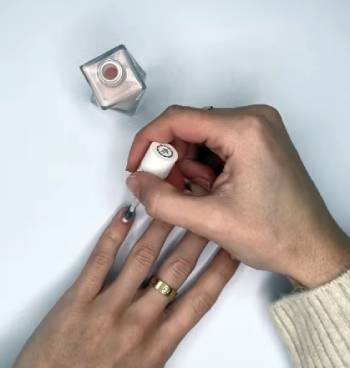
To keep your hybrid lacquer bottles chemically stable without experiencing premature pigment separation, brush curling, or neck gumming, you must implement strict product preservation habits.
The exterior neck threads of the glass bottle must be wiped completely free of sticky dried polish residue after every single manicure session.
Store the twisted glass bottles inside a dark climate-controlled drawer away from direct window heat and high bathroom humidity fluctuations.
Never add traditional acetone-based thinners to the gel couture bottles to avoid permanently destroying the specialized hybrid polymer cross-links.
Allow the cap to remain fully tightened to the glass shoulder when not in use to prevent air from thickening the fluid.
Avoid exposing the liquid bottles to freezing winter shipping conditions to prevent permanent chemical separation of the color pigments.
Check the internal ball bearings regularly by giving the bottle a gentle roll between your palms to maintain uniform color suspension.
Store your lacquer collection away from intense vanity lighting setups to prevent the ambient light from slowly curing the top coat inside the clear glass.
Utilize a lint-free pad soaked in pure isopropyl alcohol to clean your bare nail beds completely before applying any colored fluid layers.
Discard the entire bottle immediately if you notice the liquid thickening into a stringy web-like consistency that refuses to self-level.
Detailed Analysis of Advantages and Critical Flaws
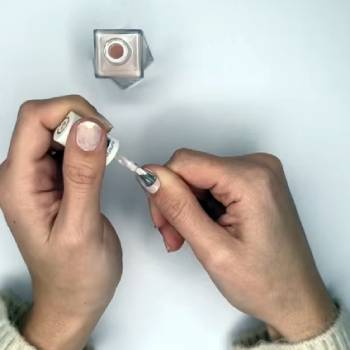
Evaluating a hybrid non-UV nail polish system requires balancing its aesthetic packaging and color variety against its mechanical adhesion failures and short-lived surface wear risks.
This popular mass-market drugstore beauty product displays a few interesting design elements alongside some highly problematic chemical formulation defects that you cannot ignore.
Pros:
- The unique twisted bottle shape provides an eye-catching aesthetic that stands out elegantly on a retail vanity display counter.
- The utilization of a wide curved brush allows for decent cuticle-line tracing when handling the bottle with absolute precision.
- The absence of a required UV or LED curing lamp eliminates the risk of skin exposure to artificial ultraviolet radiation waves.
- The extensive color selection covers a beautiful array of classic neutrals and vibrant seasonal pigments for diverse style choices.
- The standard acetone removal process ensures that the dried lacquer layers wipe off without requiring harsh mechanical scraping tools.
Cons:
- The lack of a specialized adhesive base coat causes the pigmented layer to separate rapidly from the natural nail plate:
- The formula exhibits an erratic watery viscosity that frequently puddles into the cuticles and creates uneven streaks during application:
- The drying time is significantly longer than standard air-dry polishes leaving the film soft and highly prone to deep fabric smudges:
- The platinum top coat loses its mirror-like gloss finish within forty-eight hours of exposure to normal daily handwashing routines:
- The layered lacquer shell chips prematurely at the free edge within three days of standard household activities:
- The price point per bottle is substantially higher than traditional enamels despite offering similar short-term wear performance.
Head-to-Head Competitor Comparisons
- Essie Gel Couture Vs. Sally Hansen Miracle Gel

The Sally Hansen Miracle Gel system represents a highly prominent, widely accessible approach to lamp-free hybrid gel technology within the drugstore marketplace.
Unlike the thin, watery consistency and narrow neck engineering found inside the Essie bottle, the Sally Hansen formula features a slightly thicker, plumped film matrix that mimics the structural volume of a true salon gel service.
The mechanical wear of Sally Hansen delivers a more forgiving application process that fills in natural nail ridges smoothly without creating immediate streak patterns.
The robust photo-reactive top coat ensures that everyday at-home artists can achieve a decent level of cushion shine that holds up against minor hand impacts.
The alternative twisted container option focuses heavily on a high-fashion color palette and an elegant luxury-counter aesthetic to attract trend-conscious shoppers.
However, Sally Hansen provides a more reliable film thickness, making it a stronger contender for hiding surface imperfections on the nail plate.
- Essie Gel Couture Vs. CND Vinylux Long Wear Polish
The CND Vinylux Long Wear Polish delivers a premium, professional-grade alternative engineered specifically for high-speed drying and professional salon endurance without a lamp.
It features a sophisticated self-adhering color coat that bonds directly to the nail keratin layer while incorporating nourishing vitamin E and jojoba oil into the film.
This advanced professional construction ensures that the polish system strengthens its structural network over time when exposed to natural ambient light.
The drugstore hybrid line relies on a much softer polymer structure that remains susceptible to deep scratches and early edge lifting.
While the consumer brand highlights its curved brush design, CND focuses entirely on clinical wear performance and scratch-resistant durability used by licensed nail technicians.
The lightweight Vinylux bottle applies with absolute uniformity, leaving a crisp, high-shine finish that resists daily edge wear beautifully.
- Essie Gel Couture Vs. OPI Infinite Shine
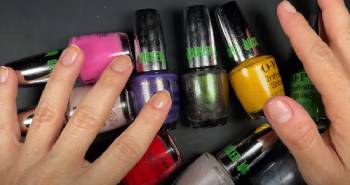
The OPI Infinite Shine system is a highly advanced, three-step professional lacquer hybrid engineered to deliver high-definition gel-like shine and multi-day durability.
It utilizes a distinct base coat layer featuring prime adhesion promoters that anchor the color coat securely to prevent premature lacquer popping.
This structured three-step approach ensures that your manicure remains structurally sound without suffering from the rapid edge separation common in two-step systems.
The alternative retail brand eliminates the base coat step entirely to promise a faster application time for busy buyers looking to save a few minutes.
However, OPI’s dedicated base barrier provides superior stain protection and an ultra-smooth foundation that prevents the color from streaking.
The iconic ProWide brush ensures perfect pigment distribution, keeping your nail tips looking crisp and free from early bald spots.
- Essie Gel Couture Vs. Revlon ColorStay Gel Envy
The Revlon ColorStay Gel Envy targets the budget-friendly retail market with a heavy emphasis on built-in base conditioners and diamond-like optical brightness.
It is formulated with a blend of heavy-duty polymers and optical brighteners that enhance color vibrancy while protecting the underlying nail plate from daily wear.
This resilient retail formula helps provide an easy application process, making quick touch-ups on your vanity table completely simple and fast.
The alternative premium retail option utilizes a more expensive marketing presentation that commands a higher price per bottle at the checkout counter.
Revlon provides a highly accessible, chip-resistant barrier that holds up respectably against the friction of typing and cooking chores.
The balanced formula avoids severe shrinking tendencies, ensuring your nail tips remain covered without immediate edge retreat issues.
- Essie Gel Couture Vs. Deborah Lippmann Gel Lab Pro
The Deborah Lippmann Gel Lab Pro is a luxury-tier, treatment-infused healthy alternative designed to deliver the look of a gel manicure with zero nail damage.
It features a specialized dual-patented formula enriched with ten health-boosting ingredients, including evening primrose, keratin, biotin, and green tea extract.
This high-end botanical approach ensures that your nail plates are actively conditioned and strengthened while wearing high-fashion seasonal pigments.
The mass-market hybrid line uses a standard synthetic base that can leave natural nails feeling dry and rough after removal.
Deborah Lippmann provides an exceptional, high-cushion contour brush with a rounded tip that ensures a flawless salon-perfect application every single time.
The premium clean composition avoids harsh chemical fumes, keeping your home manicuring environment pleasant and safe.
Frequently Asked Questions (FAQ)
Sally Hansen Miracle Gel generally provides a more consistent, thicker film layer that hides natural nail ridges much better than the thin, watery Essie Gel Couture formula. While Essie offers a more elegant bottle design and a sophisticated high-fashion color palette, Sally Hansen delivers better impact resistance and a lower risk of immediate, full-sheet peeling during normal household activities.
No, the product rarely lives up to its corporate marketing claim of up to fourteen days of chip-free wear during real-world testing. Because the formulation completely bypasses a dedicated adhesive base coat step, the lacquer layer lacks a secure bond to the nail keratin, often resulting in notable edge chipping and tip wear within three to four days of application.
The primary difference lies in the curing mechanism and the target user market. Essie Gel is a traditional professional salon product that requires a professional UV or LED lamp to cure the polyurethane acrylate resins into a hardened state, whereas Essie Gel Couture is a hybrid retail polish that dries via ambient room light without any equipment.
The highest-rated professional gel nail polishes in the beauty industry are advanced salon systems like The GelBottle Inc. or CND Shellac. These professional lines utilize highly stable oligomer networks that require an LED lamp to deliver three to four weeks of true chip-free durability while maintaining absolute color clarity and nail health.
Final Thoughts
Securing a pristine, long-lasting manicure and maintaining smooth, chip-free nail color requires selecting polish formulas that prioritize superior interfacial adhesion and high-velocity film hardening.
If you want to protect your natural nail plates from surface peeling and ensure your home beauty routines result in a durable, high-gloss finish, you should buy your nail care products from authorized professional beauty supply hubs.
The large volume of user complaints regarding immediate edge chipping, patchy brush streaking, and rapid gloss depletion makes the Essie Gel Couture collection a highly frustrating option for your personal vanity collection.
To ensure your weekly manicures and hand care routines remain completely successful without dealing with soft lacquer indents or daily touch-up chores, you should buy a premium, professional-grade long-wear lacquer system instead.
Taking an analytical, quality-driven approach to your cosmetic purchases will keep your nail tips looking impeccably polished and structurally sound over the long term.