
I installed and lived with both an ecobee Smart Thermostat and the Nest Learning Thermostat 4th Generation in the same home.
The main intent of this article is to show the practical differences in learning room sensing energy savings and daily control so you can choose the smart thermostat that best matches your house and ecosystem.
My focus stays on real temperature consistency app experience and HVAC interaction rather than marketing claims alone.
You will see how ecobee compares with Nest Gen 4.
| Feature | Ecobee | Nest Learning Thermostat 4th Gen |
| Room Sensors | Yes (occupancy + temp) | Temperature sensor included |
| Learning Style | Schedule + sensors | Full self-learning |
| Ecosystem Strength | HomeKit + Alexa + Google | Google + Matter |
| Display | Rectangular touchscreen | Round polished design |
| Best For | Multi-room accuracy | Hands-off Google homes |
My Experience Testing Both Thermostats Side by Side
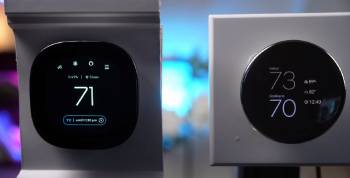
I started with the Nest Learning Thermostat 4th Generation for several weeks.
The round display looked clean on the wall and the system quickly learned our weekday and weekend patterns.
Temperature held steady in the main living area and the app made remote adjustments simple.
Outdoor weather awareness helped the system avoid unnecessary runs.
I then switched to the ecobee Smart Thermostat Premium under the same schedule and household habits.
The included room sensor let the system prioritize occupied spaces instead of only the hallway where the thermostat sat.
Comfort improved in the bedrooms and the built-in air quality readings added useful context.
Both thermostats reduced runtime compared with our old manual model.
Key features such as Wi-Fi control geofencing and HVAC compatibility shaped the similar smart experience while sensor strategy learning approach and ecosystem differences stood out clearly.
My extended side by side testing supplied the concrete comfort savings and usability notes that follow.
I paid attention to how each handled empty-house setbacks multi-room temperature swings and voice commands.
Neither unit caused wiring issues once the C-wire or power extender was sorted.
The choice came down to whether multi-room sensing or polished self-learning mattered more in our layout.
Temperature Control Sensors and Comfort
Temperature control and sensor strategy decide how even the house feels.
Nest Gen 4 learns patterns and adjusts for outdoor conditions with a single remote temperature sensor.
It kept the main zone comfortable and reduced wild swings once the schedule matured.
Ecobee uses room sensors that detect both temperature and occupancy.
The system could ignore empty rooms and focus conditioning where people actually were.
Analytical review of comfort places ecobee ahead for multi-level or multi-room homes and Nest ahead for simpler single-zone learning.
Key features of ecobee include occupancy-aware sensors and air quality monitoring.
Key features of Nest Gen 4 focus on adaptive learning and outdoor-condition awareness.
Real daily living confirmed both improve on basic thermostats yet the sensor approach changes how evenly rooms feel.
Learning Features Energy Savings and App Experience
Learning style and app design affect how much effort you spend managing the system.
Nest Gen 4 builds a schedule automatically from your habits and continues to refine it.
The app stays clean and integrates deeply with Google Home.
Ecobee relies more on a user-set schedule plus sensor input and offers detailed energy reports.
The app provides clear runtime history and comfort settings.
Analytical scoring of savings and ease places both strong with Nest slightly ahead for pure hands-off learning and ecobee ahead for transparent data and sensor-driven adjustments.
Key features of both include remote access usage tracking and compatibility with major voice assistants.
Real monthly bills showed meaningful reductions once either system was tuned.
Installation Ecosystem and Everyday Practicality
Installation and ecosystem fit decide how smoothly the thermostat becomes part of your home and how little attention it needs afterward.
I installed both an ecobee Smart Thermostat and the Nest Learning Thermostat 4th Generation on the same HVAC system to judge real setup and daily living.
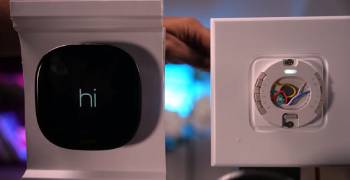
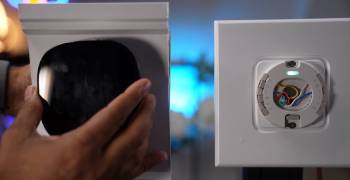
Wiring followed standard labels on both units.
The Nest Gen 4 app walked through each step with clear diagrams and compatibility checks.
A C-wire was already present in my case so power was straightforward.
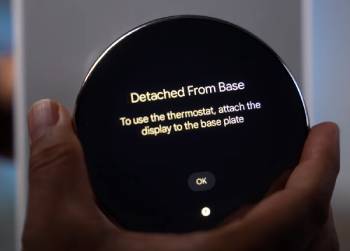
The polished round base sat cleanly on the wall and the finish options let it blend with different interiors.
Ecobee installation felt equally direct.
The power extender kit included with many models helps when a C-wire is missing.
The rectangular display mounts securely and the included room sensor pairs quickly once the main unit is online.
Ecosystem differences appear after setup.
Nest Gen 4 integrates deeply with Google Home and now supports Matter for broader platform flexibility.
Voice commands and routines work smoothly inside Google’s environment.
Ecobee offers stronger native HomeKit support alongside Alexa and Google compatibility.
Apple users gain tighter control and automation options without extra bridges.
The Premium model also includes a built-in speaker for basic Alexa interactions.
Analytical review of practicality places Nest ahead for Google-centric homes and design-focused installs.
Ecobee leads for Apple households and anyone who wants occupancy sensing across multiple rooms.
Key features of both include geofencing remote app control and regular software updates that add refinements over time.
Key features of Nest Gen 4 focus on Matter support and polished hardware finishes.
Key features of ecobee focus on HomeKit depth and flexible sensor expansion.
Real daily ownership confirmed either thermostat fades into the background once the initial learning or scheduling period ends.
Temperature stays consistent remote adjustments take seconds and the system quietly trims unnecessary runtime.
The better long-term choice depends on which ecosystem already runs your lights locks and speakers and whether multi-room occupancy sensing matters in your layout.
These installation and practicality differences become clear within the first week and help match the right smart thermostat to your home and habits.
Also Read: My Thoughts On Make Me Surprise
Pros and Cons Of Ecobee
Pros Of Ecobee
- Occupancy Room Sensors: Detects people and prioritizes active rooms for better comfort.
- Multi-Room Accuracy: Reduces hot and cold spots in larger or multi-level homes.
- Air Quality Monitoring: Provides indoor air insights on the Premium model.
- Native HomeKit Support: Works cleanly with Apple ecosystems.
- Detailed Energy Reports: Shows clear runtime and savings data.
- Built-in Alexa Speaker: Available on Premium for voice control without extra devices.
- Flexible Scheduling: Combines manual schedules with sensor intelligence.
- Power Extender Kit: Helps installation when a C-wire is absent.
- Strong Third-Party Compatibility: Plays well with Alexa Google and HomeKit.
- Transparent Controls: Easy to override and understand what the system is doing.
The Analytical Cons Of Ecobee
- Less Pure Self-Learning: Relies more on schedules and sensors than full automatic adaptation.
- Rectangular Design: May not suit every wall aesthetic preference.
- Sensor Placement Required: Full benefit needs thoughtful sensor locations.
- App Complexity: More data can feel overwhelming at first.
- Premium Price for Full Features: Top model costs more than basic versions.
- Speaker Quality Modest: Built-in Alexa is convenient yet not high fidelity.
- Software Updates Vary: Feature pace depends on ecobee’s release cycle.
- Wiring Still Matters: Complex HVAC systems may need professional help.
- Sensor Battery Maintenance: Remote sensors require occasional battery changes.
- Learning Curve for Advanced Settings: Full optimization takes some exploration.
Pros and Cons Of Nest Learning Thermostat 4th Gen
Pros Of Nest Learning Thermostat 4th Gen
- True Self-Learning: Builds and refines a schedule from your daily habits automatically.
- Polished Round Design: Clean look with multiple premium finish options.
- Outdoor Condition Awareness: Adjusts behavior based on weather and system performance.
- Matter Support: Improves future smart-home flexibility.
- Google Ecosystem Depth: Seamless with Google Home and Assistant.
- Included Temperature Sensor: Helps with basic remote room reading.
- System Health Monitoring: Flags potential HVAC issues over time.
- Simple App Experience: Clean interface focused on ease of use.
- Quick Adaptation: Learns patterns within the first week or two.
- Reliable Core Performance: Steady temperature control once trained.
The Analytical Cons Of Nest Learning Thermostat 4th Gen
- Limited Occupancy Sensing: Remote sensor reads temperature only without presence detection.
- Weaker Native HomeKit: Relies on Matter rather than deep Apple integration.
- Higher Price: Sits at a premium compared with many alternatives.
- Single-Zone Focus: Less ideal for homes with large temperature variations between rooms.
- Google Account Dependence: Best experience requires staying inside Google’s ecosystem.
- Less Transparent Data: Energy details feel simpler than ecobee’s reports.
- Learning Period Required: Early days can feel inconsistent until patterns form.
- No Built-in Speaker: Voice control needs separate smart speakers.
- Finish Fingerprints: Polished surfaces can show smudges.
- Professional Install Sometimes Needed: Complex systems still benefit from expert wiring.
Also Read: My Thoughts On Picture Keeper Connect
Frequently Asked Questions (FAQs)
Ecobee is often better for multi-room sensing and HomeKit users while Nest Gen 4 is better for hands-off learning and Google-centric homes.
Some technicians report issues with certain wiring configurations power sharing and proprietary behavior that can complicate diagnosis and service.
Google continues to support current Nest thermostats yet has shifted branding and development focus over time which creates confusion about long-term product direction.
Google is not fully phasing out Nest thermostats yet product naming and feature development have evolved as the company integrates devices more tightly into the Google Home platform.
Final Thoughts
I compared ecobee and Nest Gen 4 through real daily living to highlight the differences in sensing learning and ecosystem fit.
The main intent remains giving you clear side by side observations on comfort energy use and everyday control so you can select the smart thermostat that matches your home and habits.
Ecobee leads for multi-room accuracy and open ecosystem flexibility while Nest Gen 4 excels at polished self-learning and Google integration.
You now have the detailed experience to decide which thermostat belongs on your wall.