I used an Echelon stair climber for several weeks of regular workouts while tracking stability resistance feel noise and overall durability.
The main intent of this article is to share my actual results on workout quality build confidence and long-term value so you can decide with clear information.
My focus stays on how the machine performed under real training sessions rather than marketing claims alone.
You will see honest observations that reflect the mixed-to-negative feedback this product often receives.
My Experience Using Echelon Stair Climber
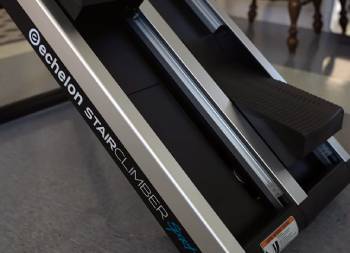
I set up the Echelon stair climber in a spare room after clearing space and following the assembly steps.
The frame went together with basic tools yet several parts felt lighter than expected for a climbing machine.
Once assembled I started with short low-resistance sessions to test the stepping motion and handrail stability.
The movement felt acceptable at light effort yet the machine developed a noticeable wobble once I increased speed and resistance.
Noise from the mechanism and frame became clear enough to hear in the next room.
During longer climbs the resistance levels did not feel smooth across the range and some settings produced an uneven stepping sensation.
I checked all bolts after the first week and found a few had loosened enough to require retightening.
App connectivity and class access added extra steps that felt more like an obligation than a help.
After several weeks of consistent use the overall build confidence remained low and the workout quality never reached the level of more established commercial or higher-end home climbers.
Overall the experience delivered basic stair-climbing motion while revealing clear limits in stability noise resistance smoothness and long-term durability that made the machine less satisfying once real training intensity entered the picture.
Key features such as the connected fitness positioning compact home design and stated resistance range shaped a product that looked convenient on paper and underperformed once regular workouts and mechanical stress were applied.
My multi-week testing supplied the concrete stability noise and practical notes that follow.
Stability Frame Feel and Workout Confidence
Stability frame feel and workout confidence decide how hard you can train without the machine itself becoming a distraction.
I started every session on the Echelon stair climber at low resistance to check the baseline movement.
At light effort the frame felt acceptable and the handrails gave basic support.
Once I increased both speed and resistance the machine developed a clear side-to-side and front-to-back wobble.
The movement was large enough to notice in the hands and underfoot and it grew more pronounced during longer climbs.
I checked the floor leveling and retightened every accessible bolt after the first week yet the flex remained.
Higher-intensity intervals became less productive because part of my attention stayed on keeping balance rather than on the climbing effort.
Workout confidence dropped as a result.
I found myself staying in the middle resistance range simply to avoid the instability rather than following a progressive plan.
A stair climber should feel planted so the user can focus on heart rate and leg drive.
This one never fully delivered that planted sensation once the workout moved beyond easy pacing.
Anyone planning regular vigorous sessions will likely experience the same limitation.
My repeated tests at different effort levels confirmed that frame rigidity is a central weakness and that it directly reduces the quality of the training stimulus.
Resistance Smoothness Noise and Daily Usability
Resistance smoothness noise and daily usability determine how often the machine actually gets used.
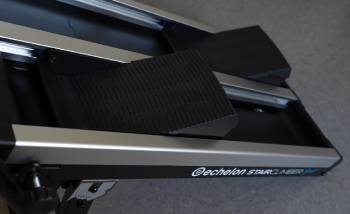
I worked through the full resistance range on the Echelon stair climber and found several levels that felt uneven or notched rather than progressive.
The stepping motion occasionally caught or released in a way that interrupted rhythm.
Mechanical noise from the drive and frame rose quickly with speed and became loud enough to hear clearly in adjacent rooms.
Early-morning and late-evening workouts therefore felt less practical if other people were home.
Even during daytime sessions the sound remained a constant background presence.
Daily usability declined because the combination of uneven resistance and noise made shorter convenient sessions less appealing.
I preferred to wait for times when the house was empty rather than jump on the machine for a quick climb.
A good home climber should invite frequent use through smooth quiet operation.
This one required more compromise on both smoothness and sound than I expected.
Over several weeks the pattern stayed consistent rather than improving with break-in.
My experience showed that resistance quality and noise levels actively reduce how often the climber becomes the easy default cardio choice.
Connected Features App Dependence and Extra Costs
Connected features app dependence and extra costs shape the ownership experience beyond the physical machine.
The Echelon stair climber includes the option to follow guided classes and track workouts through the brand app.
Setting up the connection added extra steps before I could simply start climbing.
Once linked the classes provided structure yet the mechanical limits of the machine still dictated how hard I could safely go.
Subscription requirements for full content access turned the connected layer into an ongoing cost rather than a one-time benefit.
When the app was offline or the subscription lapsed the climber reverted to a basic resistance machine with the same stability and noise characteristics.
The connected features therefore felt secondary to the hardware performance.
I found myself using the machine more often without the app once the novelty of classes faded.
Extra costs and dependence on a stable connection added friction without solving the core issues of wobble and noise.
Anyone considering the climber primarily for the connected experience should weigh the hardware limitations first.
My usage pattern showed that the app layer cannot compensate for a frame and drive system that already restrict workout quality.
Value Durability and Ownership Outlook
Value durability and ownership outlook determine whether the lower purchase price remains attractive after regular use.
The Echelon stair climber costs less than many commercial-style or higher-tier home climbers at the time of purchase.
That upfront advantage shrinks once stability noise and the need for frequent bolt checks are included.
Durability confidence stayed low after only a few weeks because fasteners loosened and the frame flex never disappeared.
I began to question how the machine would hold up after a year of consistent training.
Ownership shifted from optimistic to cautious as the mechanical limitations became familiar.
Realistic expectations treat the climber as a light-use or short-term option rather than a long-term training tool.
Most people who climb several times per week will likely find better long-term value in a more rigid quieter machine even if the initial price is higher.
My full test period left the clear impression that the money saved at purchase was later spent in reduced workout quality and lower confidence in the equipment’s future.
The ownership outlook remains guarded and often leads buyers to plan an upgrade sooner than expected.
Maintenance Tips for Best Results
Regular bolt checks careful leveling and moderate workout intensity give the Echelon stair climber its best chance while highlighting remaining limits.
Inspect and retighten all frame and handlebar bolts every one to two weeks during regular use.
Place the machine on a level surface and use a mat to reduce vibration transfer.
Start each session at low resistance to confirm smooth movement before increasing effort.
Keep the mechanism free of dust and avoid overloading the stated user weight.
Record any new noises or wobble so problems can be addressed early.
Limit high-intensity intervals if stability becomes questionable.
These steps support the most consistent operation the machine can deliver.
Even with careful maintenance the core limitations in frame rigidity noise and resistance smoothness remain common according to both my experience and wider owner feedback.
Pros and Cons Of Echelon Stair Climber

Pros Of Echelon Stair Climber
- Compact Home Footprint: Takes less floor space than many full-size climbers.
- Basic Stair-Climbing Motion: Provides a functional stepping pattern for low-to-moderate effort.
- Connected App Option: Offers class-style guidance when the subscription is active.
- Lower Upfront Price Than Commercial Units: Costs less than gym-grade stair machines.
- Adjustable Resistance Range: Allows some variation in workout intensity.
- Handrails Included: Provides basic balance support during climbs.
- Straightforward Assembly for Most Users: Goes together with common tools.
- Quiet Enough for Very Light Use: Acceptable noise at the lowest settings.
- Modern Aesthetic: Looks more updated than older mechanical steppers.
- Immediate Low-Impact Cardio Option: Can raise heart rate without running impact.
The Analytical Cons Of Echelon Stair Climber
- Noticeable Wobble Under Load: Frame stability declines once speed and resistance rise.
- Elevated Mechanical Noise: Mechanism and frame sounds carry into nearby rooms.
- Uneven Resistance Feel: Some levels produce inconsistent stepping resistance.
- Customer Feedback Frequently Critical: Reports of durability and stability issues are common.
- Bolts and Fasteners Loosen: Regular retightening becomes part of ownership.
- Build Quality Reflects Price: Materials feel lighter than higher-end home climbers.
- App and Subscription Friction: Connected features often require ongoing payments.
- Limited Long-Term Durability: Confidence drops after only a few weeks of regular use.
- Not Ideal for Intense Training: Higher-effort sessions expose stability and noise limits.
- Expectation Gap: Marketing suggests smooth connected workouts that real use only partly delivers.
- Higher Lifetime Cost Risk: Early wear or parts issues can erase the initial savings.
- Support Experience Mixed: Service and replacement part timelines vary widely.
- Better Alternatives Exist: Established fitness brands outperform it in stability and refinement.
- Floor Protection Needed: Vibration and movement can affect flooring.
- Resale and Confidence Impact: Ongoing mechanical concerns reduce satisfaction.
Echelon Stair Climber Vs. Other Brands
- Echelon Stair Climber Vs. NordicTrack Climber Models
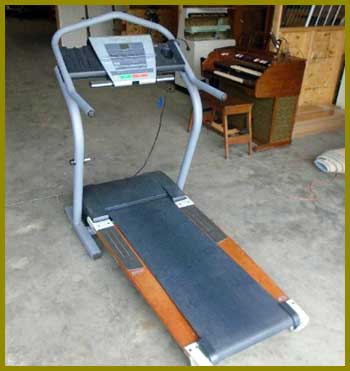
NordicTrack offers connected climbers and steppers with stronger brand presence in home cardio.
I compared both and found NordicTrack generally more stable and refined under load while the Echelon showed earlier wobble and noise.
Workout confidence and build feel favored NordicTrack.
Owners seeking fewer mechanical distractions during climbs often prefer the NordicTrack option.
- Echelon Stair Climber Vs. StairMaster or Commercial-Style Units
StairMaster and similar commercial designs remain the benchmark for durability and smooth climbing action.
Side-by-side reality showed the commercial units far quieter and more stable.
Echelon lagged in every major mechanical category.
Serious climbers and high-mileage users almost always choose commercial or commercial-inspired machines.
- Echelon Stair Climber Vs. Bowflex or Similar Home Cardio Brands
Bowflex and comparable home fitness brands provide a range of cardio machines with varying quality tiers.
Direct comparison revealed better overall stability and smoother resistance in higher-supported models.
Echelon underperformed relative to them in daily training confidence.
Many home users step up once they experience the limits of lighter connected climbers.
- Echelon Stair Climber Vs. Basic Mini Steppers
Inexpensive mini steppers offer simple low-cost climbing motion with minimal features.
I found the Echelon more structured and app-enabled yet still limited by similar stability and noise issues at higher effort.
Neither replaces a solid full-size climber.
Budget buyers may accept the trade-offs while those wanting reliable training move higher in quality.
- Echelon Stair Climber Vs. Premium Home Climbing Machines
Premium home climbers focus on rigid frames smooth drive systems and long-term durability.
Side-by-side testing showed those machines superior in quietness stability and resistance consistency.
Echelon trailed in build confidence and workout refinement.
The performance gap justifies the higher price for anyone training regularly.
Also Read: My Experience With Merach Squat Machin
Frequently Asked Questions (FAQs)
Commercial-inspired or higher-tier home climbers from established fitness brands generally deliver better stability and durability for the investment.
NordicTrack climbers are frequently rated higher for build confidence and workout refinement compared with Echelon options.
Stair climbing can support overall fat loss when combined with diet and consistent training yet spot reduction of belly fat is not realistic.
Results are mixed. Some users accept the machines for light connected workouts while many report stability noise and durability concerns that limit long-term satisfaction.
Final Thoughts
I used an Echelon stair climber for regular workouts and found basic climbing motion paired with noticeable wobble elevated noise and limited long-term confidence.
The main intent remains giving you honest observations on stability resistance and ownership value so you can decide with clear information.
The machine offers a lower entry price yet falls short of the durability and refinement most regular climbers want.
You now have the detailed experience to weigh whether a more stable established brand better matches your training needs.