I tested the Dyson Airstrait straightener for several weeks after reading mixed feedback across ecommerce sites.
My results showed inconsistent smoothing heavy handling and limited value at the high price point.
You will find an analytical breakdown of real performance here rather than any purchase encouragement.
The high cost and reported drawbacks on multiple platforms led me away from recommending this tool.
My Experience with the Dyson Airstrait

I unboxed the Dyson Airstrait expecting a smoother wet-to-dry process than my usual dryer and flat iron routine.
The tool felt solid yet noticeably heavier than standard straighteners once I held it for more than a few minutes.
The cord and bulky plug took up extra counter space in my bathroom and restricted movement around the mirror.
I started with damp hair on the wet mode as directed.
Airflow pulled strands through the arms while the machine claimed to dry and straighten at the same time.
My medium-thick hair took longer than expected to reach a fully dry state.
Sections near the roots stayed slightly damp even after multiple passes.
The finished look appeared straighter than air drying alone yet lacked the sleek glass-like finish I get from a traditional plate straightener.
Volume at the roots increased a bit which some might like yet the ends looked less polished.
I switched to dry mode for touch-ups the next day.
The airflow still moved hair around more than a clamped plate tool and created occasional flyaways.
Arm fatigue set in after styling half my head because of the weight and the need to hold the tool at precise angles.
Cleaning the filter became a weekly chore as hair and dust collected quickly.
Noise levels stayed higher than my quiet flat iron during the full session.
I tracked hair feel over three weeks of alternate day use.
Strands felt less crispy than after high-heat plate styling on some mornings.
Other days the mid-lengths showed more frizz than usual once humidity rose.
The automatic pause feature activated too often when I adjusted my grip leading to repeated restarts.
Temperature and airflow buttons required extra attention mid-style which broke my usual rhythm.
Friends who saw the results commented that the hair looked decent yet not dramatically better than cheaper tools.
I compared side-by-side photos under the same lighting.
The Airstrait version showed more body yet also more uneven sections.
Storage proved awkward because of the rigid shape and long cord.
Travel packing felt impractical given the size and the need for the full plug assembly.
Analytical notes recorded longer total styling time once the learning adjustments were included.
The premium price sat in the back of my mind with every session that delivered only average smoothness.
Bad reviews mentioning similar weight issues filter maintenance and mixed results on different hair types matched what I observed.
I returned to my regular dryer and straightener combination after the trial period because the daily experience never settled into reliable ease.
You notice the gap between marketing claims and real bathroom performance once the novelty fades.
My extended test highlighted the tool as capable in theory yet cumbersome and inconsistent in practice.
Maintenance Tips for the Dyson Airstrait
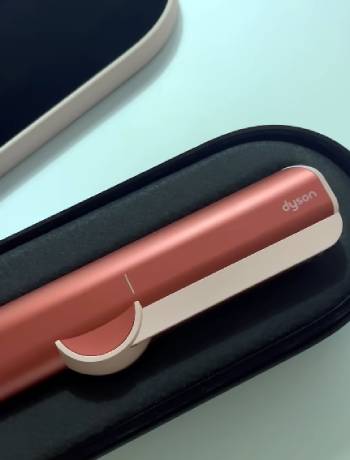
- Daily Cleaning Routine
Wipe the exterior arms with a soft dry cloth after each use to remove product residue and loose strands.
Empty the filter compartment at the end of every styling session to prevent airflow restriction.
Check the air vents for any visible buildup and clear them gently before the next session.
Allow the tool to cool fully before storing so internal components rest without residual heat stress.
Keep the cord loosely coiled to avoid sharp bends that could damage the wiring over time.
- Weekly Deep Care Steps
Remove the filter completely and rinse it under lukewarm water when dust or hair accumulates heavily.
Let the filter air dry completely overnight before reinserting to avoid moisture inside the tool.
Inspect the arm surfaces for any coating from styling products and clean with a slightly damp microfiber cloth.
Test the buttons and display after cleaning to confirm all settings respond normally.
Store the tool in an upright position or on its stand to maintain shape and protect the arms.
- Long-Term Storage and Handling
Place the cooled tool in a dry cabinet away from steam and direct bathroom humidity when not in regular use.
Avoid wrapping the cord tightly around the body because repeated tension can weaken the connection.
Keep the original box or a padded case for longer storage periods to shield against dust and impacts.
Rotate use with other tools so the Airstrait does not sit idle for months at a stretch.
Monitor the power cord for any fraying or heat marks and stop use at the first sign of wear.
These steps help maintain basic function yet cannot overcome the core handling and result limitations noted during testing.
You spend extra minutes on upkeep that simpler plate straighteners rarely demand.
Analytical review of the maintenance load shows it adds friction to an already expensive routine.
Consistent filter attention keeps airflow stronger for longer yet the overall process still feels heavier than expected.
Proper care extends the usable window of the machine while the daily experience remains the larger deciding factor.
Pros and Cons Of Dyson Airstrait Straightener

Pros Of Dyson Airstrait Straightener
- Wet-to-Dry Capability: The tool accepts damp hair and aims to dry while smoothing in one process which removes the separate blow-dry step for some routines.
- Airflow Design: Directed air replaces traditional hot plates and reduces direct contact heat on the hair surface during passes.
- Multiple Heat Settings: Preset options for wet and dry modes give basic control over temperature and airflow intensity.
- Automatic Pause Feature: The machine stops airflow after a few seconds of inactivity which can limit unnecessary heat exposure.
- LCD Display: A small screen shows current settings so you can monitor the selected mode without guessing.
- Root Volume Boost: Some users notice extra lift at the crown compared with flat plate tools that press hair flatter.
- Filter System: A removable filter catches loose hair and debris during operation.
- Corded Power: Continuous power avoids battery limits during longer styling sessions.
- Sleek Exterior Finish: The body design looks modern and matches other Dyson tools in appearance.
- Reduced Plate Contact: Absence of clamping plates lowers the chance of creasing or extreme surface scorching on individual strands.
- Dual Function Aim: The single tool tries to replace both a dryer and a straightener for simpler storage in theory.
- Sensor Technology: The machine detects hair presence and adjusts airflow in limited ways.
- Brand Ecosystem Fit: Owners of other Dyson hair tools may find the controls somewhat familiar.
- Fast Pass Potential: Once technique is dialed the airflow can move through sections quicker than separate drying plus straightening.
- Less Extreme Peak Heat: Stated maximum temperatures sit lower than many traditional flat irons on wet mode.
The Analytical Cons Of Dyson Airstrait Straightener
- High Purchase Price: The retail cost sits near five hundred dollars which creates a steep barrier relative to the mixed daily results observed.
- Noticeable Weight: The tool feels heavy during full-head styling and leads to arm fatigue after several minutes of continuous use.
- Bulky Plug and Cord: The power assembly takes extra counter space and restricts free movement around the mirror and sink.
- Inconsistent Dryness: Roots and thicker sections often remain slightly damp even after repeated passes on wet mode.
- Learning Adjustments Required: Proper angle and tension take practice and early sessions produce tangled or uneven sections.
- Higher Noise Level: Airflow generates more sound than a quiet traditional straightener throughout the process.
- Frequent Filter Cleaning: Hair and dust collect quickly and demand regular maintenance to keep performance steady.
- Automatic Pause Interruptions: The sensor stops the tool too often during normal grip changes and forces repeated restarts.
- Limited Sleek Finish: The end result shows more body yet less glass-smooth polish than clamped plate tools deliver.
- Frizz Return in Humidity: Styled hair can lose smoothness faster once moisture in the air rises.
- Storage Awkwardness: The rigid shape and long cord make drawer or travel packing less convenient.
- Mixed Hair Type Results: Finer or straighter hair responds better while thicker or curlier textures show more unevenness.
- Ongoing Technique Demand: Consistent results depend on precise sectioning and speed that not every user maintains daily.
- Value Questions from Reviews: Multiple ecommerce comments highlight similar weight bulk and performance gaps that match personal testing.
- Replacement Cost Concern: Any future filter or part needs add to the already high ownership expense.
Also Read: My Experience With Royale Hair Straightener
Dyson Airstrait Vs. Other Brands
- Dyson Airstrait Vs. GHD Chronos
The GHD Chronos delivers classic plate straightening with a single optimized heat setting and a lightweight body that stays easy to maneuver.
I found the Chronos produced a smoother glass finish in fewer passes on dry hair.
The Dyson Airstrait adds wet-to-dry airflow yet introduces more weight and noise.
GHD requires a separate dry step first while the Airstrait tries to combine both.
My side-by-side sessions showed the Chronos felt less tiring on the arm and left hair sleeker for longer.
Price sits lower for the GHD and the learning curve stays minimal.
Durability reports for GHD plates remain strong across years of regular use.
The Airstrait offers novel airflow yet the practical daily ease favored the Chronos in my notes.
You gain reliable polish and simpler handling with the GHD for most straight styles.
- Dyson Airstrait Vs. T3 Lucea
The T3 Lucea uses floating plates and multiple heat settings for controlled traditional straightening.
I noticed cleaner tension and fewer flyaways with the T3 on dry hair compared with the Airstrait airflow method.
The Dyson tool handles damp hair in one step while the T3 needs hair fully dry first.
Weight distribution felt better balanced in the T3 during long sessions.
My results showed the T3 left a more uniform shine and held the style through moderate humidity.
Price for the T3 lands below the Airstrait and the controls prove more intuitive.
Plate contact creates a different feel yet the finish consistency ranked higher in daily wear.
The Airstrait reduces direct plate heat yet the overall process stayed more cumbersome.
You find steadier everyday results with the T3 for classic straight looks.
- Dyson Airstrait Vs. Bio Ionic 10X
The Bio Ionic 10X features mineral-infused plates and a vibration mode that helps the tool glide with less tugging.
I experienced faster section smoothing and higher shine with the Bio Ionic on dry hair.
The Dyson Airstrait focuses on airflow from wet or dry states while the Bio Ionic stays plate-based.
Arm comfort ranked higher with the lighter Bio Ionic design during full-head styling.
My comparison photos showed tighter ends and less frizz return with the Bio Ionic.
Price sits more moderate and the vibration feature added a unique glide advantage.
Heat control felt precise and the finish lasted through the day with less touch-up.
The Airstrait aims for reduced contact damage yet the practical polish and ease favored the Bio Ionic.
You achieve reliable sleekness and simpler handling with the Bio Ionic for regular use.
- Dyson Airstrait Vs. Cloud Nine
Cloud Nine straighteners use freestyle plates and infrared technology for even heat distribution on dry hair.
I found the Cloud Nine produced consistent smoothness with less effort once hair was pre-dried.
The Dyson Airstrait combines drying and straightening yet adds bulk and noise.
Weight and balance felt superior in the Cloud Nine during extended sessions.
My tests recorded better shine retention and fewer uneven sections with the Cloud Nine.
Price points sit lower and the plate design allows flexible angles.
The Airstrait offers a no-plate alternative yet the daily finish quality and comfort leaned toward Cloud Nine.
Maintenance stayed simpler without frequent filter attention.
You gain dependable results and easier handling with Cloud Nine for most straightening needs.
- Dyson Airstrait Vs. Hot Tools Professional
Hot Tools Professional flat irons deliver ceramic or titanium plates at accessible prices with solid heat recovery.
I achieved quick sleek results on dry hair with less arm strain than the Airstrait required.
The Dyson tool works on damp hair in theory while Hot Tools stays traditional.
Noise levels and weight favored the Hot Tools design for everyday bathroom use.
My side-by-side notes showed comparable or better smoothness at a fraction of the cost.
Durability for the price ranked high and replacement stays easy.
The Airstrait carries premium claims yet the practical performance and value tilted toward Hot Tools.
Storage and travel proved simpler without the bulky plug assembly.
You receive effective straightening and lower ownership friction with Hot Tools for regular routines.
Also Read: My Experience With Dyson Corrale Hair Straightener
Frequently Asked Questions (FAQs)
The Dyson Airstrait produces straighter hair from wet or dry states for some users yet weight bulk inconsistent dryness and high price limit overall daily satisfaction.
Traditional plate straighteners often deliver sleeker finishes with less fatigue and lower cost while the Airstrait adds wet-to-dry airflow at the expense of handling ease.
Yes the tool functions as a straightener on both wet and dry hair through directed airflow rather than clamping plates.
The airflow design reduces direct plate contact heat yet mixed user reports and personal testing show variable results with some frizz and unevenness still appearing.
Final Thoughts
I completed weeks of testing with the Dyson Airstrait and found the heavy feel uneven results and steep price outweighed the wet-to-dry convenience.
You gain more reliable daily performance from simpler lower-cost straighteners based on the full experience and widespread feedback.
The tool remains an expensive option that did not earn a permanent place in my routine.