I used both the Dremel 4000 and Dremel 4300 on carving cutting grinding and detail projects around the workshop.
The main intent of this article is to show the practical differences in power accessory changes lighting and daily handling so you can choose the rotary tool that best matches your projects.
My focus stays on real torque under load bit-change speed and visibility rather than marketing claims alone.
You will see how the Dremel 4000 compares with the Dremel 4300.
| Feature | Dremel 4000 | Dremel 4300 |
| Motor | 1.6 Amp | 1.8 Amp |
| Speed Range | 5,000–35,000 RPM | 5,000–35,000 RPM |
| Chuck System | Collet with EZ Twist | Keyless 3-jaw chuck |
| LED Light | No | Yes (pivot light) |
| Noise / Cooling | Standard | Quieter and cooler |
| Speed Control | Integrated | Separate dial |
| Best For | Value and solid performance | Faster bit changes and visibility |
My Experience Testing Both Tools Side by Side
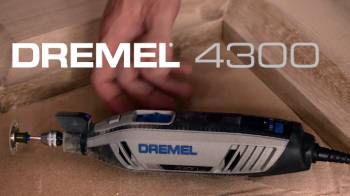
I started with the Dremel 4000 on wood carving and light metal grinding.
The variable speed covered fine detail and more aggressive work without trouble.
Electronic feedback kept the RPM steady when the bit met resistance.
Changing accessories required the collet wrench or EZ Twist nose cap and took a few extra seconds each time.
I then switched to the Dremel 4300 for the same tasks plus some darker corner work.
The extra amperage held speed better under heavier load.
The keyless three-jaw chuck let me swap bits in seconds without hunting for a wrench.
The pivot LED light lit the contact point clearly when overhead lighting was blocked.
Both tools felt balanced in the hand and ran through long sessions without overheating.
Key features such as the wide RPM range electronic feedback and compatible accessory ecosystem shaped the similar core experience while motor strength chuck design and lighting created the clear differences.
My extended side-by-side testing supplied the concrete power and usability notes that follow.
Power Torque and Performance Under Load
Motor strength and speed stability under resistance decide how cleanly the tool finishes demanding cuts.
I tested both the Dremel 4000 and Dremel 4300 on the same materials with identical bits.
The Dremel 4000 uses a 1.6 Amp motor that delivers reliable power for most hobby and light workshop tasks.
It held speed well while carving wood sanding edges and making shallow cuts in soft metal.
When the load increased during deeper grinding or thicker material the RPM dropped more noticeably and the tool worked harder.
Electronic feedback helped recover speed yet the difference was clear on longer heavy passes.
The Dremel 4300 steps up to a 1.8 Amp motor.
That extra capacity kept the bit turning more consistently when I applied real pressure.
Grinding metal and cutting denser stock felt smoother with less bogging.
The tool maintained the set speed longer and finished the cut with fewer adjustments.
Both models share the same 5,000 to 35,000 RPM variable range so the top speed is identical.
The advantage appears in sustained torque rather than peak RPM.
Analytical review of side-by-side work places the 4300 ahead for jobs that push the tool under continuous load.
The 4000 remains fully capable for detail work light fabrication and general purpose use.
Heat build-up also favored the 4300 during extended sessions.
Improved airflow kept the housing cooler while the 4000 grew warmer under the same heavy conditions.
Key features of the 4300 focus on the higher-amperage motor and better speed holding.
Key features of the 4000 focus on proven solid performance at a more accessible price.
Real project testing confirmed the power gap shows up most on metal work deep grinding and any task that keeps the bit engaged for long periods.
The better choice depends on whether your typical projects stay light or regularly demand sustained torque.
These differences in power delivery become obvious once you move from simple carving into more demanding material removal.
Also Read: My Experience With PMD Personal Microderm
Accessory Changes Lighting and Everyday Practicality
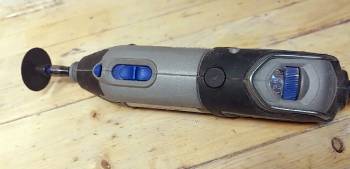
Bit changes visibility and daily handling decide how smoothly a rotary tool fits into real workshop time.
I timed accessory swaps and worked in both bright and shadowed areas with the Dremel 4000 and Dremel 4300.
The Dremel 4000 uses a collet system improved by the EZ Twist nose cap.
Most changes still require loosening the collet inserting the new bit and retightening.
The process is reliable yet adds seconds each time you switch from a cutting disc to a sanding drum or engraving tip.
During multi-step projects those extra moments add up.
The Dremel 4300 replaces the collet with a keyless three-jaw chuck.
I simply opened the jaws by hand inserted any common shank size and tightened.
No wrench and no separate collets were needed.
Swaps became fast enough that I changed bits more often instead of forcing one accessory to finish the job.
Lighting created another clear difference.
The 4000 relies entirely on room light or a separate lamp.
When the tool body blocked the overhead light the contact point fell into shadow.
The 4300 includes a pivot LED that follows the work area.
It stayed bright even when I worked inside a cabinet or under a shelf.
Everyday practicality also includes noise and heat.
The 4300 ran quieter and cooler thanks to improved airflow.
Longer sessions felt less fatiguing.
Both tools share a comfortable grip and the same wide speed range so the core handling stays familiar.
Analytical review of real projects places the 4300 ahead for workflow speed and visibility.
The 4000 remains practical when budget matters more than rapid bit changes.
Key features of the 4300 focus on the universal chuck and pivot light.
Key features of the 4000 focus on solid basic function at a lower cost.
These differences become obvious once you move past simple single-bit jobs into detailed multi-step work.
The better daily choice depends on how often you change accessories and how important clear lighting is in your workspace.
Pros and Cons Of Dremel 4000
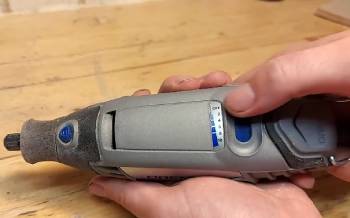
Pros Of Dremel 4000
- Solid 1.6 Amp Motor: Handles most carving grinding and cutting tasks.
- Wide Speed Range: 5,000–35,000 RPM covers fine to aggressive work.
- Electronic Feedback: Maintains speed under moderate load.
- EZ Twist Nose Cap: Speeds collet changes compared with older models.
- Good Value: Often costs less than the 4300.
- Compatible Accessories: Works with the full Dremel bit and attachment range.
- Ergonomic Grip: Comfortable for extended sessions.
- Proven Reliability: Long track record in home workshops.
- Variable Speed Control: Easy to match RPM to the material.
- Compact Kits Available: Multiple package options fit different budgets.
The Analytical Cons Of Dremel 4000
- Lower Amperage: Trails the 4300 in sustained torque on heavy jobs.
- Collet System: Bit changes take longer than a keyless chuck.
- No Built-In Light: Visibility suffers in shadowed work areas.
- Integrated Controls: Speed adjustment after start-up can feel less precise.
- Standard Noise Level: Louder than the refined 4300 under load.
- Cooling Less Advanced: Runs warmer during prolonged heavy use.
- Older Platform: Lacks the newest convenience upgrades.
- Wrench Dependence: Some changes still need the small wrench.
- Fewer Premium Kits: Top accessory packages favor the 4300.
- Resale and Support Shift: Newer models receive more ongoing attention.
Pros and Cons Of Dremel 4300
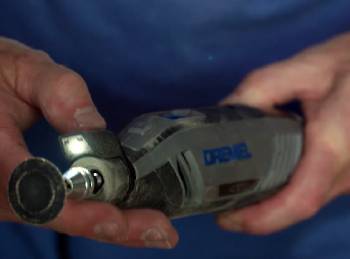
Pros Of Dremel 4300
- 1.8 Amp Motor: Stronger torque and better speed holding under load.
- Keyless 3-Jaw Chuck: Fast tool-free accessory changes for all common shanks.
- Pivot LED Light: Illuminates the work point when lighting is poor.
- Quieter Operation: Improved airflow reduces noise and heat.
- Separate Speed Dial: Preset RPM before switching the tool on.
- Better Cooling: Runs cooler during long sessions.
- Same Wide RPM Range: 5,000–35,000 RPM matches the 4000.
- Electronic Feedback: Steady performance across materials.
- Ergonomic Design: Comfortable balanced feel in the hand.
- Premium Kit Options: Larger accessory packages available.
The Analytical Cons Of Dremel 4300
- Higher Price: Costs more than the 4000 for the added features.
- Slightly Heavier Feel: Extra components add minor bulk.
- Overkill for Light Work: Extra power and conveniences matter less on simple tasks.
- Chuck Maintenance: Keyless mechanism needs occasional cleaning.
- Battery for Light: Pivot light relies on its own small power source.
- Learning the Chuck: New users need a moment to trust the hand-tight system.
- Kit Size Variation: Largest packages increase overall cost further.
- Still Corded: No cordless freedom for remote work.
- Accessory Cost: High-quality bits remain an ongoing expense.
- Competition Exists: Other rotary tools continue to improve.
Also Read: My Experience With Woodranger Mini Chainsaw
Frequently Asked Questions (FAQs)
The Dremel 4300 often ranks as the stronger current high-performance corded option thanks to power chuck and lighting upgrades.
Yes the 4000 remains a capable reliable rotary tool that handles most home and hobby tasks well.
The best model depends on needs yet the 4300 stands out among corded high-performance options for convenience and power.
Choose the 4300 for frequent bit changes and heavier work or the 4000 when budget and solid basic performance are the priority.
Final Thoughts
I compared the Dremel 4000 and Dremel 4300 through real workshop projects to highlight the differences in power accessory changes and visibility.
The main intent remains giving you clear side-by-side observations on torque convenience and daily handling so you can select the rotary tool that fits your projects.
The 4300 leads for stronger sustained power faster bit changes and built-in lighting while the 4000 remains a capable value choice.
You now have the detailed experience to decide which Dremel belongs on your bench.