
I used both casein protein and whey protein for several months of training recovery and daily nutrition under the same conditions.
The main intent of this article is to show the practical differences in digestion speed muscle support satiety and everyday mixing so you can choose the protein that best matches your training schedule and goals.
My focus stays on real digestion feelings recovery results and convenience rather than lab claims alone.
You will see how each protein performs when fast absorption meets slow release.
| Feature | Whey Protein | Casein Protein |
| Digestion Speed | Fast 20 to 40 minutes | Slow 3 to 7 hours |
| Best Timing | Post workout or morning | Before bed or between meals |
| Texture When Mixed | Thin and easy to drink | Thick and pudding like |
| Leucine Content | Higher | Slightly lower |
| Primary Benefit | Rapid muscle protein synthesis | Sustained amino acid release |
| Common Use | Muscle building and recovery | Anti catabolic overnight support |
My Experience Testing Both Proteins Side by Side

I began with whey protein isolate as my main post training shake for four weeks.
After each resistance session I mixed one scoop with water and drank it within thirty minutes.
The powder dissolved quickly with minimal shaking and the texture stayed light.
I felt a clear sense of recovery the next morning with less residual muscle soreness on heavier lower body days.
Hunger returned relatively soon after the shake which fit well with my next planned meal.
I then switched to micellar casein for the following four weeks using it primarily before bed.
The powder required more stirring and created a thicker consistency that felt more filling.
I woke up less hungry on most mornings and noticed steady energy through the first part of the day.
Muscle recovery still felt solid yet the immediate post workout boost I associated with whey was less pronounced when I used casein at that time.
I also tested both proteins between meals on rest days.
Whey kept the drink simple and fast.
Casein provided longer lasting fullness that helped control snacking.
Digestive comfort remained good with both when I stayed within standard serving sizes.
Key features such as whey rapid absorption and casein gel forming slow release shaped every practical difference.
My extended side by side use supplied the concrete timing satiety and recovery notes that follow.
Digestion Speed and Amino Acid Release
Digestion speed determines when the amino acids become available to your muscles.
Whey protein empties from the stomach quickly and raises blood amino acid levels within roughly half an hour.
I noticed the post workout window felt well supported when I used whey immediately after training.
Casein forms a gel like clot in the acidic stomach environment and releases amino acids gradually over several hours.
The slower delivery matched well with overnight periods when no other protein was consumed.
Analytical review of release patterns places whey ahead for immediate training recovery and casein ahead for prolonged coverage.
Key features of whey include its high solubility and fast transit.
Key features of casein include its micellar structure that slows gastric emptying.
Real daily tracking confirmed that matching the protein to the time of day produced the most consistent results.
Muscle Support and Recovery Feelings
Muscle support depends on both the total protein and the timing of amino acid availability.
Whey delivers a higher leucine content that strongly triggers muscle protein synthesis after training.
I recorded better next day readiness on heavy lifting weeks when whey was my post session choice.
Casein provides a steady supply that helps limit muscle breakdown during longer periods without food.
Overnight use left me feeling more stable in the mornings after intense training blocks.
Both proteins are complete and supply all essential amino acids.
Analytical scoring of recovery support gives whey the edge for acute post workout needs and casein the edge for extended anti catabolic coverage.
Key features of whey include its rapid leucine delivery.
Key features of casein include its prolonged amino acid elevation.
Real training logs showed both contributing positively when used for their strengths.
Also Read: My Experience With Earth Fed Muscle Protein
Satiety Mixing and Daily Convenience
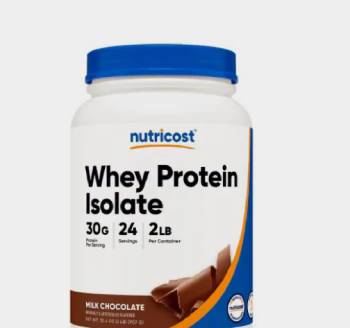
Satiety and convenience influence how easily a protein fits into daily life.
Casein creates a thicker texture that stays in the stomach longer and often reduces hunger for more hours.
I used it between meals on busy days and found fewer urges to snack.
Whey mixes into a thinner drink that goes down quickly and works well when you want something light.
Preparation time stayed short with whey while casein needed a bit more effort to avoid clumps.
Both powders stored well and measured consistently.
Analytical review of practicality places whey ahead for speed and ease and casein ahead for lasting fullness.
Key features of whey include excellent mixability.
Key features of casein include higher satiety per serving.
Real schedule testing confirmed that the thicker casein shake suited evenings while the lighter whey shake suited training days.
Pros and Cons Of Whey Protein
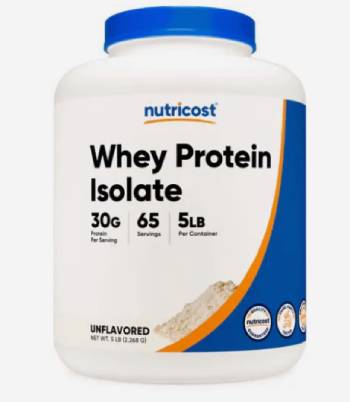
Pros Of Whey Protein
- Rapid Digestion: Amino acids reach the bloodstream quickly and support muscle protein synthesis soon after training.
- High Leucine Content: Elevated levels of this key amino acid help trigger the muscle building process effectively.
- Easy Mixing: Powder dissolves with minimal effort in water or milk and produces a smooth drinkable texture.
- Versatile Timing: Works well post workout in the morning or anytime a fast protein source is needed.
- Strong Research Backing: Extensive studies support its role in recovery and hypertrophy for resistance trained individuals.
- Wide Product Variety: Available as concentrate isolate and hydrolysate to match different purity and budget needs.
- Light Mouthfeel: The thinner consistency feels refreshing rather than heavy after intense sessions.
- Complete Amino Acid Profile: Supplies all essential amino acids required for muscle repair and growth.
- Convenient for Travel: Packs easily and requires only a shaker bottle for preparation.
- Proven Post Workout Results: Many users report reduced soreness and better readiness for the next training day.
The Analytical Cons Of Whey Protein
- Shorter Satiety Window: Hunger can return sooner compared with slower digesting options.
- Potential Digestive Sensitivity: Some individuals experience bloating or discomfort especially with concentrate forms.
- Lactose Content Variation: Concentrate versions retain more lactose that can affect those with intolerance.
- Less Ideal Overnight: The fast release leaves a gap during long periods without additional protein.
- Flavor and Sweetener Preferences: Many commercial products rely on artificial flavors that not everyone enjoys.
- Price for Premium Isolates: Higher purity versions cost more per serving than basic concentrates.
- Rapid Blood Amino Acid Drop: Levels decline within a few hours requiring more frequent intake for continuous support.
- Mixing with Certain Liquids: Performance can vary in thicker liquids or when combined with other ingredients.
- Over Reliance Risk: Heavy dependence without whole food protein can limit dietary variety.
- Quality Differences Across Brands: Filtration methods and additive packages vary widely in the market.
Pros and Cons Of Casein Protein
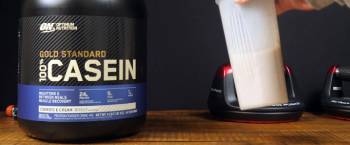
Pros Of Casein Protein
- Slow Sustained Release: Amino acids enter the bloodstream gradually and provide coverage for several hours.
- Strong Overnight Support: Helps limit muscle breakdown during sleep when no other protein is consumed.
- Higher Satiety Effect: The gel forming property keeps hunger lower for longer periods between meals.
- Complete Protein Source: Delivers all essential amino acids needed for maintenance and repair.
- Anti Catabolic Benefit: Steady supply supports muscle preservation during calorie controlled phases.
- Thick Satisfying Texture: Creates a pudding like consistency that many find more filling than thin shakes.
- Useful Between Meals: Bridges gaps in the daily protein schedule without requiring frequent dosing.
- Micellar Form Advantage: The natural milk structure contributes to the slow digestion profile.
- Compatible with Training Goals: Supports overall muscle retention when combined with resistance work.
- Steady Energy Contribution: Gradual absorption aligns with longer periods of lower activity.
The Analytical Cons Of Casein Protein
- Slower Mixing Process: Powder tends to clump and requires more stirring or blending for a smooth result.
- Thicker Consistency Preference: The heavy texture does not suit everyone especially post workout when a lighter drink is preferred.
- Less Rapid Recovery Trigger: Lower immediate leucine spike makes it less optimal right after intense training.
- Digestive Adjustment Period: Some users need time to adapt to the slower gastric emptying.
- Limited Post Workout Research Emphasis: Most acute muscle building studies focus more heavily on faster proteins.
- Higher Cost in Some Markets: Micellar casein can price above standard whey concentrates.
- Flavor Masking Challenges: The thicker base can make certain flavors taste denser or less refreshing.
- Not Ideal for Quick Needs: Preparation and digestion speed reduce convenience when time is short.
- Potential for Over Fullness: The lasting satiety can interfere with planned meal timing for some schedules.
- Fewer Hydrolyzed Options: Product variety remains narrower compared with the extensive whey market.
Also Read: My Experience With Ballerina Farm Protein Powder
Frequently Asked Questions (FAQs)
Casein digests slowly mixes more thickly and provides less immediate amino acid spike which makes it less ideal right after training for some users.
Yes many bodybuilders use casein especially before bed to support overnight muscle preservation alongside whey for post workout needs.
Whey gained wider popularity through faster absorption higher leucine content extensive research and easier mixing that suit common post training habits.
Doctors may advise caution with whey for individuals with dairy allergies lactose intolerance or pre existing kidney conditions when intake is excessive yet it remains suitable for most healthy people.
Final Thoughts
I compared casein protein and whey protein through months of real training and daily use to highlight the differences in digestion speed and practical support.
The main intent remains giving you clear side by side observations on absorption satiety and recovery timing so you can select the protein that fits your schedule and goals.
Whey leads for rapid post workout needs while casein excels at sustained overnight and between meal coverage.
You now have the detailed experience to decide which protein belongs in your shaker.