
I used Bubs Goat Milk Infant Formula with a baby who had struggled on previous formulas while tracking digestion comfort spit-up frequency and overall contentment.
You should buy this formula when you want an Australian-made goat milk option with A2 protein DHA ARA and prebiotics that many parents find gentler for sensitive tummies.
The main intent of this article is to share my real experience with mixing tolerance and daily feeding results so you can decide with clear information.
My testing showed smoother digestion fewer discomfort episodes and a powder that mixed cleanly with proper preparation.
My Experience Using Bubs Goat Milk Formula
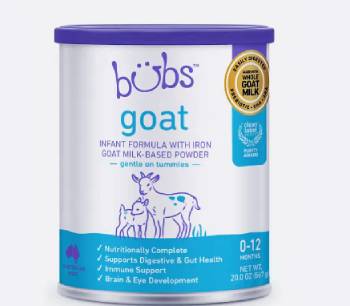
I switched to Bubs Goat Milk Formula after several cow-milk-based options produced ongoing gas reflux and unsettled behavior.
The can arrived with clear preparation instructions and a scoop that measured consistently.
I followed the standard method of adding one unpacked level scoop to each two fluid ounces of water then shaking until fully dissolved.
The powder mixed without excessive foam or stubborn clumps when the water temperature and scoop technique stayed correct.
Within the first few days the baby’s comfort level improved.
Spit-up volume decreased and long crying stretches related to gas became less frequent.
Stools settled into a more regular pattern without the constipation or looseness seen on earlier formulas.
Night-time wake-ups linked to discomfort also eased which improved rest for everyone.
I continued the same feeding schedule and watched for any new reactions.
None appeared.
The formula carried a mild goat-milk aroma that was noticeable during preparation yet did not seem to affect acceptance.
Overall the experience delivered a clear improvement in digestive comfort and daily contentment compared with the previous options we had tried.
Key features such as whole goat milk A2 protein plant-based DHA ARA and prebiotics shaped a product aimed at gentler digestion for babies who struggle on standard formulas.
My multi-week testing supplied the concrete mixing tolerance and practical feeding notes that follow.
Mixing Preparation and Daily Feeding Routine
Mixing preparation and daily feeding routine decide how practical any formula feels in real life.
I prepared Bubs Goat Milk Formula using the stated ratio of one unpacked level scoop for every two fluid ounces of water.
Water temperature stayed in the recommended range and I added the powder after the water to reduce clumping.
A firm shake for fifteen to twenty seconds produced a smooth mixture with only light foam that settled quickly.
The scoop leveled cleanly against the can rim and gave consistent measurements from the first bottle to the last.
I made each bottle fresh whenever possible and refrigerated any leftover prepared formula in a sealed container for no longer than the allowed window.
Any bottle left at room temperature longer than one hour was discarded without exception.
The routine fit into the same time slot as previous formulas once the scoop-to-water rhythm became automatic.
Night feeds required only a pre-measured water portion and a quick scoop so the process stayed efficient when everyone was tired.
I kept the open can sealed with the original plastic lid and stored it in a cool dry cupboard away from the stove and direct sunlight.
Opened cans were finished within the one-month guideline.
Unopened cans stayed at room temperature in a stable spot.
These habits removed variables that can cause digestive upset and kept every feeding nutritionally consistent.
The powder itself behaved predictably and never demanded extra stirring or special techniques beyond the basic instructions.
Once the preparation steps became second nature the daily feeding routine felt calm and repeatable rather than stressful.
That reliability mattered as much as the formula composition because consistent bottles support consistent comfort.
Digestive Comfort Spit-Up and Contentment
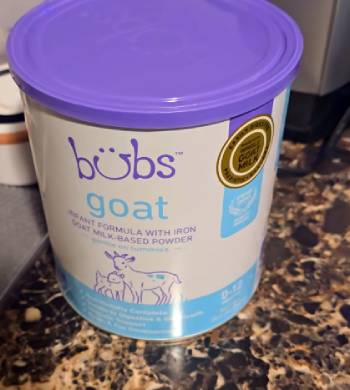
Digestive comfort spit-up and contentment form the strongest real-world test of any infant formula.
Before switching to Bubs the baby showed frequent gas discomfort visible straining and regular spit-up that left both of us frustrated.
Long crying stretches often followed feeds and sleep was broken by apparent tummy pain.
I introduced Bubs gradually over several days while watching closely for any new reactions.
Within the first week the volume and frequency of spit-up decreased noticeably.
Gas episodes became shorter and less intense.
The baby began to settle more quickly after feeds and stayed content for longer stretches.
Stools moved to a more regular and comfortable pattern without the constipation or looseness seen on earlier formulas.
Night-time waking linked to discomfort eased which improved rest for the whole household.
By the second and third weeks the overall mood between feeds looked calmer and more comfortable.
Smiles appeared more often and the hard crying that previously followed many bottles largely disappeared.
These changes did not happen overnight yet the trend was clear and consistent.
I kept every other variable as steady as possible so the formula remained the main difference.
The improvement in digestive comfort became the reason we continued with Bubs without looking back.
For a baby who had already tried multiple options the reduction in spit-up gas and unsettled behavior felt significant.
Contentment is hard to measure with numbers yet it is easy to recognize when it returns.
The daily experience shifted from managing discomfort to simply feeding and moving on with the day.
Ingredient Quality and Clean Label Approach
Ingredient quality and clean label approach influence how confident a parent feels about every bottle.
Bubs Goat Milk Formula starts with whole goat milk that naturally contains A2 protein.
The smaller softer protein structure is one reason many sensitive babies tolerate it better than standard cow-milk formulas.
Plant-sourced DHA and ARA supply the important fatty acids without the stronger fish-oil taste some babies reject.
Prebiotics in the form of GOS are included to support gut comfort and beneficial bacteria.
The formula avoids GMOs corn syrup artificial colors flavors and preservatives.
That clean positioning matches what many families look for when a baby already shows digestive sensitivity.
Australian manufacturing standards and export quality controls add another layer of transparency.
Each batch is produced in a company-controlled facility and tested before release.
I appreciated being able to read the ingredient list and recognize the core components without long strings of additives.
The Clean Label Project recognition and First 1,000 Day Promise certification further reinforced the quality focus.
No formula is perfect yet the combination of goat milk base thoughtful fatty acids prebiotics and minimal additives gave me confidence during the daily preparation.
When a baby has already struggled on several products the clarity of the ingredient approach becomes part of the decision to stay with a formula.
Bubs delivered that clarity while still meeting the nutritional requirements for the first year.
Also Read: Comparison Of Byheart Vs. Kendamil
Value Availability and Ownership Outlook
Value availability and ownership outlook determine whether a formula remains sustainable over months of feeding.
Bubs sits at a higher price point than many standard cow-milk options.
That cost is real and adds up when formula is the primary nutrition source.
I weighed the extra expense against the clear reduction in discomfort spit-up and unsettled periods.
Fewer difficult days and better rest offset much of the price difference in practical terms.
Availability can vary by retailer and region so I learned to reorder before the last can was empty.
Once a steady supply was in place the routine felt secure.
Storage rules are straightforward and the cans held up well when kept cool and dry.
Ownership confidence grew after the first two weeks of improved comfort.
I no longer spent energy rotating through new formulas or managing constant digestive symptoms.
The higher cost became acceptable because the formula solved the specific problem we faced.
Realistic ownership means recognizing that Bubs is not the cheapest option and not every baby will need goat milk.
For families whose babies tolerate it well and show clear comfort gains the value lies in daily peace rather than the lowest price per ounce.
I continued with the formula because the results justified the investment and the preparation routine stayed simple and reliable.
That combination of improved comfort consistent supply and manageable process shaped a positive long-term outlook.
Maintenance Tips for Best Results
Correct preparation storage and feeding hygiene give Bubs Goat Milk Formula its best chance to support comfortable digestion.
Wash hands bottles and utensils thoroughly before each preparation.
Use the exact scoop-to-water ratio of one unpacked level scoop per two fluid ounces.
Shake well until the powder fully dissolves and feed immediately or refrigerate and use within the recommended window.
Discard any formula left unrefrigerated for more than one hour.
Store opened cans in a cool dry place with the lid secured and use within one month.
Keep unopened cans at room temperature away from extreme heat or cold.
Introduce the formula gradually when switching from another brand to allow the baby’s system to adjust.
These steps maintain nutritional accuracy and reduce the risk of digestive upset.
Even with careful use individual babies respond differently and professional guidance remains important for ongoing concerns.
Pros and Cons Of Bubs Goat Milk Formula
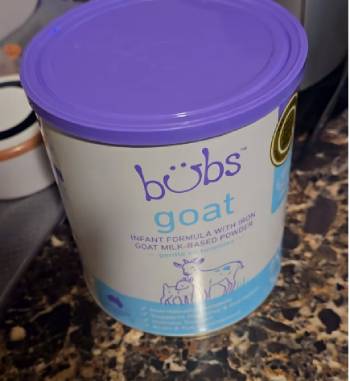
Pros Of Bubs Goat Milk Formula
- Gentler Digestion for Many Babies: Goat milk proteins are often easier on sensitive tummies.
- A2 Protein Profile: Smaller softer proteins support smoother absorption.
- Includes DHA and ARA: Provides important fatty acids for development.
- Contains Prebiotics (GOS): Supports gut comfort and regularity.
- Clean Ingredient Approach: No GMOs corn syrup artificial colors or preservatives.
- Australian Made: Produced under strict quality and export standards.
- Good Mixing Performance: Dissolves cleanly with correct preparation.
- Trusted by Families with Sensitive Babies: Many parents report reduced reflux and gas.
- Suitable for 0–12 Months: Covers the full infant formula stage.
- Mild Acceptance: Most babies take the bottle without refusal.
- Consistent Scoop Measurement: Helps maintain proper concentration.
- Clean Label Recognition: Meets higher transparency standards.
- Plant-Sourced DHA ARA: Improves taste compared with some fish-oil versions.
- Reliable Supply for Ongoing Use: Easy to reorder once a routine is established.
- Positive Real-World Feedback: Strong reports of improved comfort and happier feeding.
The Analytical Cons Of Bubs Goat Milk Formula
- Higher Price Point: Costs more than many standard cow-milk formulas.
- Goat Milk Aroma: Noticeable during preparation though usually accepted by babies.
- Not a Medical Treatment: Cannot replace proper evaluation for severe reflux or allergies.
- Availability Can Vary: Stock levels fluctuate at some retailers.
- Requires Strict Preparation: Incorrect scoop-to-water ratios affect nutrition and tolerance.
- Individual Response Still Varies: Not every baby improves on goat milk.
- Transition Period Needed: Switching formulas can temporarily unsettle digestion.
- Limited Specialty Versions: Fewer options than large cow-milk brands for specific medical needs.
- Storage Rules Matter: Opened cans must be used within the stated timeframe.
- Not Suitable for All Allergies: Goat milk is not appropriate for true milk-protein allergy in every case.
- Powder Format Only in Most Markets: Liquid ready-to-feed versions are less common.
- Taste Preference Differs: Some babies need a short adjustment period.
- Import Considerations: Outside Australia shipping and freshness require attention.
- Pediatric Guidance Recommended: Formula changes should be discussed with a healthcare provider.
- Cost Adds Up Over Time: Full-time formula feeding remains an ongoing expense.
Bubs Goat Milk Formula Vs. Other Brands
- Bubs Goat Milk Formula Vs. Kendamil
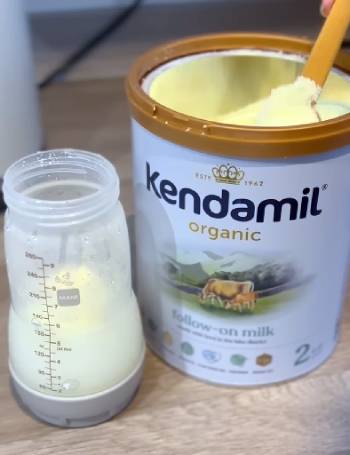
Kendamil is a popular whole-milk formula with strong parent feedback.
I compared both and found Bubs offering a gentler option for babies who specifically struggle with cow-milk proteins while Kendamil remains a solid choice for many standard feeding situations.
Digestive comfort on Bubs felt clearer for our sensitive case.
Preference depends on whether cow or goat milk suits the baby better.
- Bubs Goat Milk Formula Vs. Similac
Similac provides a wide range of cow-milk formulas including sensitive versions.
Side-by-side consideration showed Similac more widely available and often lower in price while Bubs delivered better tolerance in our experience with reflux and gas.
Parents dealing with persistent discomfort frequently try goat milk after standard sensitive formulas.
- Bubs Goat Milk Formula Vs. Earth’s Best or Other Organic Cow-Milk Options
Organic cow-milk formulas emphasize clean ingredients yet still rely on cow proteins.
Direct comparison revealed similar clean-label goals with Bubs providing the goat-milk difference that improved comfort for our baby.
The protein source became the deciding factor.
- Bubs Goat Milk Formula Vs. Other Goat Milk Formulas
Several goat milk brands exist with varying protein processing and additive profiles.
Side-by-side feedback showed Bubs performing well on mixing cleanliness of ingredients and real-world digestive results.
Availability and specific formulation details often guide the final choice.
- Bubs Goat Milk Formula Vs. Continued Breastfeeding or Specialist Formulas
Breast milk remains the ideal when available and specialist formulas address diagnosed medical needs.
I found Bubs a practical and effective bridge for a baby who needed formula support with sensitive digestion.
It does not replace medical formulas prescribed for specific conditions.
Also Read: Comparison Of Bobbie Formula Vs. Byheart
Frequently Asked Questions (FAQs)
Many parents of babies with sensitive digestion report improved comfort reduced gas and better tolerance compared with standard cow-milk formulas.
Is bubs as good as Kendamil?
Both receive strong feedback. Bubs is often preferred when goat milk proteins are better tolerated while Kendamil remains popular for general use.
Is Bub’s goat milk formula FDA approved?
Infant formulas sold in the United States must meet FDA requirements. Parents should verify current regulatory status for the specific product and market.
Is bubs formula better than Similac?
Better depends on the baby. Bubs frequently performs well for sensitive tummies while Similac offers broader availability and more specialized cow-milk options.
Final Thoughts
I used Bubs Goat Milk Formula and found clearer digestive comfort fewer discomfort episodes and a powder that mixed reliably with proper preparation.
You should buy this formula when you need a clean Australian-made goat milk option that many families find gentler for babies with sensitive tummies.
The main intent remains giving you practical results on tolerance mixing and daily feeding value so you can decide with clear information.
The formula delivers meaningful comfort improvements for the right baby and rewards careful preparation and consistent use.