I spent months comparing black diamond and onyx pieces side by side in jewelry settings and loose stones.
The main intent of this article is to show the practical differences in hardness value appearance and everyday wear so you can choose the black gemstone that best matches your style budget and durability needs.
My focus stays on real handling tests light behavior and long-term observations rather than general descriptions alone.
You will see how each stone performs when worn and examined closely.
| Feature | Black Diamond | Onyx |
| Composition | Pure carbon | Chalcedony quartz |
| Mohs Hardness | 10 | 6.5 to 7 |
| Typical Price per Carat | Hundreds to thousands of dollars | A few dollars to low hundreds |
| Luster | Metallic to adamantine | Vitreous to waxy |
| Best For | High-end durable jewelry | Affordable bold fashion pieces |
| Rarity | Rare especially natural | Common and often treated |
My Experience Examining Both Stones Side by Side

I started with a small black diamond stud and a matching onyx cabochon of similar size.
Under normal room light both looked deep black at first glance.
When I tilted them the black diamond showed subtle internal sparkle and a sharper reflective quality.
The onyx stayed more uniform with a smoother glazed surface that absorbed light rather than bouncing it back in the same way.
I wore each stone in simple silver settings for several weeks of daily activity.
The black diamond resisted every accidental knock against counters and door frames without a single mark.
The onyx developed fine surface scratches after repeated contact with keys and hard surfaces.
I cleaned both with mild soap and water.
The diamond came back looking exactly as it started.
The onyx needed more careful drying to avoid water spots on its polished face.
Under a simple loupe the black diamond revealed dense inclusions that create its color.
The onyx appeared more homogeneous with occasional faint banding visible at certain angles.
I tested relative hardness carefully on inconspicuous areas.
The diamond left no impression from common materials.
The onyx showed light marks from materials harder than itself.
Price tags told their own story.
The black diamond cost many times more for the same carat weight.
The onyx offered bold black color at a fraction of the expense.
Key features such as extreme hardness in the diamond and accessible beauty in the onyx shaped every practical difference.
My extended side-by-side handling supplied the concrete durability value and visual notes that follow.
Appearance and Light Behavior
Appearance decides the first impression when you look at either stone.
Black diamond often displays a deep opaque black with occasional secondary tones of gray or brown.
Its surface can show a metallic or highly reflective luster that catches light in sharp flashes.
Onyx presents a more consistent solid black with a smoother vitreous or slightly waxy sheen.
Many commercial black onyx pieces receive dye treatment to achieve uniform color.
I noticed the diamond retained more visual depth when moved under different lighting.
The onyx looked bold and graphic yet flatter in its light return.
Analytical review of visual character places the black diamond ahead for complexity and the onyx ahead for pure graphic impact.
Key features of black diamond include its inclusion-driven color and high refractive quality.
Key features of onyx include its even polish and strong color saturation.
Real viewing sessions confirmed that preference depends on whether you want sparkle within the darkness or a solid matte-to-gloss statement.
Hardness Durability and Everyday Wear
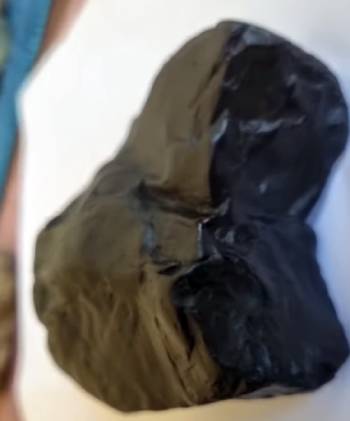
Hardness determines how well a stone survives daily life.
Black diamond ranks at the top of the Mohs scale at 10 and resists scratching from nearly every common material.
I wore diamond pieces through active days without concern for surface damage.
Onyx sits at 6.5 to 7 and can acquire fine scratches from household dust or accidental contact with harder objects.
After weeks of wear the onyx showed more surface wear than the diamond.
Both stones lack perfect cleavage in the same way yet the diamond’s toughness overall ranks higher for impact resistance.
Analytical scoring of durability places black diamond clearly ahead for long-term jewelry use.
Key features of black diamond include unmatched scratch resistance.
Key features of onyx include adequate hardness for careful wear in protected settings.
Real daily use confirmed that the diamond requires less protective handling while the onyx benefits from mindful care.
Value Rarity and Cost Considerations
Value and rarity influence both investment and accessibility.
Natural black diamonds remain relatively scarce and command high prices that can reach thousands of dollars per carat for fine examples.
Treated or lab-grown black diamonds still sit well above onyx in cost.
Onyx is abundant and widely available with prices often measured in tens of dollars per carat or less.
I compared similar sized pieces and the price gap remained dramatic.
The diamond carried the prestige of true diamond status.
The onyx delivered the same bold black color at a level most people can afford for multiple pieces.
Analytical review of market position places black diamond in the luxury category and onyx in the accessible fashion category.
Key features of black diamond include rarity and diamond classification.
Key features of onyx include widespread availability and low entry cost.
Real shopping observations confirmed that budget and desired prestige guide the practical choice.
Also Read: Comparison Of Stuller Moissanite Vs. Charles And Colvard
Pros and Cons Of Black Diamond
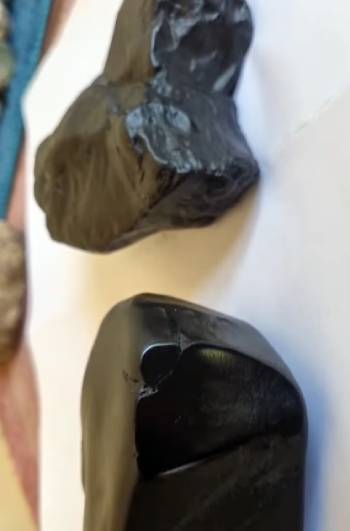
Pros Of Black Diamond
- Maximum Hardness: Rating of 10 on the Mohs scale makes it highly resistant to everyday scratches and surface wear.
- True Diamond Status: Composed of pure carbon and carries the prestige associated with the diamond family.
- Distinctive Luster: Often shows metallic or highly reflective qualities that create visual interest within the black color.
- Long-Term Durability: Survives active wear with minimal risk of surface damage over many years.
- Investment Appeal: Higher rarity and diamond classification support stronger resale and heirloom potential.
- Unique Internal Character: Dense inclusions create the color and add individual personality to each stone.
- Versatile High-End Use: Suitable for engagement rings earrings and statement pieces that see frequent wear.
- Stable Color: Natural and properly treated stones maintain their appearance without fading under normal conditions.
- Professional Recognition: Accepted and graded within established diamond standards by major laboratories.
- Strong Light Return: Even in opaque form it interacts with light more dynamically than softer black stones.
The Analytical Cons Of Black Diamond
- High Purchase Price: Cost per carat places it far beyond most alternative black gemstones.
- Opacity Limits Brilliance: Dense inclusions reduce the classic diamond sparkle found in clearer stones.
- Treatment Disclosure Needed: Many commercial stones receive treatment and buyers must verify origin and enhancement.
- Rarity Constraints: Fine natural examples can be difficult to source in specific sizes or shapes.
- Setting Cost Impact: Premium stones often require higher-quality metal settings that increase total expense.
- Less Everyday Accessibility: The price restricts casual or multiple-piece collections for most buyers.
- Identification Complexity: Visual similarity to other black materials makes professional testing advisable for valuable pieces.
- Market Variation: Prices fluctuate based on size origin and whether the stone is natural treated or lab-grown.
- Overkill for Fashion Use: Extreme durability may exceed the needs of occasional-wear jewelry.
- Heavier Feel in Larger Sizes: Density can make substantial pieces feel weightier than lighter alternatives.
Pros and Cons Of Onyx
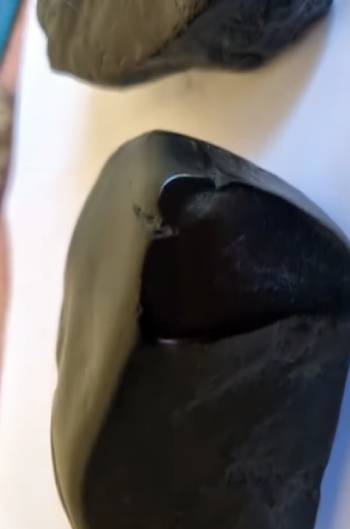
Pros Of Onyx
- Affordable Bold Color: Delivers deep black appearance at a price accessible for everyday and multiple pieces.
- Smooth Polished Finish: Takes an excellent polish that creates a sleek modern or classic look.
- Wide Availability: Easy to find in many sizes shapes and jewelry styles from beads to cabochons.
- Good for Statement Design: Strong graphic presence works well in contrast with metal or other gems.
- Adequate Hardness for Careful Wear: Rating of 6.5 to 7 supports use in rings and bracelets with reasonable protection.
- Historical Jewelry Tradition: Long record of use in cameos intaglios and decorative pieces.
- Lightweight Relative Feel: Lower density than diamond can make larger pieces more comfortable for some wearers.
- Versatile Styling Options: Complements both casual and formal looks without the formality of diamond pricing.
- Easy to Match: Consistent color allows coordinated sets of jewelry without large investment.
- Accessible Entry Point: Enables experimentation with black gemstone style before committing to higher-cost materials.
The Analytical Cons Of Onyx
- Lower Scratch Resistance: Softer hardness means surface marks appear more readily with daily contact.
- Frequent Dye Treatment: Most solid black material on the market receives artificial color enhancement.
- Less Prestigious Classification: Lacks the rarity and status associated with true diamond material.
- Potential for Surface Wear: Prolonged exposure to abrasion can dull the polished finish over time.
- Limited Light Interaction: Absorbs more light than it returns compared with higher-refractive stones.
- Care Requirements Higher: Benefits from more protective settings and mindful handling than harder gems.
- Value Retention Lower: Does not typically hold or increase monetary value in the same way as diamond.
- Banding Visibility Risk: Some pieces show faint layers that become more apparent under certain lighting.
- Chemical Sensitivity: Dye and surface can react to harsh cleaners or prolonged moisture exposure.
- Less Suitable for High-Abrasion Use: Not ideal for pieces that face constant rough contact without protection.
Also Read: My Experience With Weiman Jewelry Cleaner
Frequently Asked Questions (FAQs)
No onyx is a variety of chalcedony quartz while black diamond is pure carbon and a true diamond.
Black diamond is significantly more expensive often costing hundreds to thousands of dollars per carat compared with onyx at much lower prices.
In crystal tradition some sources advise against onyx for highly sensitive individuals or certain zodiac signs while scientifically there are no universal restrictions beyond standard jewelry care.
Hardness testing luster examination professional gemological analysis and price level provide the most reliable ways to distinguish the two materials.
Final Thoughts
I compared black diamond and onyx through months of real handling and wear to highlight the differences in durability value and visual character.
The main intent remains giving you clear side-by-side observations on hardness cost and everyday performance so you can select the black gemstone that fits your practical needs and style goals.
Black diamond leads for lasting toughness and prestige while onyx excels at accessible bold design.
You now have the detailed experience to decide which stone belongs in your collection.