
I have found that Bio-K+ is a probiotic you should buy if you are looking for a hospital-trusted, clinically researched formula designed to survive harsh stomach acid and provide targeted support for gut regularity, especially during antibiotic therapy.
The main intent of this article is to provide an analytical perspective on how the specific Lactobacillus strains in Bio-K+ work synergistically to restore microbiome balance and boost immune system health.
I eventually realized that finding a probiotic that actually reaches the intestines instead of dissolving prematurely is the most important factor in digestive wellness.
You should buy Bio-K+ to experience the difference that high-quality, enteric-coated, and physician-backed bacterial strains can make in your daily digestive comfort.
Finding My Digestive Balance: My Personal Experience with Bio-K+
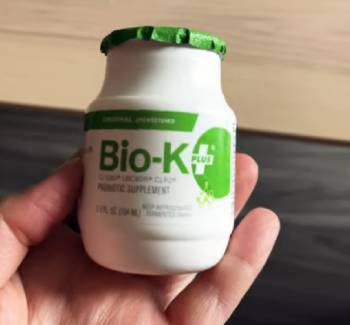
I remember the day I decided to search for a heavy-duty probiotic because I had been struggling with inconsistent digestion and felt that my previous generic supplements were doing absolutely nothing to help.
I am someone who appreciates research-backed solutions, and I noticed that Bio-K+ kept popping up in discussions regarding gut health, particularly from people who had used it while on antibiotic treatments to avoid the typical stomach turmoil that usually follows.
I eventually decided to experiment with Bio-K+ capsules because I wanted to see if the “delayed-release” technology actually lived up to the hype, as I had previously felt like other probiotics were destroyed by my own stomach acid before they could do any good.
I found that within the first week of taking it, the usual bloating I felt after my morning coffee began to subside, which was a huge mechanical win for my daily comfort.
I noticed that the capsules were easy to swallow and, unlike some other brands, I didn’t experience any unpleasant aftertaste or weird burps, which is a major positive in my book.
I am a user who values consistency, and I realized that when I took the capsule at the same time every morning, my digestive regularity became much more predictable, almost like clockwork.
I eventually realized that while this product is a bit pricier than the options at my local discount store, the feeling of “completeness” and the lack of digestive distress make it worth every cent to me.
I found that I even referred several friends to this brand because I felt so confident in how it managed my own occasional digestive ailments, and they all came back to me with equally positive feedback about their gut comfort.
I noticed that for those times when I have to take antibiotics, I now refuse to be without my Bio-K+, as it has become a necessary structural support that keeps my stomach feeling fine despite the medication.
I am now at the point where I consider this probiotic a foundational part of my morning ritual, providing the immune and gut balance I need to handle whatever stress or travel comes my way.
Maintenance Tips for Your Bio-K+ Routine
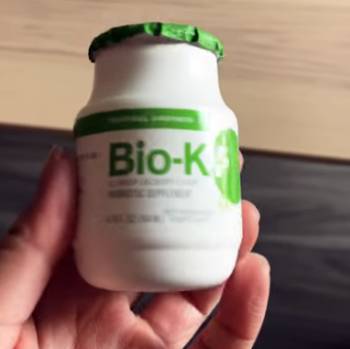
You should realize that keeping your probiotic potent requires consistent care, as you are dealing with living, sensitive cultures that need to be protected from heat, moisture, and light.
Storing your Bio-K+ in a cool, dry place like a pantry shelf or a dedicated refrigerator drawer is a vital maintenance tip to ensure the bacteria remain viable until the expiration date: I found that temperature stability was the best way to keep my capsules at full strength.
Taking your capsule at the same time every day is a key maintenance tip to create a consistent “biological rhythm” for your gut microbiome: I noticed that my digestion became significantly more regular when I didn’t skip my morning dose.
Avoiding the practice of chewing, crushing, or opening the capsule is an essential maintenance tip because the enteric coating is specifically designed to bypass the stomach acid: I found that taking the capsule whole with a full glass of water was the only way to ensure it functioned as intended.
Separating your probiotic dose from any antibiotics by at least two to three hours is a crucial maintenance tip to prevent the medication from killing off the good bacteria you are trying to introduce: I noticed that this timing window was the reason my husband was able to maintain his stomach health while on an antibiotic IV course.
Purchasing your supply directly from reputable retailers or the official website is a smart maintenance tip to ensure you are getting authentic, properly stored batches that haven’t been compromised by poor warehouse conditions: I found that quality control starts with where you buy.
Monitoring your daily fiber intake is a helpful maintenance tip because prebiotics from fruits and vegetables act as “fuel” for the probiotic bacteria you are taking: I noticed that my gut felt even more balanced when I paired my capsule with a diet rich in plant-based fibers.
Checking the expiration date on the side of the container every few months is a necessary maintenance tip to ensure you are not using an old product that may have lost its potency: I found that keeping my supply fresh was the best way to guarantee a 10/10 result.
Using a small pill organizer if you are traveling is an effective maintenance tip, but ensure you keep it in a cool spot in your suitcase: I noticed that proper transport was key to maintaining the probiotic’s effectiveness on the road.
Keeping a simple symptom diary for the first few weeks is a strategic maintenance tip to track how your digestion is improving: I found that this helped me notice the subtle changes I might have otherwise ignored.
Pairing your dose with a light meal or water is a final maintenance tip that helps buffer the arrival of the capsule into the gut: I found that it was much easier on my system to take it with a bit of liquid.
Cleaning your pill case weekly if you use one is a helpful maintenance tip to prevent cross-contamination: I noticed that hygiene in my routine made a surprisingly large difference in how I felt.
Pros and Cons of Bio-K+ Probiotic

Pros of Bio-K+ Probiotic: Clinical Efficacy and Superior Delivery
- Scientifically Backed Lactobacillus Strains: It features a unique, synergistic blend of Lactobacillus acidophilus CL1285, Lactobacillus casei LBC80R, and Lactobacillus rhamnosus CLR2: I found that this specific combination is what sets it apart from generic multi-strain products: this results in a targeted approach to gut balance that feels genuinely effective: I noticed my system responded much faster to this blend than to any “budget” probiotic I’ve tried: I realized that clinical research is a structural necessity for probiotic success.
- Effective Enteric-Coated Delivery System: It utilizes a delayed-release capsule technology engineered to withstand harsh stomach acid so that the bacteria actually arrive in the intestines where they are needed: I found that this mechanical design prevents the probiotics from being neutralized before they can do their work: this provides a major advantage in terms of CFU delivery: I noticed I didn’t have the typical “probiotic bloating” that happens when ineffective bacteria die off too early: I realized that delivery is just as important as the bacterial count.
- Trusted by Healthcare Professionals: It features a formula that is used in over 200 North American hospitals and is backed by gastroenterologists for its role in supporting digestive health: I found that this gave me immense confidence in the safety and quality of the product: this provides a high level of assurance that you aren’t just taking “mystery” bacteria: I noticed the brand’s commitment to quality is clear in their rigorous testing: I realized that hospital-grade status is a huge analytical endorsement.
- Clean and Safe Formulation: It utilizes a strict testing protocol to ensure no hormones, antibiotics, pesticides, or heavy metals are present in the final product: I found that as someone who is sensitive to additives, the clean label was a huge benefit: this results in a product that feels safe for long-term daily use: I noticed no negative reactions or allergic symptoms: I realized that this level of purity is what makes it a premium, trustworthy choice.
The Analytical Cons: Price and Adjusting Periods
- Higher Price Point Compared to Generic Brands: It features a premium cost that reflects the intensive research and high-purity manufacturing process: I found that while it is more expensive, the value in efficacy is undeniable: this provides a financial barrier for some users who are accustomed to cheap, store-brand supplements: I noticed that once you feel the difference, the price becomes less of a factor: you should realize that you are paying for hospital-grade quality: I realized that budget probiotics often end up costing more because they don’t work.
- Potential for Mild Digestive Adjustment: It utilizes a potent 80-billion CFU formula that can cause temporary mild gas or bloating as the new bacteria colonize your gut environment: I found that for the first three days, my body was clearly adjusting to the new “guests”: this results in a need for patience: I noticed the symptoms were very mild and cleared up quickly: you should realize that this is a normal mechanical response when changing your microbiome: I realized that sticking with it is the key.
- Requirement for Careful Storage to Maintain Potency: It features live bacterial cultures that are sensitive to extreme heat and moisture, necessitating proper storage to ensure the 80 billion count remains viable: I found that keeping it in a cool, dark place is a must: this provides a need for diligence on the part of the user: I noticed the packaging is designed to protect the integrity of the capsule: you should realize that potency is a “living” variable: I realized that you have to care for the product to get the results.
- Limited Availability in Some Retail Stores: It utilizes a premium distribution channel that isn’t always found in every corner pharmacy: I found that I had to look specifically for it in high-end grocers or reliable online marketplaces: this provides a minor inconvenience for those who want to pick it up during their weekly generic shopping trip: I noticed that the quality is worth the extra effort to source: you should realize that hospital-grade products are often specialty items: I realized that availability is the price of quality.
Bio-K+ Vs. Other Brands
- Bio-K+ Vs. Seed DS-01 Daily Synbiotic
I found that Seed focuses on a complex synbiotic approach, but Bio-K+ feels more targeted and “clinical” in its strain selection for digestive support.
You should realize that if you want a hospital-tested formula with a track record of treating antibiotic-associated diarrhea, Bio-K+ has the analytical edge.
I noticed that Seed is great for overall diversity, but for specific digestive ailments, the strain-specificity of Bio-K+ feels more reliable to me.
I am a user who prefers the simplicity of the Bio-K+ approach over the multi-pill Seed routine. I realized that Bio-K+ is the best choice for those who want a proven, research-heavy digestive tool.
- Bio-K+ Vs. Culturelle

I found that Culturelle focuses almost exclusively on Lactobacillus rhamnosus GG, which is effective, but it lacks the strain synergy found in the Bio-K+ blend.
You should realize that Bio-K+ provides a more robust, multi-strain profile that I feel covers more digestive “bases” than Culturelle alone.
I noticed that Bio-K+ capsules seem to hold up better against acid, giving me more consistent results for my acid reflux issues.
I am someone who appreciates the additional immune support markers of Bio-K+, which makes it feel like a more “complete” supplement. I realized that Bio-K+ is a more comprehensive upgrade from the simpler Culturelle.
- Bio-K+ Vs. Garden of Life Microbiome Once Daily

I found that Garden of Life is a solid brand, but their capsule technology often doesn’t feel as “advanced” or “delayed” as the Bio-K+ enteric coating.
You should realize that if you are worried about the survival of your probiotics, the Bio-K+ mechanical delivery is the superior analytical choice.
I noticed that Garden of Life often has many extra ingredients, whereas Bio-K+ keeps the focus strictly on the potent probiotic strains.
I am a user who wants the main event—the good bacteria—delivered safely, and Bio-K+ does that better. I realized that for pure intestinal delivery, Bio-K+ is the more sophisticated product.
- Bio-K+ Vs. Physician’s Choice THIN 30
I found that Physician’s Choice is marketed heavily for weight management, whereas Bio-K+ is clearly marketed for actual gut health and medicinal support.
You should realize that if your goal is alleviating digestive symptoms rather than just weight loss, Bio-K+ is the medically proven pathway.
I noticed that Bio-K+ feels more like a “serious” probiotic designed for health maintenance rather than a “trendy” weight-loss pill.
I am someone who cares about treating my digestive issues at the root, making Bio-K+ the clear winner in my book. I realized that Bio-K+ is a more professional and dependable gut tool.
- Bio-K+ Vs. InnovixLabs Multi-Strain
I found that InnovixLabs offers a high CFU count, but the strain specificity of the Bio-K+ formula has a level of hospital-verified research that is hard to match.
You should realize that more CFUs don’t always equal better results if the strains aren’t the right ones; Bio-K+ nails the perfect blend.
I noticed that my digestion felt more “calm” with Bio-K+ than with the higher-CFU generic blends I used in the past.
I am a user who prefers the “quality over quantity” approach to probiotic strain research, which is why Bio-K+ stays in my rotation. I realized that Bio-K+ is the more precision-engineered probiotic for gut balance.
Frequently Asked Questions (FAQs)
I found that it is excellent for gut health, especially for maintaining immune function and supporting the digestive tract with research-backed bacterial strains.
I realized that while I felt some bloating relief within a week, it can take two to three weeks for full digestive regularity, and consistent daily use is the key.
I noticed that side effects are usually very mild and temporary, such as slight gas or bloating, as your microbiome adjusts to the introduction of the new beneficial bacteria.
I found that while many brands like Seed or Culturelle are popular, Bio-K+ is often the highest-rated for those seeking clinical, hospital-grade, and research-backed results.
Final Thoughts
I have found that Bio-K+ is a probiotic you should buy if you are serious about restoring your digestive regularity and want a product backed by hospital-level clinical research.
You should realize that the main intent of this review was to highlight how the right strain blend and the right delivery technology make Bio-K+ a superior tool for gut health.
I am a person who has struggled with digestive ailments, and finding this probiotic was a game-changer that allowed me to stop worrying about my stomach and start living comfortably again.
I have realized that by choosing Bio-K+, you are investing in a proven, high-purity, and effectively delivered formula that works exactly as it should.